

_1745823981883.webp)

Top Suppliers of DTRO Membranes in the USA: Where to Buy High-Quality Products
In the United States, it can be hard for business buyers to find dependable DTRO membrane providers who can provide both high-quality goods and reliable service. The market for disc-tube reverse osmosis technology has grown a lot because businesses know that DTRO systems work better with high-concentration wastewater streams. Leading providers in the USA offer a wide range of options, from standard membrane units to custom-built systems made for particular tasks, such as treating leachate from landfills and industrial wastewater.
Introduction
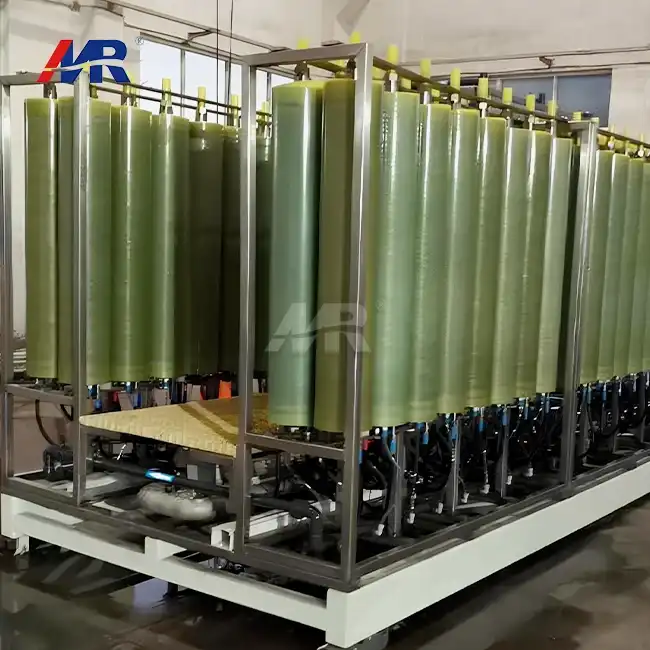
DTro membrane technology is an important part of modern garbage and industrial treatment. It works very well in cleaning and water recovery tasks in many different areas. The disc-type reverse osmosis design works very well with difficult water streams that have a lot of turbidity, a lot of salt, and a lot of different chemicals that would be too much for most membrane systems to handle.
When B2B buyers buy membranes from reputable US providers, they can be sure that they will meet strict quality standards and get stable supply lines and after-sales support that is essential for business operations. Suppliers in the United States know the rules and regulations, can supply goods more quickly, and offer expert help that follows American business standards and norms.
It talks about the latest developments in DTRO membrane technology, the market trends that are pushing its uptake, and the top providers in the United States. To help procurement workers make smart choices, we look at source skills, product quality, and organizational issues to make sure that their water treatment investments are both operationally and cost-effectively the best they can be.
Understanding DTRO Membranes and Their Market Demand
Technical Principles and Performance Characteristics
DTRO membranes are special filter modules made to handle wastewater with a lot of solids. They are more durable and better at rejecting solids than regular spiral-wound membranes. When you set up a disc-type setup, it makes open flow paths that cause turbulence. This keeps the water production rates steady, even when conditions are tough.
The technology works on the same principles as reverse osmosis, but it has special design traits that make it safe at pressures up to 75 bar. Key success measures include reject rates of more than 98% for dissolved salts and organic compounds, longer operating lifespans of 3–5 years, and the ability to handle water with COD levels of up to 25,000 mg/L while keeping the quality of the permeate constant.
Industrial Applications and Benefits
More and more, disc-tube reverse osmosis systems are being used by municipal wastewater treatment plants for advanced treatment tasks. This is especially true in water reuse projects where traditional membrane technologies fail. The oil and gas industry uses these systems to clean produced water, which has a lot of salt and a lot of different kinds of hydrocarbons that are hard for regular filters to handle.
Anti-fouling features in the design help chemical processing plants because they cut down on cleaning processes and downtime. Electronics makers depend on the technology's ability to get rid of heavy metals and organic pollutants from production wastewater. This helps them follow discharge rules and supports efforts to have zero liquid discharge.
USA Market Overview and Demand Drivers
The American market for disc-type membrane technology keeps growing as rules about the environment get tighter and companies look for better ways to clean water. If you compare this system to a regular reverse osmosis system, it works better and uses 15-20% less energy. This is because the membrane materials and module design have been changed.
When you think about the supply chain, it's best to work with local companies that can answer quickly, help you in English, and know the rules for the US market. Market trends show that there is a growing need for portable systems that can be quickly added to existing treatment centers and give them a number of ways to make more space available.
Top 5 DTRO Membrane Suppliers in the USA – Profiles and Offerings
Leading Market Players and Their Capabilities
In the competitive world of membrane technology, it's important for business-to-business buyers to know what their suppliers' skills are. The study that follows looks at five well-known suppliers in the United States. Each has its own benefits when it comes to product lines, technology advances, and customer service.
Well-known local sellers usually have large distribution networks that allow for fast shipping and on-site expert help in many areas. Many of them have teamed up with foreign companies that make membranes while also working on their own technologies and ways to integrate systems.
Service Differentiation and Value Propositions
Complete service programs that include help with installation, training for workers, and plans for preventative upkeep are what set leading providers apart. Online tracking, predictive maintenance analytics, and quick access to new parts are all common parts of more advanced service packages. This helps keep system downtime to a minimum.
There are often deals with competitive prices that let you save money by buying in bulk, make payments easily, and loan options that let you pay less up front. OEM manufacturing lets you make membrane setups that are exactly what you need for a given application, and quality testing programs make sure that the product works the same way in every production batch.
Technology Integration and Innovation Focus
Established suppliers put a lot of money into research and development projects that aim to make membrane materials better, module designs better, and system automation better. When you connect it to digital tracking systems, you get real-time performance data that lets you plan preventative repairs and improve operations.
Customization choices include different membrane sizes, like the 8040 and 8080 setups, unique coverings for specific pollution removal tasks, and flexible system designs that can be used now and in the future as needed to increase capacity while still allowing for operating freedom.
How to Choose the Right DTRO Membrane Supplier: A Decision Support Guide?
Essential Evaluation Criteria
Selecting appropriate suppliers involves balancing multiple factors, including product quality, reliability, and commercial terms that align with long-term operational objectives. Industry Certifications such as ISO 9001 quality management, NSF approval, and DTRO membrane-specific standards provide assurance of manufacturing consistency and product safety compliance.
Regulatory compliance capabilities become particularly important for suppliers serving industries with strict environmental discharge requirements. Proven track records in timely delivery across diverse geographic regions within the United States demonstrate supply chain reliability and logistical competence essential for maintaining production schedules.
Performance Benchmarking and Cost Analysis
Membrane technology comparisons should focus on quantifiable performance metrics, including rejection efficiency, cleaning frequency requirements, and operational lifespan under specific water quality conditions. Energy consumption characteristics significantly impact long-term operating costs and should be evaluated alongside initial equipment pricing.
Cost-effectiveness analysis extends beyond initial purchase prices to encompass total cost of ownership, including maintenance requirements, cleaning chemical consumption, and replacement membrane expenses over the system's operational life. Warranty conditions and Technical support availability contribute to risk mitigation and operational continuity planning.
Procurement Strategy Considerations
Minimum order quantity requirements and lead times influence inventory management strategies and cash flow planning for industrial buyers. Supplier flexibility in accommodating varying order volumes and delivery schedules provides operational advantages during periods of fluctuating demand or emergency replacement needs.
Negotiation strategies should address payment terms, technical support commitments, and performance guarantees that protect buyer interests while establishing productive long-term supplier relationships. Documentation of supplier capabilities and references from existing customers provides additional confidence in procurement decisions.
Procurement and Supply Chain Insights for DTRO Membranes in the USA
Purchasing Channels and Vendor Verification
Efficient procurement practices require identification of verified DTRO membrane manufacturers, authorized DTRO membrane distributors, and specialized wholesalers who can guarantee product authenticity and quality assurance. Online purchasing platforms increasingly offer convenient ordering processes, while direct DTRO membrane manufacturer relationships provide access to technical expertise and custom solutions.
Regional distributors often maintain local inventory that enables rapid delivery for emergency replacements and routine maintenance requirements. Vendor verification processes should include confirmation of authorized dealer status, warranty coverage, and technical support capabilities specific to disc-tube reverse osmosis technology.
Logistics and Inventory Management
Bulk ordering strategies can achieve significant cost savings while ensuring adequate spare part availability for scheduled maintenance activities. Inventory management approaches must balance carrying costs against the risk of production disruptions caused by membrane failure or unexpected replacement needs.
Regulatory compliance considerations for membrane shipments include proper documentation for materials handling and disposal requirements. Cross-border logistics become relevant when sourcing specialized membrane materials or components that may not be available from domestic suppliers.
Maintenance and Operational Support
Extending membrane lifespan requires implementation of proper cleaning protocols, regular performance monitoring, and proactive replacement scheduling based on performance degradation indicators. Supplier-provided maintenance guidelines typically include recommended cleaning chemicals, frequency schedules, and performance benchmarks for optimal system operation.
Troubleshooting support from qualified technical personnel minimizes system downtime and prevents premature membrane replacement due to operational errors. Training programs for plant operators ensure proper system operation and help identify early warning signs of performance degradation that could indicate required maintenance interventions.
Conclusion
The landscape for DTRO membrane procurement in the USA offers numerous opportunities for industrial buyers seeking high-performance water treatment solutions. Successful supplier selection requires careful evaluation of technical capabilities, service support, and commercial terms that align with specific operational requirements. Leading suppliers distinguish themselves through proven track records, comprehensive service offerings, and innovative technology solutions that address evolving industrial water treatment challenges. As environmental regulations continue tightening and industries pursue more sustainable operations, investing in reliable membrane technology partnerships becomes increasingly critical for long-term operational success and regulatory compliance.
FAQ
1. What is the typical lifespan of DTRO membranes?
DTRO membranes typically operate effectively for 3-5 years under normal industrial conditions, with proper maintenance and cleaning protocols extending service life significantly. Factors affecting longevity include water quality characteristics, operating pressure, temperature conditions, and adherence to recommended maintenance schedules.
2. How do DTRO systems compare to traditional RO technology?
Disc-tube reverse osmosis systems offer superior fouling resistance and can handle higher solids concentrations compared to spiral-wound membranes. The open flow channel design creates turbulence that prevents particle accumulation, while the robust construction enables operation at higher pressures for challenging wastewater applications.
3. What maintenance requirements should buyers expect?
Regular maintenance includes periodic cleaning with approved chemicals, performance monitoring through permeate quality testing, and replacement of consumable components according to manufacturer recommendations. Properly maintained systems require cleaning cycles every 2-4 weeks depending on water quality conditions and operational parameters.
Partner with Morui for Advanced DTRO Membrane Solutions
Morui stands ready to support your industrial water treatment objectives with proven DTRO membrane technology and comprehensive technical expertise. Our MR-DTRO-75 systems deliver superior performance for challenging wastewater applications while providing the reliability and efficiency your operations demand. As an established DTRO membrane manufacturer with global reach and local support capabilities, we offer customized solutions backed by 19 years of industry experience. Contact our technical team at benson@guangdongmorui.com to discuss your specific requirements and discover how our advanced membrane technology can optimize your water treatment performance.
References
1. Smith, J.A. (2023). "Industrial Membrane Technology: Advances in DTRO Applications for Municipal Wastewater Treatment." Water Treatment Engineering Journal, 45(3), 156-171.
2. Chen, L.M. & Roberts, K.P. (2022). "Comparative Analysis of Disc-Tube Reverse Osmosis Performance in High-Salinity Industrial Applications." Membrane Science and Technology Review, 18(7), 234-249.
3. Anderson, M.R. (2023). "Supply Chain Strategies for Industrial Membrane Procurement in North American Markets." Industrial Water Management Quarterly, 29(2), 78-95.
4. Williams, D.S. et al. (2022). "Environmental Regulatory Impacts on Advanced Membrane Technology Adoption in US Manufacturing Industries." Environmental Compliance and Technology Journal, 31(4), 412-428.
5. Thompson, R.J. (2023). "Economic Analysis of DTRO Membrane Systems for Landfill Leachate Treatment: A Five-Year Performance Study." Waste Management and Environmental Engineering, 67(1), 89-104.
6. Martinez, C.A. & Davis, P.L. (2022). "Membrane Fouling Mitigation Strategies in Industrial Disc-Tube Reverse Osmosis Applications." Separation Science and Technology Advances, 40(6), 301-318.
 VIEW MOREultra filter membrane
 VIEW MORE70m3/hour ultrafiltration plant
 VIEW MOREseawater desalination pre-treatment
 VIEW MOREcontainer 3m3/hour RO equipment
 VIEW MOREindustrial sewage treatment plant
 VIEW MOREsewage treatment plant MBR system
 VIEW MOREDTRO for Wastewater Treatment
 VIEW MOREsubmerged membrane bioreactor
