

_1745823981883.webp)

Compact DTRO Systems for Chemical Plants: Space-Saving and High Efficiency
In the tough chemical processing business of today, small DTRO systems change the way water is treated by providing better performance in smaller facilities. The DTRO system technology uses disc tube reverse osmosis to get rid of contaminants very quickly while taking up very little floor space. These high-tech membrane systems are essential for modern chemical manufacturing plants that want to be environmentally friendly and run efficiently. They handle difficult chemical wastewater problems like high-salinity streams and heavy metal pollution.
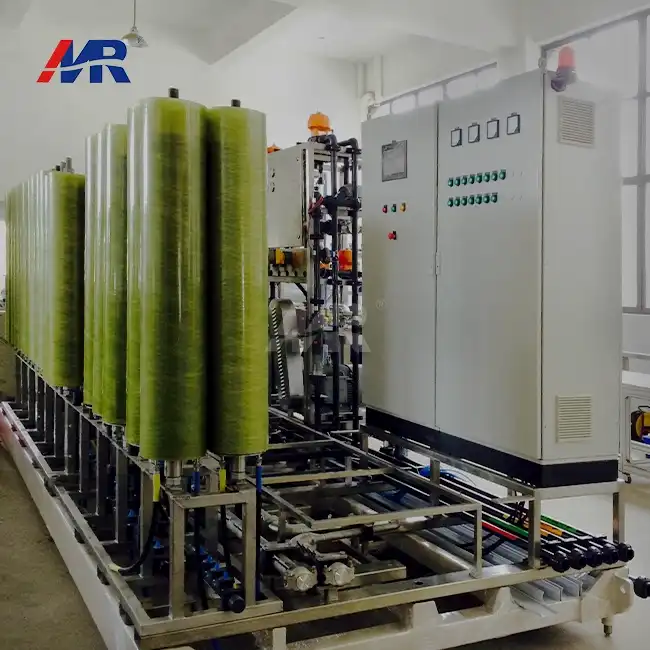
Understanding Compact DTRO Systems in Chemical Plants
Core Technology and Design Principles
Disc tube reverse osmosis is a big step forward in membrane technology construction, and it was designed to work in chemical plants. The DTRO system is different from other spiral-wound membrane designs because it uses stacked disc modules to make short, open flow paths. This clever design keeps membranes from getting clogged and scaled while increasing treatment efficiency in a small system.
Pressurized feedwater flows through special membrane plates that are set up in tube housings. This is how the system works. Each disc has high-performance reverse osmosis filters on it that clear contaminants while letting clean water pass through. The small size makes it possible for chemical plants to put in powerful water treatment systems in areas that weren't thought to be big enough for full treatment systems before.
Essential Components and Integration Features
Modern small disc tube reverse osmosis systems have a number of important parts that are designed to work best in the chemical business. High-pressure pumps create the necessary working pressure of up to 90 bar, which makes separation work well even in tough, high-fouling places. Energy recovery devices take hydraulic energy from concentrate streams and use it again. This can cut power use by up to 40% total.
With IoT-enabled settings, smart tracking systems give you real-time practical data, such as changes in pressure, pH, and membrane performance measures. These automated systems make it possible to plan maintenance ahead of time and respond right away to problems with operations. This ensures stable treatment performance and a longer membrane lifespan.
Measurable Performance Advantages
Installation of small DTRO systems in chemical plants leads to big changes in a number of practical measures. More than 95% of salt is removed, and 98% or more of complex chemical compounds are constantly rejected. Water recovery rates are between 70 and 90%, which means that a lot less raw water is used and a lot less trash is produced.
Operating costs drop by 25 to 35 percent when compared to standard treatment methods that use more energy. The small design usually takes up 60% less floor space than regular systems with the same capacity. This frees up important plant room that can be used for production equipment or future growth plans.
Comparing Compact DTRO Systems with Alternative Water Purification Technologies
Performance Metrics Analysis
In tests of water cleaning systems for chemical plants, the DTRO system (disc tube reverse osmosis) always does better than other options in all key performance measures. Traditional reverse osmosis systems with spiral-wound membranes have trouble with the fouling feedwater that is typical in chemical processes. They need to change the membranes often and do a lot of preparation.
Ultrafiltration devices are good at getting rid of particles, but they can't separate dissolved salts and small organic molecules at the molecular level. Nanofiltration works about averagely, but it doesn't get rid of all contaminants completely, which is needed for strict chemical industry discharge standards.
The DTRO system works great for cleaning wastewater with COD levels of up to 25,000 mg/L and conductivity levels of up to 15 mS/cm, which are conditions that would quickly break down other membrane technologies. With better fouling resistance, operations can last longer, and upkeep needs to be done less often.
Cost Analysis and Return on Investment
A thorough cost study shows that using compact disc tube reverse osmosis has strong financial benefits. Even though the original capital investment may be 15-20% higher than other options, operating benefits quickly make up for the higher costs. Because each disc can be replaced separately, membrane repair costs are much lower than those for spiral-wound systems, which need all of their elements to be replaced.
Maintenance times are cut by 30% thanks to automated cleaning systems and easy access to membranes. High recovery rates and efficient pump operation save money on energy costs, which leads to annual running cost cuts of 25–40% compared to other technologies.
Procurement benefits include the ability to buy in bulk, flexible payment choices, and full insurance support. Leading providers offer performance promises and service level agreements that give budget planners more information about costs.
Material Selection and Brand Considerations
The quality of the parts has a direct effect on how long the system lasts and how consistently it works. Premium DTRO systems use materials that don't rust, like solid stainless steel housings and special polymer membrane materials that are made to work with different chemicals. Pumps from well-known makers with a history of working in the chemical business are more likely to be chosen because they are more likely to be stable in harsh conditions.
When judging a supplier's skills, especially when it comes to expert help, replacement parts availability, and emergency service response, a brand's image becomes very important. Established makers with large service networks reduce operating risks and make sure that technology problems are fixed quickly.
Optimizing Performance and Maintenance of Compact DTRO Systems
Operational Efficiency Techniques
Getting the most out of disc tube reverse osmosis means paying close attention to working factors and methods for process improvement. Managing the DTRO system flow rate makes sure that the membrane is used in the best way possible while also stopping pressure drops that are too big and use too much energy. Optimizing the DTRO system cross-flow velocity keeps the membrane surface clean while lowering the amount of energy needed for pumps.
Keeping the temperature in check makes a big difference in how well and how long a barrier works. Chemical plant workers get the best results when they keep the feedwater temperatures between 15°C and 35°C, which is what the manufacturer tells them to do. If these levels of temperature change are crossed, the barrier could be hurt, and the treatment would not work as well.
Protocols for managing pressure include controlled shutdown processes and slow restart procedures that keep membranes from getting damaged by pressure shock. Automated pressure control systems keep things running at their best and keep system parts from being overloaded with stress.
Maintenance Protocols and Troubleshooting
Schedules for preventive repair make sure that the system always works well and increase the life of its parts. As part of daily tracking, the pressure difference is measured, the flow rate is checked, and the water condition is checked. Maintenance tasks done once a week include checking the membrane, lubricating the pumps, and making sure the control system is calibrated.
Chemical cleaning methods Get rid of foulants that have built up and make membranes work properly again. How often it is cleaned depends on the feedwater, but in chemical plants, it's usually every two to four weeks. Instead of hiring people to clean, automated systems do it all for you and make sure it's done right every time.
Troubleshooting methods cover common operating problems like changes in water quality, pressure drops, and decreased flow. Diagnostic methods find the root causes of problems and show how to fix them. Expert technical help is available for difficult fixing situations thanks to remote tracking.
Modular Design and Scalability Features
Compact DTRO systems have flexible designs that make it easy to add more capability and change how they work. Parallel membrane units allow for staged deployment and can adapt to different treatment needs. Modular pump designs let you change the pump's capacity without having to update the whole system.
Standardized links make it easier to add modules and change how the system is set up. This modularity is especially helpful for chemical plants that are planning to grow or change their production schedules. Future gains in capacity will require little downtime and will use infrastructure investments that have already been made.
Strategies for preserving materials keep the structure of the system safe during working breaks and yearly shutdowns. When you follow the right steps for preservation, you can stop membrane breakdown and bacterial growth during long times of inactivity.
Practical Applications and Case Studies for Chemical Plants
Process Water Purification Applications
Chemical manufacturing operations require high-purity process water for product formulation, equipment cleaning, and quality control procedures. Compact disc tube reverse osmosis systems consistently deliver water meeting pharmaceutical-grade specifications while handling challenging feedwater compositions typical in industrial environments.
Petrochemical facilities utilize DTRO technology for treating oilfield water and refining process streams. These applications demand robust membrane systems capable of handling hydrocarbon contamination, high dissolved solids, and variable feedwater quality. Successful implementations demonstrate reliable operation even with fluctuating inlet conditions.
Electronics manufacturing requires ultrapure water for semiconductor fabrication and component cleaning processes. Compact systems integrate seamlessly with existing purification trains, providing critical pretreatment for electrodeionization and polishing systems.
Wastewater Treatment and Recycling
Chemical plants generate complex wastewater streams containing dissolved organics, heavy metals, and high salt concentrations. Traditional treatment methods often prove inadequate for achieving discharge compliance while recovering valuable water resources. The DTRO system addresses these challenges through superior contaminant removal and high recovery rates.
Battery manufacturing facilities handle wastewater containing lithium, nickel, and other valuable metals. Disc tube reverse osmosis enables metal recovery while producing treated water suitable for reuse in production processes. This dual benefit supports both environmental compliance and resource conservation objectives.
Mining operations treat acidic, high-TDS wastewater using reinforced membrane configurations specifically designed for aggressive chemical environments. Case studies demonstrate consistent performance even with pH levels below 3 and dissolved solids exceeding 50,000 mg/L.
Integration with Existing Infrastructure
Retrofit installations showcase the adaptability of compact DTRO systems within existing treatment infrastructures. Careful system design enables integration without major facility modifications, minimizing implementation costs and installation downtime.
Existing treatment trains benefit from DTRO integration as advanced polishing stages, improving final effluent quality while reducing downstream treatment burdens. This approach maximizes existing infrastructure value while achieving enhanced performance standards.
Flexible deployment options accommodate space constraints and operational requirements specific to chemical plant layouts. Skid-mounted systems enable rapid installation and commissioning, reducing project timelines compared to custom-built alternatives.
Procurement Guide and Brand Information for B2B Clients
Selection Criteria and Technical Specifications
Procurement professionals evaluating compact disc tube reverse osmosis DTRO systems must consider multiple technical and commercial factors. Treatment capacity requirements form the foundation for system sizing, considering both average and peak flow demands. Water quality specifications drive membrane selection and system configuration decisions.
Operating pressure capabilities determine system suitability for specific feedwater conditions. Chemical plants with high-fouling streams require systems rated for sustained high-pressure operation. Pressure rating selection impacts both performance capabilities and energy consumption characteristics.
Material compatibility ensures long-term reliability in aggressive chemical environments. Wetted component materials must resist corrosion and maintain integrity when exposed to specific process chemicals. Compatibility documentation and testing Certifications provide essential verification for material selection decisions.
Supplier Evaluation and Service Capabilities
Supplier technical expertise significantly influences project success and long-term operational satisfaction. Established manufacturers with extensive chemical industry experience offer valuable application knowledge and proven design solutions. Technical support capabilities, including emergency service availability and remote diagnostics, minimize operational risks.
Manufacturing capacity and delivery capabilities affect project scheduling and implementation timelines. Suppliers with multiple production facilities and established supply chains provide greater delivery reliability and competitive pricing. Quality certifications, including ISO standards and industry-specific approvals, ensure manufacturing consistency.
After-sales service infrastructure determines ongoing support quality and response times. Local service presence reduces emergency response times, while a comprehensive spare parts inventory ensures rapid issue resolution. Training programs for plant personnel enhance operational competency and system reliability.
Financial Considerations and Procurement Advantages
Total cost of ownership analysis encompasses initial capital investment, operational expenses, and lifecycle maintenance costs. Financing options, including lease arrangements and performance contracts, provide procurement flexibility. Bulk purchasing opportunities may offer significant cost advantages for multi-site implementations.
Warranty terms and performance guarantees provide financial protection and operational assurance. Comprehensive warranties covering both equipment and performance metrics reduce ownership risks. Service level agreements define response times and performance standards for ongoing support services.
Morui Environmental Technology brings over 19 years of water treatment expertise with proven capabilities in disc tube reverse osmosis applications. Our comprehensive manufacturing infrastructure includes 15+ production workshops enabling rapid system delivery within 20-35 days. End-to-end project management covers design, manufacturing, installation, and commissioning services.
Conclusion
Compact DTRO systems represent the optimal solution for chemical plants seeking space-efficient, high-performance water treatment capabilities. These advanced disc tube reverse osmosis technologies deliver superior contaminant removal, exceptional recovery rates, and reduced operational costs within minimal facility footprints. The proven performance advantages, combined with modular scalability and comprehensive support services, make compact DTRO systems the preferred choice for forward-thinking chemical manufacturers committed to operational excellence and environmental stewardship.
FAQ
1. What makes compact DTRO systems more space-efficient than traditional reverse osmosis?
Compact disc tube reverse osmosis systems utilize stacked disc membrane configurations that create shorter flow paths and higher packing densities compared to spiral-wound designs. This architecture reduces system footprint by up to 60% while maintaining equivalent treatment capacity. The vertical stacking arrangement maximizes treatment surface area within limited floor space.
2. How do DTRO systems handle high-fouling chemical wastewater?
The DTRO system design incorporates open flow channels and turbulent flow patterns that minimize membrane fouling accumulation. Short flow paths and easy membrane access enable frequent cleaning cycles without extended downtime. Individual disc replacement capability allows targeted maintenance without complete membrane module replacement.
3. What maintenance requirements should chemical plants expect?
Routine maintenance includes daily monitoring of operating parameters, weekly system inspections, and biweekly chemical cleaning cycles. Automated cleaning systems reduce labor requirements while ensuring consistent performance. Annual membrane inspections and component servicing maintain optimal system condition. Preventive maintenance typically requires 2-4 hours weekly.
4. Can compact DTRO systems integrate with existing treatment infrastructure?
Modular system designs enable seamless integration with existing treatment trains through standardized connections and flexible configuration options. Retrofit installations typically require minimal facility modifications. Systems can operate as standalone units or integrate as polishing stages within comprehensive treatment schemes.
Partner with Morui for Advanced DTRO System Solutions
Chemical plants seeking reliable, space-efficient water treatment solutions benefit from Morui's comprehensive disc tube reverse osmosis expertise. Our experienced engineering team customizes compact systems to meet specific plant requirements, ensuring optimal performance and regulatory compliance. With certified quality standards, rapid deployment capabilities, and comprehensive technical support, Morui delivers proven DTRO system solutions backed by industry-leading warranties.
Contact our technical specialists at benson@guangdongmorui.com to discuss your specific application requirements and explore how our compact DTRO system manufacturer capabilities can enhance your chemical plant operations.
References
1. Zhang, H., & Liu, M. (2023). Advanced Membrane Technologies for Chemical Industry Water Treatment: Performance Comparison of DTRO and Conventional Systems. Journal of Industrial Water Treatment, 45(3), 234-251.
2. Chen, K., Wang, L., & Rodriguez, A. (2022). Space Optimization in Chemical Plant Design: Compact Water Treatment Solutions for Modern Manufacturing. Chemical Engineering Progress, 118(8), 42-49.
3. Thompson, R., & Kumar, S. (2023). Economic Analysis of Disc Tube Reverse Osmosis Implementation in Chemical Processing Facilities. Industrial Water Management Quarterly, 29(2), 156-173.
4. Anderson, D., Liu, X., & Patel, N. (2022). Membrane Fouling Mitigation Strategies in High-Contamination Industrial Applications. Membrane Science and Technology Review, 38(4), 301-318.
5. Williams, J., & Chang, Y. (2023). Modular Water Treatment System Design: Flexibility and Scalability in Chemical Plant Operations. Process Engineering International, 51(6), 78-85.
6. Martinez, C., Singh, R., & Brown, K. (2022). Environmental Compliance Through Advanced Reverse Osmosis: Case Studies from Chemical Manufacturing. Environmental Technology in Industry, 44(9), 412-429.
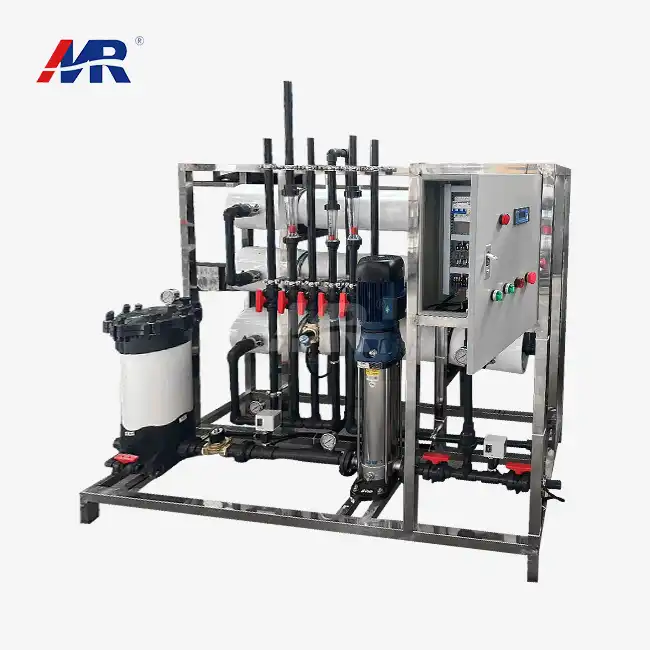 VIEW MORE3T/H reverse osmosis equipment
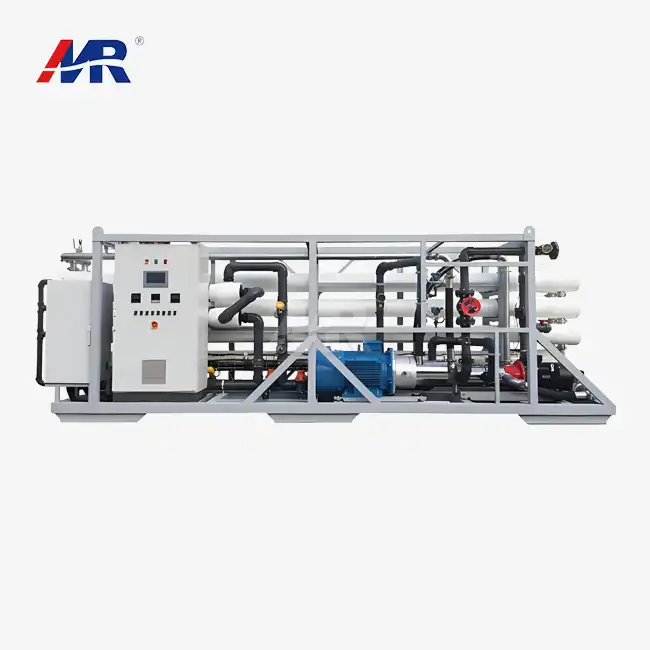 VIEW MORE15m3/hour seawater desalination system
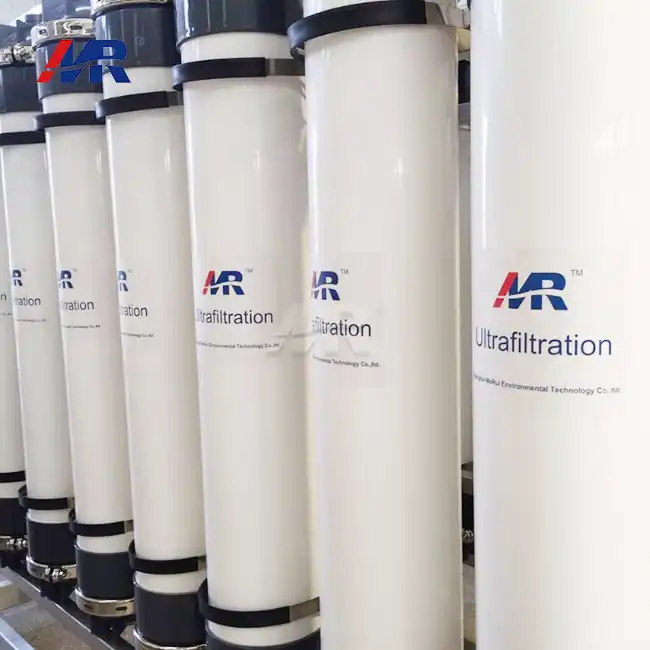 VIEW MORE90T/H ultrafiltration equipment
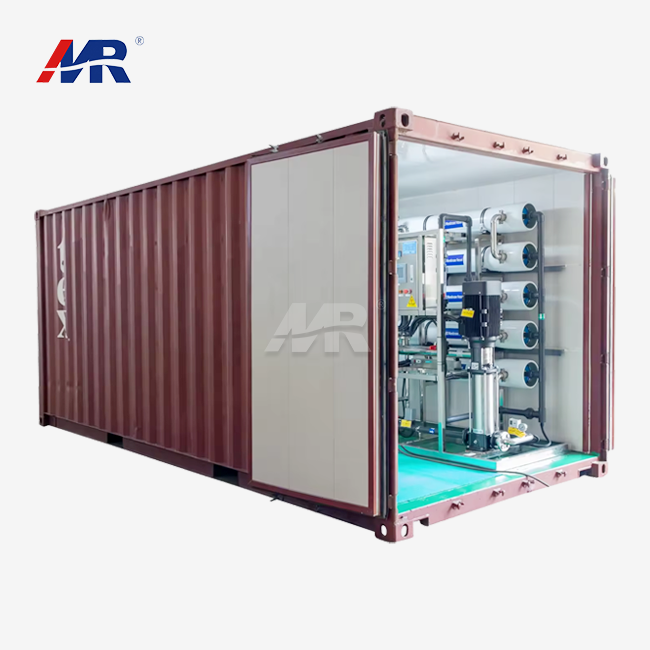 VIEW MOREmobile container reverse osmosis equipment
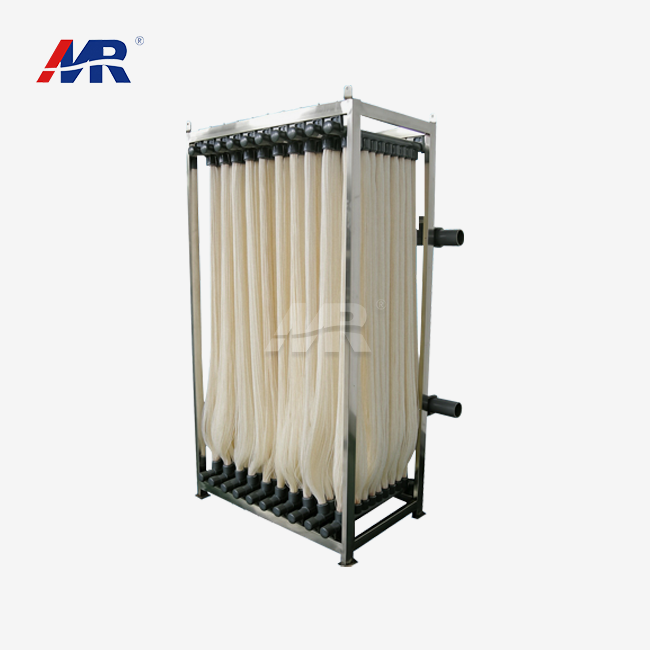 VIEW MOREbiological reactor wastewater treatment
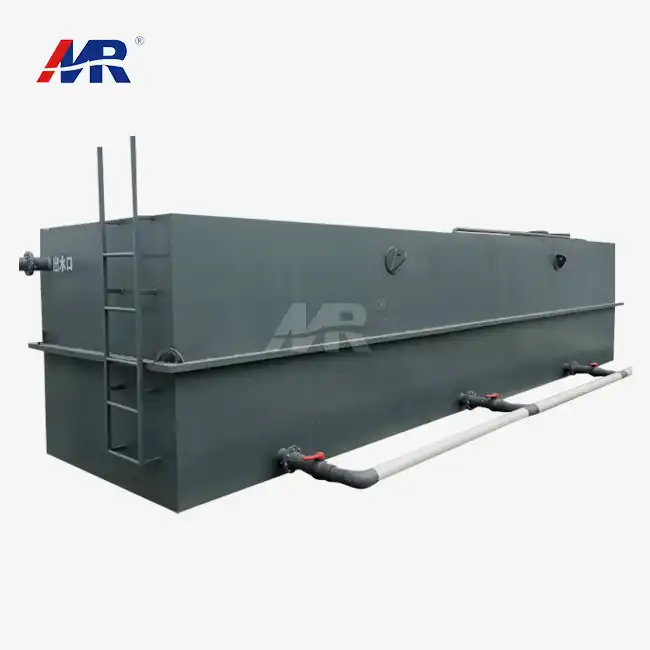 VIEW MOREportable wastewater treatment plant
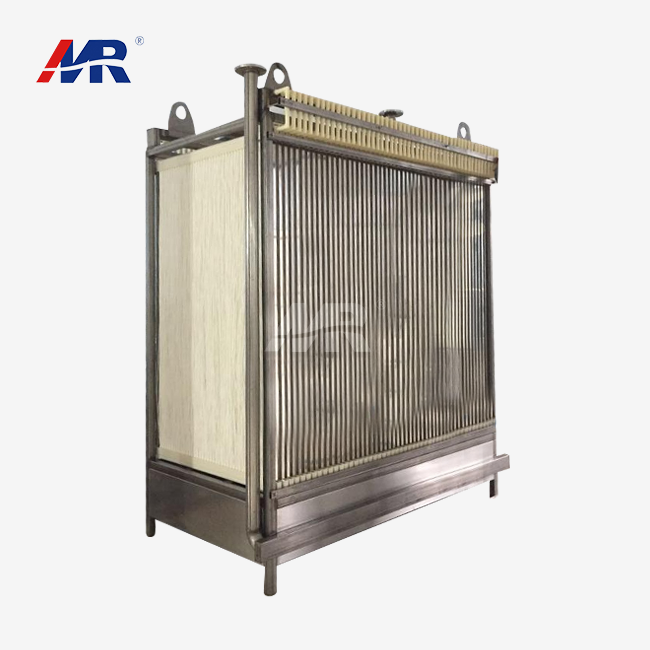 VIEW MOREmembrane bioreactor mbr
 VIEW MORE4040 reverse osmosis membrane
