_1745823981883.webp)

China vs Europe RO Equipment for Argentina Industrial Buyers
When looking at container RO equipment for the industry sector in Argentina, buyers have to choose between manufacturers from China and Europe. Containerized reverse osmosis technology is better in some places than others. China offers scalable, cost-effective solutions, while Europe offers precision-engineered systems with strict quality standards. It is important to understand these differences for Argentina's wide range of industries, from food processing companies to pharmacy facilities, where the needs for water cleanliness change greatly from one use to the next.
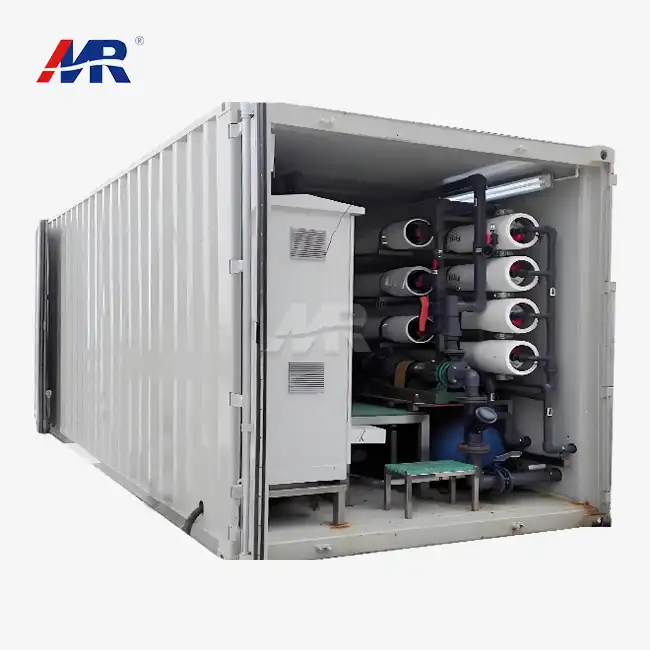
Overview of Container RO Equipment Market for Argentina Industrial Buyers
Argentina's industrial water treatment system has its own problems that make people want more advanced filter options. The vast geography of the country and the fact that water quality varies across it, along with growing worries about shortages and changing rules, makes it hard for corporate buyers to make purchases. Because water sources vary from region to region, buildings in Buenos Aires need to clean water in different ways than those in Mendoza or Córdoba.
Market Growth Trends and Regional Response
The market for containerized reverse osmosis has grown a lot as makers from China and Europe try to meet Argentina's changing manufacturing needs. Chinese providers have put a lot of effort into making flexible, scalable production systems that can be quickly set up in many places. Their approach to manufacturing is based on finding cost-effective solutions that can meet different capacity needs while keeping operations running smoothly.
European makers have a different method. They put a high value on precise engineering and full approval compliance. Their systems usually have high-tech tracking tools and strict quality control methods that are in line with global standards for food and drug safety. This attention on following the rules is especially appealing to international companies that do business in Argentina and need worldwide standards that are the same everywhere.
Manufacturing Philosophy Differences
The main difference between the Chinese and European ways of doing things is how they make things. With a focus on flexibility and quick rollout, Chinese manufacturers use economies of scale to make solutions that are both cost-effective and easy to use. The parts in their containerized systems are usually standard, which makes upkeep and replacement easier.
Precision engineering, long-term dependability, and full compliance documents are important to European makers. Their systems often use advanced technologies that were created through a lot of research and development. This makes equipment that gets the strictest standards needed by the pharmaceutical and high-tech manufacturing industries.
Technical Comparison: China vs. Europe Container RO Equipment
To compare the technical specs and performance of Chinese and European container ro equipment, you need to look at a lot of different operating factors. Modern RO equipment for containers from both regions uses advanced membrane technologies, but the ways they are put to use are very different depending on the region's knowledge and market placement strategies.
Core Technology and System Design
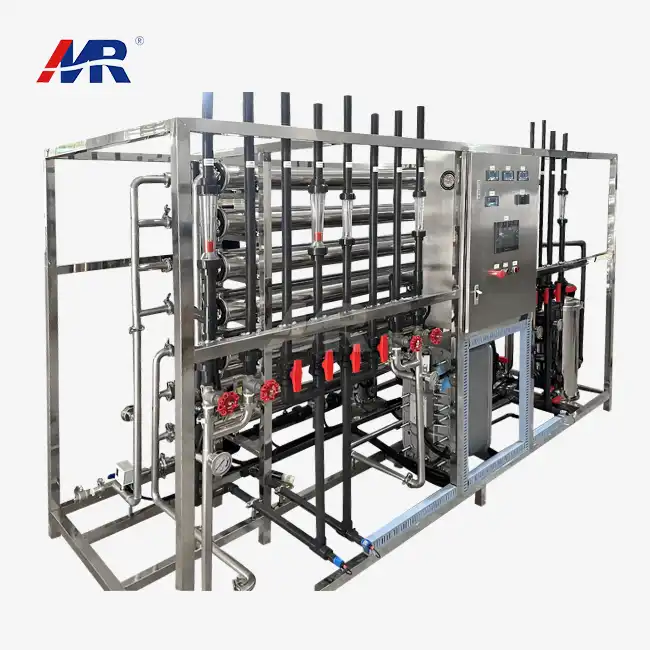
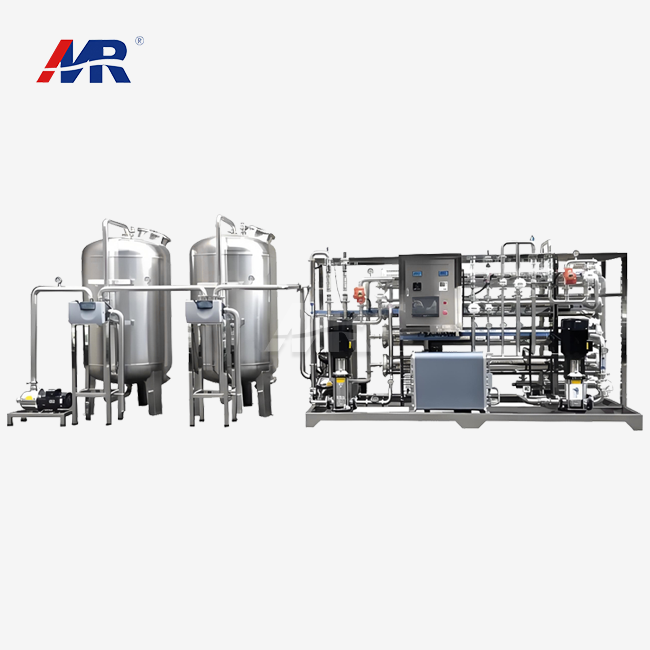
Chinese RO systems that come in containers usually have strong, standard designs that are made to be cost-effective and easy to maintain. These systems usually use high-rejection, low-fouling ro membranes that can handle between 50 and 500 m³/day, based on how the containers are set up. The flexible design philosophy lets you just plug it in and start using it. It uses about 3 to 4 kWh/m³ of power and can restore up to 75% of that.
Control tools in European systems are often more advanced, and they can automate tasks better. Precision engineering and complex tracking systems that give real-time performance data are important to their design mindset. European makers often use their own membrane technologies that were made to work with difficult water conditions. However, this level of specialization usually requires a bigger initial investment.
Performance Metrics and Efficiency Analysis
Energy use is a key success measure for business buyers who are looking at long-term costs of operations. Chinese systems usually work well and have normal energy economy scores that meet foreign standards. Their simple approach to design makes upkeep and replacing parts easier, which helps keep running costs consistent.
European systems often use less energy than other systems because they use more modern pump technologies and control methods. These gains in efficiency are especially important for large-scale operations, where small drops in power use can save a lot of money over the life of the equipment. But because these systems are so complicated, they may need to be maintained by people who know how to do it right.
Advanced Features and Monitoring Capabilities
The ability to watch operations from a distance is now an important part of many modern business processes. Standard tracking kits with simple data and alarm features are usually what Chinese companies sell. These systems give you important working info while keeping the user interface and debugging steps simple.
In Europe, systems often have full tracking tools that can do predicted repair and use advanced data analytics. These features make it possible to schedule predictive repair and improve operating factors. However, building staff may need more training, and the software support costs may go up over time.
Cost and Procurement Considerations for Argentina Buyers
When doing a financial study of purchasing container RO equipment, you have to look at more than just the original buy price. When figuring out the total cost of ownership, you have to think about how long the tools will last, how much energy they will use, and how close you are to getting help. These things have a big effect on how economically viable different supply choices are for businesses in Argentina.
Initial Investment and Total Cost Analysis
Chinese container RO equipment usually has low starting prices that appeal to buyers on a budget and smaller businesses. Standardized making allows for lower prices when buying in bulk, and flexible design lets you add more capacity as your business needs it. This flexibility is especially helpful for businesses that want to expand their facilities in stages or try out new market possibilities.
European equipment usually costs more at first, but it may be worth it in the long run because it is more efficient and has longer component lifecycles. Precision production usually leads to less upkeep and more stable costs for running the business. The safety and quality assurance paperwork that European providers provide may be enough to explain higher prices in pharmaceutical and high-tech manufacturing settings.
Supplier Reliability and Service Considerations
To figure out how reliable a seller is, you need to look at their past performance in similar industries and markets. Chinese companies usually have large global marketing networks and well-established supply lines that can help businesses in Argentina. Their standard approach to components makes it easier to get parts and lessens their reliance on specialized service providers.
European providers often offer full-service packages with specialized technical help, but the price may be higher for this level of knowledge. Because they have been in foreign markets for a long time, they usually offer strong support programs and performance promises that make big investments safer.
Logistical Factors and Local Support
Shipping and installation procedures are important things for buyers in Argentina to think about. Container-based systems are easier to move and set up, but different providers have different customs processes and local rules that must be followed. Chinese companies that make goods usually already have established shipping methods and business partnerships that make getting their goods to South American markets quickly and easily.
European providers might offer more complete installation and setup services, such as training on-site and improving performance. It's important to have access to local technology help for ongoing operations, especially in rural areas where quick reaction times are needed to keep output plans.
How to Choose the Right Container RO Equipment for Argentina's Industrial Needs
Implementing a systematic evaluation framework helps industrial buyers navigate complex procurement decisions while balancing technical requirements with economic constraints. The decision-making process should consider Argentina's specific operational environment, including water quality characteristics, regulatory requirements, long-term capacity planning objectives, and container ro equipment specifications.
Defining Procurement Scenarios and Requirements
Argentina's diverse industrial landscape requires customized approaches to water treatment system selection. Food and beverage operations need systems capable of meeting strict purity standards while handling seasonal capacity variations. Pharmaceutical facilities require equipment with comprehensive documentation and validation capabilities that support regulatory compliance requirements.
Manufacturing operations in remote locations prioritize reliability and ease of maintenance over advanced features. Mining and energy sector applications often require systems capable of handling challenging feed water conditions with minimal operator intervention. Understanding these operational contexts helps buyers prioritize relevant equipment characteristics during evaluation processes.
Core Performance Metrics and Evaluation Criteria
Establishing objective evaluation criteria enables systematic comparison of competing equipment options. Capacity requirements must align with current and projected production needs while considering potential expansion scenarios. Water quality specifications should reflect regulatory requirements and downstream process sensitivities to ensure adequate treatment performance.
Energy efficiency calculations should incorporate local utility costs and anticipated operating schedules. Maintenance requirements and component lifecycle expectations directly impact ongoing operational costs and personnel training needs. These factors require careful weighting based on organizational priorities and operational constraints specific to Argentina-based facilities.
Balancing Technical Capabilities with Economic Constraints
The evaluation process must balance technical performance with economic realities while considering long-term strategic objectives. Organizations with multiple facilities may prioritize standardization benefits that simplify maintenance and operator training requirements. Companies focused on premium product markets might emphasize advanced quality control capabilities that support brand positioning objectives.
Risk assessment should consider supplier stability, parts availability, and service support quality. Backup system requirements and redundancy planning become particularly important for critical production processes where water treatment interruptions could result in significant economic losses or regulatory compliance issues.
Case Studies and Practical Application Examples
Real-world implementation experiences with containers ro equipment provide valuable insights into practical considerations that influence equipment selection and operational success. These examples illustrate how theoretical comparisons translate into actual performance outcomes across different industrial applications and operational environments within Argentina's manufacturing sector.
Food and Beverage Industry Implementation
A major beverage manufacturer in Buenos Aires evaluated Chinese and European containerized RO systems for a new production facility. The Chinese system offered 40% lower initial cost with modular expansion capabilities that aligned with phased production planning. Installation and commissioning required three weeks with standard Technical support, achieving target production capacity within projected timelines.
The European alternative provided enhanced automation capabilities and comprehensive process documentation that supported international quality Certifications. However, the premium pricing and longer delivery schedule ultimately made the Chinese solution more attractive for this application. Operational performance after eighteen months demonstrated consistent water quality meeting all production requirements with predictable maintenance schedules.
Pharmaceutical Manufacturing Application
A pharmaceutical facility in Córdoba required equipment meeting stringent GMP standards with comprehensive validation documentation. European suppliers provided extensive compliance packages and specialized technical support throughout installation and qualification processes. The higher initial investment was justified by reduced validation time and simplified regulatory approval procedures.
Chinese manufacturers offered comparable technical performance but required additional validation work and extended documentation review processes. While the Chinese systems met all technical requirements, the pharmaceutical company ultimately selected European equipment based on comprehensive compliance support and an established regulatory track record in similar applications.
Industrial Process Water Treatment
A chemical processing facility in Rosario implemented Chinese containerized RO equipment for process water treatment serving multiple production lines. The modular design enabled staged installation that minimized production disruptions while providing operational flexibility for varying capacity requirements. Standard maintenance procedures and readily available replacement components supported reliable operations with minimal downtime.
The cost-effective solution delivered consistent performance, meeting all process water specifications while providing expansion capabilities for future production growth. Local technical support proved adequate for routine maintenance requirements, though specialized troubleshooting occasionally required remote assistance from manufacturer technical teams.
Conclusion
Selecting optimal container RO equipment for Argentina's industrial applications requires careful evaluation of technical capabilities, economic factors, and long-term operational objectives. Chinese suppliers offer cost-effective solutions with proven reliability and scalable modular designs that suit diverse operational requirements. European manufacturers provide precision-engineered systems with advanced features and comprehensive compliance documentation ideal for regulated industries. The decision ultimately depends on specific operational priorities, regulatory requirements, and economic constraints unique to each industrial application. Understanding these trade-offs enables informed procurement decisions that deliver optimal value throughout equipment lifecycles.
FAQ
Understanding common concerns and questions from Argentina's industrial buyers helps clarify decision-making processes and build confidence in equipment selection. These frequently asked questions address practical considerations that influence procurement decisions across diverse manufacturing and processing applications.
1. How do containerized RO systems compare to traditional fixed installations?
Containerized reverse osmosis systems offer significant advantages in deployment flexibility and initial investment requirements compared to traditional fixed installations. The modular approach enables rapid deployment with minimal civil works while providing relocation capabilities that suit changing operational needs. Standard container dimensions facilitate transportation using existing logistics infrastructure, reducing installation complexity and associated costs.
Maintenance access and component replacement procedures are optimized within container designs, often providing better accessibility than custom-built installations. The factory-assembled and tested approach ensures consistent quality control while reducing on-site installation risks and timeline uncertainties commonly associated with traditional construction approaches.
2. What maintenance requirements should Argentina buyers expect?
Modern container RO equipment features simplified maintenance procedures designed for standard industrial facility capabilities. Routine maintenance typically involves membrane cleaning procedures, filter element replacement, and basic system inspections that can be performed by trained facility personnel. Predictive maintenance capabilities enable proactive scheduling that minimizes production disruptions.
Component lifecycle expectations vary based on water quality conditions and operational parameters, though standardized design approaches facilitate parts availability and replacement procedures. Remote monitoring capabilities provide early warning of potential issues, while comprehensive documentation supports efficient troubleshooting and maintenance planning.
3. Are energy-efficient models available for different industrial scales?
Contemporary container RO systems incorporate advanced energy recovery technologies and efficient pump designs that significantly reduce operational costs compared to older generation equipment. Variable frequency drives and smart control algorithms optimize energy consumption based on real-time operational requirements while maintaining consistent water quality output.
Scalability options enable right-sizing equipment capacity to match actual operational needs, avoiding energy waste associated with oversized installations. Modular expansion capabilities allow incremental capacity increases that maintain optimal energy efficiency as production requirements grow over time.
Partner with Morui for Your Container RO Equipment Needs
Industrial buyers seeking reliable container ro equipment manufacturer partnerships will find comprehensive solutions through Morui's extensive technology portfolio and service capabilities. Our customizable systems address Argentina's unique water treatment challenges while providing the scalability and reliability essential for successful industrial operations. With proven expertise across pharmaceutical, food processing, and manufacturing applications, we deliver integrated solutions that optimize both performance and cost-effectiveness. Contact our technical team at benson@guangdongmorui.com to discuss your specific requirements and discover how our container ro equipment for sale can enhance your operational efficiency.
References
1. Industrial Water Treatment Market Analysis for Latin American Manufacturing Sectors, 2023 Edition, Water Technology Research Institute.
2. Comparative Study of Containerized Reverse Osmosis Systems in South American Industrial Applications, Journal of Industrial Water Management, Volume 45, 2023.
3. Argentina Industrial Water Quality Standards and Compliance Requirements for Manufacturing Facilities, Argentine Ministry of Environment and Sustainable Development, 2023.
4. Cost-Benefit Analysis of Modular Water Treatment Systems in Emerging Markets, International Water Association Technical Report, 2023.
5. Performance Evaluation of Portable RO Systems in Food and Beverage Manufacturing: A Multi-Regional Study, Water Treatment Technology Quarterly, Issue 3, 2023.
6. Supply Chain Dynamics in Global Water Treatment Equipment Markets: Focus on South American Industrial Buyers, Industrial Equipment Procurement Analysis, 2023.