_1745823981883.webp)

China vs Local: Container RO Equipment for Peru Industrial Use
Procurement managers in Peru have to choose between Chinese makers and local sellers when they are looking at container RO equipment choices for the country's industrial market. Chinese containerized reverse osmosis systems usually have advanced membrane technologies, low prices, and a history of being able to be scaled up. On the other hand, local sellers offer benefits like faster reaction times and knowledge of the area. Both choices have their own benefits that need to be carefully considered along with quality standards, total cost of ownership, and long-term support options in order to find the best answer for Peru's various industrial water treatment needs.
Understanding Container RO Equipment and Its Industrial Applications in Peru
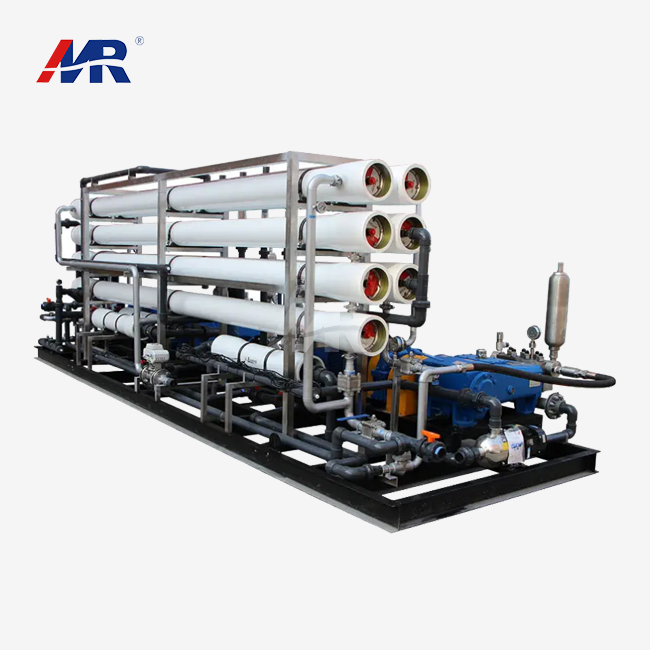
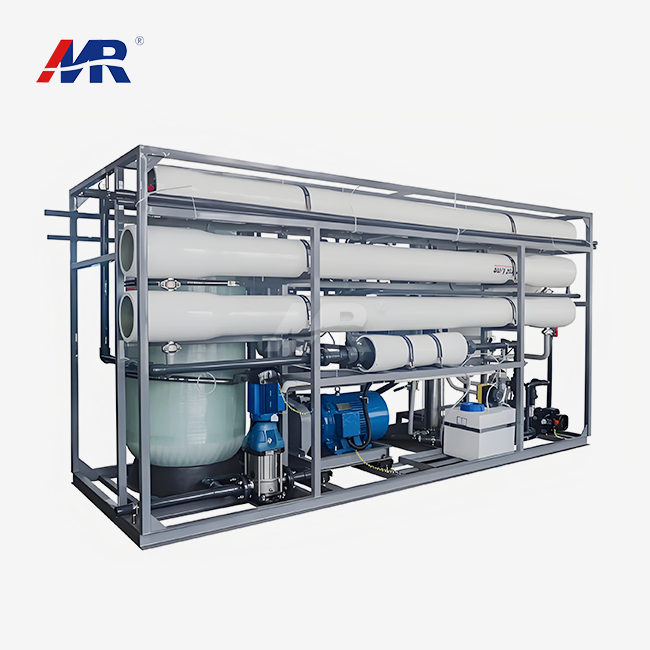
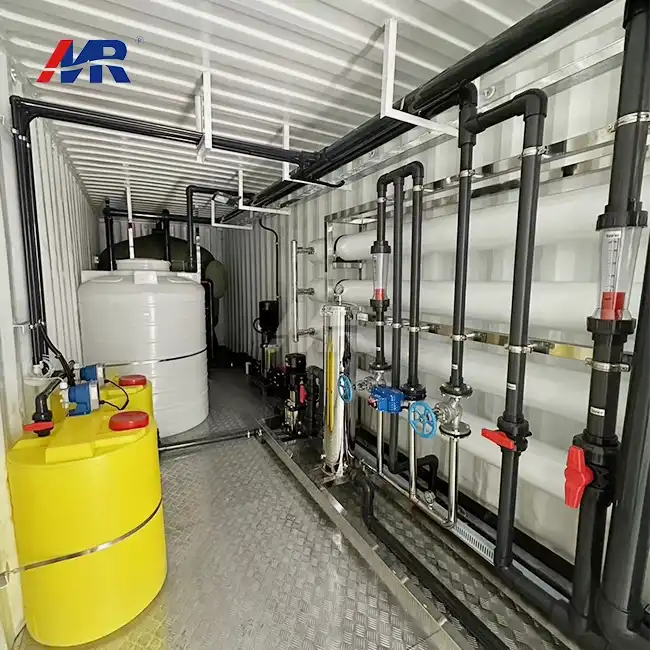
Container reverse osmosis systems are a completely new way to clean water for factories. They use advanced membrane technology inside normal shipping containers. With these self-contained units, you can quickly and easily clean large amounts of water all over Peru's tough industrial landscape.
Core Components and Technology
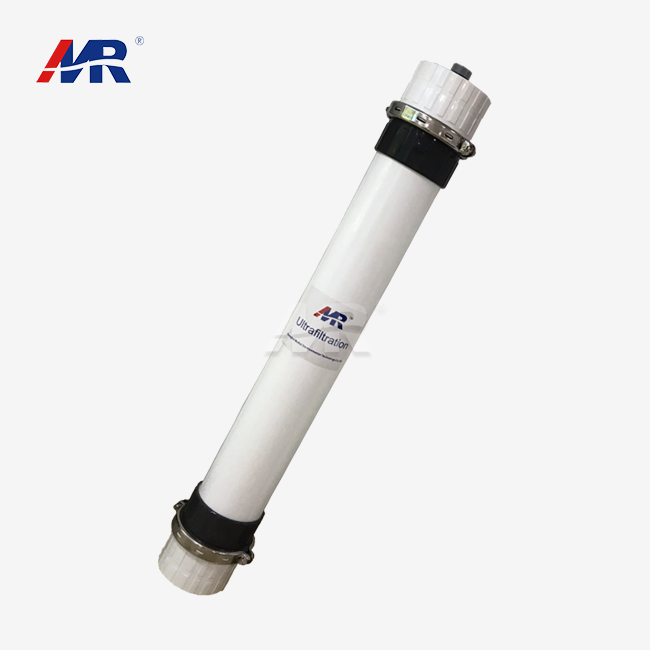
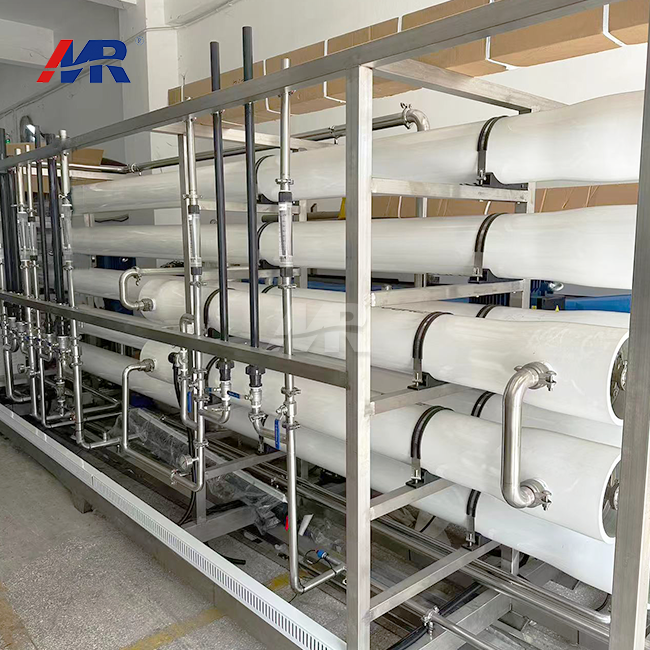
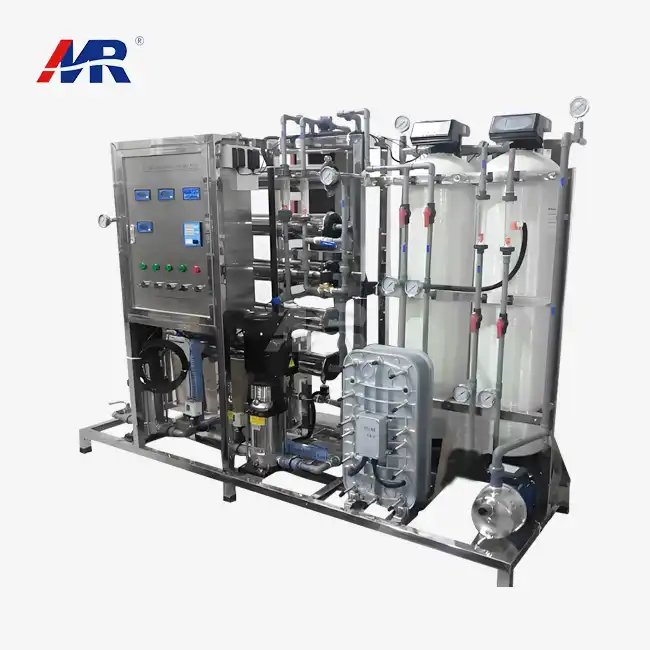
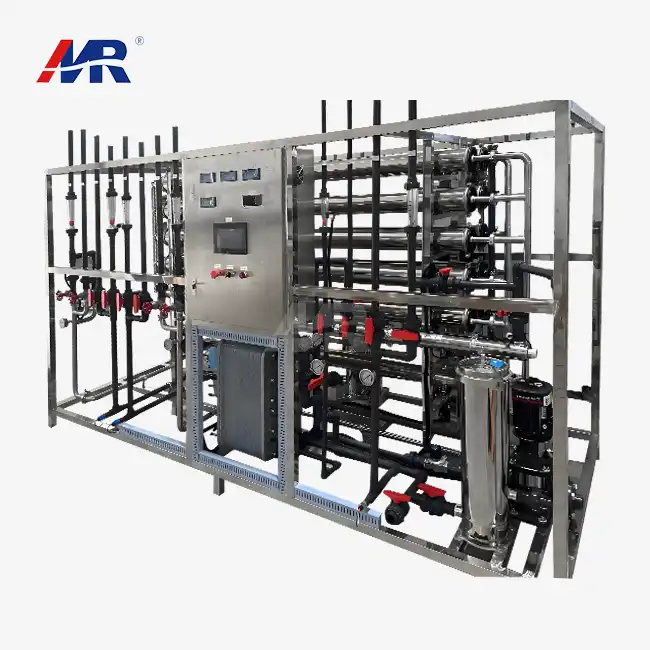
Modern RO systems that come in containers have several cleaning steps packed into a small space. In a normal process, the first step is to bring in raw water. Next, multimedia filters, activated carbon, and microfiltration systems are used for pretreatment filtration. The most important part of these units is their high-rejection, low-fouling ro membranes, which get rid of contaminants well while using little energy. Advanced tracking and control systems make sure that the system works at its best in all kinds of circumstances.
These systems have great technical specs. They can handle 50 to 500 cubic meters of trash per day and use as little as 3 to 4 kWh of power per cubic meter. Recovery rates can go as high as 75%, which makes them perfect for industry uses where saving water is very important. These units are flexible enough to meet the needs of different sites and volume needs because they come in both 20-foot and 40-foot container sizes.
Strategic Applications Across Peru's Industries
Containerized water cleaning options are very helpful for Peru's industry areas. Peru's economy is based on mining, which needs stable water treatment for processing and to meet environmental standards. Because container systems are mobile, mining companies can set up water treatment facilities in rural areas where building standard infrastructure would be too expensive.
These methods are used by factories, especially those that make food and drinks, to make sure of the quality of their Products and that they follow the rules. Containerized RO equipment is used by the pharmacy and laboratory businesses to make clean water that meets strict GMP standards. Even though the electronics industry in Peru is small, it needs ultrapure water for cleaning processes that need to be done very carefully. This makes these flexible systems a good investment.
As Peru's farmland that is focused on exports grows, agricultural apps have become more important. Container RO equipment can treat salty water so that it can be used for watering in coastal desert areas, which helps the country's farms grow. These systems are also used by municipal water treatment plants as backups in case of an emergency or to add to the infrastructure that is already there during times of high demand.
China vs. Local: Comparison of Container RO Equipment for Peru Industrial Use
When choosing between Chinese and local sellers, there are many things to think about besides the original buy price. Every choice has its own pros and cons that need to be weighed against daily needs and long-term strategy goals.
Chinese Manufacturer Advantages
Through big advances in research and development, Chinese companies have become the leaders in containerized water treatment technology. Most of the time, these businesses offer cutting-edge membrane technologies that work better in the rough water conditions that are popular in Peru. Because Chinese systems are made on a large scale, they can offer low prices without sacrificing quality. This makes them appealing to commercial buyers who want to save money.
Another big benefit is that products are standardized, and Chinese makers often use tried-and-true designs that have been used successfully in similar industrial settings around the world. Because they've worked with foreign markets before, these systems often have features that are made to work well in growing markets. For example, they use strong materials and make upkeep easier.
Chinese makers are still moving forward thanks to new technologies. For example, many of them are making designs that use less energy, which lowers costs over the life of the equipment. Automatic control systems and the ability to watch operations from afar make them more reliable while lowering the need for expert technical staff on-site.
Local Supplier Strengths
Local providers offer specific benefits based on their closeness and knowledge of the area. When you work with providers in Peru, you get faster responses for technical help, emergency fixes, and regular upkeep. This closeness directly leads to more uptime for operations and lower costs that come with longer machine downtime.
Cultural and language similarity makes conversation easier at all stages of a project, from creating the original specifications to providing ongoing expert help. Local providers often know more about Peru's rules and regulations, the environment, and unique business needs, which lets them offer more focused solutions.
Working with nearby sources makes it easier to get spare parts because it's easier to keep track of supplies and move things around. Most of the time, emergency substitute parts can be found and sent within days instead of weeks. This is very important for industry settings where water treatment problems can stop production.
Comparative Analysis Framework
When buying teams look at these choices, they shouldn't just look at the original capital costs but also the total cost of ownership. While Chinese goods might be cheaper up front, local providers may offer better long-term value by reducing operating delays and fixing problems more quickly.
Quality standards and licenses need to be carefully looked over for containers or equipment no matter where the seller comes from. Both Chinese and local providers can offer containers ro equipment that meet foreign standards, but the ways that they check the container or equipment and make sure it's of good quality may be very different. When they are buying something, industrial buyers should set clear quality standards and check-up procedures for the container or equipment.
How to Choose the Right Container RO Equipment for Your Industrial Needs in Peru?
To choose the right containerized RO systems, you need to carefully look at the technical needs, working limitations, and cost factors. Before making a choice, it's important to look at all the problems with water quality and the cleaning goals that are unique to each commercial use.
Technical Specification Development
Water research is the first step in choosing the right system because the quality of the feed water has a direct effect on the choice of membrane, the amount of pretreatment needed, and the general design of the system. Because Peru has such a varied landscape, the water quality is also very different. For example, ocean waters that are high in salt and mountain streams that are high in minerals need different ways to be treated.
When planning for capacity, it's important to think about both present needs and expected future growth. There are often yearly changes or growth phases in industrial processes that need more water treatment capacity. Modular container systems let you increase capacity by adding more pieces instead of changing whole systems.
As electricity costs affect the economy of operations, energy saving becomes more and more important. When compared to older technologies, modern container systems use a lot less power because they have variable frequency drives, energy recovery devices, and better membrane designs.
Integration and Implementation Factors
The steps needed to prepare the site are very different depending on the type of container and the manufacturer's instructions. Most of the time, Chinese systems come with a standard base and utility hookups. On the other hand, local providers may be able to give more customized interface solutions. Knowing these needs early on in the decision process keeps you from having to make expensive changes during installation.
The training and technical help for operators should match the skills of the staff that is accessible and the ongoing needs of the business. Some factories like systems that don't need much help from operators, while others may have technical staff that can handle more complicated tasks to make things run more smoothly.
Economic Evaluation Methods
The total cost study should include the initial investment, the cost of installation, the continued costs of running the business, and the expected upkeep needs over the lifetime of the equipment. Chinese makers often give accurate figures of running costs based on a lot of field experience. On the other hand, local providers may be able to give more accurate estimates for conditions in Peru.
Financing choices, such as leasing agreements for containers or equipment, can give businesses that are limited in their capital expenditures more options. Some Chinese makers offer good financing terms for foreign sales of containers or equipment, while local sellers may offer more open payment plans for containers ro equipment that work better with the way businesses work in Peru.
Maintenance, Troubleshooting, and Maximizing ROI of Container RO Equipment
Successful operation of containerized RO systems depends heavily on proactive maintenance practices and systematic performance monitoring. These practices directly impact equipment reliability, operational costs, and return on investment across the system lifecycle.
Preventive Maintenance Protocols
Regular membrane cleaning schedules represent the most critical maintenance activity for container RO systems. Membrane fouling patterns vary based on feed water quality and operational conditions, requiring customized cleaning protocols. Chinese manufacturers typically provide detailed maintenance manuals based on global experience, while local suppliers may offer more hands-on training and support.
Pre-treatment system maintenance, including filter replacement and chemical dosing system calibration, requires consistent attention to prevent downstream membrane damage. Monitoring pressure differentials, flow rates, and water quality parameters provides early warning of potential issues before they impact production.
Control system maintenance involves regular calibration of sensors, backup of operational data, and software updates when available. Modern container systems incorporate remote monitoring capabilities that enable predictive maintenance scheduling based on actual operating conditions rather than fixed time intervals.
Performance Optimization Strategies
Operational parameter optimization can significantly improve system efficiency and extend membrane life. Recovery rate adjustments, pressure optimization, and chemical dosing refinements should be based on continuous monitoring of water quality and system performance data.
Energy management through proper scheduling of system operation, utilization of variable frequency drives, and optimization of cleaning cycles can reduce operational costs substantially. Some facilities achieve 20-30% energy savings through systematic optimization of operating procedures.
Troubleshooting Common Issues
Pressure drop issues often indicate membrane fouling or pretreatment system problems. Systematic diagnosis protocols help identify root causes quickly, minimizing production disruptions. Chinese systems typically include comprehensive diagnostic capabilities, while local suppliers may provide more direct troubleshooting support.
Water quality deviations in a container ro equipment require immediate attention to prevent product quality issues or regulatory compliance problems. Understanding the relationship between system performance parameters and output water quality enables rapid response to emerging issues.
Conclusion
The choice between Chinese and local container or equipment suppliers for Peru's industrial applications involves balancing multiple factors, including technology capabilities, cost considerations, and support infrastructure. Chinese manufacturers like Morui offer advanced technology, competitive pricing, and proven reliability, while local suppliers provide proximity advantages and regional expertise. Successful procurement decisions require comprehensive evaluation of total cost of ownership, technical specifications, and long-term support requirements. The containerized approach to industrial water treatment continues gaining popularity due to its flexibility, rapid deployment capabilities, and scalable nature. Industrial buyers should focus on finding suppliers who can demonstrate relevant experience, provide comprehensive support, and offer systems specifically suited to Peru's challenging operating conditions.
FAQ
1. What are the main differences between Chinese and local container RO suppliers?
Chinese manufacturers typically offer advanced technology, competitive pricing, and standardized designs based on global experience. Local suppliers provide faster response times, cultural compatibility, and better understanding of Peru's specific regulatory and environmental conditions. The choice depends on priorities regarding cost, technology requirements, and support preferences.
2. How do I determine the right capacity for my industrial application?
Capacity selection requires analysis of current water demand, peak usage periods, and anticipated growth. Consider seasonal variations, production schedules, and backup requirements. Professional water treatment consultants can help evaluate these factors and recommend appropriate system sizing with adequate safety margins.
3. What maintenance requirements should I expect?
Regular membrane cleaning, pretreatment filter replacement, and control system calibration represent the primary maintenance activities. Maintenance frequency depends on feed water quality and operating conditions. Proper maintenance typically requires 2-4 hours weekly for routine tasks, with major cleaning procedures quarterly or semi-annually.
4. How do financing options differ between suppliers?
Chinese manufacturers often provide competitive financing terms for international sales, including equipment leasing and extended payment arrangements. Local suppliers may offer more flexible terms suited to Peruvian business practices but potentially at higher interest rates. Evaluate total financing costs, including currency exchange considerations.
5. What certifications and standards should I require?
Industrial container RO systems should meet relevant international standards such as NSF, CE marking, or equivalent Certifications. Verify that suppliers can provide documentation of quality management systems, membrane certifications, and compliance with applicable Peruvian regulations for industrial water treatment equipment.
Choose Morui as Your Trusted Container RO Equipment Supplier
Morui Environmental Technology delivers cutting-edge containerized reverse osmosis solutions specifically engineered for Peru's demanding industrial environment. Our proven track record spans multiple industries, from mining and manufacturing to municipal water treatment, with systems operating reliably across challenging conditions. As an established container ro equipment manufacturer, we combine advanced membrane technology with robust construction materials and energy-efficient designs that reduce operational costs while ensuring consistent water quality. Our comprehensive support infrastructure includes local technical assistance, remote monitoring capabilities, and extensive spare parts availability through our network of 14 branches worldwide. Contact our technical team at benson@guangdongmorui.com to discuss your specific requirements and receive detailed technical specifications tailored to your industrial application needs.
References
1. World Bank Group. "Peru Water and Sanitation Infrastructure Development Report." Lima: Water and Sanitation Program, 2023.
2. International Desalination Association. "Membrane Technology Applications in Latin American Industrial Water Treatment." Global Water Intelligence, 2023.
3. Peruvian Ministry of Production. "Industrial Water Quality Standards and Regulatory Framework for Manufacturing Sectors." Lima: Government Publishing Office, 2022.
4. Latin American Water Treatment Association. "Containerized Water Treatment Systems: Market Analysis and Technology Trends." Regional Industry Report, 2023.
5. American Water Works Association. "Reverse Osmosis Technology Performance Standards for Industrial Applications." Denver: Technical Standards Committee, 2023.
6. United Nations Industrial Development Organization. "Water Treatment Technology Assessment for Emerging Markets: Peru Country Study." Vienna: UNIDO Publications, 2022.