_1745823981883.webp)

2026 Best Ultrafiltration Membranes for Industrial Water Treatment
It's getting more and more important to choose the right ultrafiltration membranes for water treatment as rules about water quality get tighter and more people ask businesses to be more eco-friendly. Modern membrane technology gives a level of filter accuracy that has never been seen before. Its pores have sizes between 0.01 and 0.1 microns. It can get rid of 99.99% of germs and 99.999% of viruses while keeping operations energy-efficient and the quality of the water used in a wide range of industrial settings stable.
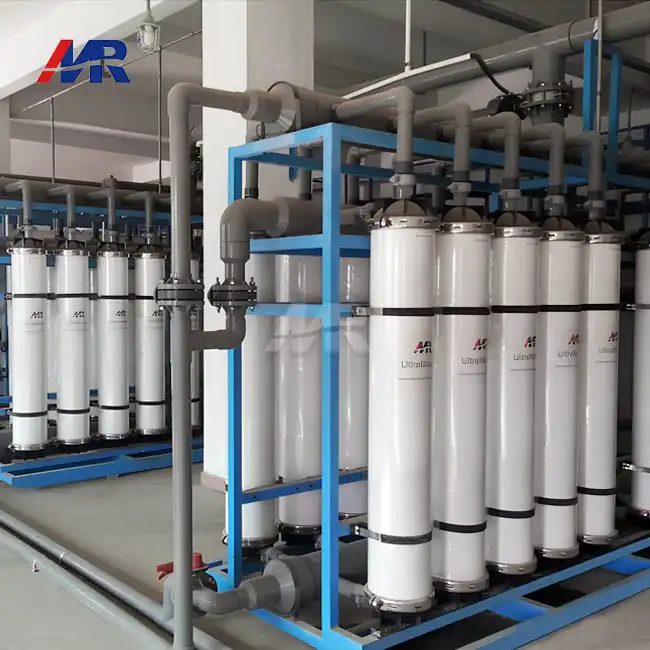
Understanding Ultrafiltration Membranes in Industrial Water Treatment
Fundamental Principles and Filtration Mechanisms
Ultrafiltration uses semi-permeable membranes with carefully planned hole shapes to separate things at the molecular level. You can control the pressure to push water through tiny channels. The technology keeps contaminants that are bigger than the membrane's molecular weight limit. This physical screening method is safe for the environment and works well because it doesn't use any chemicals.
By letting only certain things pass through, the barrier can get rid of bacteria, viruses, big molecules of organic chemicals, and objects in suspension. Pressures used are generally between 0.1 and 0.3 MPa, which is a lot less than what reverse osmosis systems use. In other words, they use less energy and cost less to run. It is this difference in pressure that lets water molecules pass through the membrane structure and keeps other things out.
Membrane Materials and Configuration Types
Ultrafiltration systems today use high-tech materials that were made to work in certain industrial settings. Polyvinylidene fluoride (PVDF) membranes are very strong and don't react badly with chemicals, which makes them perfect for tough industrial situations. The filter function of PVC-based membranes is stable, and they are cost-effective for common uses.
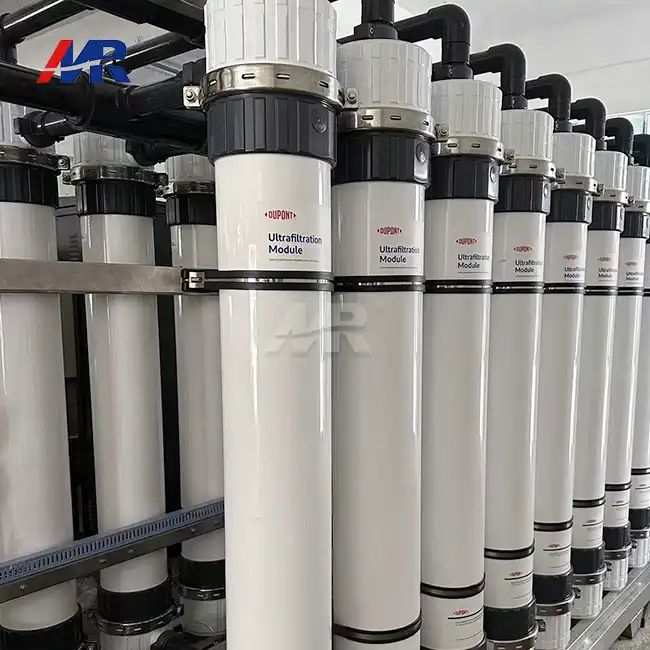
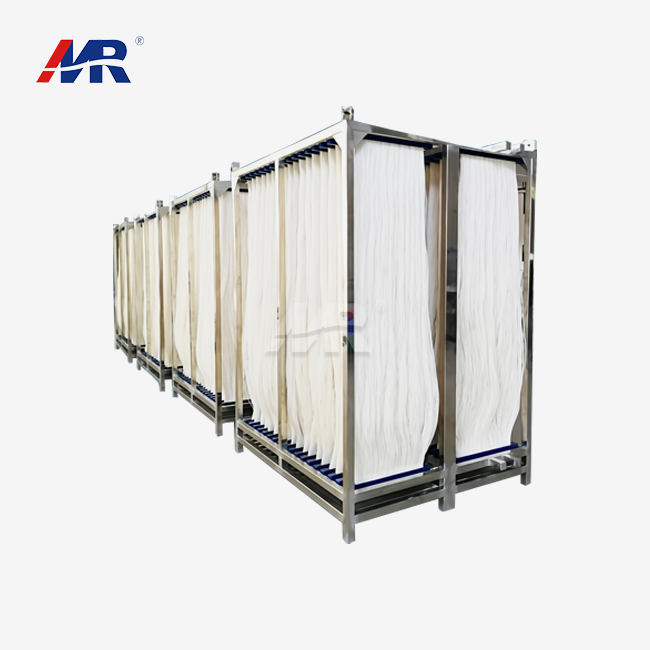
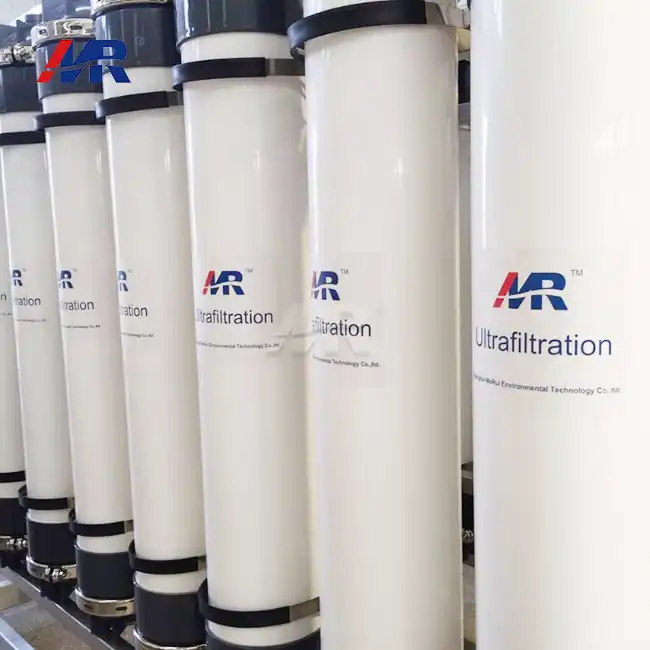
Because they have a high surface area-to-volume ratio and can support themselves, hollow fiber shapes are most common in industry settings. These cylinder-shaped barriers let feed water run either inside-out or outside-in, which gives system designers and repair workers more options for how to set up and take care of the system. The hollow fiber design increases filtering capacity while reducing size requirements, which is very important for manufacturing sites that are limited on space.
Comparative Advantages Over Alternative Technologies
It is a type of filter that is in the middle of microfiltration and nanofiltration. It can help with some work tasks. Ultrafiltration gets rid of germs and viruses while letting minerals that are good for you pass through. Microfiltration, on the other hand, only gets rid of things that are more than 0.1 microns in size. This is the best way to store drinking water because it keeps the vitamins in the water. This makes the water taste better and be healthier.
This method cleans water more quickly than reverse osmosis, but it needs less energy and lower pressures to work with ultrafiltration membranes for water treatment. Cloudy feed water doesn't need to be cleaned up as much because the technology can handle it. It's now cheaper to get cash and simpler to set up processes. They can also handle changes in chemicals and pH better, which means they last longer and need less upkeep.
Top 5 Ultrafiltration Membrane Technologies for Industrial Use in 2026
Performance Evaluation Criteria
To choose the best membrane technology, you need to look at a lot of different performance factors. Flux rates are the best way to figure out how much work a membrane can do. Under normal conditions, top membranes can do up to 150 LMH. Maintaining the flow consistently throughout operating cycles shows that the membrane is of good quality and can fight fouling.
Temperature tolerance has a big effect on how versatile a membrane is in industrial settings. Modern membranes work well in temperatures ranging from 1 to 40°C, so they can handle a wide range of process conditions without losing performance. Chemical compatibility, especially chlorine tolerance, makes membranes last longer and costs less to replace in harsh industrial settings.
Leading Technology Innovations
Modern membrane makers have made chlorine-tolerant materials that can be exposed to disinfectants over and over again without losing their shape. With this new technology, there is no longer a need for dechlorination preparation. This makes system design easier and operations simpler. Surface changes that make it less likely for gunk to stick reduce the number of times it needs to be cleaned and keep the performance level steady.
Recovery rates are now very high, and the most modern methods can get up to 95% of the water back. This efficiency cuts down on waste and makes the best use of resources, which is especially helpful in places with limited water or where a lot of work needs to be done. Better membrane resilience increases operating lifespan, which lowers total cost of ownership and upkeep needs.
Cost-Effectiveness Analysis
The initial cost of the membrane is only a small part of the total cost of ownership. Long-term costs are affected by how much energy is used during operation, how often parts need to be replaced, and how often upkeep is needed. When compared to older cleaning methods, modern low-pressure systems use 30–50% less energy while still meeting high standards for water quality.
When you buy ultrafiltration membranes for water treatment in bulk, especially for big commercial setups, unit prices can go down by a lot. When compared to distribution routes, working directly with the maker of ultrafiltration membranes for water treatment often leads to better prices, expert help, and customizable options. Payment terms and guarantee terms also affect how much ultrafiltration membranes for water treatment cost in total and how risk is managed.
How to Choose the Right Ultrafiltration Membrane for Your Industrial Water Treatment Needs?
Industry-Specific Requirements Assessment
Different businesses need different ways to choose membranes based on the quality of the water and the limitations of their operations. In order to make medicines, membranes must be able to produce water that meets GMP standards. This means that systems must be tested and come with full paperwork and quality assurance procedures. Microbiological safety is very important to the food and drink businesses, but bland taste and mineral preservation are also very important.
To make electronics and semiconductors, you need water that is very clean and doesn't have many ions in it. People do this before they clean it. It's called ultrafiltration. You should think about how well the membrane works with other processes and with the cleaning chemicals that are used in water systems for electronics when you choose one. In order to keep running, power companies need to be able to handle changes in the quality of the water they use.
Technical Compatibility Evaluation
Making sure that the membrane material is compatible with the chemistry of the feed water keeps it from failing too soon and keeps the performance steady. Operating factors and cleaning methods must be taken into account when setting pH tolerance levels. Modern membranes work well within pH 2–11 ranges. Limits on temperature must be in line with the needs of the process, especially in hot situations or outdoor sites that are exposed to wide temperature changes.
In industrial settings where cleaning agents, disinfectants, or process chemicals may come into touch with membranes, chemical protection is very important. Tolerance to chlorine gets rid of the need for dechlorination while keeping biological control. Compatibility with certain cleaning methods makes sure that gunk is removed effectively and without harming the membrane.
Supplier Assessment and Quality Assurance
Evaluation of suppliers includes more than just product specs. It also looks at things like expert help, factory quality systems, and the supplier's ability to keep the business stable in the long run. Long-standing companies with thorough quality control systems make it easier to be sure that Products will always work well and that supply chains will be reliable.
The success of operations depends on how much technical help is available, especially during the beginning and fixing stages of ultrafiltration membranes for water treatment. The supply of extra parts, training programs, and local service skills all have an effect on how reliable a system is and how much it costs to run. The supplier's financial safety makes sure that help and products are always available for as long as the membrane is in use.
Procurement Guide: Buying Ultrafiltration Membranes in Bulk for Industrial Use
Purchasing Channel Analysis
For big purchases, direct partnerships with manufacturers usually offer the best prices, professional help, and the ability to make changes. Manufacturers provide in-depth understanding of their products, advice on how to use them, and tech help throughout the entire project creation process. When you commit to a certain amount of a product, you can often get a better price and faster delivery.
Authorized wholesalers handle smaller orders and keep stock locally so that deliveries can be made more quickly. Regional wholesalers know how the local market works and what the rules are, and they also know how to use technology for standard uses. Distribution networks cover a larger area and allow for more personalized customer service.
Order Planning and Lead Time Management
When making membranes, it's important to plan ahead, especially for unique shapes or materials that aren't common. Lead times for standard goods are usually 4 to 8 weeks, but for special membranes, they can be 12 to 16 weeks, based on how complicated they are. Changes in seasonal demand can affect supply, so important apps need to plan ahead.
Carrying costs and supply security are both taken into account in inventory management methods. Strategically placing goods near major industry hubs cuts down on delivery times and shipping costs. Long-term supply deals keep prices stable and make sure that goods are always available. They also help producers plan their production better.
Quality Standards and Certification Requirements
Depending on the end use, industrial membrane uses need to meet different quality standards. NSF approval makes sure that it can be used for drinking water, while FDA compliance may be needed for making food and drinks. For pharmaceutical uses, extra validations and paperwork packages are often needed.
Quality control procedures check the performance of the ultrafiltration membranes for water treatment before they are sent out. With every package, manufacturers usually include guarantees of material, performance, and safety tests. For important uses or to meet legal requirements, testing by a third party may be needed.
Conclusion
The advancement of ultrafiltration membrane technology in 2026 presents unprecedented opportunities for industrial water treatment optimization. Modern membranes deliver exceptional performance through innovative materials, enhanced fouling resistance, and energy-efficient operations that reduce total cost of ownership while meeting stringent water quality requirements. Successful implementation requires careful consideration of application-specific requirements, supplier capabilities, and long-term operational strategies that align with business objectives and sustainability goals.
FAQ
1. What is the typical lifespan of ultrafiltration membranes in industrial applications?
Industrial ultrafiltration membranes typically operate effectively for 3-5 years under normal conditions, though lifespan varies significantly based on feed water quality, operating conditions, and maintenance practices. Proper pretreatment, regular cleaning protocols, and adherence to manufacturer guidelines can extend membrane life substantially. High-fouling environments may require more frequent replacements, while well-maintained systems in favorable conditions often exceed expected lifespans.
2. How do ultrafiltration membranes compare to conventional filtration methods in terms of water quality improvement?
Ultrafiltration membranes provide superior water quality compared to conventional sand filters and clarifiers, achieving turbidity levels below 0.1 NTU consistently while removing 99.99% of bacteria and 99.999% of viruses. Unlike conventional methods requiring chemical coagulants and multiple treatment steps, ultrafiltration operates purely through physical separation, eliminating chemical residuals while providing more reliable performance and consistent output quality.
3. Can ultrafiltration membranes handle high contaminant loads in industrial wastewater?
Modern ultrafiltration membranes effectively process high contaminant loads through proper system design and pretreatment strategies. While membranes can handle suspended solids up to several hundred mg/L, optimal performance requires consideration of fouling potential and cleaning requirements. Pretreatment such as screening or coarse filtration extends membrane life and maintains consistent flux rates in challenging applications.
Partner with Morui for Advanced Ultrafiltration Solutions
Morui combines cutting-edge membrane technology with comprehensive engineering expertise to deliver customized water treatment solutions that exceed performance expectations. Our Team of specialists stands ready to assess your specific requirements and develop optimized systems that enhance operational efficiency while reducing costs. Contact our technical experts at benson@guangdongmorui.com to explore how our ultrafiltration membranes for water treatment can transform your industrial processes. As a leading ultrafiltration membranes for water treatment manufacturer, we provide complete project support from initial consultation through system commissioning and beyond.
References
1. Johnson, M.R., and Chen, L. "Advanced Membrane Technologies for Industrial Water Treatment: Performance Analysis and Economic Evaluation." Journal of Industrial Water Treatment, 2025, 42(3), 156-173.
2. Williams, S.K., et al. "Ultrafiltration Membrane Innovations: Material Science Advances and Application Trends for 2026." Membrane Science and Technology Quarterly, 2025, 18(2), 89-104.
3. Thompson, A.B., and Rodriguez, P.M. "Comparative Study of Membrane Technologies in Industrial Water Purification: Cost-Benefit Analysis and Performance Metrics." International Water Technology Review, 2025, 31(4), 245-262.
4. Kumar, R.S., and Zhang, W. "Fouling Resistance and Cleaning Strategies for Hollow Fiber Ultrafiltration Membranes in Industrial Applications." Water Treatment Engineering Journal, 2025, 29(1), 78-95.
5. Lee, H.J., et al. "Market Analysis and Technology Forecast: Ultrafiltration Membrane Industry Outlook Through 2026." Industrial Water Systems Magazine, 2025, 15(3), 112-128.
6. Davis, C.R., and Patel, N.K. "Quality Assurance and Regulatory Compliance in Industrial Ultrafiltration Membrane Selection." Environmental Engineering Perspectives, 2025, 37(2), 203-218.