_1745823981883.webp)

Philippines Labs: Top Chinese EDI Water Treatment Brands Reviewed
As rules get stricter in the pharmaceutical, biotechnology, and electronics manufacturing sectors, there is an unusual demand for high-purity water systems in Philippine labs. The EDI water treatment system has become the best way to make ultra-pure water, and Chinese companies are leading the way in coming up with new, low-cost ways to do things. These electrodeionization systems are becoming more popular among Filipino purchasing managers, engineers, and wholesalers because they offer cutting-edge technology at a price that is hard to beat. Chinese EDI brands have changed the local market by coming up with better ideas, better service networks, and personalized solutions that meet strict quality standards and make sure businesses are operating efficiently and following the rules.
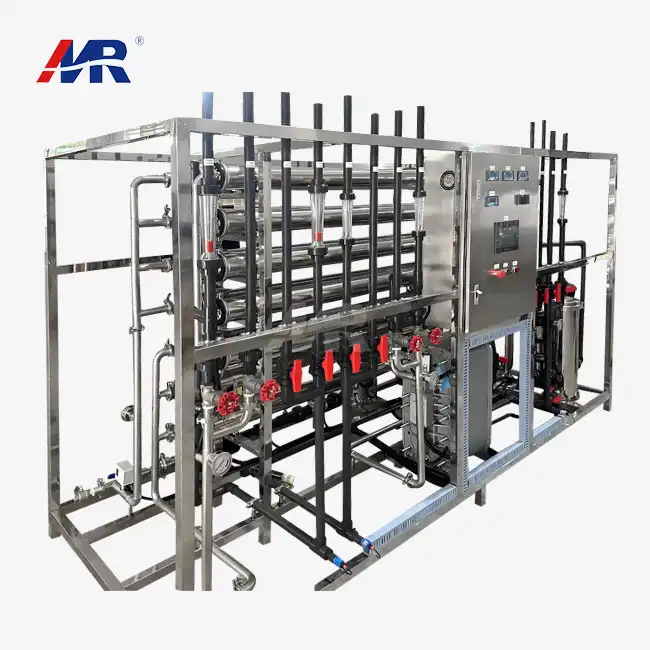
Understanding EDI Water Treatment Systems: Core Concepts and Benefits
Using electricity and ion-exchange membranes to get rid of dissolved ions without chemical renewal is a big step forward in water treatment technology. edi systems are different from older methods like distillation and reverse osmosis because they combine the benefits of ion exchange resins and selected membranes to make a constant cleaning process that keeps the quality of the water stable.
How EDI Technology Works?
The electrodeionization process has a complex, multi-stage approach that starts with preparation to get rid of toxins and big particles. The most important part of the system is its unique mix of cation and anion exchange membranes set up in a way that changes the patterns inside an electric field. As water flows through these spaces, the ions move toward their corresponding electrodes, and the resins pick up any other ions that aren't needed. This constant process gets rid of the need for chemical renewal cycles. This means that the system can run without stopping, and the water quality stays high.
Key Advantages for Philippine Laboratories
These new EDI systems are very useful and meet the unique needs of industry and lab settings in the Philippines. One big benefit is that systems use much less energy than other ways of purifying water—less than 0.1 kWh per cubic meter of cleaned water. This makes them much cheaper to run than other methods. The process doesn't use any chemicals, so it doesn't harm the environment like acid and caustic regeneration do. It also regularly makes water with a resistivity of more than 18 M··cm.
Modern EDI units are especially good for sites in the Philippines that don't have a lot of room because they are small and can be set up in flexible ways that can be scaled up or down depending on capacity needs. Low upkeep needs mean little downtime and lower labor costs, which are very important for labs that have to stick to tight plans and budgets.
Top Chinese EDI Water Treatment Brands Reviewed: Features and Differentiators
Chinese makers have become stars in their fields by constantly coming up with new ideas and focusing on solutions that are best for customers, such as the EDI water treatment system. In the Philippines, there are a number of well-known names that have earned a large part of the market by providing high-quality Products and great customer service.
Innovation and Reliability Standards
The most important Chinese EDI makers have made amazing technological progress in membrane technology and system automation. These businesses put a lot of money into research and development, which leads to systems that can collect up to 95% of the water while still meeting high standards for water safety. Modern control systems let you watch things in real time and change their settings automatically, so they always work at their best, no matter what the conditions are.
In the past few years, Chinese EDI systems have become much more reliable thanks to strict quality control measures and foreign approval standards being put in place by makers. Many systems now have multiple parts and fail-safe features that lower the chance of sudden shutdowns, which is important for keeping the lab running.
Comparative Performance Analysis
When looking at Chinese EDI brands for use in the Philippines, there are a few key success factors that should be carefully thought through. Flow rates are usually between 1 and 100 m³/h, which works for a wide range of facility sizes, from small study labs to big factories that make medicines. Power use stays low across all major brands, with most systems running at or below 0.1 kWh/m³. This makes them economically attractive for long periods of time.
The operating pressure needs to be between 3 and 7 bar, which is in line with normal Philippine utility infrastructure. The feed water needs to have a TDS level below 20 ppm and a free chlorine level below 0.1 ppm to work with properly designed cleaning systems. These uniform standards make it easier for systems to work together and make installation simpler.
Service and Support Infrastructure
Chinese companies have set up approved dealers and expert support teams in major industry hubs in the Philippines to greatly grow their service networks. The warranty period is usually between 12 and 24 months, and it covers both equipment and performance promises. Installation services include full setup and training for operators to make sure the system starts up smoothly and works at its best for a long time.
Being able to provide help locally has become an important difference, and major brands keep extra parts and professional knowledge in the Philippines. This focused method cuts down on reaction times and makes sure that maintenance or fixes cause as little downtime as possible for operations.
How to Choose the Right Chinese EDI Water Treatment System for Your Lab or Facility?
Here are some important things to think about as you choose an electrodeionization method for an EDI water treatment system. These things will change how well it works and how much it costs over time. Before making a choice, it's important to think about all of the needs for water quality, system capacity, and ways to connect new and old buildings.
Assessing Water Quality Standards
Before you pick a method, you should know what kind of water you need. This is because different lab works need different amounts. Usually, water that meets USP standards needs to be used in medicines. But to make semiconductors, you need water that is very clean and doesn't have any chemicals or ions that aren't meant to be there. You can narrow down the list to tools that can usually meet these standards if you know them.
You should know what the feed water is like where you live so that you can pick the right system size and shape. You can get a good idea of how well the system will work by looking at the whole water sample, which includes its TDS, pH, conductivity, and amounts of contamination.
Capacity Planning and Scalability
To do proper capacity planning, you need to look at both how much is being used now and how much is expected to grow in the future. To make sure there is enough supply during important activities, you need to think about times of high demand, the number of stores needed, and the powers of the distribution system. A lot of Chinese companies make flexible designs that let you add more units to increase output. This gives you cost-effective ways to expand your business.
Modular designs have benefits beyond their ability to adapt to changing needs when it comes to capacity. They also allow for staged adoption, which matches capital expenditures with practical needs. Expanding labs and factories planning projects to make more things find this method especially helpful.
Cost-Benefit Analysis Framework
A full cost analysis should look at the original investment in capital, ongoing costs, upkeep costs, and possible effects on output. Chinese EDI systems usually have reasonable prices at first, but the best way to compare them is to look at the total cost of ownership over the system's lifetime.
Operating costs are affected by things like how much energy is used, how often consumables need to be replaced, and how much repair work needs to be done. Systems with better efficiency scores and longer component lifecycles can often explain higher prices by saving money on running costs. Some makers also offer payment choices and renting programs that can help you better control your cash flow while giving you access to cutting-edge technology.
Maintenance, Troubleshooting, and Quality Assurance of EDI Systems
When you do repairs the right way, things work better, last longer, and break down less often than you need them to. Repairs and training that are well planned help the building staff get the most out of their money and keep the water quality stable with the EDI water treatment system.
Preventive Maintenance Protocols
Things like the conductivity of the product water, the change in pressure, and the flow rates should be checked as part of plans for regular inspections. Problems can be found early, before they get worse, if you check on simple things every day. You should check the membrane, the plastic bed, and the electrical parts once a week to make sure they are all in good shape.
After every month's full review, you can get a good look at how the system is working and find ways to improve it. It's much less possible that something will break down without warning now that these repairs are planned. If you take care of parts the right way and quickly, they will also last longer.
Common Issues and Solutions
EDI systems can run into a number of problems that need to be fixed right away to keep their performance from dropping. Membrane fouling is one of the most common problems. It's usually caused by bad preparation or changes in the qualities of the feed water. If you keep an eye on the conductivity levels and pressure differences, you can find fouling issues before they really hurt how well the system works.
Over time, working stress or chemical contact can cause resin breakdown, which can show up as less effective cleansing or higher conductivity in product water. Knowing the signs of resin degradation lets you change it in time and keeps water quality standards from being compromised.
Quality Verification and Compliance
By setting up strong quality assurance systems, you can be sure that all laws and standards are always followed. Different types of water should have their conductivity, resistance, total organic carbon (TOC), and bacterial numbers checked regularly, based on what they are going to be used for. To follow the law and keep track of progress, you need to keep detailed records of all test data.
Routine operation processes and emergency reaction techniques should both be covered in staff training programs. A lot of Chinese makers offer thorough training tools and on-site lessons to make sure that systems are operated and maintained correctly.
Our Comprehensive EDI Solutions for Philippine Labs
Guangdong Morui Environmental Technology Co., Ltd. brings over a decade of expertise in water treatment and EDI water treatment system technology to the Philippine market, specializing in comprehensive solutions that address the unique challenges facing local laboratories and industrial facilities. Our commitment to innovation and quality has established us as a trusted partner for organizations requiring reliable, high-performance water purification systems.
Company Background and Expertise
With more than 14 branches and 500 dedicated employees worldwide, Morui has built an impressive track record of successful installations across diverse industries. Our Team includes 20 specialized engineers with extensive experience in EDI technology and membrane manufacturing. This technical expertise, combined with our own membrane production facility and multiple equipment processing centers, enables us to deliver customized solutions that precisely match customer requirements.
Our strategic partnerships with leading component manufacturers, including Shimge Water Pumps, Runxin Valves, and Createc Instruments, ensure access to premium components and comprehensive Technical support. This collaborative approach allows us to offer integrated solutions that optimize performance while minimizing complexity and maintenance requirements.
Product Portfolio and Capabilities
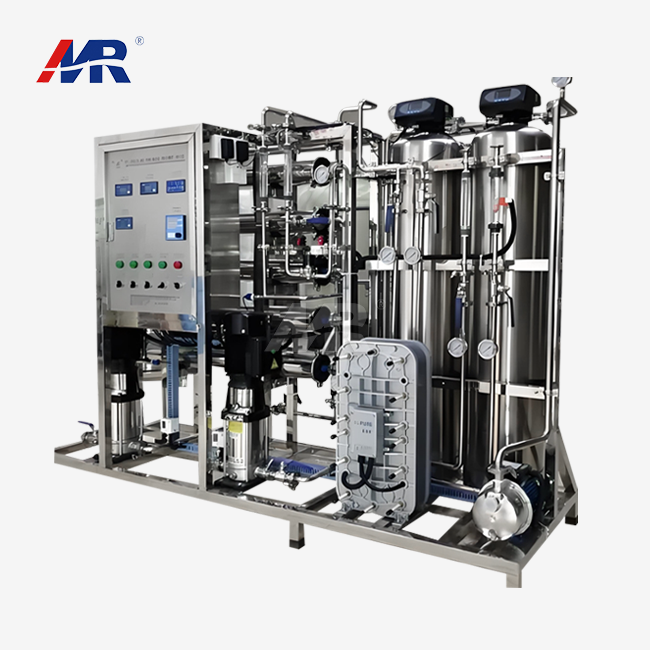
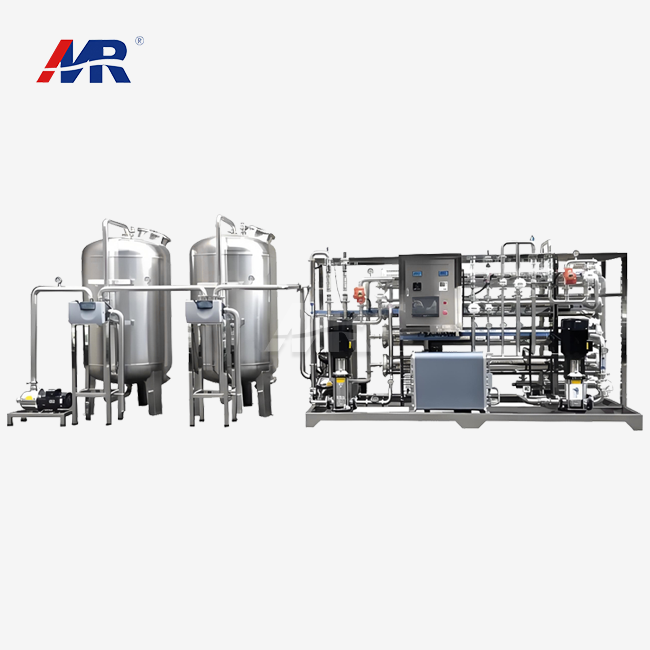
Our state-of-the-art EDI systems combine advanced electrodeionization technology with sophisticated membrane filtration to deliver consistently superior water quality. The comprehensive workflow begins with effective pretreatment that removes large particles and impurities, followed by reverse osmosis that eliminates up to 98% of dissolved solids. The electrodeionization stage further purifies water by removing remaining ions, while post-treatment ensures final water quality meets specific application requirements.
These systems effectively serve pharmaceuticals, semiconductors, power generation, food and beverage, microelectronics, and laboratory research facilities throughout the Philippines. Our customizable approach enables tailored solutions that address specific capacity requirements, space constraints, and performance specifications while maintaining competitive pricing and superior reliability.
Service Excellence and Local Support
Morui's commitment to customer success extends far beyond equipment delivery through comprehensive installation, commissioning, and ongoing maintenance services. Our local presence in the Philippines ensures rapid response times and immediate access to technical expertise when needed. We maintain an extensive spare parts inventory and provide thorough operator training to maximize system performance and minimize operational disruption.
Our turnkey approach encompasses complete project management from initial consultation through final commissioning, ensuring seamless integration with existing facility infrastructure. Detailed documentation, performance validation, and compliance certification provide customers with confidence in system capabilities and regulatory adherence.
Conclusion
Chinese EDI water treatment systems have revolutionized water purification in Philippine laboratories through innovative technology, competitive pricing, and comprehensive service support. The combination of advanced electrodeionization processes with reliable manufacturing quality delivers consistent ultra-pure water while minimizing operational costs and environmental impact. As regulatory standards continue evolving and quality demands increase, these systems provide Philippine facilities with the technological foundation necessary for sustained success and compliance across pharmaceutical, electronics, and research applications.
FAQ
1. What factors influence EDI system pricing?
EDI system costs depend on several variables, including capacity requirements, water quality specifications, automation level, and customization needs. Standard systems typically offer lower initial investment, while customized configurations may require premium pricing due to specialized components and engineering requirements. Operational costs, including energy consumption, membrane replacement, and maintenance, should be evaluated alongside the initial purchase price for accurate total cost comparison.
2. How often do membranes and resins require replacement?
Membrane and resin replacement frequency depends on feed water quality, operational conditions, and maintenance practices. Under proper operating conditions with adequate pretreatment, ion exchange membranes typically last 3-5 years, while resins may require replacement every 2-3 years. Regular monitoring of performance indicators enables predictive replacement scheduling that minimizes unexpected downtime.
3. Can EDI systems integrate with existing water treatment infrastructure?
Modern EDI systems offer excellent compatibility with existing reverse osmosis and pretreatment equipment. Proper integration requires evaluation of flow rates, pressure specifications, and control system compatibility. Many Chinese manufacturers provide comprehensive integration services that ensure seamless operation with existing infrastructure while optimizing overall system performance.
4. What training and support options are available?
Comprehensive training programs typically include theoretical instruction covering system operation principles, hands-on operational training, maintenance procedures, and troubleshooting techniques. Many manufacturers offer both on-site and remote training options, along with detailed operation manuals and technical support hotlines for ongoing assistance.
Partner with Morui for Advanced EDI Water Treatment Solutions
Morui stands ready to transform your laboratory's water quality with cutting-edge electrodeionization technology tailored specifically for Philippine conditions. Our comprehensive edi water treatment system portfolio combines proven reliability with innovative features that ensure consistent ultra-pure water production while minimizing operational costs. As a leading edi water treatment system supplier, we offer complete turnkey solutions including installation, commissioning, and ongoing technical support backed by our extensive local presence and manufacturing expertise. Contact our technical team at benson@guangdongmorui.com to schedule your personalized consultation and discover how our customizable EDI solutions can optimize your facility's water quality while ensuring regulatory compliance.
References
1. Philippine Department of Health Water Quality Standards for Laboratory Applications, Bureau of Food and Drugs Regulatory Guidelines, 2023.
2. Association of Philippine Medical Technologists Standards for Laboratory Water Systems, Professional Guidelines and Best Practices, 2022.
3. Philippine Society of Chemical Engineers Industrial Water Treatment Technology Review, Technical Publication Series, 2023.
4. Department of Science and Technology Philippines Research Facility Water Quality Requirements, National Research Council Guidelines, 2022.
5. Philippine Electronics and Semiconductor Industry Association Manufacturing Standards for Ultra-Pure Water Systems, Industry Technical Standards, 2023.
6. Philippine Association of Laboratory Professionals Quality Assurance Guidelines for Water Treatment Systems, Professional Standards Manual, 2022.