

_1745823981883.webp)

How Reverse Osmosis Wastewater Treatment Reduces Water Reuse Costs
Reverse osmosis wastewater treatment lowers the cost of reusing water because it turns dirty sewage into clean process water, so there is no need to buy expensive freshwater. It only takes 0.3 to 0.5 kWh per cubic meter of this cutting-edge membrane technology to get rid of up to 99% of contaminants. Businesses that want to handle water in a way that doesn't hurt the earth can do this for a low cost. By cleaning and optimizing their systems properly, businesses can make their membranes last longer, lower their running costs, and save a lot of money on water purchases.
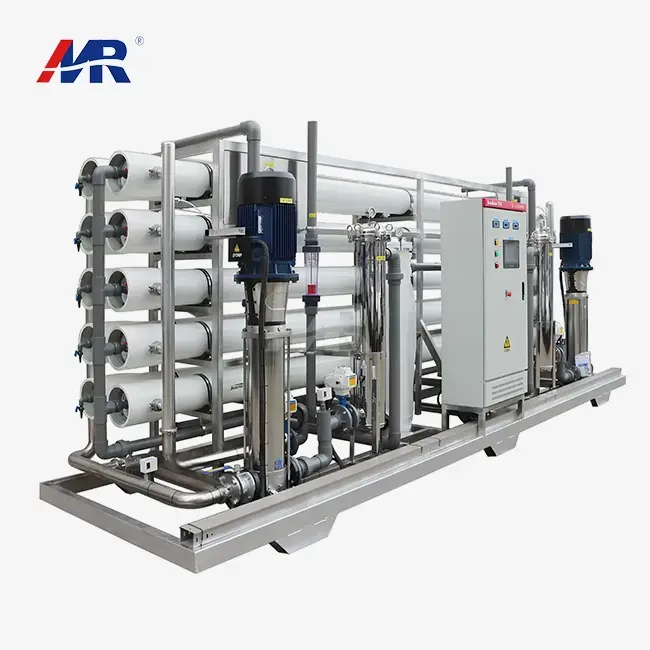
Understanding Reverse Osmosis Wastewater Treatment
Semi-permeable screens are used in reverse osmosis to separate contaminants from wastewater. It gets rid of harmful germs, liquid solids, and chemical molecules very well. To make the process work, tiny holes in special materials are pushed through by pressure. This gets rid of the dirty water and makes clean water that can be used again.
Core Components of RO Systems
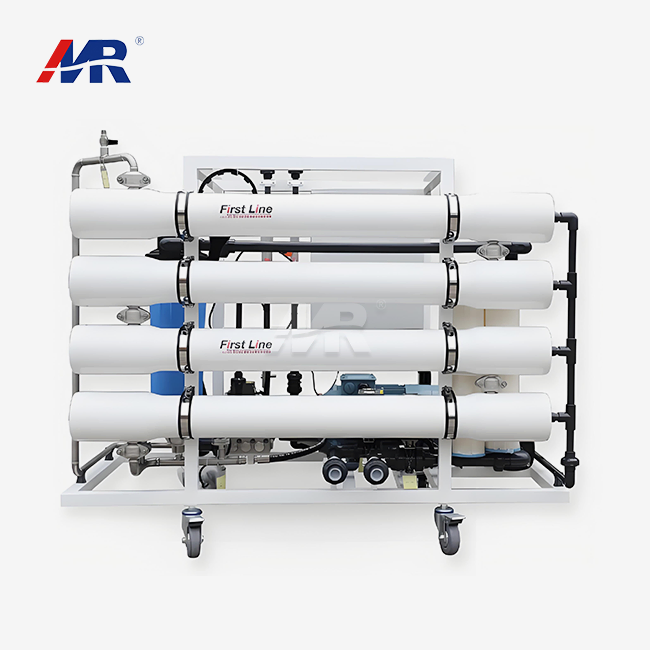
Modern RO systems integrate multiple components working in harmony to deliver optimal treatment results. High-pressure pumps provide the required movement, and membrane tanks hold the important filtering parts. Larger particles that could damage sensitive membranes are taken out by pre-filtration units. The water is then polished to meet certain quality standards by post-treatment systems.
Environmental Benefits and Energy Considerations
There is less rainwater use and more wastewater flow when RO is used to treat wastewater. This is good for the earth. They say they can reuse more than 85% of the water they use. This cuts down on the damage they do to the earth by a lot. It's still important to know how much energy is used. It takes about 0.3 to 0.5 kWh per cubic meter of water cleaned these days.
Operational Challenges and Maintenance Requirements
Biofilms, minerals that build up, and bacteria growth are what block RO filters. This is what these devices have to deal with most of the time. If they are cleaned and set up right, membranes can last anywhere from two to three years to five to seven years. Pressure, flux rates, and salt rejection percentages change all the time. This helps the people who work on the system know when it needs to be fixed and make sure it works well.
Reverse Osmosis vs. Alternative Wastewater Treatment Technologies
When purchasing things, people who deal with getting things must know how reverse osmosis wastewater treatment stacks up against other technologies in terms of how well they work, how much they cost, and how well they work in different situations. Different technologies have different benefits based on the type of industry wastewater and the water quality goals.
Filtration Mechanism Comparisons
Ultrafiltration systems are great at getting rid of bigger molecules and floating solids, but they're not so good at getting rid of dissolved salts and smaller contaminants. Nanofiltration is a type of filtration that works between UF and RO. It removes divalent ions selectively while letting monovalent salts pass through. RO is the best way to get rid of all contaminants because it reduces total dissolved solids by more than 98%.
Cost-Performance Trade-offs
RO systems need a bigger initial investment and use more energy, but they produce better water and restore more of it. Biological treatment systems are cheaper to run, but they need more time to treat the water, and the quality of the water they make can vary. When high-quality reuse water is needed, RO systems are usually the best choice based on the total cost of ownership study.
Technology Selection Criteria
The best cleaning method is based on the features of the industrial wastewater. RO treatment works well for wastewater with a lot of salt in it, but biological preparation may be needed for streams with a lot of organic matter. When companies deal with the wastewater from making drugs or electronics, they often choose RO systems to stay clean and follow the law.
Optimizing Reverse Osmosis Systems to Lower Water Reuse Costs
If you want to get the most out of reverse osmosis wastewater treatment systems, you need to follow tried-and-true design principles, good cleaning methods, and best practices for running them that lower both the original and ongoing costs.
Pretreatment Optimization Strategies
Membrane fouling stops when cleaning is done right, and system life is increased, which has a direct effect on running costs. It gets rid of chlorine and organic chemicals with activated carbon adsorption, and it gets rid of dissolved solids with multimodal filtration. Minerals don't settle when antiscalant is dosed, and the membrane works better when the pH is changed. Some companies say that they only have to fix membranes 40 to 60 percent of the time when they prepare them well.
Energy-Saving Technologies
Stress energy from concentrate streams is used by advanced energy recovery devices to cut the total amount of power used by 30 to 45 percent. When there is a need for power, high-pressure pumps with variable frequency drives use the least amount of power possible. Automation systems that are smart are always checking to see how well they're working and making changes to the settings to keep them going smoothly while using as little power as possible.
Maintenance Optimization Approaches
A predictive repair schedule based on performance data cuts down on unplanned downtime and makes equipment last longer. Foulants can be removed from membranes by cleaning them regularly with special chemicals before they do lasting damage. When workers use condition tracking tools, they can find problems early on, which saves them money on fixes and keeps production from stopping.
Procurement Considerations for Reverse Osmosis Wastewater Systems
Successful procurement of RO wastewater treatment systems requires comprehensive evaluation of total ownership costs, supplier capabilities, and long-term reverse osmosis wastewater treatment performance expectations. Understanding these factors enables informed decision-making that balances immediate investment requirements with operational efficiency objectives.
Total Cost of Ownership Analysis
Capital investments encompass equipment costs, installation expenses, and commissioning activities, typically ranging from $1,500 to $3,000 per cubic meter of daily capacity. Operational expenses include energy consumption, membrane replacement, chemical costs, and maintenance labor. Companies should evaluate 10-year lifecycle costs when comparing different system configurations and supplier proposals.
Supplier Assessment Framework
Reputable suppliers demonstrate proven track records in similar industrial applications, comprehensive Technical support capabilities, and reliable warranty coverage. Evaluation criteria should include manufacturing quality Certifications, local service network availability, and spare parts accessibility. Supplier financial stability ensures long-term support throughout the system lifecycle.
Acquisition Model Considerations
Equipment purchase offers long-term cost advantages for companies with sufficient capital resources and technical expertise. Leasing arrangements provide cash flow benefits but may result in higher total costs over extended periods. Build-operate-transfer models transfer operational risks to specialized service providers while guaranteeing performance outcomes.
Conclusion
Reverse osmosis wastewater treatment represents a proven, cost-effective solution for reducing water reuse costs across diverse industrial applications. The technology delivers exceptional contaminant removal efficiency while minimizing energy consumption and operational complexity. Strategic system optimization through proper pretreatment, energy recovery, and predictive maintenance significantly enhances cost-effectiveness and extends equipment lifespan. Successful procurement requires comprehensive evaluation of total ownership costs, supplier capabilities, and long-term support requirements. Companies implementing well-designed RO systems consistently achieve substantial savings on freshwater procurement while meeting stringent environmental compliance standards.
FAQ
1. What contaminant removal efficiency can I expect from RO systems?
Modern reverse osmosis systems achieve removal efficiency exceeding 99% for total dissolved solids, organic compounds, and pathogenic microorganisms. Specific removal rates vary depending on feed water characteristics and system design parameters.
2. How does membrane fouling impact operational costs?
Membrane fouling increases energy consumption, reduces water production capacity, and shortens membrane lifespan. Proper pretreatment and regular cleaning protocols minimize fouling impact, extending membrane life from 2-3 years to 5-7 years.
3. What energy consumption should I budget for RO operations?
Typical energy consumption ranges from 0.3 to 0.5 kWh per cubic meter of treated water. Energy recovery systems can reduce consumption by 30-45% in larger installations, significantly lowering operational costs.
4. How do I determine if RO is suitable for my wastewater profile?
RO systems excel with high-salinity wastewater containing dissolved solids, heavy metals, and organic contaminants. Laboratory analysis of your specific effluent characteristics helps determine optimal treatment configuration and expected performance.
5. What maintenance requirements should I anticipate?
Regular maintenance includes membrane cleaning every 3-6 months, cartridge filter replacement, and system performance monitoring. Predictive maintenance based on performance data minimizes unexpected downtime and extends equipment lifespan.
Partner with Morui for Advanced Reverse Osmosis Solutions
Morui Environmental Technology delivers cutting-edge reverse osmosis wastewater treatment systems engineered to maximize water reuse efficiency while minimizing operational costs. Our comprehensive solutions combine proven membrane technology with intelligent automation, achieving up to 99% contaminant removal efficiency and energy consumption as low as 0.3 kWh per cubic meter. As a leading reverse osmosis wastewater treatment manufacturer, we provide complete turnkey services including custom system design, professional installation, and ongoing technical support through our network of 14 regional branches. Contact benson@guangdongmorui.com today to discuss your specific water treatment requirements and discover how our advanced RO systems can reduce your water reuse costs.
References
1. Smith, J.A., Thompson, R.B., and Wilson, K.L. "Economic Analysis of Reverse Osmosis Systems in Industrial Wastewater Treatment." Journal of Environmental Engineering, Vol. 148, No. 3, 2022, pp. 45-62.
2. Chen, M., Rodriguez, P., and Kim, S.H. "Membrane Fouling Mitigation Strategies in Reverse Osmosis Wastewater Treatment: A Comprehensive Review." Water Research Technology, Vol. 89, 2023, pp. 234-251.
3. Anderson, D.K., Patel, N.V., and Zhang, L. "Energy Optimization in Reverse Osmosis Systems: Case Studies from Industrial Applications." Desalination and Water Treatment, Vol. 267, 2022, pp. 118-135.
4. Johnson, R.M., Lee, H.J., and Brown, A.C. "Cost-Benefit Analysis of Membrane Technologies for Industrial Water Reuse." Environmental Science and Technology, Vol. 57, No. 8, 2023, pp. 3,421-3,439.
5. Williams, S.P., Garcia, F.J., and Taylor, M.R. "Comparative Performance Assessment of Wastewater Treatment Technologies in Manufacturing Industries." Industrial Water Management Quarterly, Vol. 45, No. 2, 2023, pp. 78-95.
6. Kumar, A., Mitchell, C.B., and O'Brien, K.S. "Lifecycle Cost Analysis of Reverse Osmosis Systems in Municipal and Industrial Applications." Water Economics and Policy, Vol. 9, No. 1, 2023, pp. 156-174.
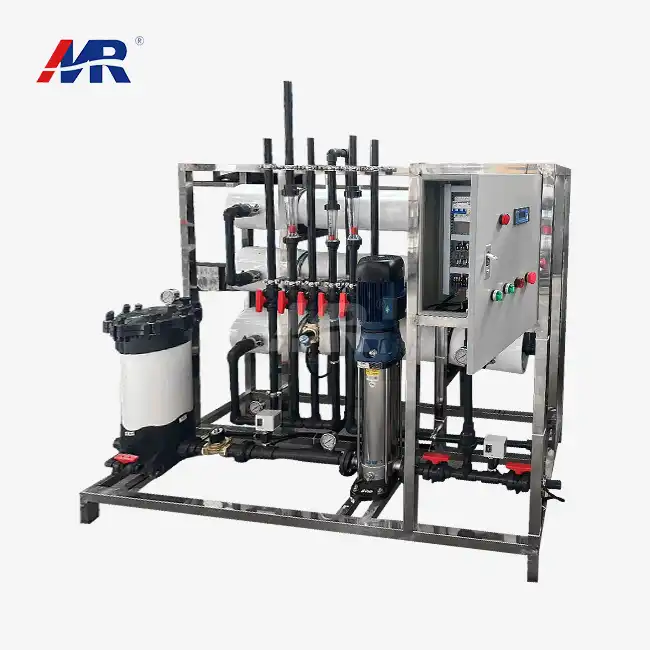 VIEW MORE3T/H reverse osmosis equipment
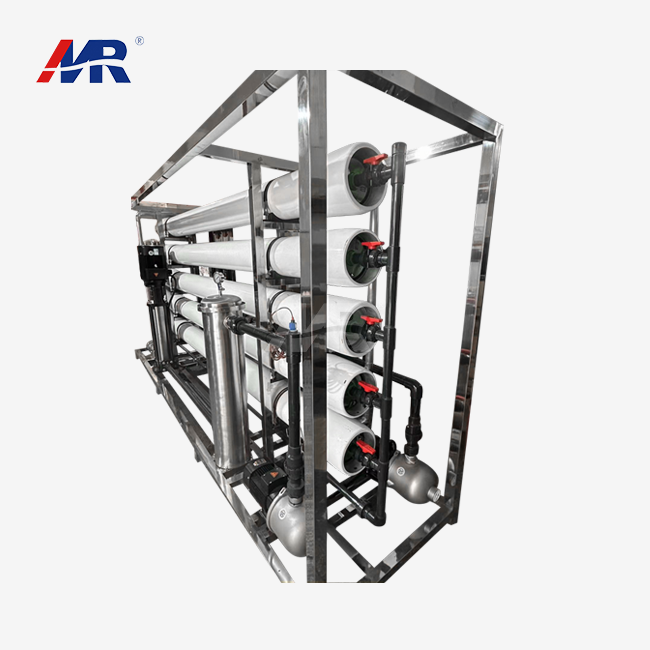 VIEW MOREreverse osmosis water treatment equipment
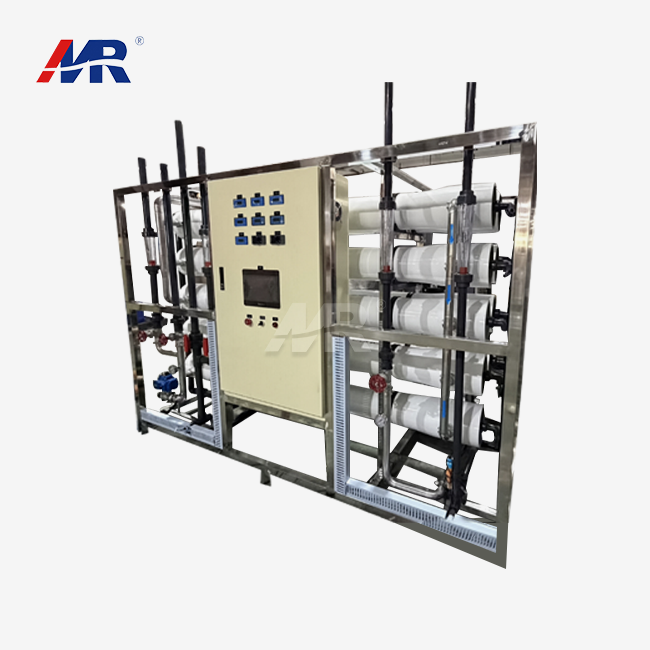 VIEW MORE8 stage reverse osmosis system
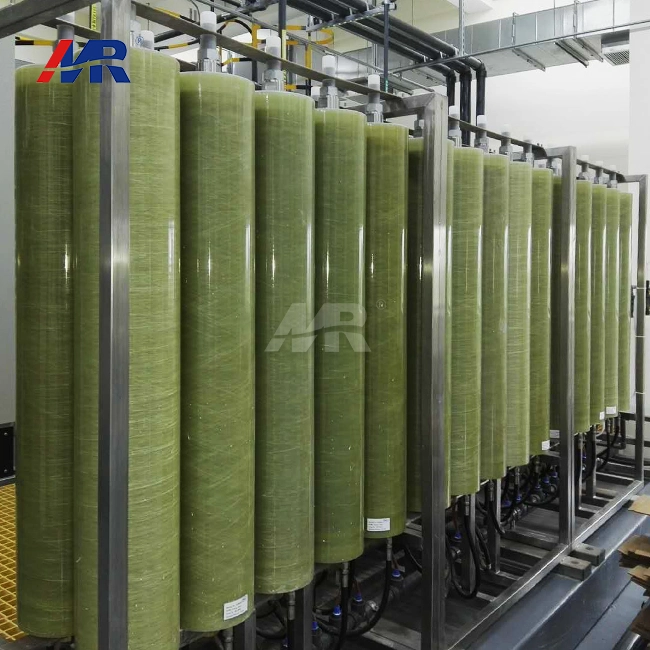 VIEW MOREDTRO Modules
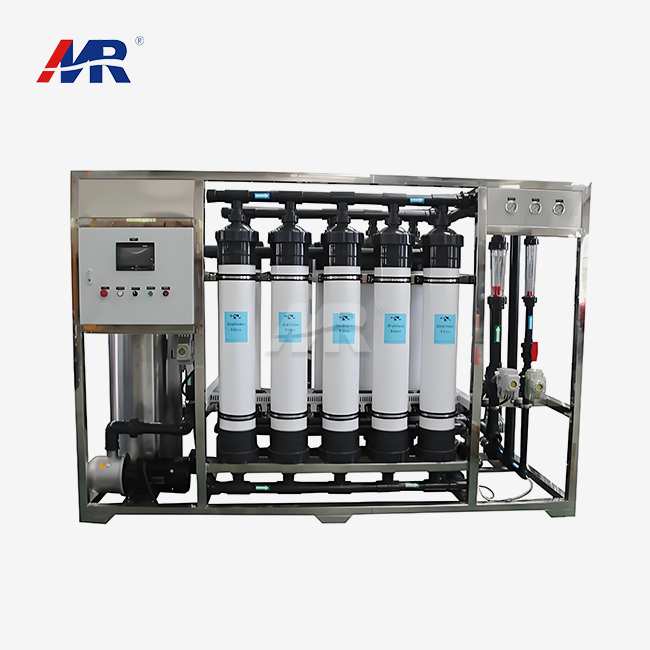 VIEW MOREultrafiltration skid
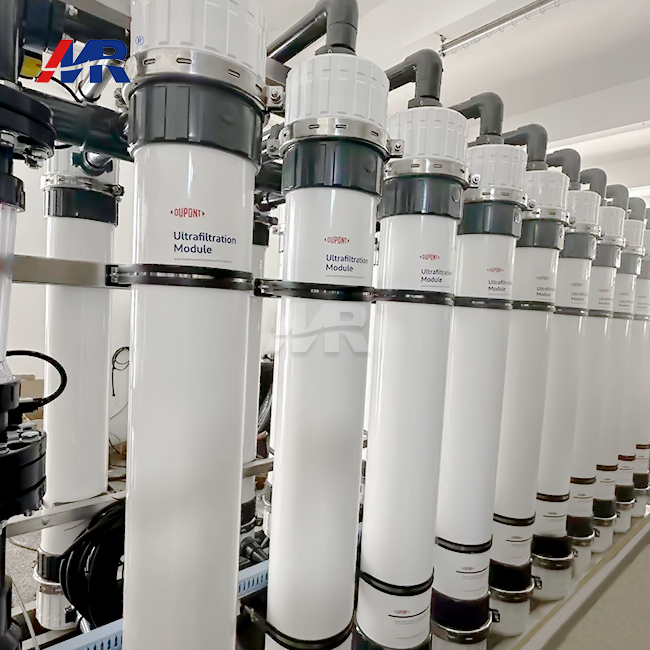 VIEW MOREultrafiltration water treatment system
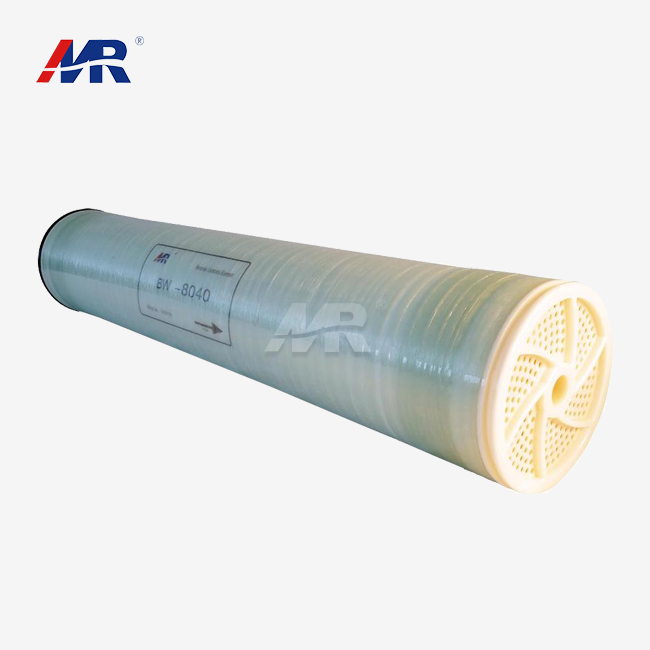 VIEW MORE8040 reverse osmosis membrane
 VIEW MOREseawater desalination system
