

_1745823981883.webp)

Reverse Osmosis Water Treatment Machine vs UF Systems Explained
When companies and industries need to treat water, they need to make sure they use the right tools that are legal and work well. Purchasing managers have a hard time choosing between an ultrafiltration system and a reverse osmosis water treatment machine. The things they choose may not be as good, processes may take longer, and the business may lose money. Companies that make things, drugs, and city water plants all use these technologies to keep prices low and make sure the water is clean enough to meet standards. If you want to buy the right RO or UF system, you should know what makes them different. Each method has its own pros and cons that depend on the needs of the application, the pollutants, and the output amounts. What kind of technology you pick will not only change the water quality right away, but it will also change the costs, the amount of maintenance needed, and your ability to follow rules in many different business settings.
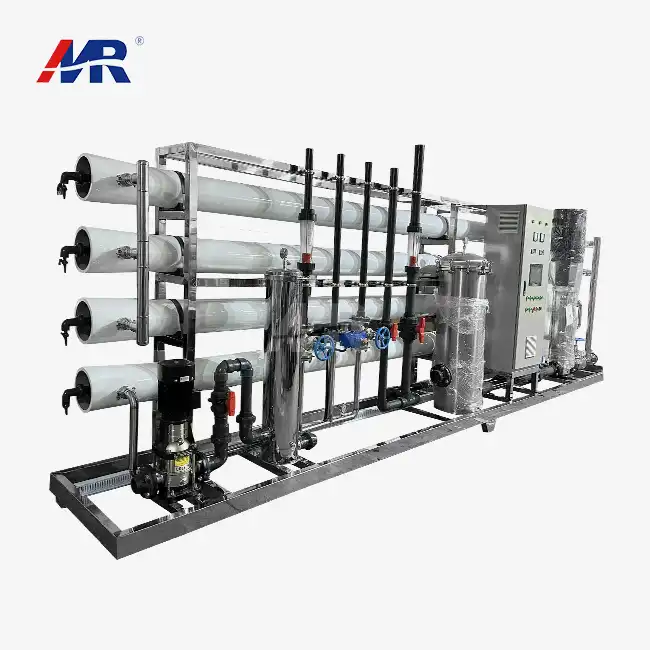
Understanding Reverse Osmosis and Ultrafiltration Systems
Core Technology Principles
When water goes through reverse osmosis, semipermeable screens get rid of heavy metals, dissolving solids, and pollution at the molecular level. With this technology, water is pushed through screens that have holes that are about 0.0001 to 0.001 microns wide. This makes the water very clean. These days, tools that use reverse osmosis to clean water use more than one stage of filtration. For example, sediment and carbon screens are used for pre-filtering, membrane separation, and cleaning after filtration.
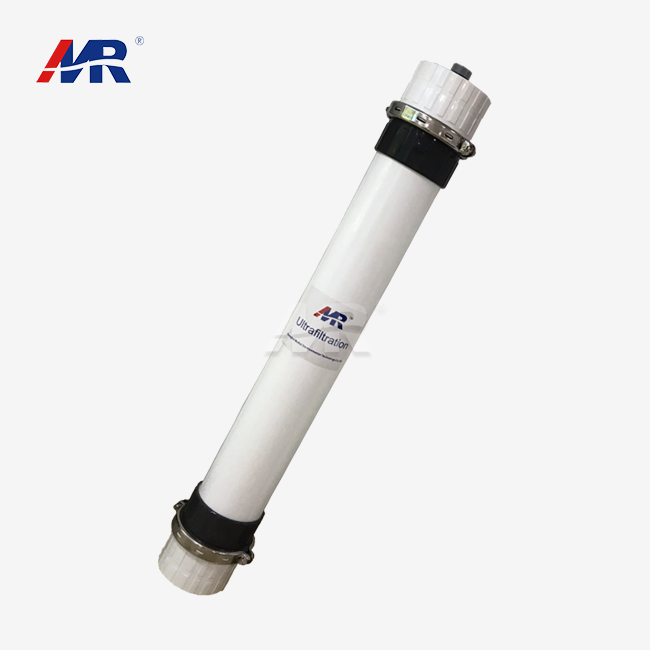
There are holes in hollow fiber or spiral-wound membranes that are about 0.01 to 0.1 microns in size. These are used in ultrafiltration systems. Minerals that have been broken down can still get through these walls, but germs, viruses, and particles in the water can't. This is a great way to get rid of germs without making the water totally dry.
System Configurations and Applications
Because they can clean 50 to 10,000 cubic meters of water per day, industrial reverse osmosis units can be used on a large scale. You can easily add to these ways, and they work well with the technology we already have. While UF systems can also be used to scale, their main goal is to remove biological contaminants rather than lowering all liquid solids.
Automatic control methods are used in both, and they can be watched from afar. The amount of work that needs to be done by hand is cut down, but workers can still do a good job. Newer systems can check the quality of the water in real time, clean the membranes by themselves, and let you know when repairs are needed before they happen. Because of these parts, the processes work better.
Key Performance Comparison Between RO and UF Systems
Contaminant Removal Efficiency
When looking at how well these technologies, including reverse osmosis water treatment machines, work, they show clear benefits for certain uses. They can do the following major things to get rid of:
- This process gets rid of up to 99% of dissolved solids, heavy metals, chemicals, and medicine leftovers. It also gets rid of bacteria and viruses.
- Ultrafiltration is very good at getting rid of germs (it kills 99.9% of bacteria and viruses), but it keeps good minerals in the water.
- It's easy for RO systems to get rid of chlorine, fluoride, and industrial poisons, but UF systems need extra steps to do the same.
- Particulate Matter: Both methods remove solids that are floating in the water successfully, but UF systems work best for high turbidity situations.
Because of these removal abilities, each technology is better for certain industrial uses. For example, RO systems are better for uses that need ultra-pure water, while UF systems are better for controlling biological contaminants.
Energy Consumption and Operational Costs
When thinking about long-term operations, energy economy is very important. These systems use between 0.3 and 0.5 kWh per cubic meter of cleaned water because screens need a certain amount of pressure to work. It takes less energy to clean the same amount of water with UF systems because they need lower temperatures to work.
Operational cost analysis shows more than just how much energy is used. Total cost of ownership is affected by how often membranes need to be replaced, how often chemicals need to be used for cleaning, and how the waste stream needs to be managed. RO systems make concentrated waste streams that need to be thrown away properly, while UF systems make smaller amounts of waste through backwashing processes that happen on a regular basis.
Selecting the Right Water Treatment System for B2B Procurement
Decision-Making Framework
When choosing between RO and UF systems, procurement teams have to look at a number of factors. The standards for water quality determine the choice of technology. For example, uses that need very clean water tend to prefer reverse osmosis options. Some common businesses that need RO systems to get rid of different kinds of contaminants are those that make drugs, chips, and high-pressure boilers.
When making a budget, you need to include both the system's original cost and its ongoing costs over its lifetime. RO systems may cost more at first, but they usually pay for themselves over time when ultra-pure water needs to be made all the time. UF systems are a good value for money when the main goal is to get rid of biological contaminants and there aren't any big needs for reducing dissolved solids.
Market Trends and Technological Innovations
As the market changes right now, it focuses on automation, online tracking, and being eco-friendly. Adding smart tools that can track and improve performance in real time cuts down on the need for people to be in charge. With these new ideas, things can be done better, and fixes can be done more easily, which means there is less abrupt downtime.
A lot of the new technologies are meant to make membranes last longer and use less electricity. These days, membranes stay clean and don't get stuck as easily, so they can be used for longer before they need to be cleaned. The cost of maintenance goes down with these changes, and systems work better in more business settings.
Maintenance and Operational Best Practices for RO and UF Systems
Routine Maintenance Protocols
Effective repair plans keep reverse osmosis water treatment machine technology running at its best for as long as possible. Schedules for preventive maintenance include organized ways to clean membranes, change filters, and check on the system's performance. These standards have a big effect on how reliable operations are and how much they cost in industry settings.
Some important maintenance tasks are checking the membrane's performance on a daily basis, making the chemical cleaning cycle work better, and keeping an eye on the pretreatment system. The right pretreatment stops membrane fouling and increases its useful life. Testing the water quality on a regular basis proves that the treatment is working and finds problems before they affect output.
Troubleshooting and Performance Optimization
Problems that often happen in operations are membrane fouling, changes in pressure, and lower quality permeate. These problems are fixed by systematic fixing methods that find the root cause and put in place corrected actions. Performance optimization methods try to keep the original working settings while reducing the amount of energy used and waste made.
Strategies for monitoring include watching the difference in pressure, analyzing the flow rate, and looking at the trends in water quality parameters. These measures give early warning signs of possible problems and help make choices about repair based on data. For better working productivity, more advanced systems combine these tracking features with automatic control systems.
Environmental and Regulatory Considerations
Sustainability Impact Assessment
A study of the environmental effect shows that RO and UF systems are not the same in important ways. Reverse osmosis systems make concentrated waste streams that need to be thrown away or treated further, while UF systems make smaller amounts of waste through backwashing. Patterns of energy use also have an effect on the world as a whole, and making both systems more efficient lowers their carbon output.
Rates of water return have a big effect on how efficiently resources are used. Most industry uses modern RO systems with recovery rates of 75–85%. UF systems, on the other hand, usually have better recovery rates because of how they physically separate the fluids. These things affect both running prices and measures of environmental health.
Regulatory Compliance Framework
International guidelines for water quality set the base levels of cleaning needed for different uses. For pharmaceutical processing, filtered water must meet USP standards. For food and beverage uses, it must meet FDA rules. Municipal water treatment plants have to follow EPA rules that say how to get rid of contaminants.
Systematic tracking and reporting of water quality is needed for regulatory compliance paperwork. When built and used correctly, both the reverse osmosis water treatment machine and UF systems can meet cleaning standards. Most of the time, individual chemical profiles and treatment levels are more important than basic compliance skills when choosing between technologies.
Conclusion
The selection between reverse osmosis and ultrafiltration technologies requires careful consideration of specific application requirements, contaminant profiles, and operational constraints. RO systems provide comprehensive contaminant removal capabilities essential for ultrapure water applications, while UF systems offer efficient biological contaminant control with lower energy consumption. Both technologies continue evolving through automation advances and membrane improvements that enhance performance while reducing operational costs. Successful implementation depends on proper system design, maintenance protocols, and ongoing performance monitoring to achieve optimal water quality outcomes while maintaining cost-effective operations.
FAQ
1. What contaminants does reverse osmosis remove that UF systems cannot?
Reverse osmosis systems excel at removing dissolved solids, including heavy metals, fluoride, nitrates, and pharmaceutical compounds that pass through uf membranes. RO technology addresses molecular-level contaminants, while UF focuses primarily on suspended particles and biological contaminants. This distinction makes RO systems essential for applications requiring comprehensive contaminant removal.
2. How do maintenance requirements differ between RO and UF systems?
RO systems require more frequent chemical cleaning cycles due to their susceptibility to scaling and fouling from dissolved constituents. UF systems primarily utilize physical cleaning through backwashing operations. However, both technologies benefit from proper pretreatment and regular performance monitoring to optimize operational efficiency and extend membrane life.
3. Which technology offers better cost-effectiveness for large-scale operations?
Cost-effectiveness depends on specific application requirements and water quality objectives. RO systems provide superior value for applications requiring ultra-pure water despite higher energy consumption. UF systems offer attractive economics for biological contaminant removal applications with lower energy requirements and reduced chemical consumption.
Connect with Morui Experts for Turnkey Reverse Osmosis Water Treatment
Guangdong Morui Environmental Technology offers customized reverse osmosis water treatment machine solutions designed to meet your specific industrial requirements. Our engineering team provides comprehensive consultation services, analyzing your water quality needs and operational parameters to recommend optimal treatment technologies. As a trusted reverse osmosis water treatment machine manufacturer, we deliver complete turnkey solutions, including system design, installation, commissioning, and ongoing maintenance support.
Connect with our technical specialists to discuss your water treatment challenges and explore how our advanced solutions can enhance your operational efficiency. Contact benson@guangdongmorui.com for detailed technical specifications and project consultation.
References
1. Smith, J.A. & Thompson, R.B. (2023). "Advanced Membrane Technologies in Industrial Water Treatment: Performance Analysis of RO and UF Systems." Journal of Water Treatment Engineering, 45(3), 234-251.
2. Chen, L.H., Rodriguez, M.C. & Park, S.Y. (2022). "Comparative Energy Efficiency Analysis of Reverse Osmosis and Ultrafiltration in Large-Scale Applications." Environmental Technology & Innovation, 28(4), 445-462.
3. Williams, D.R. & Kumar, A.S. (2023). "Membrane Fouling Prevention Strategies in Commercial Water Treatment Systems." Water Research & Technology, 39(2), 178-195.
4. Anderson, K.M., Lee, H.J. & Brown, P.G. (2022). "Economic Analysis of Water Treatment Technology Selection for Industrial Applications." Industrial Water Management, 15(6), 89-104.
5. Taylor, S.C., Zhang, W.L. & Miller, R.A. (2023). "Environmental Impact Assessment of Membrane-Based Water Treatment Technologies." Sustainable Water Management, 31(4), 267-284.
6. Johnson, M.P., Davis, E.H. & Wilson, T.K. (2022). "Regulatory Compliance Framework for Industrial Water Treatment Systems in Global Markets." Water Quality Standards Review, 18(7), 156-173.
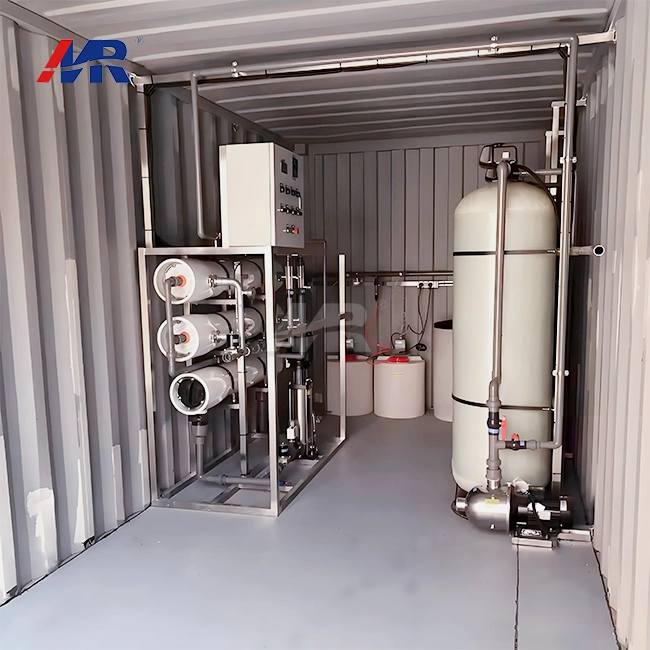 VIEW MOREcontainerized water treatment systems
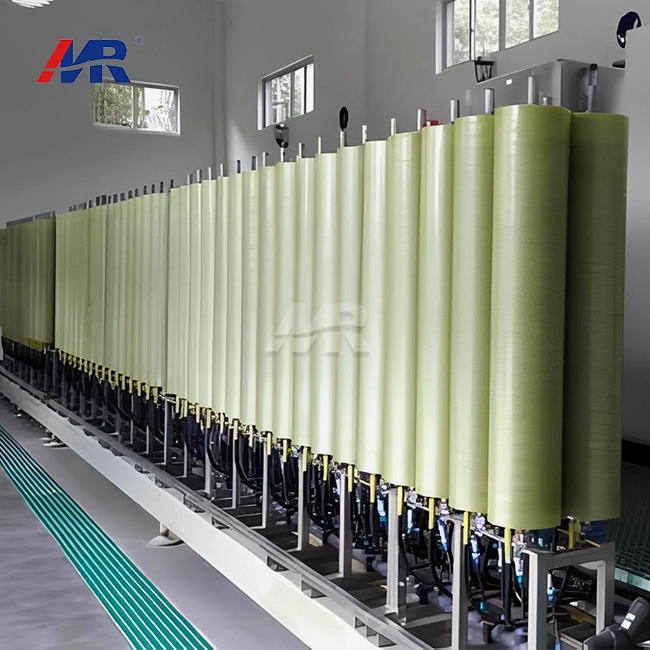 VIEW MORELeachate DTRO Treatment Equipment
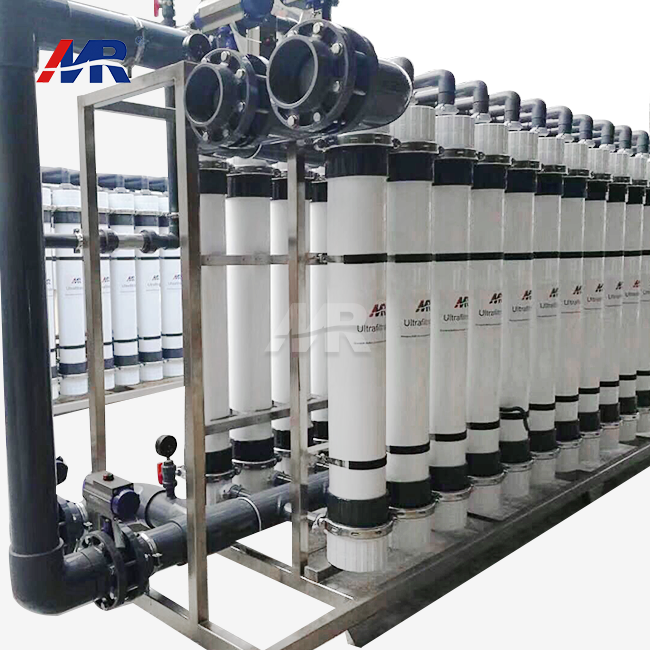 VIEW MOREultrafiltration water system
 VIEW MORELandfill Leachate Treatment Plant
 VIEW MOREultrafiltration water treatment system
 VIEW MOREindustrial reverse osmosis membrane
 VIEW MOREDTRO Modules
 VIEW MOREultrafiltration membrane system
