_1745823981883.webp)

Most Efficient Reverse Osmosis System: Design Tips and Performance
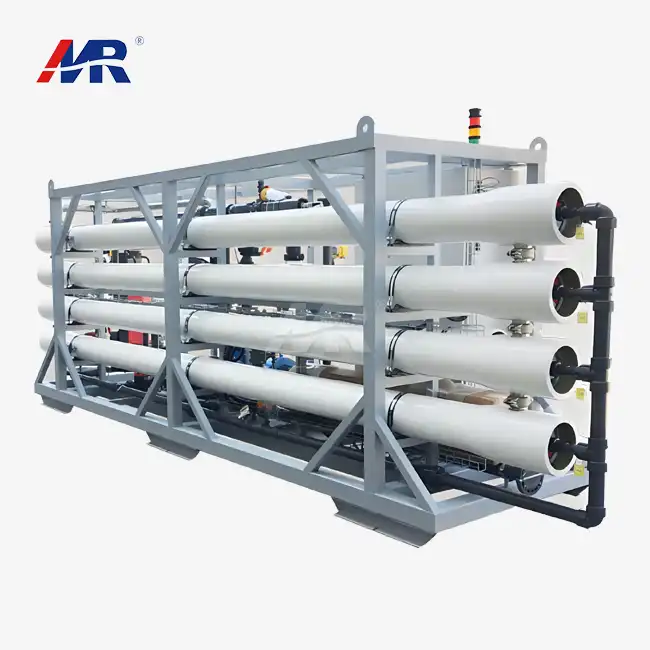
When looking at different ways to clean water, the most efficient reverse osmosis system stands out as the best choice for business and industry use. These high-tech systems use cutting-edge membrane technology to get rid of up to 99% of dissolved solids. This makes ultra-pure water that meets strict quality standards in many fields. Modern RO systems are very efficient because they have better recovery rates, use less energy, and have smart control systems that keep up performance while keeping costs low.
Understanding the Fundamentals of Reverse Osmosis Systems
It is a big step forward in cleaning water because it uses semipermeable screens to get rid of pollutants in water at the molecular level. For this process to work, tiny holes about 0.0001 microns wide are pushed through by pressure. Pure water can pass through these holes, but salts, chemicals, and germs that are dissolving can't.
Core Components of High-Performance RO Systems
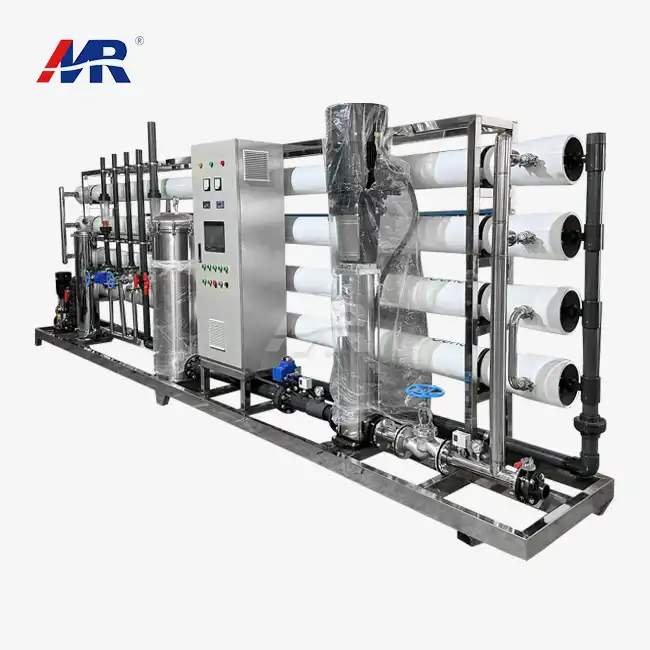
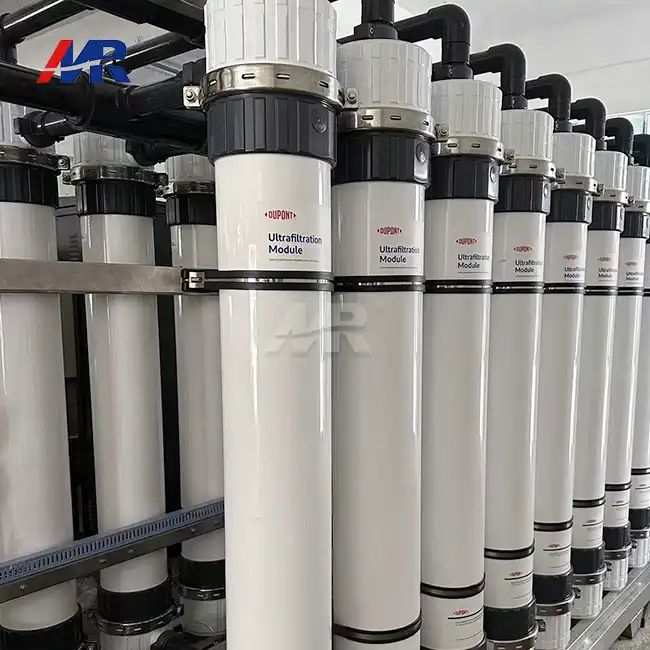
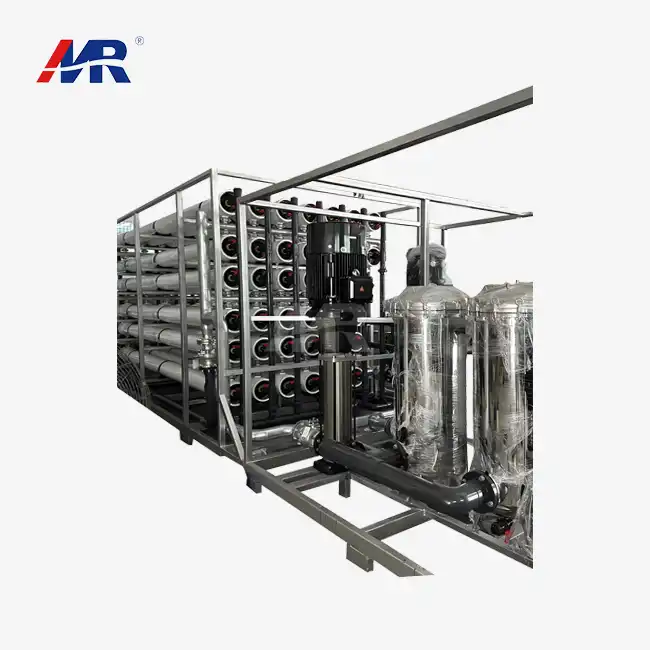
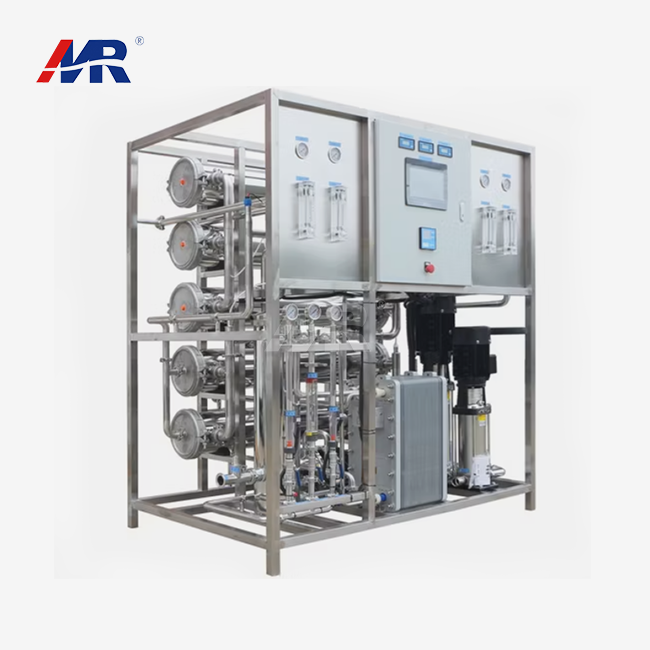
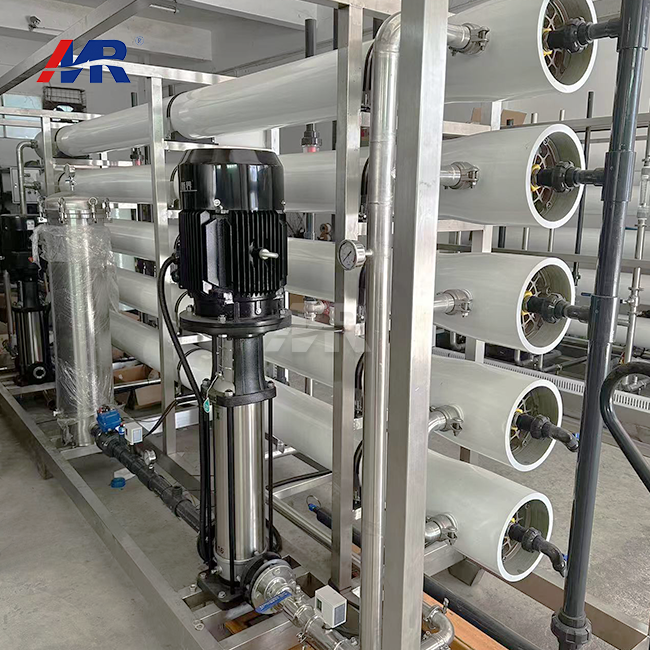
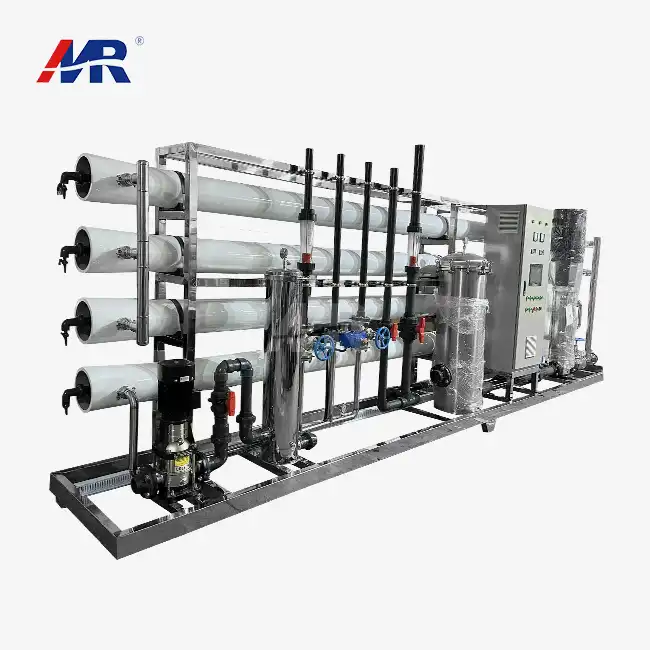
A lot of important parts must work together for a reverse osmosis device to work well. Pumps with a lot of power are what move the water through the membrane barrier. During the pre-filtration steps, drugs and bigger bits that could damage the membrane surface are taken out. Modern control systems change working conditions and check performance factors all the time to make sure things run as smoothly as possible.
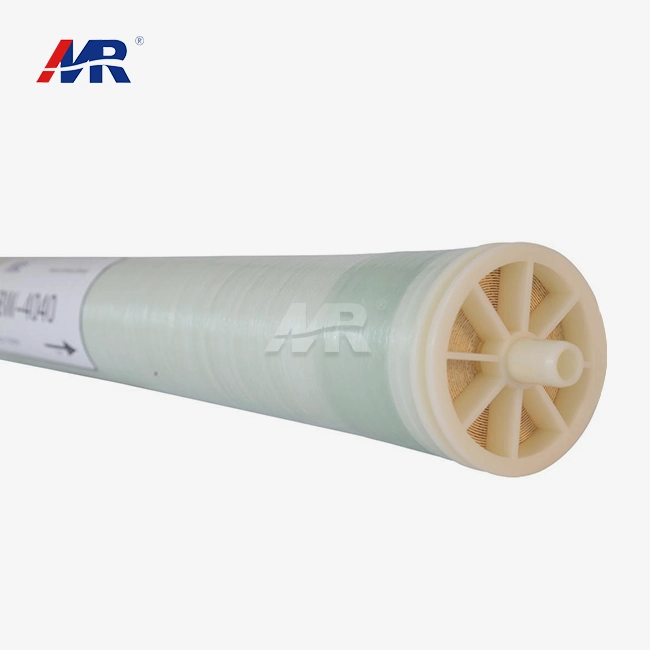
Modern membrane technology has come a long way. Thin-film hybrid membranes have better rejection rates and better flux performance. It is possible for these membranes to reject more than 98% of all dissolved solids while keeping their performance fixed for long periods of time. Adding automatic monitoring systems lets you see how things are going in real time, which makes sure that the water quality output stays the same.
Benefits of Efficient RO Systems Over Alternative Methods
In terms of saving energy and being easy to use, reverse osmosis is clearly better than older methods of treating water like distillation and ion exchange. To turn water into steam, distillation needs a lot of heat energy. RO systems, on the other hand, work at room temperature and use a lot less power. Ion exchange systems need to be regenerated with chemicals on a regular basis, which adds to the trash and makes them harder to run.
Advanced RO technology is better for the world in more ways than one. It saves energy. Up to 75% of the feed water is recovered by modern systems, which means that three-quarters of it is turned into a product that can be used instead of being wasted. This effective use of water answers growing worries about water shortages while lowering the costs of getting rid of concentrate streams.
Design Tips for Building the Most Efficient Reverse Osmosis System
To make a system design work better, you have to think about many things that affect its total performance and the prices of running it, including the most efficient reverse osmosis system. In order to get the most out of a system while also making sure it will last for a long time, engineers and procurement experts must look at membrane selection, system pressure optimization, and flow rate estimates.
Membrane Selection and Configuration Strategies
It makes a big difference in how well and quickly the method works, depending on what kind of material you choose. Low-energy membranes work well when the pressure is low because they use less power but still have high rejection rates. Membranes that don't get dirty easily let you go longer between cleanings and need less maintenance. It's very important to do this when the feed water is rough.
Also, making sure the system is set up right is very important for the best results. Designs that have more than one stage and interstage strengthening can speed up the mending process while keeping the structure of the membrane. The right element spacing and flow distribution make sure that all membrane elements work the same way. This keeps the permeate quality constant and stops the membrane elements from failing too soon.
Energy Optimization and Water Recovery Techniques
For reverse osmosis uses, energy use makes up a big part of the operating costs. The total amount of power needed is cut by up to 60% by energy recovery devices in more modern designs. These devices take hydraulic energy from the concentrate stream. High-pressure pumps with variable frequency drives let you fine-tune flow and pressure, so they can adapt to shifting needs while using as little energy as possible.
Match how much water is saved with how long the membrane lasts to get the best return rate. Higher recovery rates use less feed water, but they also raise the concentration factor across membranes, which could speed up fouling. Advanced process control algorithms are always changing the working settings to keep the healing rate at its best while protecting the integrity of the membrane.
Using water recovery techniques in the system design can make it work even better overall. Concentrated staging and partial recycling of intermediate streams make the best use of water while keeping salt levels at a safe level. These methods need careful hydraulic planning, but in the right situations, they can get recovery rates of more than 85%.
Maintaining High Performance: Operation and Maintenance Strategies
Complete maintenance plans for a system are needed to keep it running well. These plans should include both routine and planned upkeep. Repair methods that are proactive keep systems going at their best for as long as they are used and stop problems before they happen.
Routine Maintenance Protocols for Optimal Efficiency
Key performance measures, such as standardized flux drop, salt passage, and differential pressure across membrane elements, need to be checked regularly for maintenance programs to work. These factors let you know about possible problems early on, before they have a big effect on how well the system works. Operators can spot trends and take quick corrective action when tracking is done once a week.
Filter replacement plans shouldn't be based on random time gaps but on how the system is actually working. By keeping an eye on the difference in pressure before the filter, you can tell when it needs to be changed. This protects the parts further down the line and keeps you from having to change the filter too often. The fouling rate determines how often the membrane needs to be cleaned. This rate changes based on the feed water quality and the working conditions.
You need to be very careful about which chemicals you use and how you use them when you clean with them. Cleaners that are alkaline get rid of organic fouling, and acids break down mineral scales. Cleaning the membrane in a certain order with a variety of chemicals stops a lot of different types of fouling and gets its performance back to a good level.
Performance Monitoring and Predictive Maintenance Technologies
Modern tracking systems use high-tech devices and data analysis to figure out what repair is needed before the system stops working properly. Automatic data logging records working factors all the time, creating files of past information that can be used to look for trends and improve performance. Machine learning systems find small changes in patterns that show problems are getting worse.
Expert support teams can check on the performance of the most efficient reverse osmosis system from a central place and give technical advice and fixing help without having to visit the site. This method cuts down on response times and makes sure that installation locations can always get to specialized knowledge. Predictive repair plans that reduce.
Procurement Guide: Selecting and Buying the Best Reverse Osmosis System
Strategic procurement requires comprehensive evaluation of technical specifications, supplier capabilities, and total cost of ownership considerations. Successful projects begin with a thorough needs assessment and continue through supplier selection, installation, and ongoing support.
Critical Selection Criteria and Performance Specifications
Capacity requirements form the foundation of system specification, but peak demand conditions and growth projections must be considered alongside average flow rates. System capacity should accommodate anticipated expansion while maintaining efficient operation at varying load conditions. Recovery rate targets depend on water availability and discharge regulations, influencing overall system design and operating costs.
Feed water quality analysis guides pretreatment requirements and membrane selection. Total dissolved solids levels, hardness, and organic content determine the complexity of upstream treatment needed. Challenging feed waters may require extensive pretreatment but can achieve excellent results with proper system design.
Energy efficiency specifications should include power consumption per unit of product water, accounting for all system components, including pretreatment and post-treatment equipment. Lifecycle cost analysis helps identify the most economical solutions by considering capital costs, operating expenses, and maintenance requirements over the expected system lifetime.
Market Insights and Supplier Evaluation
The global reverse osmosis equipment market continues expanding, driven by increasing water quality standards and environmental regulations. Suppliers offering integrated solutions with comprehensive support services provide greater value than equipment-only vendors. Technical expertise in system design and application experience in relevant industries significantly impact project success.
Supplier evaluation should encompass manufacturing capabilities, quality control systems, and after-sales support infrastructure. Companies with dedicated membrane production facilities and multiple equipment processing centers can provide better integration and quality assurance for the most efficient reverse osmosis system. Local service networks ensure prompt response to maintenance needs and Technical support requirements.
Conclusion
Achieving optimal performance from reverse osmosis systems requires careful attention to design fundamentals, component selection, and operational maintenance strategies. Modern systems demonstrate remarkable efficiency through advanced membrane technology, energy optimization, and intelligent control systems that adapt to varying operating conditions.
Strategic procurement decisions should evaluate technical specifications alongside supplier capabilities and long-term support commitments. The most efficient reverse osmosis system integrates proven technology with comprehensive support services that ensure sustained performance and operational reliability. Successful installations result from thorough planning, quality equipment, and ongoing maintenance programs that preserve system efficiency throughout the operational lifecycle.
FAQ
1. How often should RO membrane filters be replaced?
Membrane replacement intervals depend on feed water quality and operating conditions rather than fixed schedules. Typically, industrial ro membranes last 2-3 years with proper maintenance, but monitoring normalized flux decline and salt passage provides better indicators of replacement needs. Systems processing challenging feed waters may require more frequent replacement, while high-quality feed waters can extend membrane life beyond typical ranges.
2. Does reverse osmosis remove beneficial minerals from water?
Reverse osmosis removes virtually all dissolved substances, including beneficial minerals like calcium and magnesium. Post-treatment remineralization systems can selectively add desired minerals back to the product water. Many industrial applications prefer completely demineralized water, while drinking water applications often benefit from controlled remineralization to improve taste and nutritional content.
3. What water pressure is optimal for efficient RO operation?
Optimal operating pressure varies based on membrane type and feed water salinity. Most industrial RO systems operate between 10 and 16 bar, balancing energy consumption with membrane performance. Lower pressures reduce energy costs but may compromise rejection rates, while excessive pressure can damage membranes and increase operating costs. Proper system design matches pressure requirements to specific application needs.
Partner with Morui for Superior Water Treatment Solutions
Guangdong Morui Environmental Technology stands ready to support your water treatment objectives with advanced reverse osmosis solutions engineered for industrial excellence. Our integrated approach combines proven membrane technology with comprehensive support services, ensuring optimal performance and operational reliability. As a trusted most efficient reverse osmosis system manufacturer, we deliver customized solutions that meet specific capacity and quality requirements. Contact our technical team at benson@guangdongmorui.com to discuss your project requirements and explore how our expertise can optimize your water treatment operations.
References
1. Membrane Technology and Applications, Third Edition. Richard W. Baker. John Wiley & Sons, 2012.
2. Industrial Water Treatment Handbook, Second Edition. Steven G. Buchberger. McGraw-Hill Professional, 2017.
3. Reverse Osmosis: Design, Processes, and Applications for Engineers. Jane Kucera. Scrivener Publishing, 2015.
4. Water Treatment Engineering: Design and Operation. Michael J. Hammer. Prentice Hall, 2018.
5. Membrane Separation Technology: Principles and Applications. Richard D. Noble and S. Alexander Stern. Elsevier Science, 2019.
6. Advanced Water Treatment Technologies for Industrial Applications. David Chen and Robert Miller. CRC Press, 2020.