_1745823981883.webp)

Reverse Osmosis Water Purification Unit Buyer’s Guide for Businesses
It costs a lot to buy the right reverse osmosis water purification unit, but it will improve the quality of your goods, your business, and your ability to follow the rules. The technology used to clean water in factories has come a long way. Now, new reverse osmosis water purification unit technology can clean water in ways that have never been seen before. This could make a huge difference in how your production goes. Knowing how commercial water purification systems work will help you make smart purchases that will save you money and make things run more smoothly in the long run. This is especially true if you're in charge of a drug factory that needs very pure water to make drugs or a food processing plant where the quality of the water affects the taste and safety of the Products.
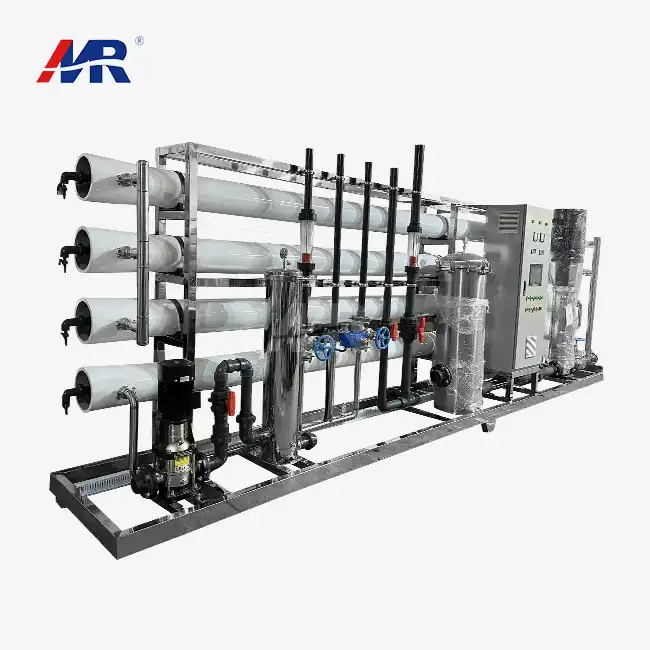
Understanding Reverse Osmosis Water Purification Units
The way companies handle water quality has changed a lot because of commercial water treatment technology. A reverse osmosis system uses a complex filtration process to push water molecules through semi-permeable membranes under pressure. This gets rid of dissolved solids, contaminants, and impurities at the molecular level.
Core Components and Operating Principles
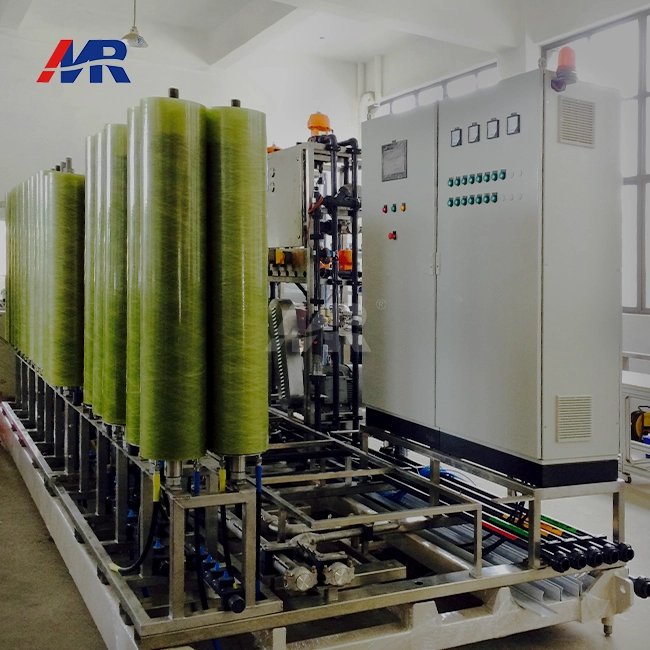
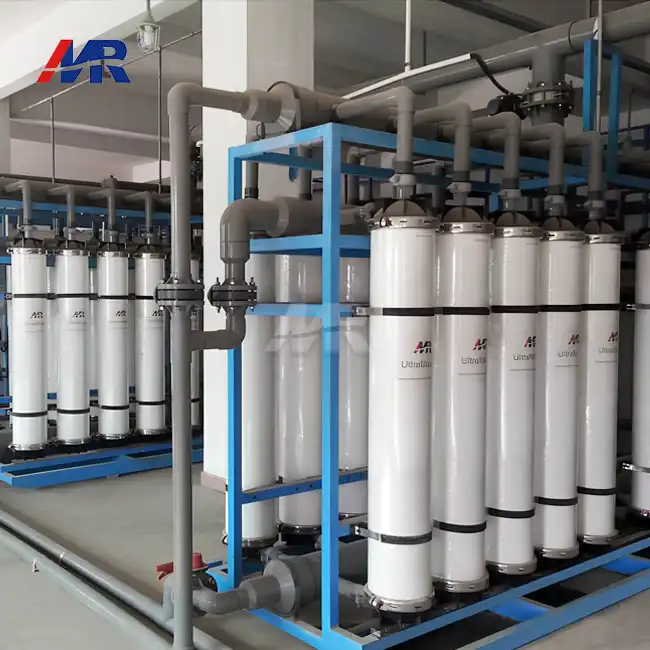
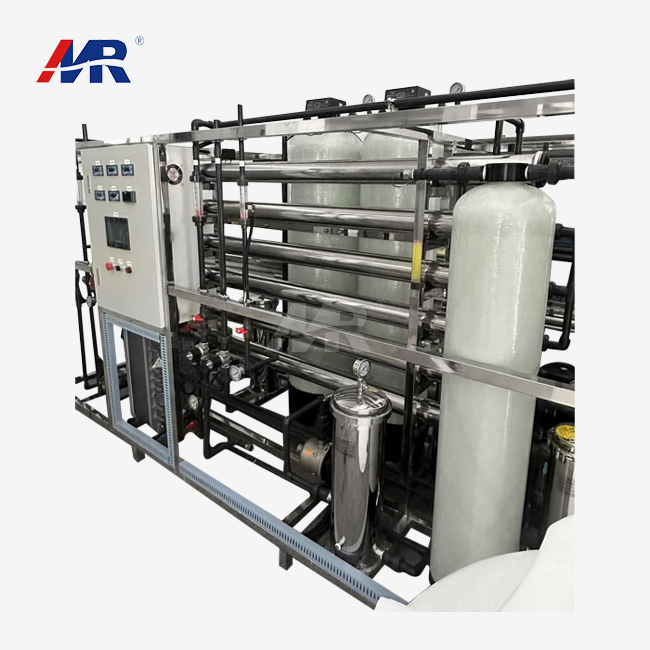
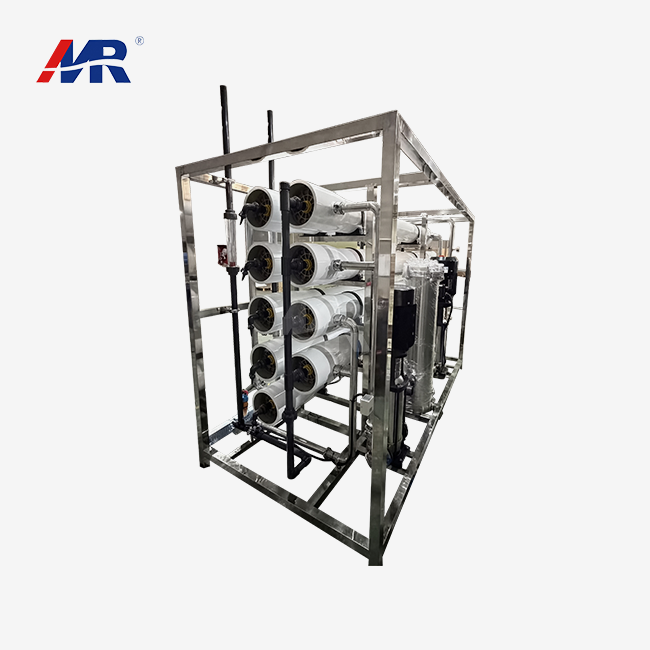
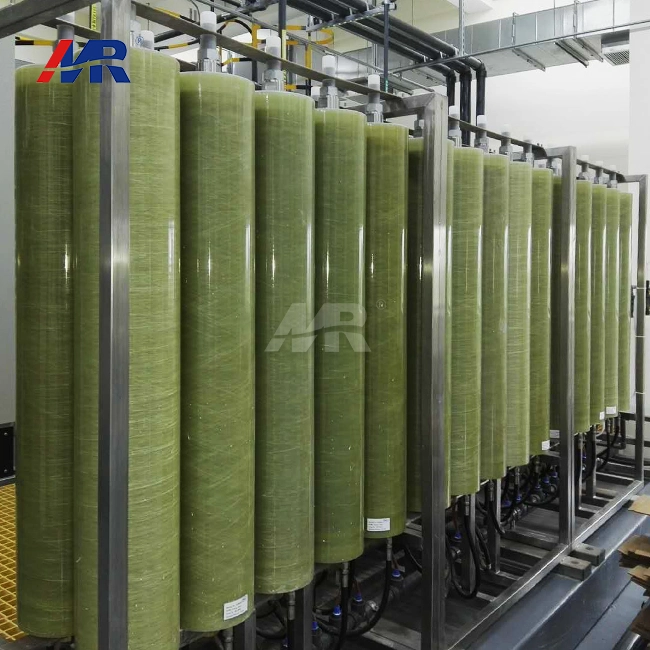
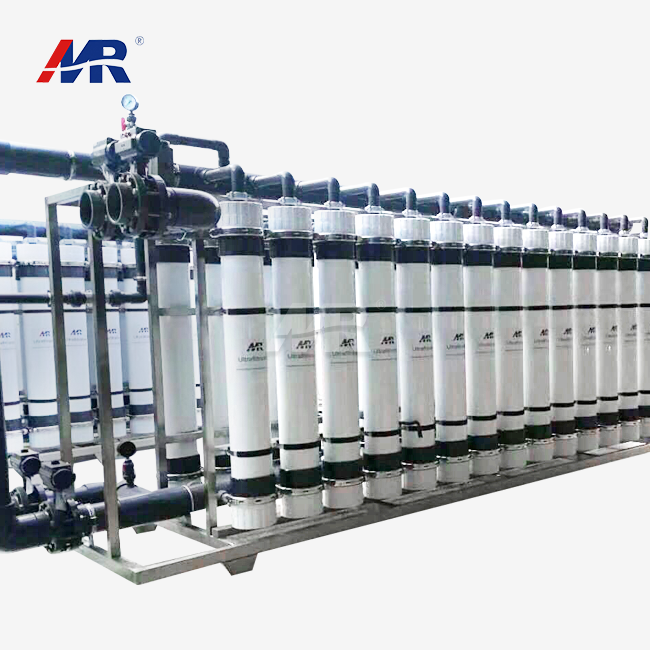
Industrial RO systems are made up of a number of important parts that all work together. High-pressure pumps make the force needed to move water through special membranes. Before the membranes are used, bigger particles that could damage the membranes are removed in pre-filtration stages. Because these membranes have holes that are about 0.0001 microns wide, they can catch contaminants that are as small as salt ions.
Ion exchange materials and electrical current are used together in modern electrodeionization technology to make membrane filtration even better. This makes the water quality very clean. This cutting-edge method creates water with a resistivity of up to 18.2 M·cm, which meets the strict needs of chip manufacturing and medicinal uses.
Advantages Over Alternative Purification Methods
Membrane-based cleaning gets rid of up to 98% of dissolved solids, such as heavy metals, germs, and chemical contaminants. This is different from carbon filter systems, which only deal with taste and smell problems. Microorganisms can be killed by UV decontamination, but it can't get rid of dissolving minerals or chemical pollutants that hurt the quality of products used in production.
RO technology is very useful for companies that need regular water quality because it covers a lot of areas. Instead of using a lot of energy like distillation systems do, current RO units use less than 0.1 kWh/m³, which makes them more efficient for ongoing industrial operations.
Key Factors to Consider When Buying an RO Unit for Your Business
To choose the right industrial water treatment equipment, including a reverse osmosis water purification unit, you need to carefully look at a number of technical and operational factors. Knowing about these things will help you avoid mistakes that cost a lot of money and make sure that your investment works well for your needs.
Water Source Assessment and Quality Requirements
The qualities of your raw water are the most important factors that determine system specs and design needs. A fair amount of suspended solids and chlorine are found in most public water sources. Well water, on the other hand, might be bad because it has a lot of minerals, iron, or bacteria in it. A careful look at the water is necessary to figure out how big the system needs to be and if it needs to be pre-treated.
Different businesses have different standards for water quality. For example, drug firms must use USP-grade water, which has limits on bacteria and how much electricity it can carry. Companies that make food, on the other hand, care more about making sure the water is safe and doesn't taste bad. The water used in electronics making needs to be very clean and almost free of ions so that products don't break during delicate steps.
System Capacity and Performance Specifications
Needs for flow rate have a direct effect on the number of tools and the money that needs to be spent. Systems that can handle between 0.5 and 50 m³/h can handle a lot of different types of business, from small lab jobs to big business processes. Water waste and running costs can be cut by more than 90%. This is especially important for places that need to deal with a lot of water.
Here are the most important speed measures that show how well a system works:
- Energy economy scores that keep costs down and damage to the earth to a minimum
- Details about how long a membrane will last, how much it will cost to replace, and how often it needs to be maintained.
- Recovery rates that make the best use of water and lower the cost of getting rid of trash
- Automated control features that ensure uniform performance without constant human supervision
The total cost of ownership and operating dependability are based on these standards as a whole. Automation in tracking and controlling advanced systems cuts down on the amount of work that needs to be done while keeping performance at its best in a variety of working situations.
Integration and Installation Considerations
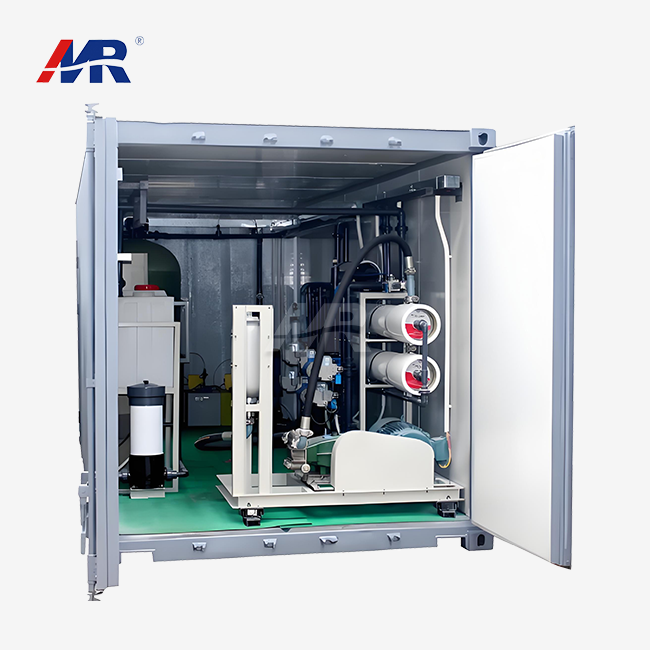
Modular design makes it easier to add on to a system as business needs change. Because the sizes can be changed, the equipment can be installed in the current building plans without requiring major changes. High-grade stainless steel construction lasts for a long time in industrial settings, and food-grade plastic parts keep water clean.
Space limitations often affect the choice of system, which is why small footprint designs are useful for places with limited space. Professional placement makes sure that the equipment works well with current services and follows all local rules for business water treatment equipment.
Maintaining and Troubleshooting Your RO Water Purification Unit
Proactive repair plans greatly increase the life of equipment and make sure that the water quality output stays the same. Knowing what repair needs to be done helps you make accurate budgets for business costs and avoid unplanned breaks that could throw off production plans.
Preventive Maintenance Protocols
Regularly changing the filters is the most important maintenance job to keep the system running well. Before ro membranes, pre-filters need to be changed every three to six months. If you take good care of them, RO membranes can last for two to three years. If you watch the change in pressure between the steps of a filter, you can quickly see when fouling issues need your attention.
Cleaning procedures for membranes help keep the filtering working well and increase the life of parts. Chemical cleaning gets rid of buildups that slow down permeate flow rates and hurt the quality of the water. Performance doesn't go down when cleaning plans are based on working hours and water quality factors.
Common Operational Issues and Solutions
The most common problem in industrial RO systems is membrane fouling. Causes include not doing enough pretreatment, giving the wrong amount of chemicals, or running the system beyond its designed limits. Declining permeate flow, rising pressure needs, and worsening water quality are all signs of this.
System performance tracking tools let you find working problems quickly, before they affect production. In order to keep track of changes in the water quality, conductivity meters are used in the reverse osmosis water purification unit. Pressure gauges, on the other hand, find issues with membrane fouling or pumps. Automation systems always keep an eye on things and let people know when problems start to show up.
Top Reverse Osmosis Water Purification Unit Brands and Solutions for Businesses
In the market for business water cleaning, there are a lot of companies that provide a wide range of products and services. Businesses can find buyers who can meet their needs and help them reach their long-term goals if they know who the big names are in their area and what they do best.
Leading Technology Innovations in 2026
Compared to older generations, new membrane materials have better rejection rates and longer useful lives. Energy recovery devices take pressure energy from concentrated streams and use it again. This can cut power use by up to 40% total. Through cloud-based platforms, smart tracking systems give you real-time information on performance and repair warnings before they happen.
With electrodeionization integration, uses that need very clean water can make big steps forward. This technology gets rid of the need for chemical renewal and achieves levels of resistance that were previously only possible with pricey ion exchange systems. When membrane filtering and electrodeionization are used together, the water quality stays very clean with little chemical use.
Supplier Selection Criteria
When looking at possible providers, you should think about their professional knowledge, ability to make things, and service infrastructure. Equipment from well-known brands with research and development departments is usually more stable, and they offer ongoing expert support. The provision of local service makes sure that repair is done on time and that any working problems are fixed quickly.
Quality licenses, like ISO standards and approvals specific to an industry, show that the production process is good and that there are controls in place to make sure the quality is good. The insurance terms show how sure the company that made the technology is that it works, and detailed service agreements keep important programs from going down.
Making Your Purchase: From Inquiry to Installation
The procurement process for commercial water treatment equipment involves multiple stages requiring careful coordination and technical evaluation. Understanding typical timelines and requirements helps businesses plan effectively and avoid delays that could impact production schedules.
Procurement Best Practices
Custom system design ensures optimal performance for specific applications and site conditions. Experienced manufacturers provide detailed proposals including equipment specifications, installation requirements, and performance guarantees. Comparing multiple proposals helps identify the best value proposition while ensuring technical requirements are fully addressed.
Lead times for custom equipment typically range from 6 to 12 weeks, depending on complexity and manufacturer capacity. Planning procurement activities well in advance prevents production delays and allows time for proper site preparation. Professional installation by qualified technicians ensures optimal performance from system startup.
Post-Purchase Support and Service
Comprehensive warranty coverage protects your investment while providing peace of mind regarding equipment reliability. Service agreements, including preventive maintenance, emergency response, and replacement parts inventory, help maintain continuous operation. Training programs for your maintenance staff enable effective system operation and basic troubleshooting.
Replacement filter availability ensures uninterrupted reverse osmosis water purification unit operation throughout the equipment's lifespan. Establishing relationships with reliable suppliers provides access to genuine components and Technical support when needed. Regular service reviews help optimize system performance and identify opportunities for efficiency improvements.
Conclusion
Investing in the right reverse osmosis water purification unit requires careful consideration of technical specifications, operational requirements, and long-term support needs. Modern RO systems combining membrane filtration with electrodeionization technology deliver exceptional water quality while minimizing energy consumption and maintenance requirements. Success depends on thorough evaluation of your specific applications, proper system sizing, and partnership with experienced manufacturers who provide comprehensive support throughout the equipment's lifespan.
FAQ
1. What flow rate should I choose for my business?
Flow rate selection depends on your daily water consumption and peak demand periods. Systems offering 0.5-50 m³/h ranges accommodate most commercial applications. Calculate your maximum hourly requirements, including process water, cleaning operations, and future expansion needs, to determine appropriate capacity.
2. How often do RO membranes need replacement?
Membrane lifespan typically ranges from 2-3 years, depending on water quality, operating conditions, and maintenance practices. Regular monitoring of pressure differential and permeate quality provides indicators for replacement timing. Proper pre-treatment and cleaning protocols significantly extend membrane life.
3. What makes electrodeionization superior to traditional ion exchange?
Electrodeionization combines membrane separation with electrical current to achieve continuous ion removal without chemical regeneration. This technology delivers consistent ultra-pure water quality while eliminating the costs and environmental impact of regeneration chemicals required by traditional ion exchange systems.
Partner with Morui for Your Reverse Osmosis Water Purification Unit Needs
Morui Environmental Technology combines advanced electrodeionization with precision membrane filtration to deliver commercial water treatment solutions that exceed industry standards. Our systems achieve ultra-pure water quality with resistivity up to 18.2 MΩ·cm while maintaining recovery rates above 90% and power consumption below 0.1 kWh/m³. As an established reverse osmosis water purification unit manufacturer with over 500 employees, 20 engineers, and our own membrane production facilities, we provide complete turnkey solutions from initial consultation through installation and ongoing service. Contact our technical team at benson@guangdongmorui.com to discuss your specific requirements and discover how our proven water treatment expertise can optimize your operations.
References
1. American Water Works Association. "Membrane Processes in Water Treatment: Principles and Applications." Journal of Water Treatment Technology, 2023.
2. International Desalination Association. "Industrial Water Treatment: Best Practices for Commercial Applications." Water Quality Standards Manual, 2024.
3. Environmental Protection Agency. "Guidelines for Industrial Water Purification Systems." Federal Water Quality Regulations, 2023.
4. Water Quality Association. "Reverse Osmosis Technology in Commercial Applications: Performance Standards and Certification Requirements." Technical Bulletin, 2024.
5. National Sanitation Foundation International. "Commercial Water Treatment Equipment: Testing and Certification Protocols." NSF Standards Documentation, 2023.
6. Industrial Water Treatment Association. "Energy Efficiency in Commercial Reverse Osmosis Systems: Performance Benchmarks and Optimization Strategies." Technical Report, 2024.