

_1745823981883.webp)

ROI Water System for Commercial and Industrial Water Reuse Projects
ROI water system technologies have changed the way business and industrial water reuse is done by giving investors a great return on their money through improved membrane filters and resource recovery. Reverse osmosis, ultrafiltration, and electrodeionization are all used together in these all-in-one water treatment options to get better cleaning results while also increasing water collection rates and lowering running costs. Modern commercial water reuse systems let businesses in the manufacturing, pharmaceutical, food processing, and municipal sectors turn wastewater streams into useful resources. This cuts the need for freshwater by up to 75% while still meeting the high-quality standards needed for industrial processes and following the rules.
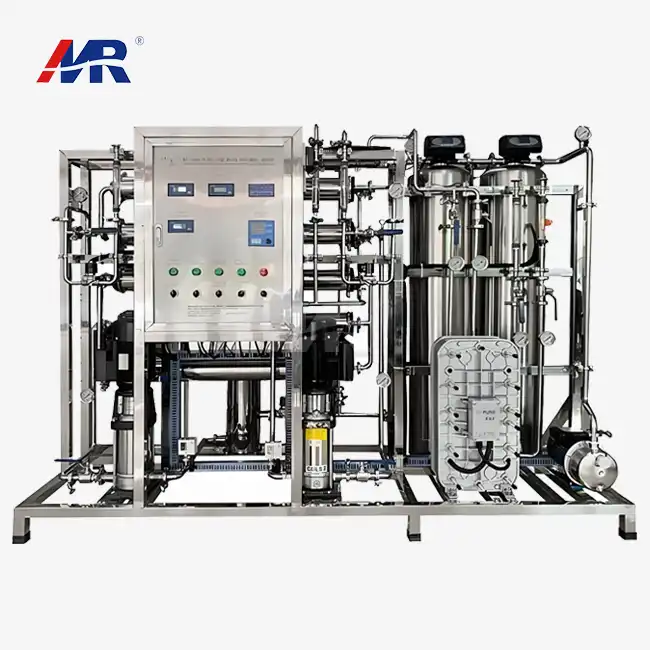
Understanding ROI Water Systems: Technology and Benefits
ROI water systems are a big change in the way industrial water is treated because they combine several different types of water cleaning technologies to provide the best performance and lowest costs. These advanced systems are different from traditional single-stage treatments because they combine cleaning, membrane separation, and post-treatment processes into one platform that is meant to work as efficiently as possible.
Core Technology Components and Operational Mechanisms
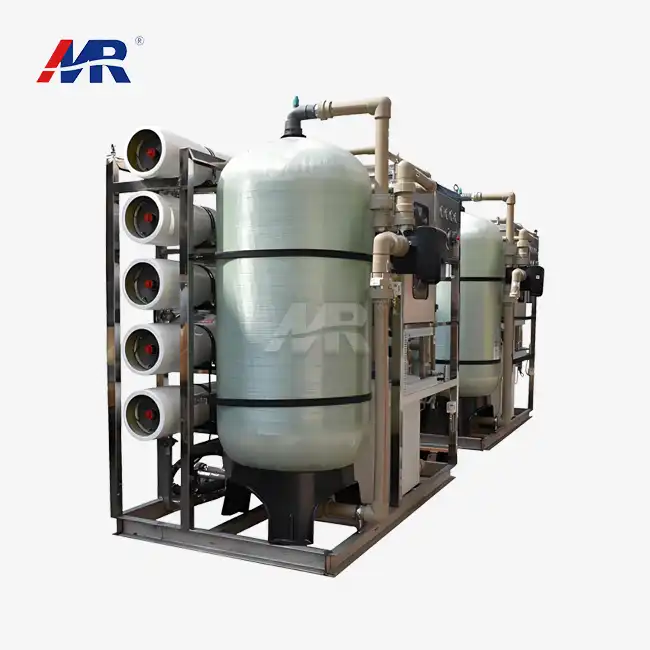
Membrane technology and process coupling are the building blocks of water treatment systems that work well. These systems are built around thin-film composite membranes that are high-flux and low-fouling. These membranes can reject over 99% of dissolved solids while keeping the quality of the permeate constant. The pressure at which these membranes work is carefully controlled and ranges from 150 to 600 psi, based on the feed water and the goal specs.
In more advanced steps of pretreatment, filter methods are changed based on the quality factors of the feed water. Multistage filtration gets rid of solids that are stuck in the fluid, and chemical treatment deals with the risks of scaling and biological fouling. This thorough cleaning method increases the life of the membrane and keeps the system running at its best for longer amounts of time.
Using customizable logic devices with tablet screens lets you keep an eye on things in real time and make changes automatically to keep them running at their best. These control systems keep an eye on important performance factors like flow rates, pressure differences, and water quality parameters all the time. When they start to deviate, they automatically make changes to fix the problem.
Quantifiable Benefits for Industrial Operations
Up to 75% water recovery rates cut down on the amount of freshwater used and garbage discharged, which has a direct effect on running costs and the need to meet environmental standards. With an energy use of only 1.6 to 1.8 kWh per cubic meter, these systems are some of the most energy-efficient ways to treat wastewater, especially when compared to thermal distillation or multiple-effect evaporation technologies.
The small size design makes it easier to integrate into current buildings without making major changes to the infrastructure. This use of space effectively is especially useful in industrial areas of cities where land prices are high and there aren't many chances to grow. Automated operation skills cut down on the amount of work that needs to be done while maintaining uniform performance. This frees up expert staff to focus on more important tasks like optimization and maintenance.
Selecting the Right ROI Water System for Your Business
To pick the best technology for reusing water, you need to carefully look at performance measures, infrastructure compatibility, long-term operating needs, and the ROI water system. A good system choice combines the need for instant capacity with the ability to grow in the future, all while making sure that the new system works seamlessly with the old one.
Performance Metrics and Compatibility Assessment
How much water a machine gets back is the best way to tell how well it works. Based on the type of water they use and their needs, the best solutions can get back between 70 and 85% of the water they use. Higher recovery rates directly mean less use of freshwater and lower costs for getting rid of garbage. This is especially important for places that deal with a lot of it every day.
When it comes to saving energy, most of the different ways are pretty good. As an example, heating methods that don't use membranes use about 60–70% more energy. That way, the building's energy tools and ways of handling high demand will work best with the building's power use trends.
What kind of material you pick will determine both how well it works and how often it needs to be cleaned. High-flux membranes make more output per unit area, and low-fouling qualities mean that they need to be cleaned more often with fewer chemicals. These things directly affect how to figure out the total cost of ownership and what needs to be planned for running the business.
Infrastructure Integration and Investment Considerations
When new water treatment systems can work with old ones, integration costs are kept to a minimum and project timelines are shortened. Phased setups are possible with modular system designs, which let facilities increase capacity as demand rises without stopping operations.
Customizing the pretreatment makes sure that it works best in a wide range of feed water conditions. Facilities that deal with streams that are high in salt need to clean in different ways than facilities that deal with process water that is low in turbidity. Instead of big, one-size-fits-all options, these are flexible enough to be made to fit the needs of each application.
To make the system better in the future, you can add more membrane units or run different systems at the same time thanks to the setup's flexibility. This ability to grow protects initial investments and gives businesses the freedom to change how they run as their needs do.
Installation, Maintenance, and Troubleshooting of ROI Water Systems
Correct construction methods and regular upkeep schedules are necessary for business water reuse systems to work well and last for a long time. Professional installation ensures the best performance, and thorough upkeep plans extend the life of tools and keep the quality of output constant.
Professional Installation Procedures
In order to prepare a site properly, it must have enough room, be connected to utilities, and have the right weather controls in place so that the system works at its best. A well-designed base stops vibrations from spreading and makes sure there is enough water for system upkeep and emergency situations.
Utility links include devices that bring in electricity, compressed air, and chemicals that are needed for automatic operation. To work reliably, advanced PLC control systems need a stable power source and the right way to ground themselves. Connectivity to a network lets you watch things from afar and handle reporting tasks that building management systems are asking for more and more.
During commissioning, the system is checked to make sure it works as planned and the normal working conditions are set. In every part of the system, this process checks the water quality, the flow rate, and how stable the membrane is. For ongoing maintenance and repairs, having the right paperwork from the start of the process is very helpful.
Maintenance Best Practices and Troubleshooting
The main purpose of regular checking methods is to find changes in pressure, flow rates, and seep quality readings that show how well the system is working. When problems are checked every day, they are found as they start to happen, before they get worse, and need help right away. Automatic data logging systems keep detailed records of how things work, which can be used to figure out what needs to be fixed.
Regular cleaning gets rid of dirt and grime that has built up, which keeps membranes working well and tools lasting longer. Once a week to once a month, chemicals are cleaned. How often depends on the feed water and how full the system is. You can help membranes last longer and get the best flow rates back if you use the right cleaners and follow the right steps.
Performance fixing fixes common issues with how things work, like mistakes in quality, less flow, and changes in pressure in the ROI water system. Methods of systematic testing find the reasons why things go wrong and the best ways to fix them. Small problems in the ROI water system don't have to get worse and cause system crashes or long times of downtime if you know when to call for help.
Environmental and Economic Impact of Using ROI Water Systems
The implementation of advanced water reuse technologies delivers measurable environmental benefits while generating substantial economic returns for industrial facilities. These systems contribute to corporate sustainability objectives while reducing operational costs and regulatory compliance risks.
Water Conservation and Energy Efficiency Improvements
Water savings achievements through comprehensive reuse programs typically range from 30% to 75% of total facility consumption, depending on system design and application scope. These reductions directly translate to lower utility costs and reduced environmental impact from freshwater withdrawal and wastewater discharge.
Energy efficiency improvements compared to conventional treatment methods result from optimized process design and advanced automation capabilities. Membrane-based systems consume significantly less energy than thermal separation processes while maintaining superior product quality. Variable frequency drives and energy recovery devices further enhance efficiency by matching power consumption to actual demand.
The reduction in wastewater discharge volumes minimizes treatment costs and regulatory compliance requirements. Many facilities achieve zero liquid discharge through comprehensive water reuse implementation, eliminating ongoing disposal costs while enhancing environmental stewardship credentials.
Regulatory Compliance and Sustainability Goals
Environmental regulation compliance becomes increasingly straightforward with advanced water treatment capabilities. Systems designed to meet stringent discharge requirements provide operational flexibility while ensuring consistent regulatory compliance across varying operational conditions.
Corporate sustainability reporting benefits from quantifiable water conservation and energy efficiency improvements. Many organizations incorporate water reuse achievements into environmental, social, and governance reporting requirements, enhancing stakeholder confidence and regulatory relationships.
Case studies from pharmaceutical manufacturing facilities demonstrate 40-60% reductions in freshwater consumption through comprehensive water reuse implementation, including the ROI water system. Food processing operations achieve similar results while maintaining strict product quality standards required for consumer safety and regulatory approval.
Conclusion
ROI water systems represent essential infrastructure investments for commercial and industrial facilities seeking sustainable, cost-effective water management solutions. These advanced technologies deliver exceptional water recovery rates, energy efficiency, and operational reliability while supporting environmental compliance and corporate sustainability objectives. The integration of high-performance membranes, automated controls, and customizable pretreatment ensures optimal performance across diverse applications from pharmaceutical manufacturing to municipal water treatment. Successful implementation requires careful system selection, professional installation, and comprehensive maintenance protocols supported by experienced technical teams. Organizations investing in advanced water reuse technologies achieve significant operational cost reductions, enhanced regulatory compliance, and improved environmental stewardship while securing long-term water supply reliability for critical business operations.
FAQ
1. What factors affect ROI water system efficiency in industrial applications?
System efficiency depends primarily on feed water quality, membrane condition, and maintenance protocols. Higher total dissolved solids concentrations require more energy for separation, while suspended solids can accelerate membrane fouling. Temperature variations affect membrane flux rates, with optimal performance typically occurring between 15 and 25°C. Regular cleaning and proper pretreatment maintain peak efficiency, while automated monitoring systems identify performance deviations before they impact productivity.
2. How often should commercial water reuse systems undergo maintenance?
Commercial systems require daily monitoring of key performance indicators and weekly cleaning cycles under normal operating conditions. Monthly comprehensive inspections include membrane integrity testing and system calibration verification. Annual maintenance involves complete system inspection, component replacement, and performance optimization. High-fouling applications may require more frequent cleaning, while facilities with excellent pretreatment can extend intervals safely.
3. Can ROI water systems integrate with existing water treatment infrastructure?
Modern water reuse systems feature modular designs enabling seamless integration with existing infrastructure through standardized connections and compatible control protocols. Retrofitting typically requires minimal modifications to existing piping and electrical systems. Automated control systems can interface with facility management platforms through standard communication protocols, enabling centralized monitoring and operation coordination across multiple treatment processes.
Partner with Morui for Advanced Water Reuse Solutions
Maximize your facility's water efficiency potential through Morui's proven expertise as a leading roi water system manufacturer serving commercial and industrial markets worldwide. Our engineering team provides customized solutions combining cutting-edge membrane technology with comprehensive service support to deliver exceptional return on investment for your water reuse projects. Contact our specialists at benson@guangdongmorui.com to discuss your specific requirements and receive detailed technical proposals within 48 hours.
References
1. Industrial Water Treatment Technology Assessment: Advanced Membrane Systems for Commercial Applications, American Water Works Association Research Foundation, 2023.
2. Economic Analysis of Water Reuse Technologies in Manufacturing Industries, Journal of Environmental Engineering and Management, Volume 33, 2024.
3. Membrane Technology Performance Standards for Industrial Water Treatment Applications, International Water Association Technical Report, 2023.
4. Energy Efficiency Optimization in Commercial Water Treatment Systems, Water Environment Research Foundation, 2024.
5. Regulatory Compliance Guidelines for Industrial Water Reuse Projects, Environmental Protection Agency Industrial Water Program, 2023.
6. Sustainable Water Management Practices in Commercial and Industrial Facilities, Water Reuse Association Best Practices Manual, 2024.
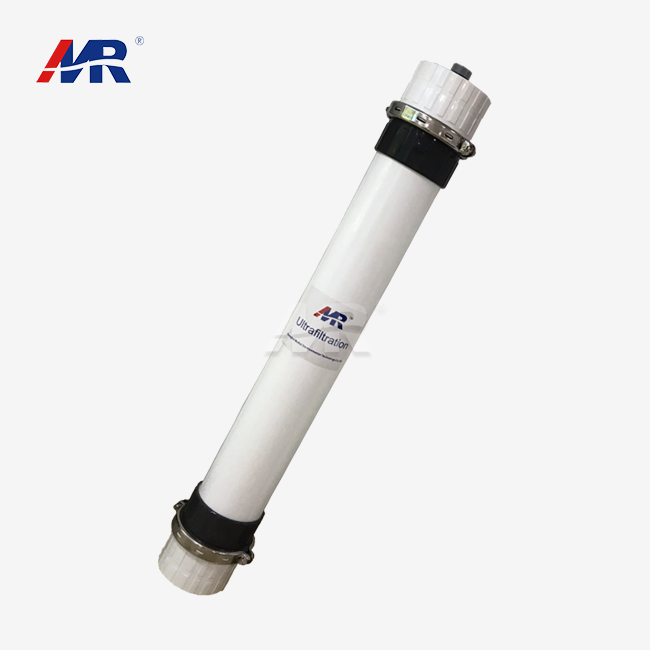 VIEW MOREultrafiltration membrane system
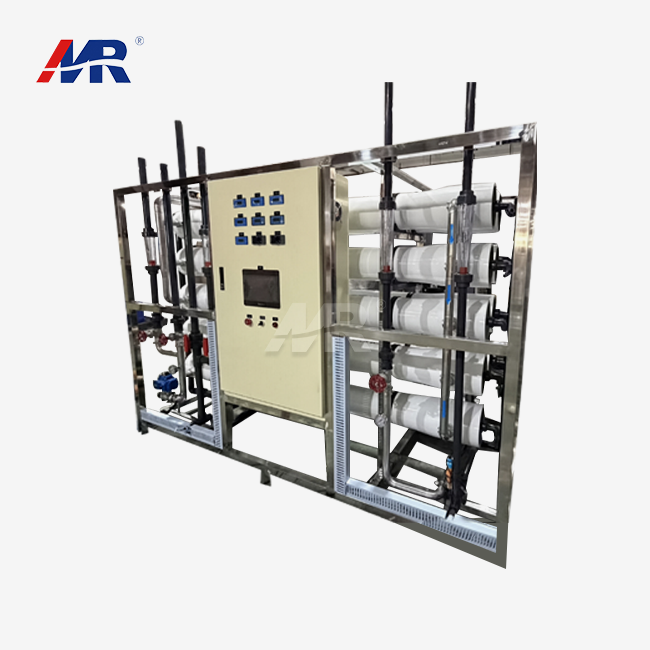 VIEW MORE8 stage reverse osmosis system
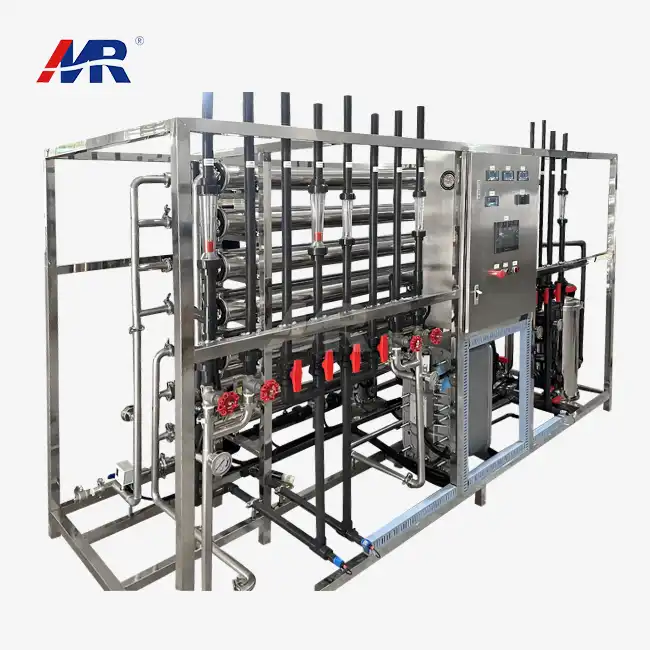 VIEW MORE2m3/hour EDI system
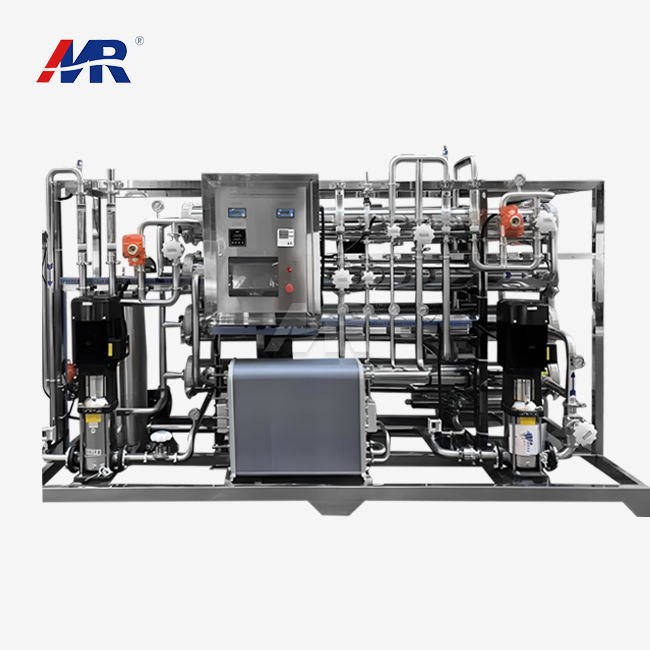 VIEW MOREelectro deionizer system
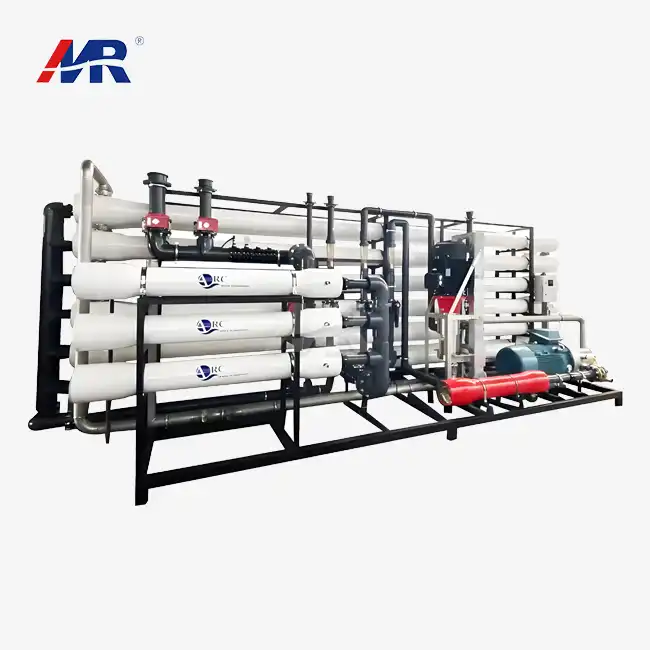 VIEW MORE25m3/hour seawater desalination plant
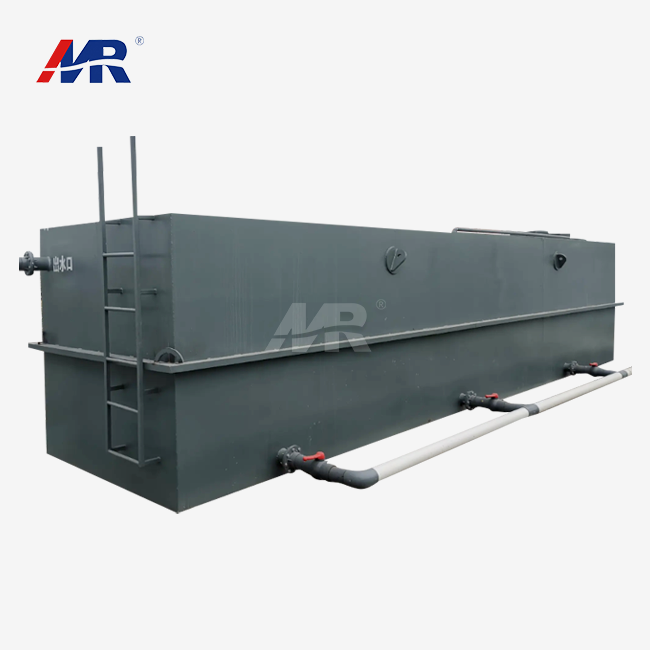 VIEW MOREdomestic wastewater treatment plant
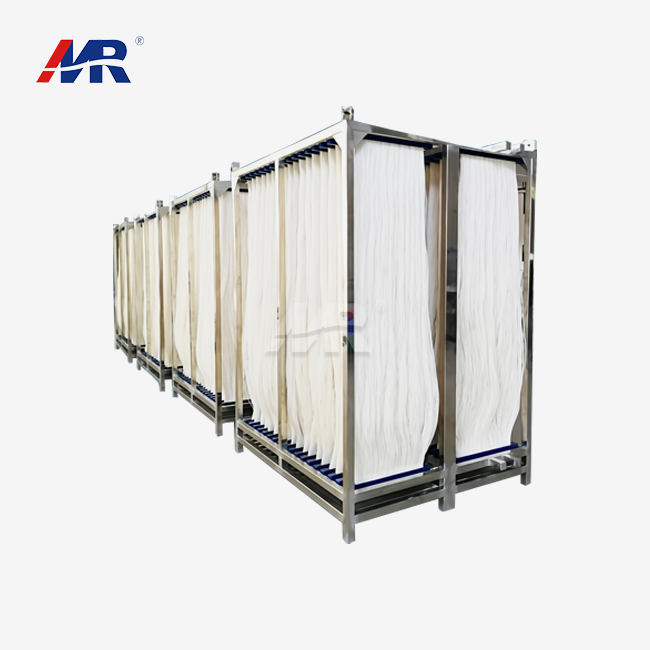 VIEW MOREbioreactor wastewater treatment
 VIEW MORE8m3/hour seawater desalination equipment
