

_1745823981883.webp)

Best Reverse Osmosis Water Treatment Machine for Industrial Use
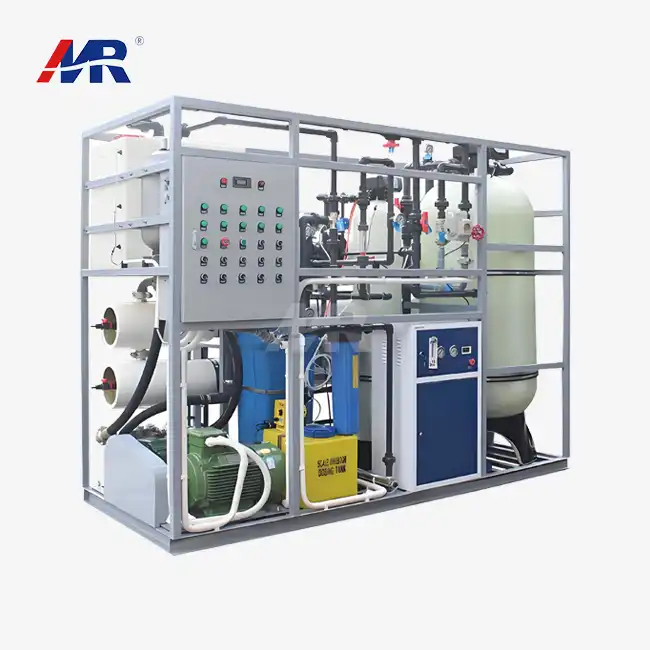
Companies want to find the best reverse osmosis water treatment machine for their needs. This machine should clean water regularly and well, and it should also meet strict working requirements. There are different types of water that need different kinds of reverse osmosis systems to get rid of solids, contaminants, and other things that shouldn't be in the water. So, they are important in areas that need good water, like medicine, making food, making things, and more.
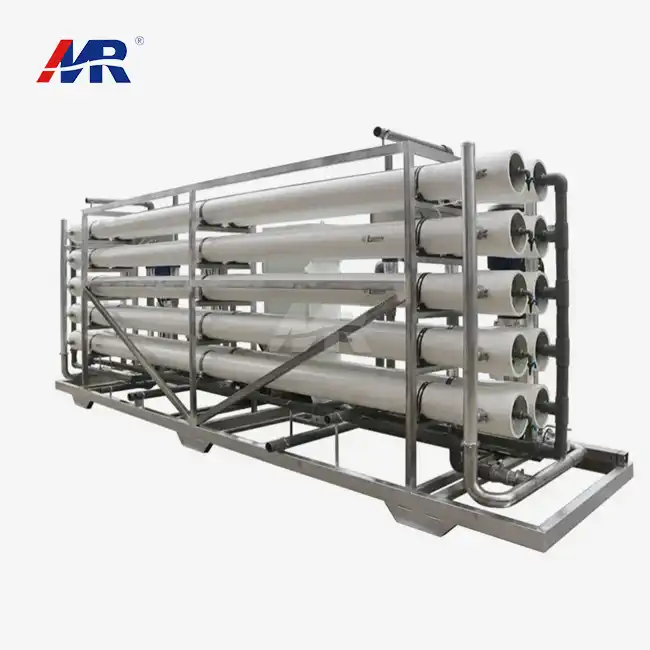
Understanding Reverse Osmosis Water Treatment for Industrial Use
Using semi-permeable filters to get rid of up to 99% of dissolved contaminants, minerals, and organic materials, reverse osmosis has changed the way industrial water is cleaned. The highly advanced process works by applying pressure to move water molecules through tiny membrane holes while bigger contaminants are pushed out. The product is very pure water.
How Industrial RO Systems Operate
Multiple filter steps are built into industrial reverse osmosis systems to make them as efficient as possible and extend the life of the membranes. Usually, silt filtration and carbon treatment are part of the pre-treatment phase. These clean the water of chlorine, dirt, and other things that could damage the ro membrane. The water then goes through the reverse osmosis membrane, which is the system's main part. This is where chemicals, bacteria, viruses, and liquid solids are sorted and thrown away.
During the post-treatment step, extra cleaning screens and sanitation methods are often used to make sure the final water quality meets certain industry standards. Additionally, a lot of systems can remineralize when a certain level of minerals is needed for certain tasks.
Compliance with Industrial Standards
Modern commercial RO systems are made to meet or go beyond global water quality rules, such as FDA, NSF, and industry-specific rules like GMP for medicinal uses. Advanced tracking systems keep an eye on factors of water quality all the time, making sure that the result is always the same and meets the strictest industry standards.
Key Factors to Consider When Choosing an Industrial Reverse Osmosis Machine
This is a list of important things to keep in mind as you choose the best commercial reverse osmosis water treatment machine water cleaning system. It will depend on these things for how well it works, how much it costs, and how stable it is. These things help buying teams make choices that are good for their business.
Production Capacity and Flow Rate Requirements
To pick the right RO system size for an industrial building, you need to know how much water they use and when the demand is strongest. They can treat anywhere from 50 to 10,000 m³ per day, so they can take care of small companies to huge industrial buildings. The recovery rate of the system, which is the amount of feed water that is turned into clean product water, has a big effect on both the cost of running the system and its ability to protect the environment.
Feed Water Quality Analysis
Characteristics of raw water have a direct effect on how systems are designed and how well they need to work. Facilities that use water from city sources, wells, or outdoor sources all have their own problems that need special pretreatment methods. Total dissolved solids (TDS) levels, hardness, chlorine content, and bacterial pollution are all things that are taken into account when specifying a system and choosing a membrane.
Energy Efficiency Considerations
Modern commercial RO systems use as little as 0.3 to 0.5 kWh/m³ of energy thanks to smart control systems, energy return devices, and well-designed pumps. Variable frequency drives change the speed of the pumps based on demand, and pressure optimization cuts down on energy waste when demand is low.
System Integration and Automation
Modern factories have RO systems that are fully automatic, can be monitored from afar, and work well with the plant's current control systems. Real-time performance data, predictive maintenance alerts, and automatic cleaning processes keep operators from having to do too much while increasing the system's stability and dependability.
Maintenance, Common Issues, and Longevity of Industrial RO Systems
You need to take care of your industrial RO system if you want it to work well and last as long as possible. Common operational problems and how to fix them are things that facilities should know in order to make good repair plans that cut down on downtime and keep operational costs low.
Preventive Maintenance Protocols
As part of normal upkeep plans, the pre-filter is replaced, the membrane is cleaned, and the system is rendered germ-free. Carbon filters might last three to six months, but sediment filters need to be changed every month. It depends on how good the feed water is. The RO filters should work well for two to three years if you take good care of them. You might have to change them more often, though, if the water you feed them is hard.
Membrane Fouling and Scaling Prevention
Most of the time, membrane fouling is what goes wrong with business RO systems. Biological fouling is when germs and minerals that have been dissolved in water stick to membrane surfaces. When membranes break down or systems get clogged, less water is made, more salt gets through, or working pressures are high. Systematic ways of changing things help you get to the bottom of problems and fix them.
Troubleshooting Common Performance Issues
When membranes break down or systems get clogged in a reverse osmosis water treatment machine, less water is made, more salt gets through, or working pressures are high. Systematic ways of changing things help you get to the bottom of problems and fix them in the reverse osmosis water treatment machine. Monitoring speed and logging data on a regular basis lets you find problems early on in the reverse osmosis water treatment machine, before they affect business.
Procuring the Best Industrial Reverse Osmosis Water Treatment Machine
The industrial RO market has a lot of high-performance choices that are made for different uses and situations. To do good buying, you need to know about the technologies that are available, check out the skills of the suppliers, and balance the short-term costs with the long-term practical benefits.
Market-Leading Technologies
Modern industrial RO systems use high-tech membrane materials that don't get clogged or broken down by chemicals and keep high rejection rates across a wide range of contaminants. Low-pressure membranes use less energy without lowering performance, and specialized membranes can handle difficult feed waters like seawater, brackish water, and highly polluted industry sources.
Supplier Evaluation Criteria
Manufacturers with a good reputation have track records of successful installs, full guarantee coverage, and quick expert help. Long-term system dependability and running costs are greatly affected by the availability of local service, extra parts, and training programs. Established companies with separate industrial sections usually have more application knowledge and can make changes to fit your needs better.
Cost Analysis and Procurement Strategies
Total cost of ownership estimates need to take into account the starting costs of the equipment, the costs of installation, the ongoing costs of upkeep, the amount of energy used, and the plans for replacing the membranes. Cost savings are often found with bulk purchases and standard setups, while custom-engineered systems provide the best performance for specific uses.
Morui's Industrial RO Solutions
Guangdong Morui Environmental Technology Co., Ltd. brings over a decade of specialized experience in industrial water treatment, delivering comprehensive solutions that address the diverse needs of modern manufacturing facilities. Our integrated approach combines advanced technology, expert engineering, and dedicated support to ensure optimal system performance throughout the equipment lifecycle.
Comprehensive Product Portfolio
Our industrial water treatment systems efficiently remove contaminants from various wastewater types, including industrial effluents, municipal sewage, and agricultural runoff. These systems utilize proven combinations of physical, chemical, and biological processes to achieve superior treatment results that consistently meet or exceed regulatory requirements.
The modular design philosophy allows for scalable installations that grow with expanding operations while maintaining consistent performance standards. Our compact footprint optimization helps facilities maximize valuable floor space without compromising treatment capacity or accessibility for maintenance operations.
Advanced Technical Specifications
Our systems deliver treatment capacities ranging from 50 to 10,000 m³/day with removal efficiencies up to 99% for BOD, COD, and TSS parameters. Energy consumption remains optimized at 0.3-0.5 kWh/m³ through intelligent system design and advanced automation features. Fully automated operation with remote monitoring capabilities provides real-time performance data and predictive maintenance alerts.
The comprehensive workflow includes preliminary treatment for screening and grit removal, primary sedimentation processes, secondary biological treatment, advanced MBR filtration and disinfection, and integrated sludge management systems. This multi-stage approach ensures consistent output quality while minimizing operational complexity.
Industry Applications and Expertise
Our water treatment solutions serve diverse industries, including food and beverage processing, pharmaceutical manufacturing, textile production, chemical processing, and municipal utilities. Each application receives customized engineering attention to address specific water quality requirements, regulatory compliance needs, and operational constraints.
Through strategic partnerships with leading component manufacturers, including Shimge Water Pumps, Runxin Valves, and Createc Instruments, we deliver integrated reverse osmosis water treatment machine solutions that optimize performance while ensuring component compatibility and service availability. Our in-house membrane production facility provides quality control and customization capabilities that standard suppliers cannot match.
Conclusion
Industrial reverse osmosis water treatment machines represent critical infrastructure investments that directly impact product quality, regulatory compliance, and operational efficiency. Successful procurement requires careful evaluation of capacity requirements, feed water characteristics, energy efficiency, and supplier capabilities. Modern systems deliver exceptional performance through advanced membrane technologies, intelligent automation, and comprehensive monitoring systems. Partnering with experienced manufacturers who provide integrated solutions, responsive support, and proven track records ensures optimal long-term value and operational success.
FAQ
1. What membrane replacement intervals should I expect for industrial RO systems?
Industrial RO membrane lifespan typically ranges from 2 to 3 years under normal operating conditions with proper maintenance. However, challenging feed water quality, inadequate pretreatment, or aggressive cleaning chemicals can reduce membrane life. Regular performance monitoring helps determine optimal replacement timing based on actual system performance rather than arbitrary schedules.
2. How does RO technology compare to other industrial water treatment methods?
Reverse osmosis provides superior contaminant removal compared to conventional filtration methods, effectively eliminating dissolved solids, bacteria, viruses, and organic compounds. While ultrafiltration and UV treatment serve specific applications, RO technology offers the broadest spectrum of removal capabilities. Many facilities combine RO with complementary technologies like carbon filtration and UV disinfection for comprehensive water treatment.
3. Can industrial RO systems integrate with existing water treatment infrastructure?
Modern industrial RO systems are designed for seamless integration with existing plant infrastructure through standardized connections, compatible control systems, and flexible installation configurations. Professional engineering assessments evaluate existing systems and develop integration strategies that minimize installation complexity and operational disruption.
Partner with Morui for Your Industrial Water Treatment Needs
Morui's extensive experience in industrial water treatment, combined with our comprehensive product portfolio and dedicated support services, makes us your ideal reverse osmosis water treatment machine supplier for demanding industrial applications. Our Team of 20 specialized engineers and nationwide service network through 14 branch locations ensures responsive support and optimal system performance. Contact our technical specialists at benson@guangdongmorui.com to discuss your specific requirements and discover how our customized solutions can enhance your operational efficiency while meeting the most stringent water quality standards.
References
1. Industrial Water Treatment Handbook: Reverse Osmosis Applications and Best Practices, 2023 Edition, Water Quality Association.
2. Membrane Technology in Industrial Water Treatment: Performance Analysis and Cost Optimization, Journal of Industrial Water Management, Vol. 45, 2023.
3. Energy Efficiency Standards for Industrial Reverse Osmosis Systems, American Water Works Association Research Foundation, 2022.
4. Regulatory Compliance Guide for Industrial Water Treatment Systems, Environmental Protection Agency Industrial Guidelines, 2023.
5. Maintenance Protocols and Troubleshooting Guide for Industrial RO Systems, International Desalination Association Technical Manual, 2022.
6. Cost-Benefit Analysis of Industrial Water Treatment Technologies: A Comprehensive Market Study, Water Technology International, Annual Review 2023.
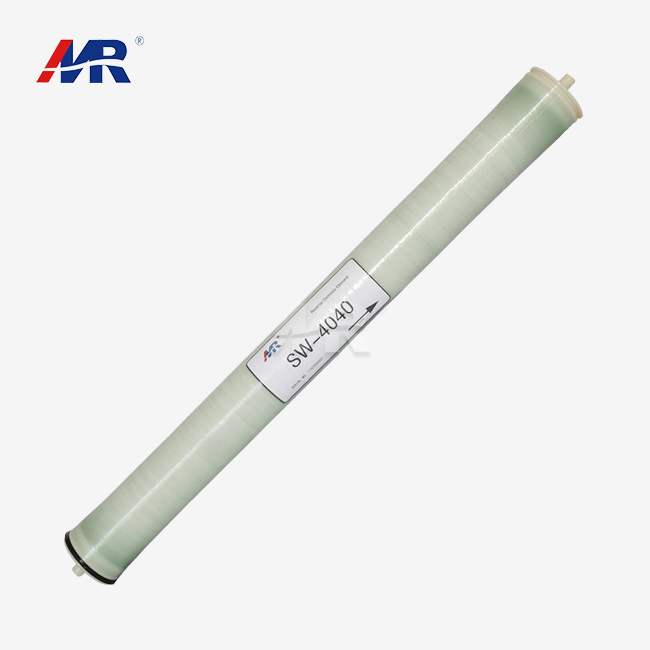 VIEW MORE4040 seawater reverse osmosis membrane
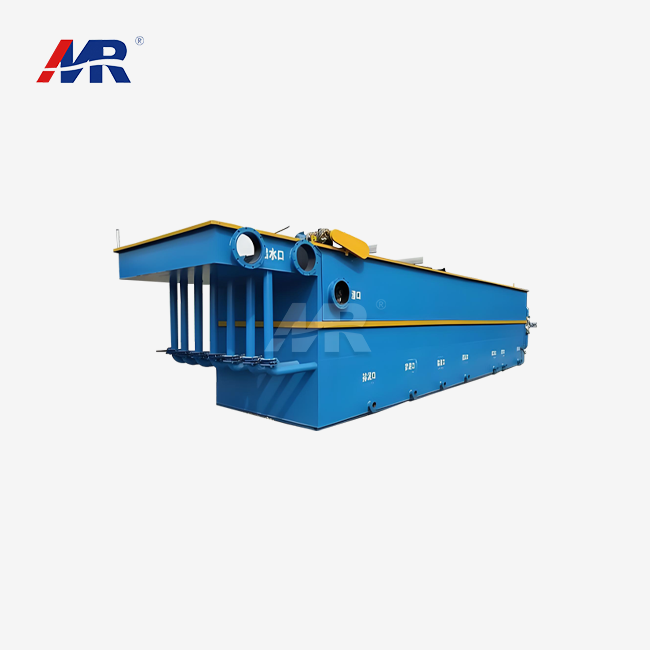 VIEW MOREadvanced wastewater treatment system
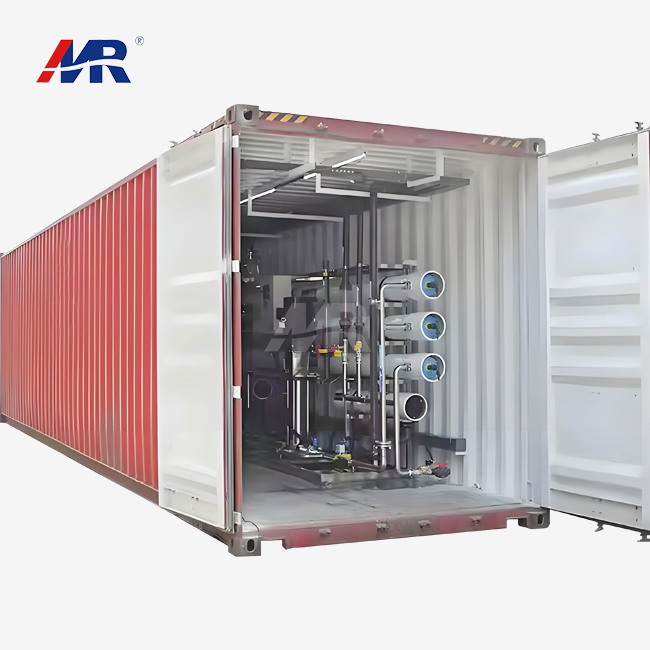 VIEW MOREContainerized Reverse Osmosis Systems
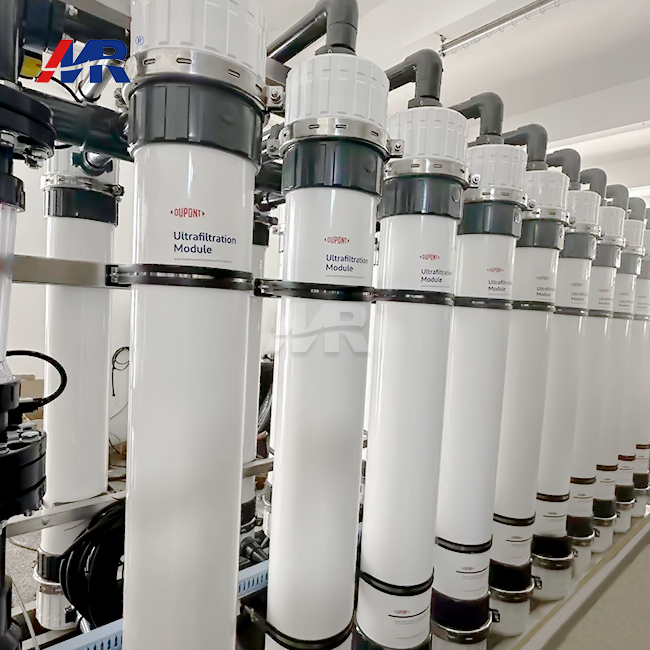 VIEW MOREultrafiltration water treatment system
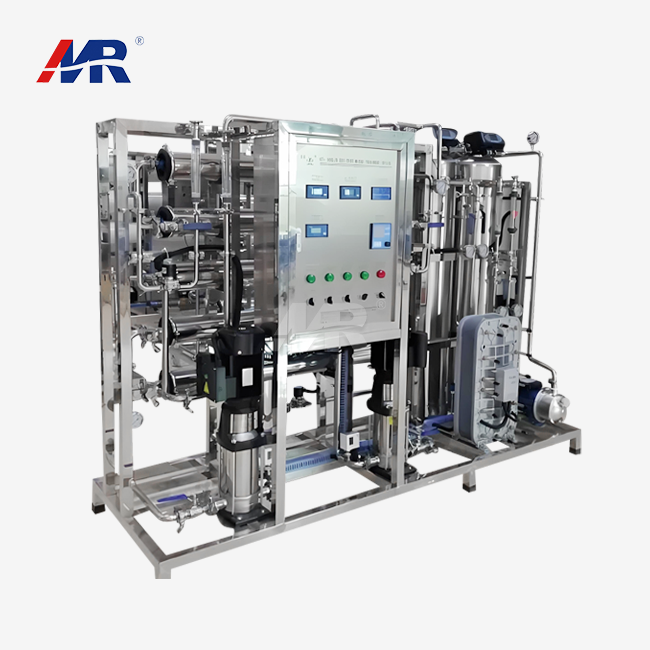 VIEW MORE1000LPH EDI equipment
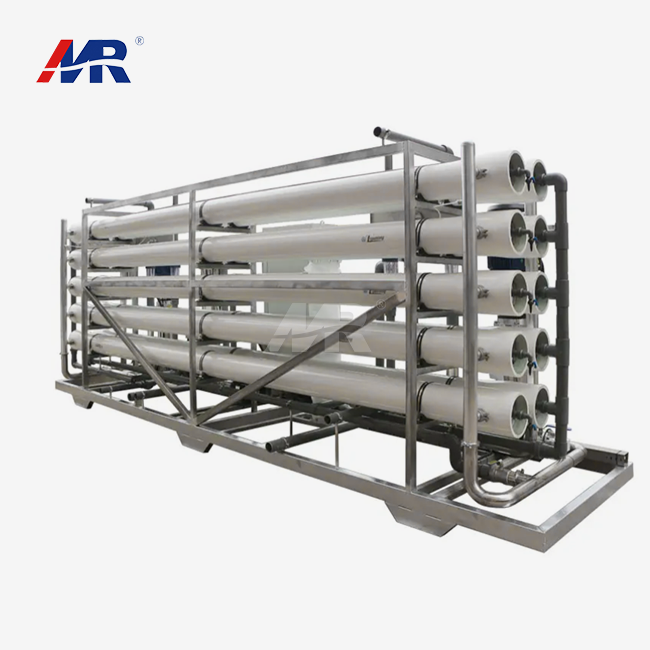 VIEW MOREbrackish water reverse osmosis systems
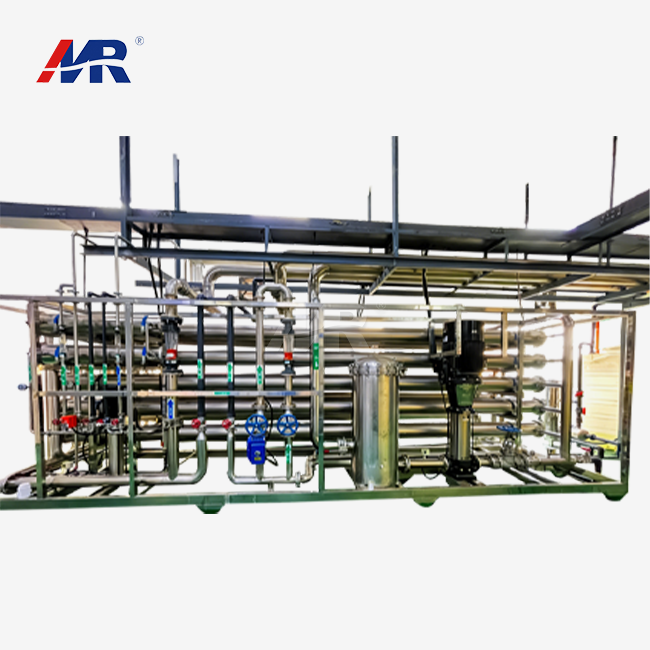 VIEW MOREnew ro system
 VIEW MORE2T/H seawater desalination plant
