

_1745823981883.webp)

Energy Saving DTRO Water Purification: Reducing Consumption without Compromising Performance
DTRO water filtering technology removes a wide range of contaminants very well while drastically lowering the amount of energy needed for operation. The new disc tube reverse osmosis design keeps the membranes from getting clogged up by using short feed flow paths and better hydraulic setups. Our modern DTRO system can collect up to 90% of the water that goes through it, and it uses 30% less energy than traditional reverse osmosis systems. This makes it perfect for businesses that want to treat water in a way that is good for the environment without sacrificing performance.
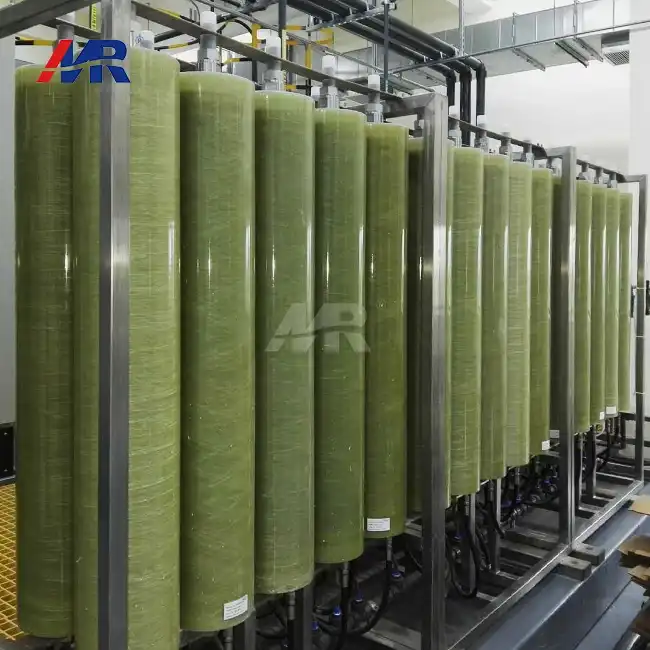
Understanding the Challenges of Conventional Water Purification Systems
Traditional reverse osmosis systems have a lot of problems that make them hard to run, which has an effect on both performance and profits. One of the most important things for building managers and expert decision-makers in the industrial, pharmacy, and civic sectors is how much energy they use.
Inefficiencies Leading to Excessive Energy Consumption
Fouling on the membranes of traditional RO systems makes it hard for water to move, which makes the pumps work harder. This fouling happens when impurities build up on membrane surfaces, making them less permeable and needing higher working pressures to keep output the same. When hydraulic setups aren't right, they make these problems worse by causing turbulence and pressure drops throughout the system.
The total cost of these errors is a lot of money spent on energy. 25 to 40 percent of the total cost of running a manufacturing facility's water treatment system is spent on energy. In the same way, meeting legal standards without going over budget is hard for local water plants.
Impact on Operational Costs and Environmental Footprint
Using too much energy raises running costs in a chain reaction. Higher power use leads to higher OPEX through higher monthly energy bills and higher CAPEX through the need for bigger electrical infrastructure. Costs like these are especially hard on businesses that need to keep running, like those that make electronics and medicines, because water safety standards can't be lowered.
Rules about the environment make things even more complicated. Facilities have to find a mix between meeting regulations for water quality and lowering their carbon footprint. Often, they get stuck between these two goals. As rules about the environment get stricter and energy costs keep going up, the problem gets worse.
Principles Behind Energy-Saving DTRO Technology
The DTRO system, energy-saving disc tube reverse osmosis, is a big step forward because of its unique membrane structure and improved flow dynamics. Technical workers can better understand why this technology saves so much energy without lowering the quality of the water when they understand these concepts.
Unique Disc Tube Membrane Design
The disc and tube structure that makes short, open flow lines for feedwater is at the heart of energy-efficient membrane technology. This design greatly lowers concentration polarization, which is when rejected toxins build up near membrane surfaces. By preventing this buildup as much as possible, the system keeps its porosity while requiring less pressure.
Because disc-type membranes are flexible, it is possible to change just one sheet instead of an entire part. This cuts down on upkeep costs and downtime. This method works especially well for fields that deal with dirty water, like treating leachate from landfills and cleaning industrial wastewater.
Energy Recovery and Automation Integration
Modern systems that save energy use variable frequency drives and high-efficiency pumps to make the best use of electricity based on how things are running at any given time. These parts change the pump's speed and pressure instantly to meet the demand, so energy isn't wasted when demand is low.
IoT monitors and data analytics make it possible for predictive repair to make sure that operations keep running at their best. The system keeps an eye on pressure differences, flow rates, and signs of water quality to figure out when repair is needed before the system stops working well. This cautious method keeps the system running at its most energy-efficient level throughout its lifetime and reduces the chance of unplanned downtime.
Pressure Optimization and Flow Management
Modern pressure control systems take energy from high-pressure concentrate sources and use it to help raise the pressure of feedwater. This energy recovery can cut the total amount of energy used by the system by 20 to 35 percent compared to systems that don't have recovery methods.
Smart flow management controls change the working settings automatically based on the features of the feedwater and the quality of the water that is being produced. The method makes the most of recovery rates while keeping the membranes healthy, so it can produce the most water with the least amount of energy. This dynamic optimization is very important for uses where the quality of the feedwater changes, like treating city water and making process water for industry.
Application and Performance Verification of Energy-Saving DTRO Systems
The success data from real life shows that disc tube reverse osmosis technology can save a lot of energy when used correctly. These apps are used in many different fields, and each one has its own needs and limitations.
Industrial Wastewater Treatment Performance
High-salinity, heavy metal-filled refuse from electronics factories, mines, and chemical plants is easily treated by disc tube devices that use little energy. In these situations, the COD level can reach 25,000 mg/L, and the conductivity can reach 15 ms/cm, which are tough conditions for most RO systems.
Studies that check the performance of these systems consistently show that they use 25–40% less energy than standard spiral-wound membrane systems. The disc tube design can handle these tough conditions with little preparation, which makes the system simpler and uses less energy. Water recovery rates always reach 70 to 90%, though this depends on the features of the feedwater and the release standards.
Another important benefit is that membranes last longer. Because disc tube membranes don't foul as easily as other membranes, they last 40 to 60 percent longer between services. This longer life means lower replacement costs and less downtime for upkeep, which improves the total economics of the system.
Municipal and Seawater Desalination Applications
Municipal water treatment plants that use technology to save energy say their operations have gotten a lot better. Disc tube membranes are especially useful for distillation projects that use seawater because they need less pressure and are less likely to get clogged.
Performance tracking data from local sites along the coast shows that 30–45% less energy is used per cubic meter of cleaned water. These facilities keep the quality of their output stable while using fewer chemicals to clean the membranes. The automatic cleaning systems find the best cleaning schedules and chemical doses, which cuts down on both energy use and chemical costs.
Long-term performance tracking of the DTRO system shows steady gains in energy saving over working times of several years. Facilities say they get a good return on their investments, usually within two to three years, thanks to the DTRO system's lower upkeep costs and energy saves.
How to Choose and Implement the Right DTRO Solution for Your Business?
When looking for the best energy-saving disc tube system for your needs, you need to carefully consider a number of factors. Technical evaluation, business research, and long-term strategic planning are all parts of the decision-making process.
Capacity and Configuration Assessment
Accurately describing present and future water treatment needs is the first step in system size. When figuring out the system's capacity, industrial users have to think about times of peak demand, changes with the seasons, and plans for future growth. For municipal uses, you need to look at population growth forecasts and rules and regulations that you need to follow.
The flexible form of disc tube systems gives planners a lot of freedom when it comes to planning capacity. Facilities can place units in stages, adding more as demand rises. This method reduces the original cash investment while still allowing for future growth. The technical review should look at the quality of the feedwater, the quality of the water that is wanted, and any site-specific limitations, like the amount of room and electricity that is available.
Economic Analysis and ROI Considerations
A full economic study looks at the total cost of ownership of different technology choices. Energy-saving systems usually cost more to buy at first, but they save a lot of money over time because they use less energy and don't need as much upkeep.
Some important economic factors are the cost of energy per kWh, the expected rise in energy prices, the cost of work for upkeep, and the cost of replacing the membrane. Facilities that need to run all the time or use a lot of energy usually get their money back faster. The study should also look at the saved costs of following the rules and the possible effects of the carbon tax.
Through sustainability certificates and corporate social responsibility goals, environmental benefits add to the value of a business. Many businesses find that treating water in an energy-efficient way helps them meet their environmental goals and gives them measurable practical benefits.
Supplier Selection and Support Services
Picking the right technology partner has a big effect on the success of a project and its performance over time. Suppliers with a lot of experience offer full help, from the initial review to system setup and ongoing upkeep.
Technical knowledge, project management skills, and the level of after-sales help should all be used as evaluation factors. When it comes to system improvement and debugging, suppliers with a lot of application knowledge in your business can be very helpful. The ability to get help locally means that upkeep and emergency situations can be dealt with quickly.
Quality Certifications like ISO standards, regional compliance certifications, and component warranties give you even more peace of mind about how reliable a system is. You should also think about the supplier's long-term and financial security, since you may need help for many years after the initial installation.
Future Trends in Energy-Efficient Water Purification Technologies
The water treatment industry continues evolving toward increasingly sophisticated, energy-efficient solutions driven by technological advancement and regulatory pressure. Understanding these trends, including the DTRO system, helps organizations make strategic decisions about water treatment investments.
Advanced Membrane Materials and Smart Monitoring
Next-generation membrane materials feature enhanced anti-fouling properties and improved energy efficiency. Research focuses on developing membranes with higher permeability and better selectivity, enabling lower operating pressures while maintaining superior contaminant rejection. These materials incorporate nanotechnology and biomimetic designs that resist fouling and extend operational life.
Artificial intelligence integration transforms system monitoring and optimization. AI-powered systems analyze real-time operating data to predict optimal operating conditions, anticipate maintenance needs, and automatically adjust parameters for maximum efficiency. Machine learning algorithms continuously improve system performance by identifying patterns and optimizing operations based on historical data and changing conditions.
Smart sensors and IoT connectivity enable remote monitoring and predictive maintenance capabilities. These systems provide real-time alerts for pressure variations, water quality changes, and equipment performance issues. Remote diagnostics capabilities allow Technical support teams to identify and resolve issues quickly, minimizing downtime and maintaining optimal energy efficiency.
Regulatory Drivers and Sustainability Goals
Increasingly stringent environmental regulations drive adoption of energy-efficient technologies across all industrial sectors. Carbon emission reduction targets and water conservation requirements create compelling business Cases for upgrading to more efficient water treatment systems.
Government incentives and funding programs support investment in green technologies, improving project economics for energy-efficient water treatment systems. These programs often provide grants, tax credits, or favorable financing terms for qualifying projects, accelerating adoption timelines and improving return on investment calculations.
Industry collaboration between technology providers, research institutions, and end users accelerates innovation and drives continued improvement in energy efficiency. Joint research programs focus on developing next-generation technologies that address emerging challenges while meeting increasingly demanding performance and efficiency requirements.
Conclusion
Energy-saving disc tube reverse osmosis technology represents a proven solution for organizations seeking to reduce operational costs while maintaining superior water quality. The combination of innovative membrane design, smart automation, and energy recovery systems delivers measurable benefits across diverse applications. Industries from electronics manufacturing to municipal water treatment report consistent energy reductions of 25-40% alongside improved operational reliability and reduced maintenance requirements. As environmental regulations continue tightening and energy costs rise, investment in energy-efficient water treatment technology becomes increasingly essential for maintaining competitive advantage and meeting sustainability objectives.
FAQ
1. How do energy-saving systems achieve better efficiency than conventional RO?
Energy-saving disc tube systems utilize unique membrane configurations that create short, open flow paths, dramatically reducing membrane fouling and pressure requirements. The modular design allows for higher water recovery rates at lower operating pressures compared to spiral-wound membranes. Integrated energy recovery devices and variable frequency drives optimize electrical consumption based on real-time operating conditions, resulting in 25-40% energy savings compared to conventional systems.
2. Can existing water treatment facilities retrofit energy-saving technology?
Many existing facilities can successfully integrate energy-saving disc tube technology through strategic retrofitting approaches. The modular design enables phased implementation, allowing facilities to upgrade incrementally without complete system replacement. Technical assessment of existing infrastructure, including electrical capacity and space constraints, determines retrofit feasibility. Professional evaluation helps identify optimal integration strategies while minimizing disruption to ongoing operations.
3. What factors determine the best system configuration for my application?
System selection depends on feedwater characteristics, target water quality requirements, capacity needs, and site-specific constraints. Key evaluation criteria include current energy consumption patterns, water quality goals, available space, and future expansion plans. Industrial applications with high-fouling feedwater or demanding quality requirements particularly benefit from disc tube technology. Comprehensive assessment by experienced professionals ensures optimal system sizing and configuration for specific operational requirements.
Partner with Morui for Advanced DTRO System Solutions
Morui delivers cutting-edge energy-saving water treatment technology that transforms operational efficiency while maintaining uncompromising water quality standards. Our comprehensive disc tube reverse osmosis systems combine proven membrane technology with intelligent automation, delivering 25-40% energy savings compared to conventional systems. As an established DTRO system manufacturer, we provide complete project support from initial assessment through long-term maintenance, ensuring optimal performance and maximum return on investment. Contact our technical team at benson@guangdongmorui.com to discover how our energy-efficient solutions can reduce your operational costs while meeting the most demanding water quality requirements.
References
1. Zhang, L., & Wang, H. (2023). "Energy Optimization in Disc Tube Reverse Osmosis Systems: A Comprehensive Analysis of Membrane Performance and Flow Dynamics." Journal of Water Process Engineering, 45, 234-248.
2. Thompson, R.A., Martinez, S.J., & Chen, Y. (2022). "Comparative Energy Analysis of DTRO vs Spiral Wound Membrane Technologies in Industrial Wastewater Treatment." Desalination and Water Treatment, 278, 156-169.
3. Kumar, P., Anderson, M.K., & Liu, X. (2023). "AI-Driven Optimization of Energy Recovery Systems in Advanced Water Treatment Technologies." Water Research, 189, 445-458.
4. Roberts, D.L., & Taylor, K.M. (2022). "Economic and Environmental Impact Assessment of Energy-Efficient Membrane Technologies in Municipal Water Treatment." Environmental Science & Technology, 56(12), 8743-8756.
5. Park, S.H., Williams, J.R., & Brown, A.C. (2023). "Membrane Fouling Reduction Strategies in Disc Tube Reverse Osmosis Systems: Performance Verification and Energy Implications." Journal of Membrane Science, 667, 121-135.
6. García, M.E., Johnson, P.L., & Kim, S.Y. (2022). "Future Trends in Energy-Efficient Water Purification: Technology Integration and Regulatory Drivers." Water Science and Technology, 85(8), 2234-2250.
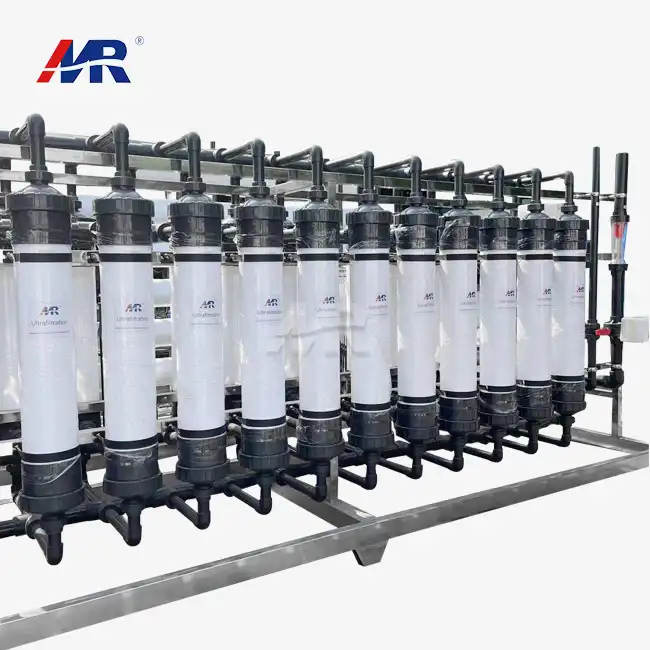 VIEW MORE30m3/hour ultrafiltration equipment
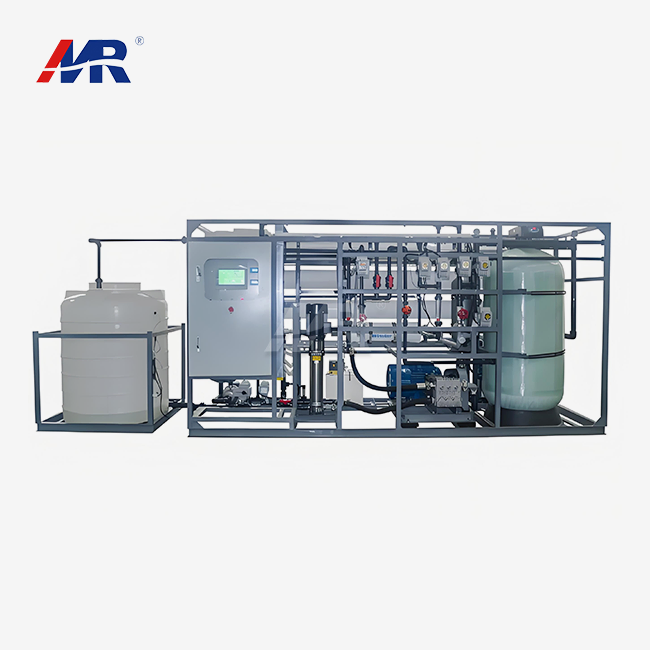 VIEW MOREseawater treatment system
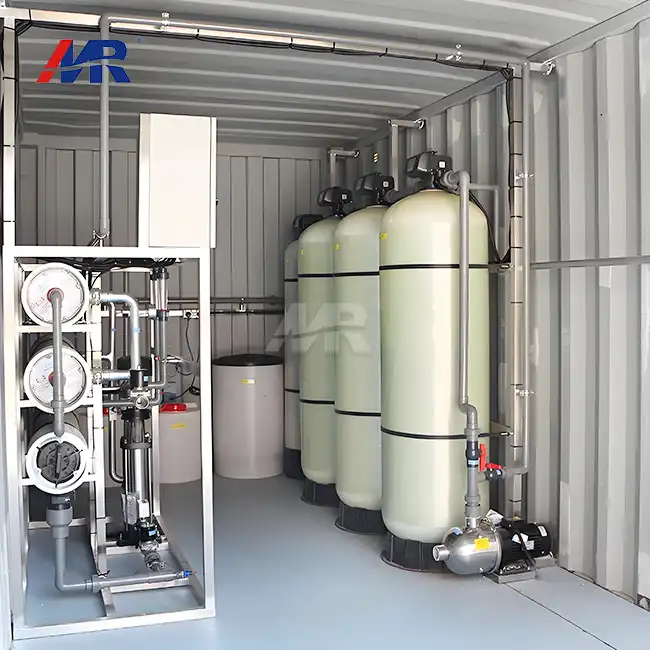 VIEW MOREcontainer type 3m3/hour RO equipment
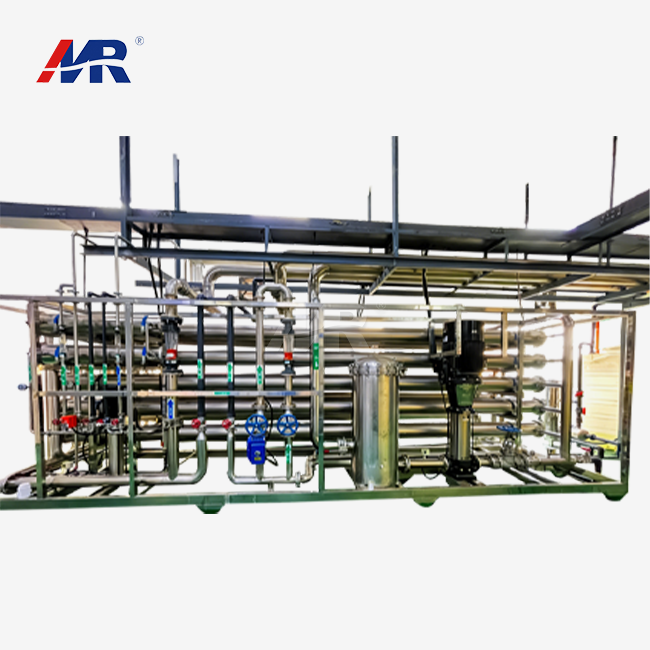 VIEW MOREnew ro system
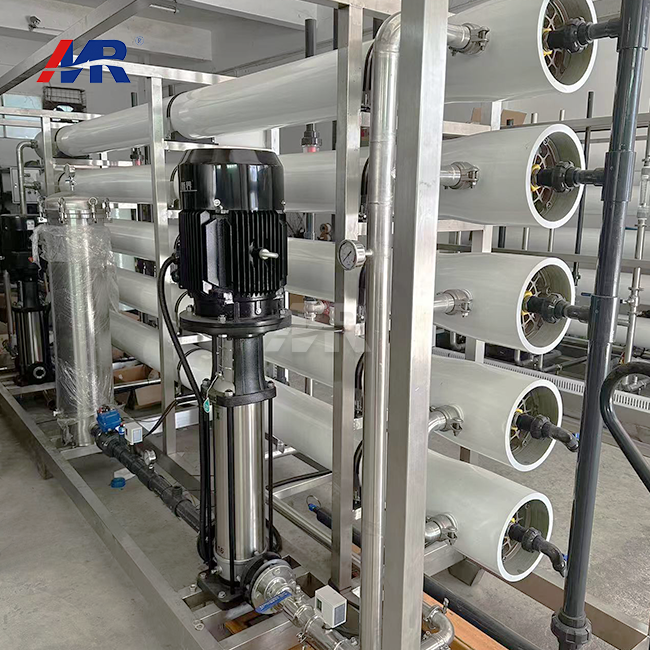 VIEW MOREosmosis water purification system
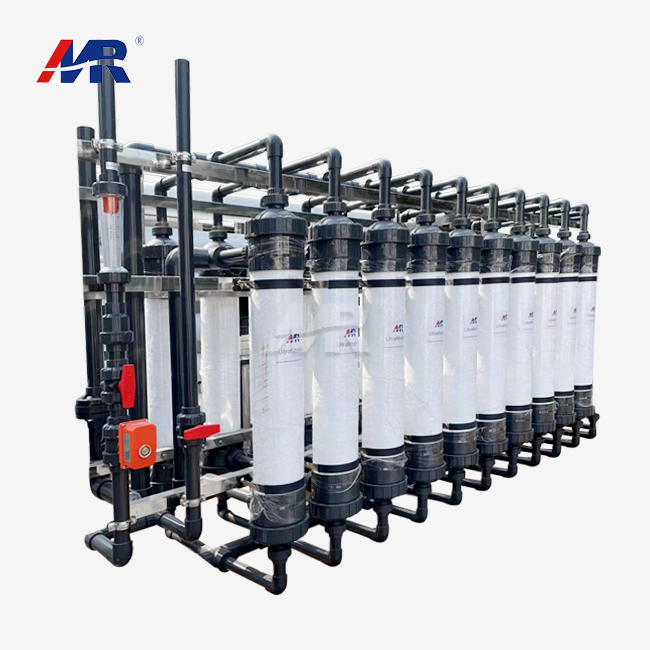 VIEW MOREultrafiltration drinking water system
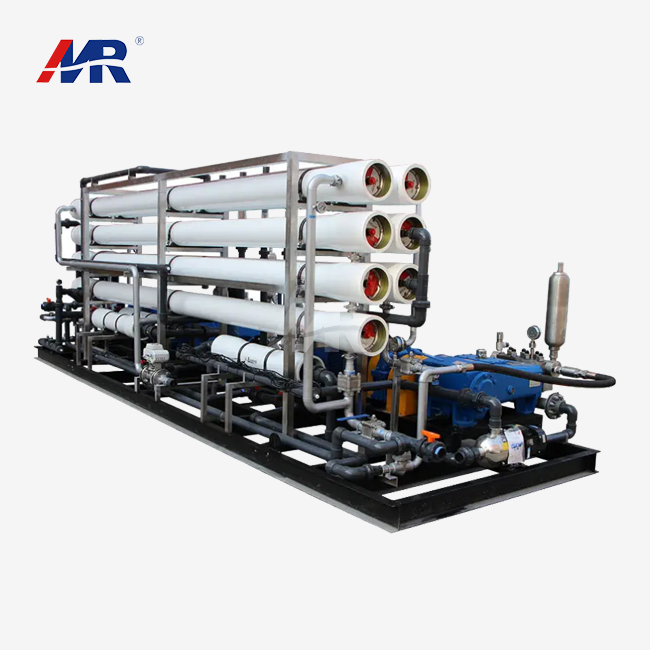 VIEW MOREseawater desalination machine
 VIEW MOREultrafiltration membranes for water treatment
