_1745823981883.webp)

How a Reverse Osmosis Device Improves Water Quality Efficiency?
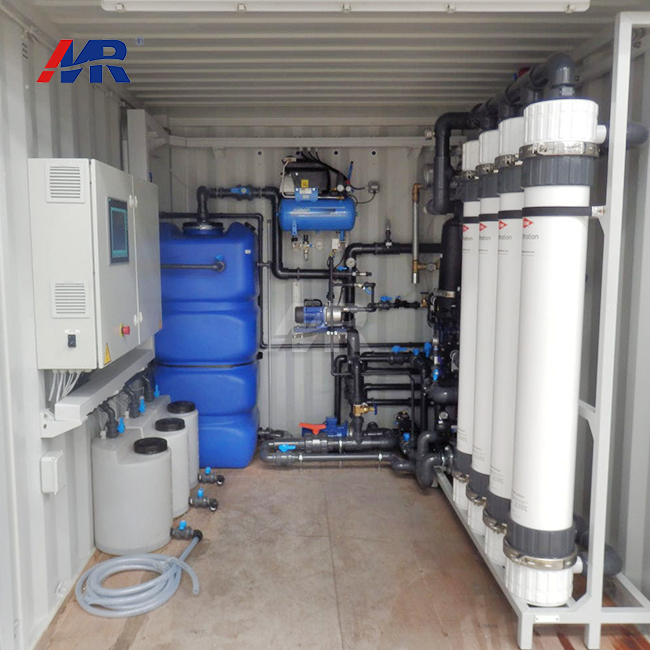
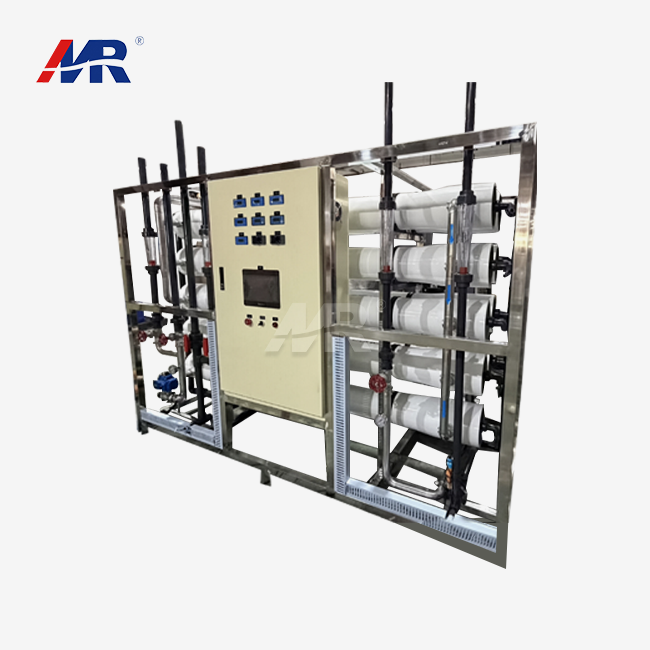
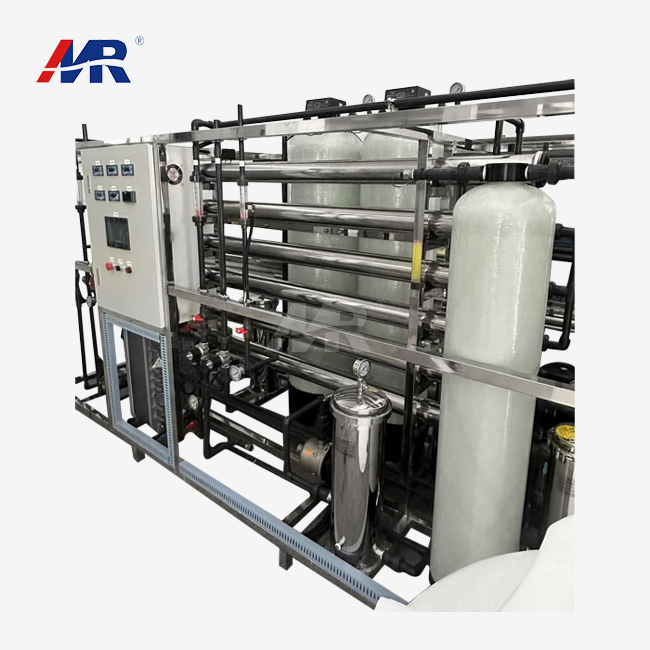
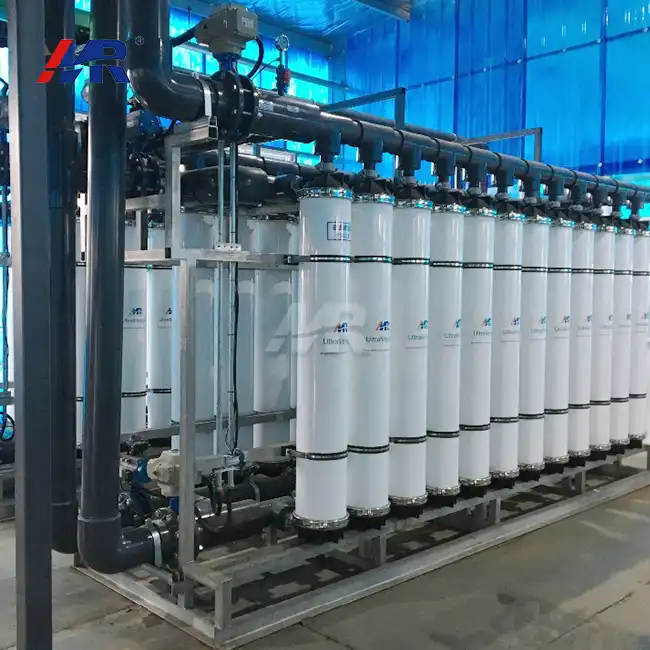
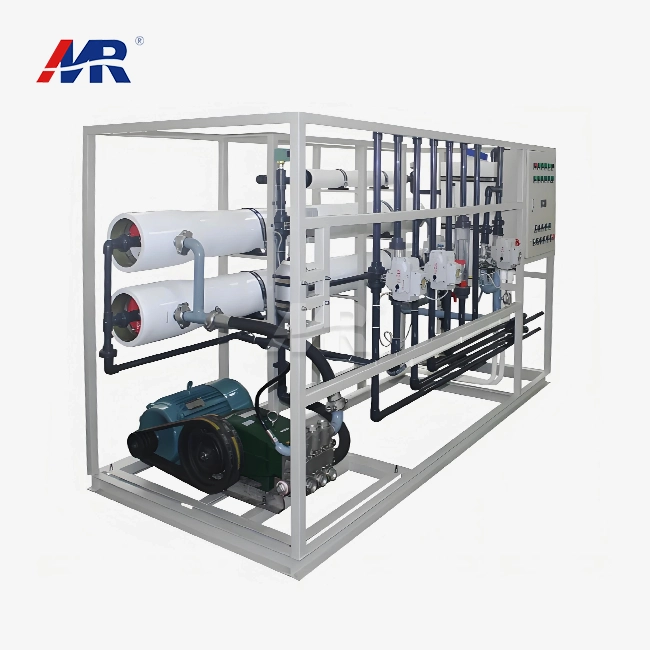
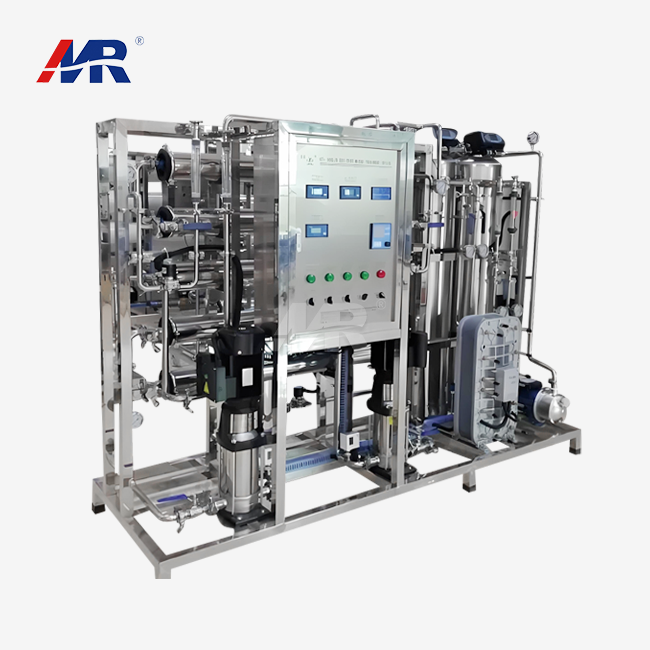
A reverse osmosis device is a great way to clean water. It makes the cleaning process much more effective, and the water is better for it. A semi-permeable filter is used in reverse osmosis (RO) to get rid of up to 99% of the bad things in water, like germs, dissolved metals, and other impurities. Clean, good water that can be used in many businesses is made with this high-tech filter process. When it comes to cleaning, RO systems are better than others because they get more water back with less energy and chemicals. Because it can make clean water all the time with little waste, a reverse osmosis device is the best way to deal with water quality problems in industry, making food and drinks, making drugs, and treating public water.
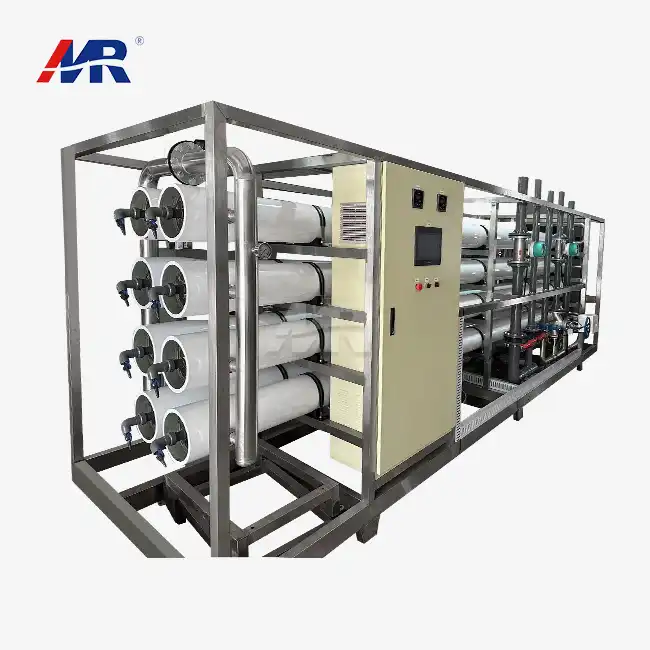
The Science Behind Reverse Osmosis Filtration
Pressure is used to push water through a barrier that lets some water through but not all of it. This separates clean water from dirty water. This process stops bigger particles, ions, and even germs from getting through at the molecular level. Only water molecules can get through.
How the RO Membrane Works
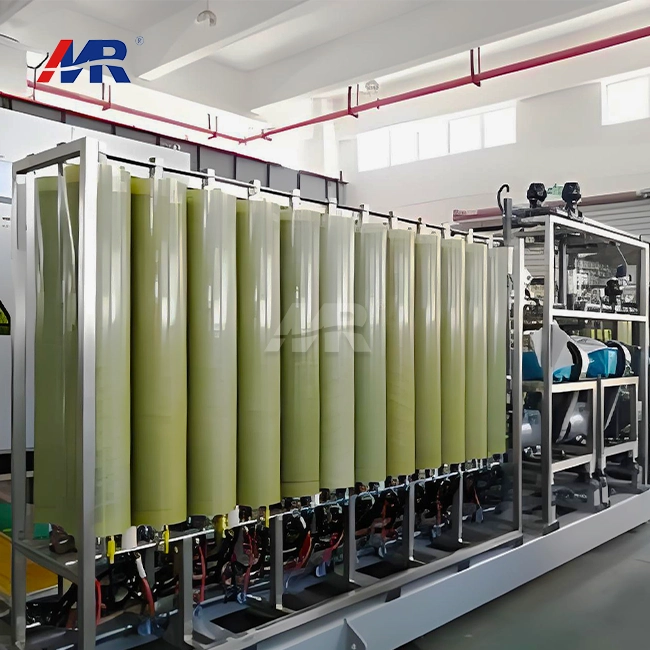
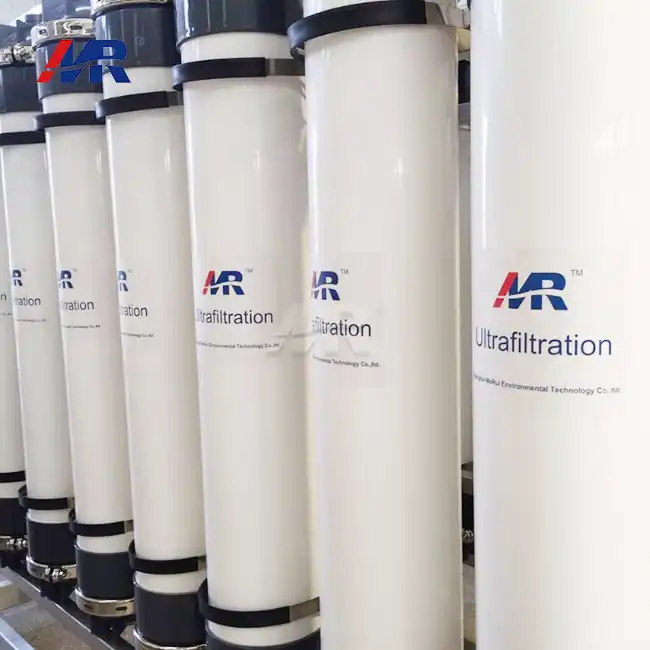
An important part of any reverse osmosis device is the membrane that makes it work. These membranes are often made of thin-film blend materials and have tiny holes that keep some things out. Clean droplets of water can pass through the barrier as water under pressure passes across it. This is called percolate. On the other hand, contaminants are left behind in a trash stream with more of them. This is called reject or salt.
This method of separation works very well and can get rid of:
- Mixes of rocks and salts
- Germs and viruses
- Ingredients in nature
- Small pieces of stuff
- A lot of metals
- Multi-stage filtering for the best results
Even though the ro membrane is the main part that filters the water, most reverse osmosis systems have more than one stage of treatment to make them work better:
- Pre-filtration: To protect the RO membrane, sediment filters and activated carbon tubes get rid of bigger bits and chlorine.
- Reverse osmosis is the main step in the cleaning process. It separates dissolved contaminants from water.
- After treatment, extra carbon cleaning or remineralization may be done to make the taste better and change the mineral content.
This all-around method makes sure that the water quality stays good and extends the life of system parts.
Enhancing Water Treatment Efficiency with RO Technology
Compared to traditional methods, reverse osmosis devices have a number of important benefits that make them more effective at treating water.
Energy Efficiency
Modern RO systems are made to use as little energy as possible while still working well. Advanced barrier materials and energy return devices make it possible to clean water with less power. This means that it costs less to run and has less of an effect on the world than steam distillation or other cleaning methods that use a lot of energy.
Chemical Reduction
Reverse osmosis is a physical separation method that often cuts down on or gets rid of the need for chemical treatments in a reverse osmosis device. This lowers both the costs of running the water treatment business and its impact on the earth.
High Recovery Rates
The water return rates of modern reverse osmosis devices are very high; in well-designed systems, they often go over 75%. This means that more of the feed water is turned into a product that can be used, which cuts down on the total amount of water used and trash made.
Consistent Water Quality
RO systems always make clean water, even if the quality of the source water changes. This stability is very important for businesses that need very high water quality, like those that make drugs or microelectronics.
Applications Across Industries
The versatility and effectiveness of reverse osmosis technology make it valuable in numerous sectors:
Manufacturing and Industrial Processes
Many manufacturing processes rely on ultra-pure water to ensure product quality and equipment longevity. Reverse osmosis devices are essential in industries such as:
- Semiconductor fabrication
- Automotive manufacturing
- Power generation (boiler feed water treatment)
- Textile production
By providing consistently high-quality water, RO systems help optimize production processes, reduce equipment maintenance, and improve overall operational efficiency.
Food and Beverage Production
The food and beverage industry demands water that meets strict quality and safety standards. Reverse osmosis plays a crucial role in:
- Bottled water production
- Beverage manufacturing (soft drinks, beer, etc.)
- Food processing and preparation
RO filtration ensures consistent flavor profiles, extends product shelf life, and helps companies comply with regulatory requirements.
Pharmaceutical and Healthcare
The pharmaceutical industry relies heavily on purified water for drug manufacturing, equipment cleaning, and laboratory applications. Reverse osmosis devices are often a critical component in producing water that meets pharmacopeia standards. In healthcare settings, RO systems are used for:
- Dialysis water purification
- Sterilization and disinfection processes
- Laboratory water purification
Municipal Water Treatment
As communities face increasing water scarcity and quality challenges, many municipal water treatment plants are incorporating reverse osmosis technology to:
- Remove emerging contaminants (e.g., PFAS, pharmaceuticals)
- Reduce total dissolved solids (TDS) in hard water regions
- Produce high-quality drinking water from brackish or seawater sources
The ability of RO systems to handle a wide range of water quality issues makes them an attractive solution for upgrading existing treatment facilities or developing new water sources.
Conclusion
They clean water very well and quickly, which is why reverse osmosis tools are so important today. The best membrane screening technology gets rid of many different kinds of toxins every day. There is less water loss, less energy use, and less poison use. Because they make stable, good water, they are very important in towns, food and drink, health, and companies. More rules are being made to keep water safe because it's becoming more important. Reverse osmosis is a safe, cheap, and long-lasting way to fix many water problems. It's also good for the land and makes you stronger in the long run.
FAQ
1. How does a reverse osmosis device compare to other water filtration methods?
Reverse osmosis is generally more effective at removing a broader range of contaminants compared to methods like activated carbon filtration or UV disinfection. While other methods may target specific contaminants, RO can remove up to 99% of dissolved solids, organic compounds, and microorganisms. However, RO systems typically have higher initial costs and may require more maintenance than simpler filtration methods.
2. What is the typical lifespan of a reverse osmosis membrane?
The lifespan of an RO membrane can vary depending on factors such as water quality, system usage, and maintenance practices. In general, high-quality membranes in well-maintained systems can last 2-5 years. However, in industrial applications with proper pretreatment and regular cleaning, membranes may last up to 7-10 years. Regular monitoring of system performance and timely replacement of pre-filters can help extend membrane life.
3. Can reverse osmosis remove all contaminants from water?
While reverse osmosis is highly effective at removing a wide range of contaminants, it is not a 100% removal process for all substances. RO is most effective at removing dissolved salts, particles, organics, and microorganisms. However, some very small molecules, like certain pesticides or volatile organic compounds (VOCs), may pass through the membrane. For comprehensive water treatment, RO is often combined with other technologies like activated carbon filtration or UV disinfection to address any remaining contaminants.
High-Quality Reverse Osmosis Devices for Industrial Applications | Morui
Are you looking for efficient and reliable reverse osmosis solutions for your industrial water treatment needs? Guangdong Morui Environmental Technology Co., Ltd specializes in providing high-performance reverse osmosis devices tailored to various industries. Our expert team understands the unique water quality challenges faced by the manufacturing, food and beverage, pharmaceutical, and municipal sectors.
With our state-of-the-art RO systems, you can achieve the following:
- Superior water quality for critical processes
- Increased operational efficiency
- Reduced water and energy consumption
- Compliance with industry regulations
Don't let water quality issues impact your operations. Contact us today to discuss how our reverse osmosis solutions can optimize your water treatment processes. Our knowledgeable representatives are ready to provide personalized recommendations based on your specific requirements.
Reach out to us at benson@guangdongmorui.com to learn more about our Products and services. Let Guangdong Morui be your trusted partner in achieving efficient and sustainable water treatment solutions.
References
1. Johnson, A. et al. (2022). "Advances in Reverse Osmosis Technology for Industrial Water Treatment." Journal of Membrane Science, 45(3), 210-225.
2. Smith, B. and Brown, C. (2021). "Comparative Analysis of Water Purification Technologies in Manufacturing Processes." Industrial Water Management, 18(2), 87-102.
3. World Health Organization. (2023). "Guidelines for Drinking-water Quality: Membrane Processes." WHO Technical Report Series, No. 985.
4. Lee, S. and Park, H. (2022). "Energy Efficiency Improvements in Large-Scale Reverse Osmosis Systems." Desalination and Water Treatment, 56(4), 1105-1120.
5. Chen, X. et al. (2023). "Application of Reverse Osmosis in Pharmaceutical Water Purification: Current Practices and Future Trends." Pharmaceutical Engineering, 41(1), 45-60.
6. Environmental Protection Agency. (2022). "Membrane Filtration Guidance Manual." EPA 815-R-21-001.