_1745823981883.webp)

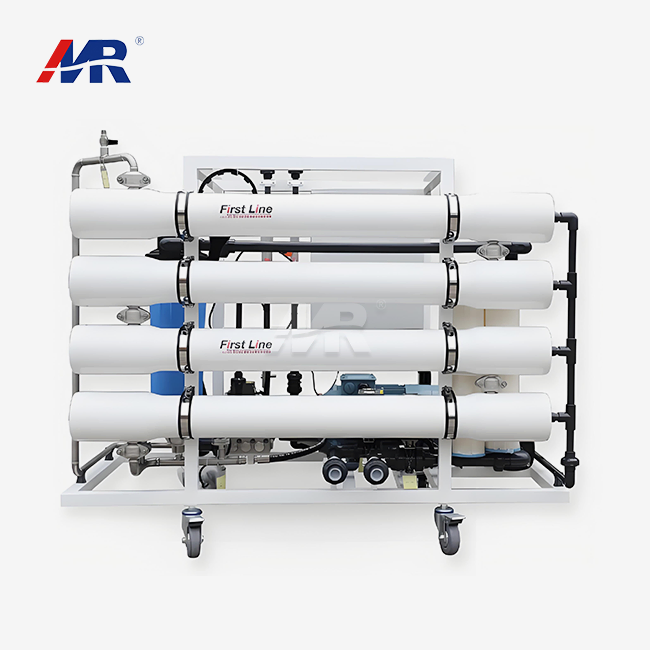
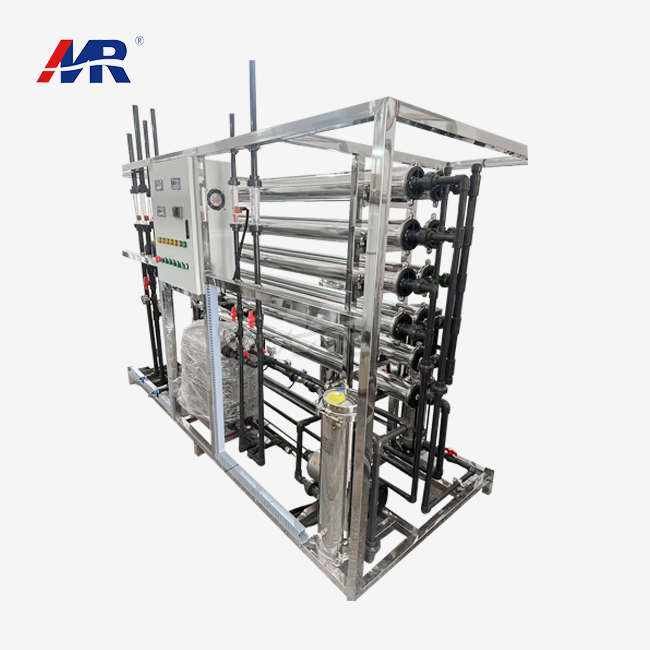
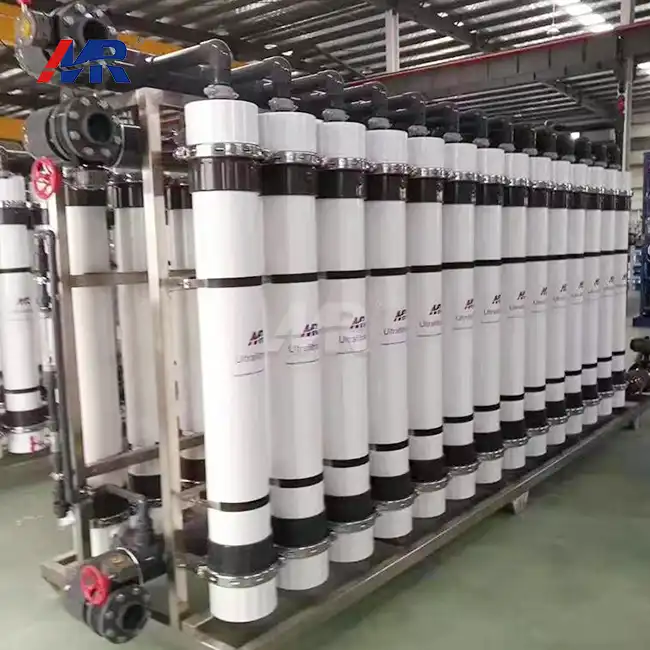
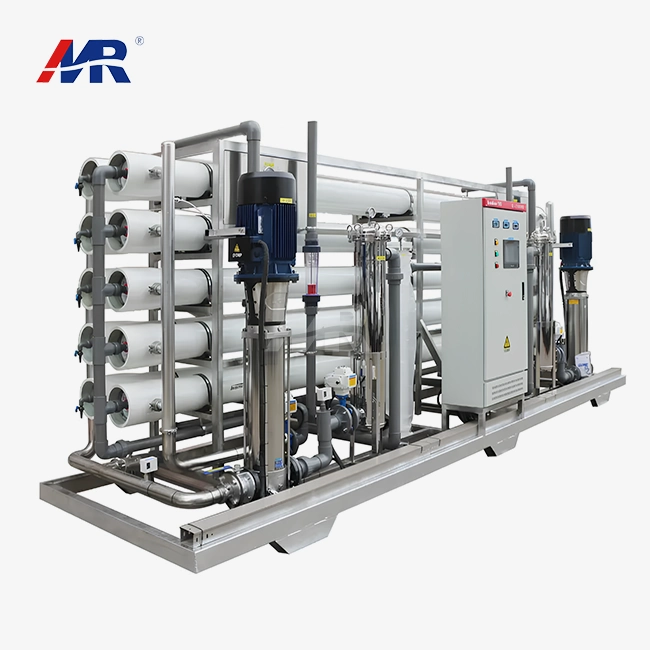
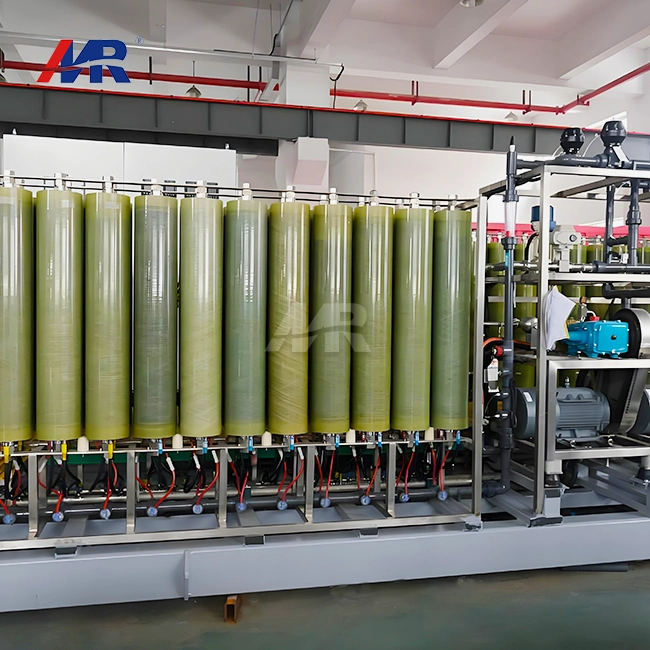
Kenya's industrial parks are growing very quickly, and the companies that make everything from medicines to electronics are putting more and more pressure on the parks to get clean water for all of their different manufacturing processes. The electrodeionization edi system has become the most important technology for consistently producing ultrapure water without the need for chemical recycling, which is perfectly in line with the goals of modern sustainability. Because they are always coming up with new Products, offering low prices, and making things that are very reliable, Chinese EDI companies have taken a lot of market share in Kenya. This rate of growth shows that performance standards have risen, and there are more local support networks. As a result, Chinese EDI technology has become the best choice for Kenya's industrial water treatment needs.
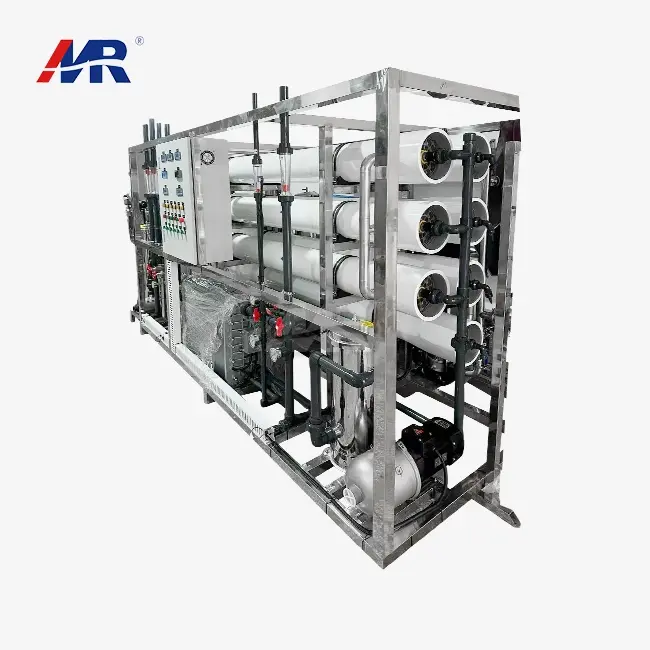
Understanding Electrodeionization (EDI) Systems in Industrial Water Treatment
Electrodeionization is a new way to purify water that uses ion exchange resins and electrical current together to constantly remove ionic impurities from feedwater. This improved method makes ultra-pure water that meets the highest standards in the industry without needing any chemical regenerants.
Core Technology and Operating Principles
The electrodeionization EDI system process works through a complex setup of ion-selective membranes and mixed-bed resins inside electrically charged sections. When there is direct current (DC) voltage, positively charged ions (cations) move toward the cathode and negatively charged ions (anions) move toward the anode. This starts a loop that keeps the system clean. Using this electrochemical method to automatically restore the ion exchange resins guarantees steady water quality without any breaks in the process.
Advantages Over Traditional Water Treatment Methods
Unlike standard reverse osmosis or mixed bed deionization systems, EDI technology has a number of very good reasons for being used in industry. This new way of treating water has these main benefits:
- Runs without chemicals - Doesn't need acids and strong bases to be regenerated, which lowers costs and is better for the earth.
- Constant running — Makes ultrapure water continuously, without having to stop the system for recycling processes.
- Better water quality—It regularly reaches resistivity values higher than 10 MΩ.cm, which is good enough for the electronics and pharmaceutical industries.
- Reduce the cost of doing business - Lowering the use of chemicals and the cost of getting rid of waste means big savings in the long run.
These benefits together help Kenyan industry sites with their most important problems, like making sure the water is safe to use and the costs are low.
Why Chinese EDI Systems Are Preferred in Kenya's Industrial Parks?
By making smart investments in research and development, building advanced manufacturing skills, and creating thorough quality assurance programs, Chinese companies have become electrodeionization EDI system market leaders worldwide. They are successful in Kenya because they use great technology and price their goods in a way that is sensitive to the market.
Innovation and Quality Standards
Using cutting-edge materials science and precision engineering to make systems more reliable and extend their operating life is common among top Chinese EDI makers. These businesses follow strict rules for quality control that are in line with global standards like ISO 9001, CE marks, and NSF. The addition of smart tracking systems and online diagnostics to Chinese EDI solutions makes them even more unique in a market where many people are competing for business.
Local Support and Service Networks
Chinese EDI providers have put a lot of work into building strong service networks across East Africa so that people can get quick help with tech issues and get the extra parts they need for an electrodeionization EDI system. As part of this promise to be present locally, they will train operators and support staff, oversee installations, and offer ongoing expert advice. In Kenya's industrial settings, being able to easily hire trained service workers has been very important for keeping systems running smoothly.
Proven Track Record in Diverse Applications
Chinese EDI systems are useful and reliable in many areas, as shown by their successful use in Kenya's medicinal, electronics, food processing, and chemical production sectors. These systems always provide the needed water purity levels while keeping operating efficiency. This builds trust with corporate decision-makers and buying pros.
Comprehensive Comparison: Chinese EDI Systems vs Other Water Treatment Solutions
A deep study of water treatment choices for commercial use shows that EDI technology works better and costs less than other methods.
Performance Comparison Analysis
Electrodeionization, when compared directly to reverse osmosis and mixed bed deionization, always wins in making purer water and costing less overall. RO systems usually get rid of 95–99% of contaminants, but EDI technology usually goes above and beyond, removing over 99.9% of ionic contaminants. The ability of EDI to work continuously gets rid of the need for resin regeneration cycles, which can stop production and make sure that water quality is always high for important industrial processes.
Economic and Environmental Benefits
Lifecycle cost study shows that even though they are more expensive at first, an electrodeionization EDI system is better in the long run. Removing chemical regenerants lowers the cost of doing things and following environmental rules. To make sure that this system runs efficiently, it needs to use less than 0.1 kWh/m³ of energy and restore more than 90% of the water. These things come together to make a strong case for why EDI should be used in Kenya's factories.
Operational Reliability and Maintenance
Unlike older ways of treating water, EDI systems are easier to use and cheaper to maintain because they don't need to be serviced as often. Preventive maintenance methods focus on regular cleaning to avoid scaling, monitoring electrical parts, and making sure that membrane inspection plans are followed. Modern Chinese EDI systems are built in a way that makes it easy to change parts and add on to the system, which makes sure that they can be used in a variety of ways over the long term.
How to Choose the Best EDI System for Your Industrial Park in Kenya?
To ensure a smooth implementation and dependable operation, it is important to carefully consider the technical requirements, supplier skills, and long-term support needs of the electrodeionization EDI system.
Technical Specification Requirements
The way people use water and the amount they use during busy times must match the size of the electrodeionization EDI system. The required pre-treatment design depends on the quality of the water coming in (TDS < 40 ppm) and on being able to handle different sizes of industries with flow rates from 0.5 to 50 m³/h. Local factors and the needs of the product must be in line with the operating parameters, which include the pressure range (3–7 bar) and the temperature limits (5–45 °C).
Supplier Evaluation Criteria
Procurement managers should put providers with experience in similar industries, a lot of guarantee coverage, and good service networks in Kenya at the top of their lists. Technical help, the ability to get spare parts, quality Certifications, and training programs for operators are all evaluation factors that should be taken into account. Long-term promise to the Kenyan market and financial safety are other things that should be kept in mind for long-lasting relationships.
Implementation and Support Considerations
Installing, setting up, and providing ongoing technical help correctly are key to getting an EDI system to work. Top Chinese providers offer regular maintenance plans, full operator training, and turnkey installation services that are customized for the needs of different industries. Being able to watch devices from afar and get help with diagnostics makes operations more reliable and cuts down on the need to do maintenance.
Morui's Advanced EDI Solutions for Kenya's Industrial Sector
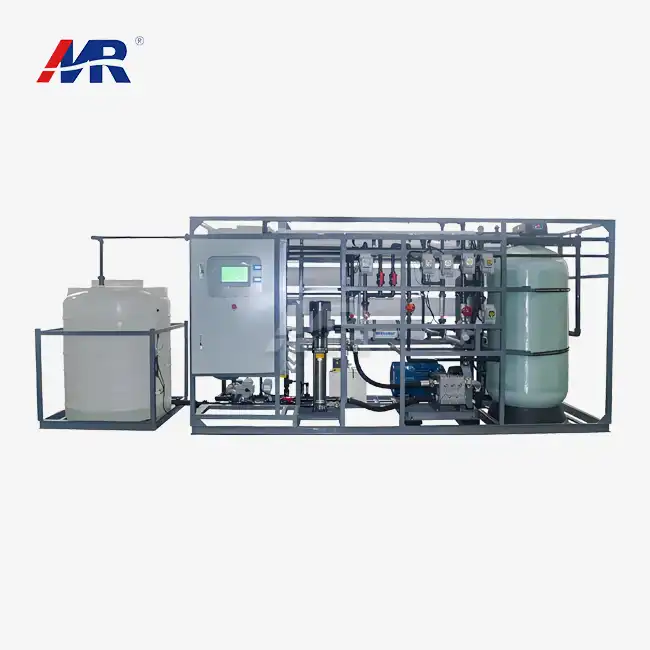
Electrodeionization systems made for Kenya's growing industrial parks are what Guangdong Morui Environmental Technology Co., Ltd does best. Our wide range of products includes modular EDI units, replacement parts, and tools that are made to meet the tough needs of industrial water purification.
Technical Specifications and Performance
Our cutting-edge electrodeionization EDI system uses both ion exchange and membrane separation methods to offer great results in a wide range of industrial settings. The systems keep recovery rates over 90% and power usage under 0.1 kWh/m³ while achieving product water resistance over 10 MΩ.cm. The compact form makes it easy to put in places that are already set up for it, and the strong construction makes sure it will work in tough industrial settings.
Comprehensive Service Portfolio
Besides just selling equipment, Morui offers a lot of other useful services, such as expert advice, oversight of professional installation, thorough training of operators, and proactive maintenance agreements. Our expert team makes sure that systems run well and stay in service for a long time by creating personalized service plans based on each client's needs. We can still help with big water treatment projects across Kenya because we have more than 500 workers, 20 experts, and 14 offices.
Conclusion
Because of better technology, lower prices, and a wide range of helpful services, Chinese EDI systems have clearly taken the lead in Kenya's industrial water treatment market. Because it doesn't use chemicals, continuously makes high-purity water, and doesn't need a lot of upkeep, electrodeionization is the best choice for industrial parks that want dependable, eco-friendly ways to treat water. Kenya's manufacturing sector is still growing, and Chinese EDI technology helps businesses run more smoothly and follow environmental rules in a wide range of production settings.
FAQ
Q1: How does electrodeionization differ from reverse osmosis in industrial applications?
A: Electrodeionization offers continuous chemical-free ultrapure water production with automatic resin regeneration, while reverse osmosis relies on membrane filtration and requires periodic cleaning cycles. EDI achieves higher purity levels and eliminates chemical waste, making it more sustainable and cost-effective for long-term industrial applications requiring consistent water quality.
Q2: What maintenance requirements are associated with EDI systems?
A: EDI maintenance involves routine cleaning to prevent scaling, electrical component monitoring, and membrane inspection schedules. Preventive maintenance protocols typically include quarterly cleaning cycles, annual electrical system checks, and monitoring of water quality parameters. Proper maintenance ensures optimal system performance and extends operational lifespan while minimizing downtime.
Q3: Can Chinese EDI systems handle Kenya's unique water quality challenges?
A: Leading Chinese manufacturers provide customized EDI solutions designed to address specific water compositions and quality variations common in Kenya. Advanced pre-treatment systems and tailored membrane configurations ensure reliable operation with local water sources while maintaining compliance with international industrial water quality standards.
Upgrade Your Industrial Water Treatment with Morui's Reliable EDI Solutions
Transform your industrial operations with Morui's advanced electrodeionization EDI system, designed specifically for Kenya's demanding industrial environment. Our proven technology delivers consistent ultrapure water while reducing operational costs and environmental impact. As a leading electrodeionization EDI system supplier, we provide comprehensive solutions, including expert consultation, professional installation, and ongoing Technical support. Contact us at benson@guangdongmorui.com to discuss your specific water treatment needs and explore how our innovative EDI technology can improve your facility's operational efficiency and compliance standards.
References
1. Industrial Water Treatment Association of Kenya. "Water Quality Standards for Manufacturing Industries in East Africa." Kenya Industrial Development Report, 2023.
2. Chen, L., and Wang, M. "Electrodeionization Technology Advances in Developing Markets." International Journal of Water Treatment Technology, Vol. 45, 2023.
3. Kenya Association of Manufacturers. "Industrial Park Infrastructure Development and Water Treatment Requirements." Annual Manufacturing Sector Report, 2023.
4. Thompson, R., et al. "Comparative Analysis of Water Purification Technologies in African Industrial Applications." African Journal of Environmental Engineering, 2023.
5. East Africa Industrial Development Council. "Chinese Technology Transfer and Industrial Equipment Adoption in Kenya." Regional Development Studies, 2023.
6. Mutua, J., and Ochieng, P. "Water Treatment Technology Assessment in Kenya's Special Economic Zones." Nairobi University Engineering Research Publication, 2023.