

_1745823981883.webp)

Choosing the Right Reverse Osmosis Plant Capacity for Your Needs
Choosing the right size for a reverse osmosis water purification plant is very important for making sure that your water treatment processes work well and don't cost too much. No matter if you work in manufacturing, food and drink, or handling a city's water supply, you need to know how to find the right capacity. This all-inclusive guide goes through the important things you need to think about when determining the size of your RO plant. It will help you make an educated choice that fits your needs and your long-term goals. Reverse osmosis (RO) has changed water treatment in many businesses, providing high-quality water for all sorts of uses. RO plants come in a wide range of sizes to meet the needs of everyone, from small businesses to big factories. You can find a system that meets both your present and future needs by carefully considering your water quality standards, operating limitations, and water needs.
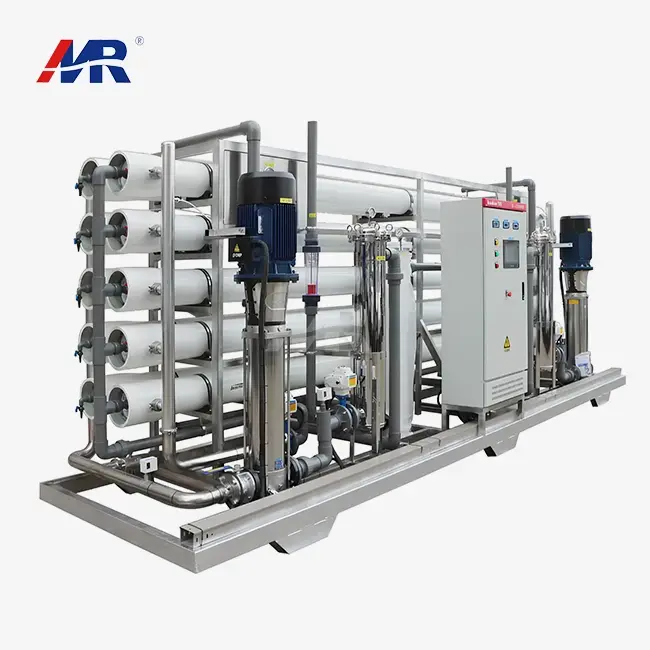
How to Determine the Required Capacity of a RO Water Purification Plant?
A detailed study of the following important factors will help determine the needed capacity of a reverse osmosis water purification plant:
Daily Water Demand
To size your RO plant, the first thing you need to do is figure out how much water you need each day. This means thinking about
- The times when usage is highest
- Changes that happen with the seasons
- Expected rise in demand
To make sure your system stays useful as your business grows, it is important to think about both your present and future needs.
Feed Water Quality
The quality of the water you get affects the size needs of your RO plant a lot. Things that should be thought about are:
- Levels of Total Dissolved Solids (TDS)
- Presence of certain harmful substances
- Changes in water quality over the course of the year
Higher TDS levels or harder-to-remove contaminants might need more pre-treatment or affect the recovery rate, which changes the total capacity that is needed for a reverse osmosis water purification plant.
Desired Product Water Quality
The kind of water you want will depend on what you're using it for. Think about
- Standards for each industry
- Rules that the government says you have to follow
- needs that are unique to the process
If you need higher levels of cleanliness, you may need to use multi-stage RO systems or do more post-treatment. This will affect the total capacity of the plant.
Factors Affecting RO Plant Sizing for Different Applications
RO plants must be sized in certain ways for different businesses and uses because they have different needs:
Industrial Manufacturing
In the industry, think about
- The needs for process water
- Needs for boiler feed water
- Cooling tower water for makeup
Manufacturing processes often need a lot of very pure water, so strong RO systems with a big capacity are needed.
Food and Beverage Industry
For making food and drinks, pay attention to
- Rules for the quality of products
- The amount of production
- Changes in demand by season
In this business, it is very important to make sure that the water quality does not change. To do this, people often need to carefully size their RO plants, such as a reverse osmosis water purification plant, to make sure that the water quality stays the same.
Pharmaceutical and Biotechnology
In these fields with a lot of rules, think about
- Tough rules about water safety (for example, USP, EP)
- Requirements for validation
- The size of production and how flexible it is
Pharmaceutical-grade water often needs to be cleaned in several stages, which affects the size of the RO plant that is needed.
Municipal Water Treatment
For public water sources, these factors are important:
- Number of people helped
- Peak demand times
- Future growth predictions
It is important that municipal RO plants are built with enough capacity to make sure that all of the people in a community can get water.
Capacity Planning for Industrial Reverse Osmosis Water Purification Plants
When it comes to industrial RO plants, planned capacity planning is the only way to do it right:
Conduct a Comprehensive Water Audit
Start by carefully figuring out how much water you need now and in the future:
- Look at statistics on how water has been used in the past.
- Find the times when interest is highest.
- Think about possible ways to save water.
This audit will give you the information you need to figure out how much power your RO plant needs.
Evaluate System Recovery Rate
The recovery rate of your RO system has a big effect on how you plan for capacity:
- Higher recycling rates lower waste but might raise the chance of fouling.
- Lower healing rates might mean that systems with more power are needed.
- Think about the effect of getting rid of concentrate.
Finding the right balance between these things is very important for making the system, including a reverse osmosis water purification plant, run well and save time and energy.
Account for Pretreatment Requirements
Proper pretreatment is important for the life and efficiency of the RO system:
- Figure out if a multimedia filter, softness, or chemical treatment is needed.
- Think about how pretreatment affects the overall system performance, as well as upkeep and downtime for pretreatment systems.
Proper prep can make the membrane last longer, and the system work better overall.
Plan for Future Expansion
To make sure your RO plant stays useful, look ahead to its needs:
- Think about flexible designs so that you can easily add more parts.
- Let space for extra tools.
- Plan the pipes and electricity systems so that they can handle growth.
In the long run, planning ahead for capacity can save a lot of money and downtime.
Conclusion
Choosing the right size for a reverse osmosis water purification plant is an important choice that affects how well the system works, how much it costs to run, and how reliable it is in the long term. By carefully considering the daily water needs, feed water quality, desired product water standards, and specific application needs, companies can make RO systems that provide steady, high-quality water and are still cheap. A deep look into each of these areas is necessary because they each have their own problems that require a custom-made solution: industrial, food and drink, medicinal, and civic.
Good capacity planning doesn't just meet present needs; it involves looking ahead and considering system recovery rates, preparation needs, energy use, and future growth. Modular designs and scalable setups make things more flexible, so plants can grow with the needs of the business without having to spend a lot of money or make big changes. At the same time, proper pretreatment and improved recovery help protect membranes, make equipment last longer, and keep long-term running costs stable.
In the end, a properly sized reverse osmosis water purification plant is not only a piece of useful technology; it is also a smart purchase that helps with long-term water management, following the rules, and making sure operations can keep going even when unexpected things happen. Businesses and towns can get a steady water supply that meets their current needs and future growth plans by using an in-depth capacity evaluation system and working with experienced RO system providers.
FAQ
Q1: How does feed water quality affect RO plant capacity?
A: The capacity of an RO plant is greatly affected by the quality of the feed water. Additional pretreatment may be necessary or the system's recovery rate may be affected by impurities with higher Total Dissolved Solids (TDS) levels. To achieve the same level of water purification, a facility with a bigger capacity may be required. Furthermore, the total system capacity may be reduced over time due to the increased frequency of cleaning or replacing membranes caused by low-quality feed water.
Q2: Can RO plant capacity be increased after installation?
A: It is possible to expand the capacity of an RO plant after installation, but how much depends on the design of the system at the outset. The ability to add membrane components or even whole trains is a key feature of many contemporary RO plants that are designed for flexibility. On the other hand, improvements to the underlying infrastructure, such as pumps and pipes, may be necessary to increase capacity. When you first size and build your RO plant, it's important to think about prospective growth. This will help with quicker and more cost-effective capacity additions on the road.
Q3: How does energy consumption relate to RO plant capacity?
A: Energy consumption generally scales with RO plant capacity, but not always linearly. Larger capacity plants often benefit from economies of scale, potentially offering better energy efficiency per unit of water produced. However, factors such as feed water quality, desired product water purity, and system design can significantly impact energy usage. Advanced energy recovery devices and high-efficiency pumps can help optimize energy consumption across various plant capacities. When sizing your RO plant, it's important to consider both initial capital costs and long-term operational expenses, including energy consumption.
High-Capacity Reverse Osmosis Water Purification Plants for Industrial Applications | Morui
Are you in need of a high-capacity reverse osmosis water purification plant for your industrial operations? Look no further than Guangdong Morui Environmental Technology Co., Ltd. Our state-of-the-art RO systems are designed to meet the diverse needs of industries ranging from manufacturing to municipal water treatment. With our expertise in water purification technology and commitment to customer satisfaction, we can help you choose the perfect RO plant capacity for your specific requirements.
Don't let water quality issues hinder your operations. Contact us today at benson@guangdongmorui.com to discuss your reverse osmosis plant needs. Our Team of experienced engineers is ready to provide you with a tailored solution that ensures optimal performance and cost-effectiveness. Trust Morui to deliver the high-quality water purification solutions your business deserves.
References
1. Johnson, M. & Smith, P. (2022). "Optimizing Reverse Osmosis Plant Capacity for Industrial Applications". Journal of Water Treatment Technology, 45(3), 178-195.
2. Zhang, L. et al. (2021). "Factors Influencing RO Plant Sizing in the Food and Beverage Industry". International Journal of Food Engineering, 17(2), 89-104.
3. Brown, R. (2023). "Municipal Water Treatment: Strategies for Effective RO Plant Capacity Planning". Water Science and Technology, 87(5), 1023-1038.
4. Garcia, A. & Lee, S. (2022). "Energy Efficiency Considerations in Large-Scale Reverse Osmosis Plants". Desalination and Water Treatment, 210, 315-329.
5. Wilson, T. et al. (2021). "Pharmaceutical Water Systems: Sizing RO Plants for GMP Compliance". Pharmaceutical Engineering, 41(4), 52-67.
6. Chen, Y. (2023). "Modular Design Approaches for Scalable Industrial RO Systems". Membrane Technology, 2023(3), 7-12.
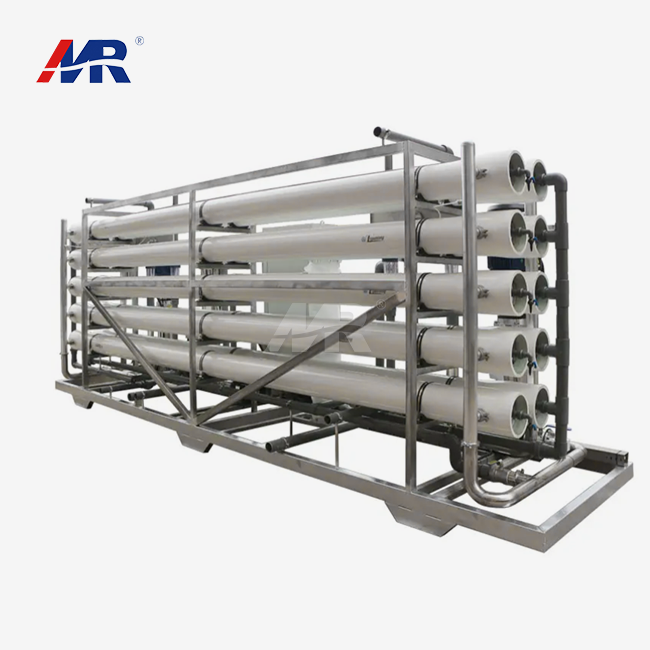 VIEW MOREbrackish water reverse osmosis systems
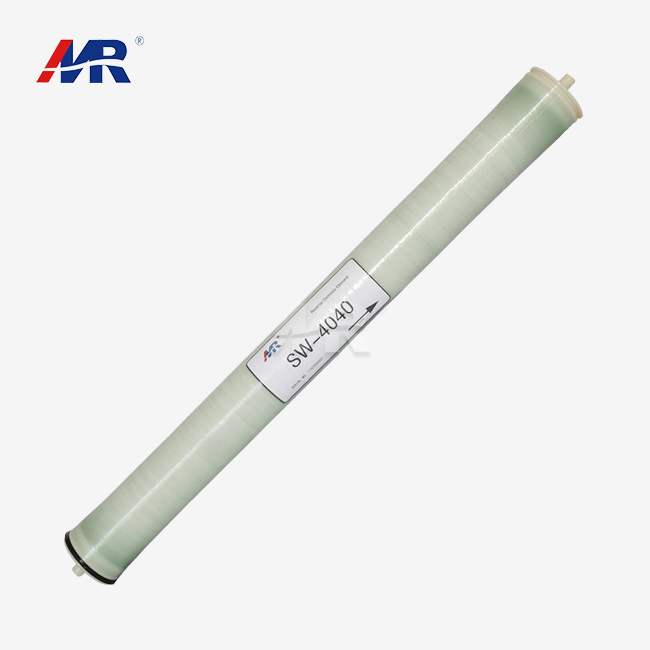 VIEW MORE4040 seawater reverse osmosis membrane
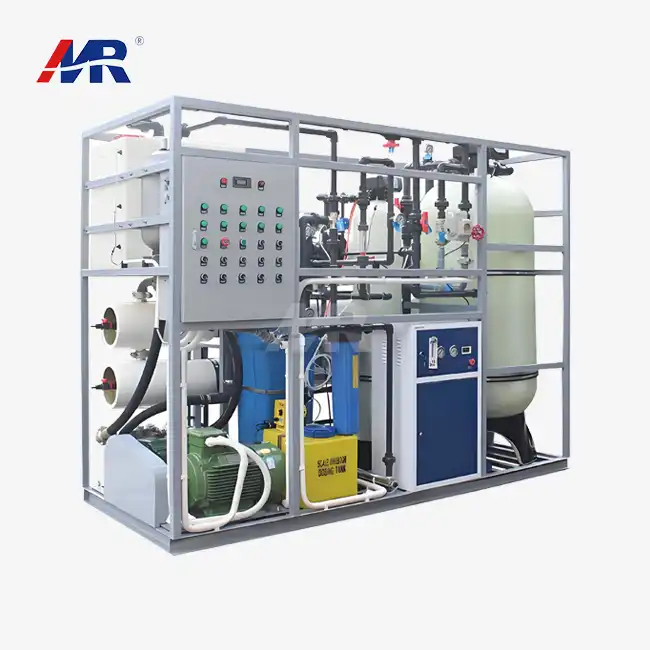 VIEW MORE2T/H seawater desalination plant
 VIEW MOREedi system in water treatment
 VIEW MOREDTRO Water Treatment
 VIEW MORE2 stage reverse osmosis system
 VIEW MOREbrackish water reverse osmosis
 VIEW MORE3T/H reverse osmosis equipment
