_1745823981883.webp)

As Ghana's industry grows, it becomes more difficult to get good, stable water for production. The need for high-tech water treatment has never been greater, as the drug industry, food processing, electronics, and chemicals are all growing quickly. Purification methods that have been used in the past often don't meet the strict standards these fields need. This is where the EDI water purification system makes a big difference by providing ultra-pure water all the time without needing to make chemicals like other systems do. Chinese makers have made themselves the go-to source for high-tech, affordable EDI solutions tailored to the needs of the African market. They combine innovation with price to help the industry grow across the continent.
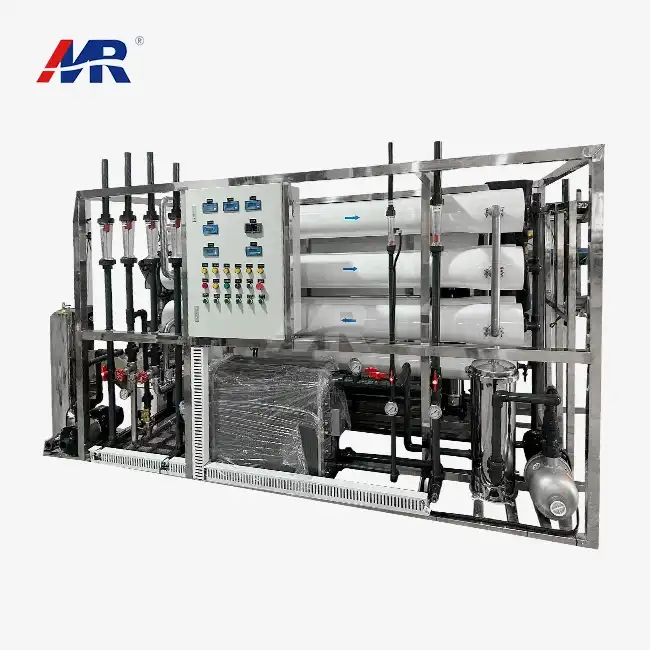
Understanding EDI Water Purification Systems and Their Relevance to Ghana Process Plants
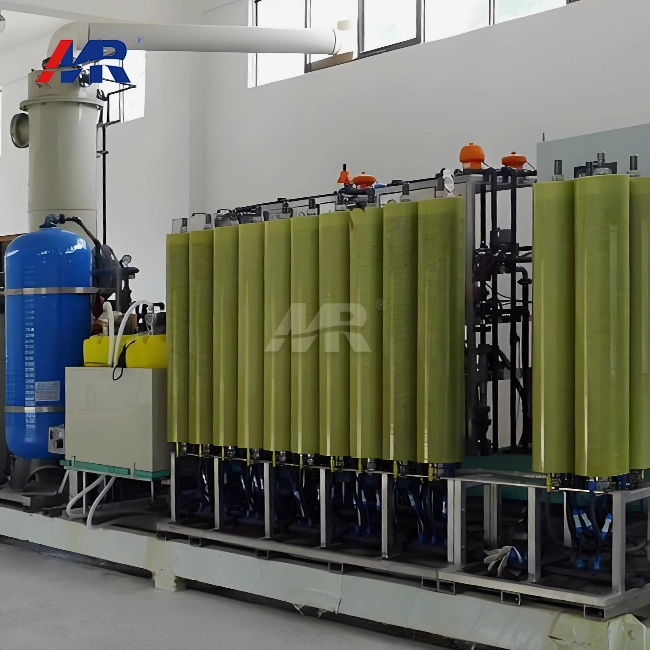
Electrodeionization is a new way to make water cleaner that uses electricity to constantly make ultra-pure water while also using ion-exchange resins. Unlike older methods that need to be chemically regenerated every so often or use a lot of energy, edi systems work all the time while keeping the water quality high. As Ghana's industry has grown, this technology has become more important because the quality of the water used affects how quickly and how well Products are made.
What Is an EDI Water Purification System?
Electrodeionization systems use direct current electricity, ion-exchange membranes, and ion-exchange resins to constantly remove ionic impurities from water in an EDI water purification system. The technology is better for the climate than standard ion-exchange ways because it doesn't need chemical regeneration. The system gets resistance values up to 18.2 MΩ·cm, which meets the most strict standards for the quality of water used in industry. In Ghana's changing industrial sector, this level of cleanliness is very important for making medicines, semiconductors, and high-precision chemicals.
How Does EDI Work? Step-by-Step Process Explained
Electrodeionization is a complex four-step process that makes sure the water is as good as it can be:
- Before treatment: This stage gets the water source ready for further cleaning by getting rid of bigger particles, sediments, and basic impurities.
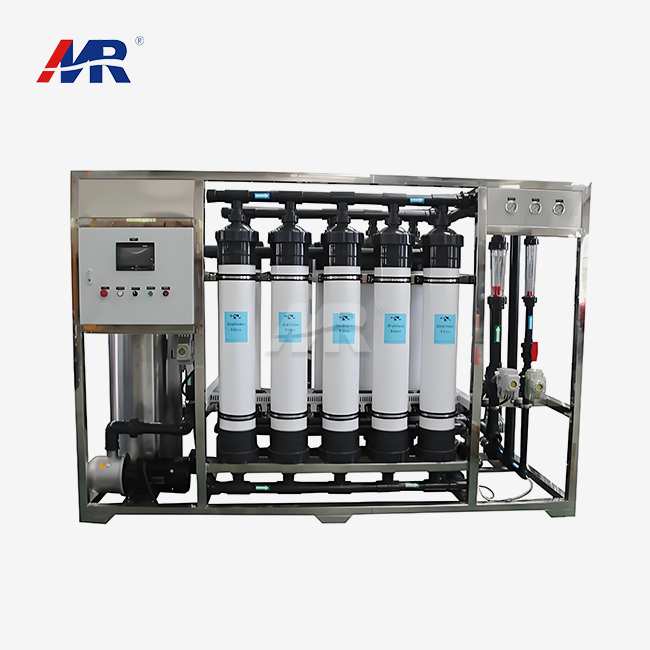
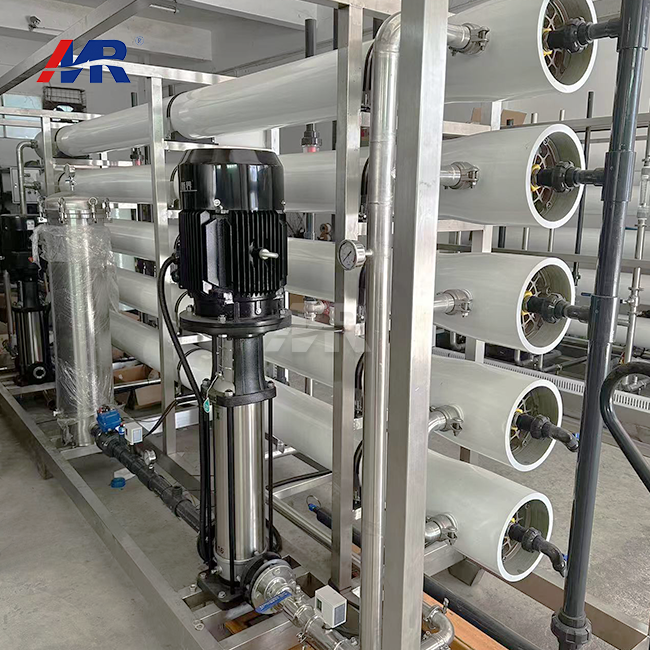
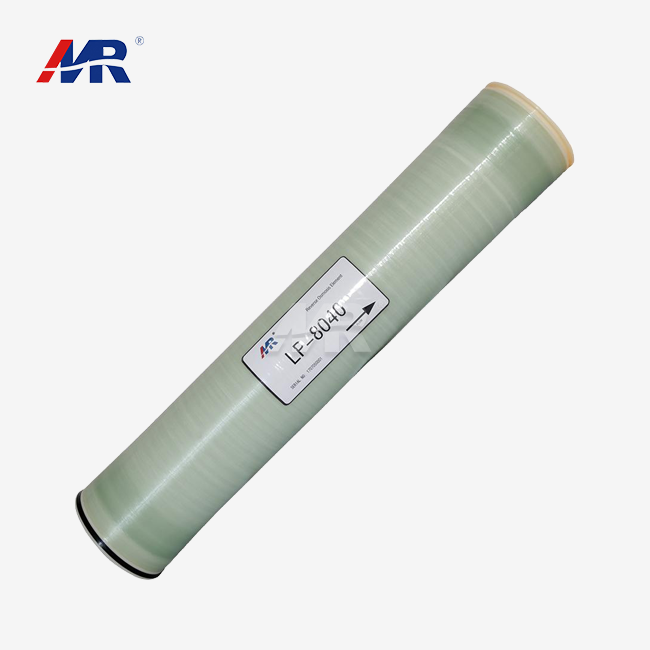
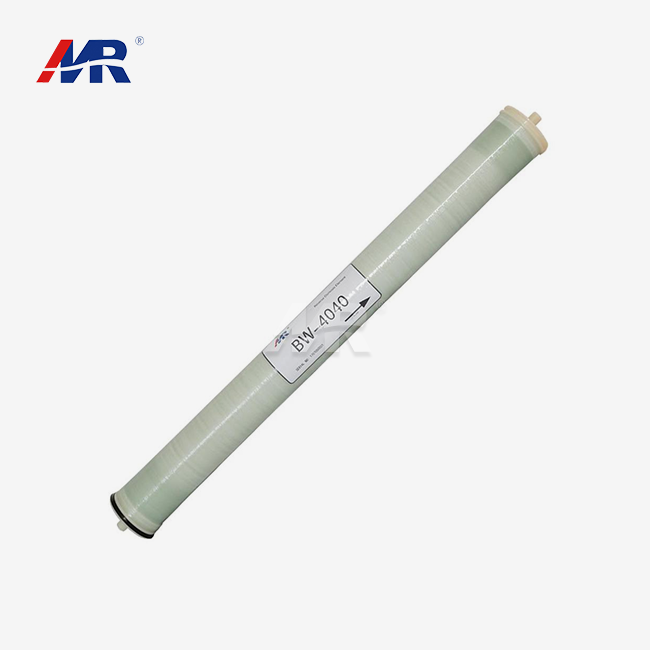
- Reverse osmosis phase: uses membrane filtering to get rid of up to 98% of liquid solids, like salts, minerals, and organic compounds.
- Electrodeionization step: It uses electricity and ion-exchange technology to clean the water even more, getting it to ultra-pure levels and making it resistant to contaminants.
- Post-treatment finishing: This step ensures that the end water quality meets the specific needs of the industry by further cleaning it and keeping an eye on the quality.
This all-encompassing method ensures that the quality of the water stays the same even when the source water changes. This makes it especially useful for the different types of water that can be found in different parts of Ghana.
Key Benefits of EDI Systems in Process Plants
Factories all over Ghana are finding big benefits when they start using EDI technology in their work. The ability to run continuously means that regeneration processes don't have to stop output, which is not the case with traditional ion-exchange systems. It is still very energy efficient, using less than 0.1 kWh/m³ on average, which keeps the cost of running it known and doable. As output needs grow, it's easy to scale up with the modular design, which works with flow rates from 0.5 to 50 m³/h. Also, the automated control systems keep optimal performance with minimal assistance from operators. This lowers costs and risks of mistakes.
Comparing EDI to Other Water Purification Solutions for African Industrial Needs
Factories in Africa need to think about how to treat water carefully, taking into account the way the factory works, the area where it is located, and the goal of making the system last in the long term with an EDI water purification system. The choice of purification technology has a big effect on both the short-term prices of doing business and the long-term dependability of production. When it comes to difficult settings where steady performance and infrequent servicing are important, EDI systems have special benefits over older systems.
EDI vs Reverse Osmosis (RO): Which Fits Ghana Better?
Reverse osmosis does a good job of getting rid of solids and contaminants in the water, but it usually has lower water resistance than EDI systems. RO systems make a lot of garbage, which can be a problem in parts of Ghana where water is scarce. Using RO as a pre-treatment to EDI gets the best water recovery rates above 90% and also gets ultrapure water. This combined method works especially well for making drugs and technology, where the quality of the water used has a direct impact on the purity of the products and adherence to global standards.
EDI vs Distillation and Ion Exchange: Advantages and Limitations
Because they use a lot more energy than EDI technology, distillation systems are less cost-effective for continuous operation in Ghana's energy-conscious manufacturing setting. Traditional ion-exchange systems have to be made new with acids and caustics pretty often. This makes them harder to use and creates trash that is dangerous and hard to get rid of. Compared to traditional ion-exchange ways, EDI gets rid of these issues by constantly regenerating electrically and cutting down on chemical use by as much as 95%. African businesses that want to provide clean water in an eco-friendly way find EDI systems very appealing because they are easy to use and have a small effect on the environment.
EDI System Efficiency and Maintenance in the African Context
Ghana needs strong and dependable water treatment systems because of its warm temperature and the different water quality conditions, and an EDI water purification system meets these needs well. EDI technology shows great strength in the face of the temperature changes and typical yearly water quality changes in the area. It is made of high-quality stainless steel and food-safe plastic, so it will last a long time even in tough circumstances. Regular care mostly means keeping an eye on how well the system is working and replacing membranes from time to time. Depending on the quality of the source water and how the system is used, membranes usually need to be replaced every two to three years.
Why Chinese EDI Water Purification Systems Match the African Market Demands?
Chinese makers have become the most popular choice for African industrial water treatment projects because they know what works and what doesn't in a growing market. Their method uses both high-tech and useful tools that are meant to work in a variety of situations. Chinese EDI systems have become more popular in Ghana's growing industrial sector because they are cost-effective and don't lower the quality of the work.
Cost-Effectiveness and Affordability for Ghana Process Plants
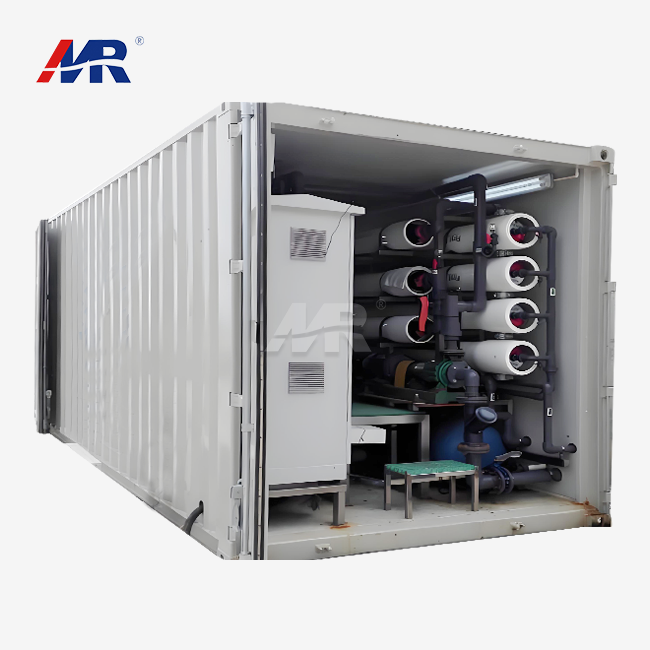
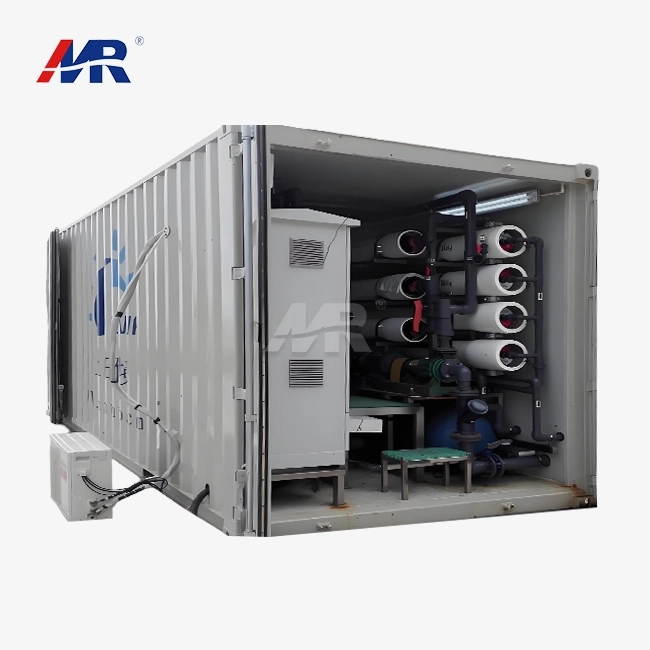
Chinese makers of EDI offer good prices that make high-tech water treatment available to small and medium-sized businesses all over Ghana. With a range of sizes available, both small and large companies can find a unit that fits their needs. Startups may only need 0.5 m³/h, while bigger businesses may need up to 50 m³/h. The adjustable dimensions mean that the system can be installed in places that already exist without having to make a lot of changes to the building. This lowers the overall cost of the project. Companies can add capacity as their operations grow with stepwise adoption through modular designs, which means they don't have to replace whole systems.
Quality, Innovation, and Eco-Friendly Features of Chinese EDI Brands
Top Chinese makers have put a lot of money into research and development to make energy-saving systems, such as an EDI water purification system that meets quality standards around the world. Africa has high energy costs, but the automatic control systems solve that problem by maximizing output and reducing energy use. A few environmentally friendly features are low chemical usage, high water collection rates, and compact sizes that make the facilities smaller. Ghana is dedicated to protecting the environment and growing industry in a sustainable way, and these new ideas fit right in with that.
Support, Warranty, and Supplier Reliability in the African Market
Chinese companies have set up a lot of support networks across Africa, giving the region technical knowledge and the ability to respond quickly. As part of the installation service, the system is fully commissioned, and operators are trained to make sure it works perfectly from the very first day. Extended warranty programs usually cover tools for two to three years, during which time it should be easy to get extra parts and other items that need to be used up. This local support system takes care of common issues with foreign equipment vendors and creates lasting business relationships with African customers in the industry sector.
Practical Considerations for Procuring and Installing EDI Systems in Ghana
Careful planning and attention to local working factors are needed for EDI technology to work. Understanding how to buy the system, install it, and keep it running will help you get the most out of your investment and make sure the system is reliable for a long time.
Step-by-Step Guide to Purchasing EDI Systems for African Process Plants
The buying process starts with a detailed study of water quality to figure out what kinds of repairs are needed. Suppliers should give thorough technical information that includes performance promises and proof of compliance. Checking a vendor's qualifications means looking at their work on past projects with similar apps and making sure they can help you where you are. Customization choices must take into account local water makeup, how much space there is, and how to make sure the system works with what is already in place.
Installation and Integration of EDI Water Purification Systems
Installation usually takes anywhere from 4 to 8 weeks, based on how complicated the system is and how much work the site needs to be ready for an EDI water purification system. Before installing, it's important to make sure there is enough electricity, water, and drainage at the spot. When you connect it to a reverse osmosis or pre-treatment system that is already in place, you need to make sure that the flow rates, pressure needs, and control system compatibility are all taken into account. Professional commissioning includes checking the performance, teaching the user, and making a record of the operating parameters for future upkeep.
Cost Analysis: Total Cost of Ownership for EDI Systems Compared with Alternatives
Even though EDI systems might be more expensive than simple RO systems at first, they end up being cheaper in the long run. Using fewer chemicals gets rid of the costs of reagents and throwing away chemicals. Lower upkeep needs and longer part lives help keep the business running and cut down on the costs of replacing parts. Energy economy leads to predictable costs of doing business, and high water recovery rates get rid of trash more cheaply.
Real-World Applications and Success Stories of Chinese EDI Systems in Africa
Chinese EDI technology has been used successfully in factories across Africa to improve water quality, lower the costs of doing business, and meet international quality standards. These examples from real life show that EDI systems are useful and can be counted on to work in difficult situations in Africa.
Case Studies: Ghanaian and African Industrial Plants Using EDI Systems
A drug factory in Accra was able to meet the Good Manufacturing Practice water quality standards with a Chinese EDI system that kept the resistance at 18.2 MΩ·cm and lowered the cost of chemicals by 80%. A food processing company in Lagos used modular EDI technology to make sure that the quality of their products met the standards of foreign markets. Because of this, there were no water-related quality complaints over two years of operation. These sites show that the technology can meet tough international standards while working well in difficult tropical environments.
Industry Sectors Benefiting Most from EDI in Africa
Pharmaceutical and research businesses depend on EDI systems to make water for injections that meet USP standards with an EDI water purification system. Electronics factories use ultra-pure water for precision cleaning and chip processes. To make sure that the quality of their products stays the same and the shelf life is longer, food and drink companies use EDI technology. Power generation sites use EDI devices to clean boiler feedwater. This makes things more efficient and lowers corrosion.
Future Prospects and Expanding Use of EDI Technology in African Markets
As Africa's industries become more advanced and quality demands rise, the use of EDI technology is spreading. It is becoming more and more important to have solid water treatment options as the automotive, chemicals, and green energy sectors grow. By continuing to work with and build up support systems in China, Chinese businesses are making it easier for African companies to use modern water treatment technologies.
About Morui: Your Trusted EDI Water Purification Partner
Guangdong Morui Environmental Technology Co., Ltd is a top company in the African markets that offers a wide range of water cleaning options, including an EDI water purification system. With more than 14 offices, 500 workers, and 20 engineers, Morui blends a lot of knowledge with an understanding of the local market. Our company runs its own membrane production center and several equipment processing shops. This lets us keep an eye on quality at every stage of production. We also work as licensed representatives for well-known names such as Shimge Water Pumps, Runxin Valves, and Createc Instruments, and we can fully integrate systems.
For the most sensitive industrial uses, our advanced EDI systems, which use both electrodeionization technology and membrane filtering, make sure that you always get high-quality filtered water. Each system is meant to be energy-efficient, require little upkeep, and work reliably in African conditions.
Conclusion
Chinese EDI water purification systems are great for Ghana's growing industry sector because they use cutting-edge technology and are cheap. Because it can be used continuously, doesn't need to be maintained often, and produces great water, EDI technology is perfect for the pharmaceutical, electronics, food processing, and chemical industries. Chinese companies promise to support the local community, offer low prices, and protect the environment. These promises are a perfect match for Africa's goals for economic growth. As Ghana's industry changes, EDI technology will become more and more important for making sure that factories have access to stable, high-quality water.
FAQ
Q1: Is EDI water purification suitable for all types of industrial water sources in Ghana?
A: EDI systems work optimally with pre-treated water, typically following reverse osmosis treatment. They excel in applications requiring high-purity water with resistivity up to 18.2 MΩ·cm, making them ideal for pharmaceutical, electronics, and precision chemical manufacturing.
Q2: How often does an EDI system need maintenance in tropical African environments?
A: With proper pre-treatment and regular monitoring, maintenance requirements are minimal. Routine inspections every 6-12 months ensure optimal performance, while major maintenance typically occurs every 2-3 years, depending on operating conditions.
Q3: Are Chinese EDI systems certified for quality and environmental standards applicable in Africa?
A: Leading Chinese manufacturers comply with international ISO and CE Certifications. Systems meet or exceed local regulatory requirements while providing comprehensive documentation for compliance verification and procurement approval processes.
Partner with Morui for Advanced EDI Water Purification Solutions
Transform your industrial water treatment capabilities with Morui's cutting-edge EDI water purification system technology. Our experienced team provides comprehensive consultation, customized system design, and complete installation services tailored to your specific requirements. As a trusted EDI water purification system supplier, we guarantee exceptional performance, reliable support, and competitive pricing for your Ghana operations. Ready to upgrade your water treatment infrastructure? Contact us at benson@guangdongmorui.com today to discuss your project needs and receive a detailed quotation. Visit moruiwater.com to explore our complete range of water treatment solutions designed for African industrial success.
References
1. International Water Association. "Electrodeionization Technology in Industrial Water Treatment: Applications and Performance Analysis." Water Science and Technology Journal, 2023.
2. African Development Bank. "Industrial Water Treatment Infrastructure Development in West Africa: Challenges and Opportunities." Economic Development Report, 2023.
3. Ghana Industrial Development Corporation. "Water Quality Requirements for Manufacturing Industries: Standards and Best Practices." Technical Guidelines, 2022.
4. World Health Organization. "Industrial Water Treatment Technologies for Developing Countries: Sustainability and Cost-Effectiveness Analysis." Global Health Initiative, 2023.
5. Institute of Chemical Engineers. "Membrane Technology Applications in African Industrial Processes: Case Studies and Performance Evaluation." Process Engineering Review, 2022.
6. United Nations Industrial Development Organization. "Sustainable Water Management in African Manufacturing: Technology Assessment and Implementation Guidelines." Industrial Development Report, 2023.