

_1745823981883.webp)

Best-Value Ultrafiltration Water Treatment Systems for Nigeria Projects
When it comes to tending to Nigeria's water challenges, water ultrafiltration systems stand out as a cost-effective and proficient arrangement. These progressive frameworks offer predominant water decontamination capabilities, making them perfect for various ventures across urban and country zones in Nigeria. By leveraging cutting-edge layer innovation, ultrafiltration systems successfully evacuate contaminants, microbes, and infections, guaranteeing clean and secure water for assorted applications. From metropolitan water treatment to mechanical wastewater reusing, these systems give a versatile arrangement that can be custom-made to meet the particular needs of Nigerian water ventures. With their capacity to handle changing water quality inputs and deliver reliably high-quality yield, ultrafiltration systems speak to an amazing speculation for Nigeria's water framework development.
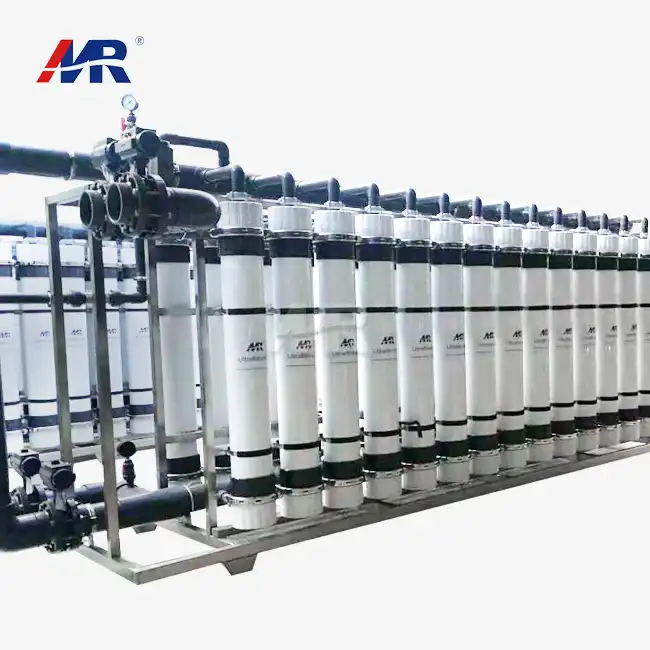
What UF systems offer the best value for Nigerian water projects?
When assessing ultrafiltration systems for Nigerian water ventures, it's pivotal to consider components such as filtration capacity, energy efficiency, and general performance. The best-value frameworks ordinarily offer a adjust between cost-effectiveness and vigorous execution, guaranteeing long-term maintainability for water treatment activities in Nigeria.
Key Features of High-Value UF Systems
- Advanced Layer Innovation: See frameworks that utilize state-of-the-art film materials, which offer prevalent filtration capabilities and longevity.
- Scalability: Pick for measured plans that permit simple development as water demand increases, especially in rapidly developing urban areas.
- Energy Effectiveness: Select systems with moo vitality utilization rates, regularly extending from 0.1 to 0.3 kWh/m³, to minimize operational costs.
- Automated Operation: Systems with brilliantly controlled components decrease the require for consistent manual mediation, making them appropriate for inaccessible or understaffed locations.
- Robust Pre-treatment: Coordinates pre-treatment choices to offer assistance in expanding film life and progress generally system performance, especially vital in zones with challenging water sources.
Top-Performing UF Systems for Nigerian Projects
Several ultrafiltration systems have proven to be particularly well-suited for Nigerian water projects:
- High-Capacity Civil Frameworks: These are planned for large-scale urban water treatment, capable of handling 500-1000 m³/h. They're perfect for city-wide water supply projects.
- Compact Mechanical Units: Ideal for smaller-scale applications in fabricating or food handling, these frameworks ordinarily handle 50-200 m³/h.
- Hybrid UF-RO Frameworks: Combining ultrafiltration with turn-around osmosis, these frameworks offer comprehensive water decontamination, reasonable for creating high-quality water for pharmaceutical or gadget industries.
Cost-Benefit Analysis of UF Systems in the Nigerian Context
When assessing the value of UF systems for Nigerian projects, it's essential to consider both upfront costs and long-term benefits:
- Initial Venture: Whereas the forthright taken a toll of a high-quality UF system may be higher, it frequently translates to lower operational costs and fewer substitutions over time.
- Operational Costs: Energy-efficient frameworks with robotized controls can essentially decrease day-to-day running costs, a pivotal calculate in Nigeria's energy landscape.
- Maintenance Necessities: Frameworks with vigorous pre-treatment and self-cleaning components require less visit support, decreasing by and large costs and downtime.
- Water Quality Advancement: The prevalent filtration capabilities of progressed UF systems can lead to way better public health results, possibly lessening healthcare costs related to waterborne diseases.
- Versatility: Frameworks that can handle shifting water quality inputs give esteem over diverse districts of Nigeria, from coastal regions to inland areas with assorted water challenges.
Sizing and power considerations for UF in Nigeria's urban and rural contexts
Properly sizing and powering ultrafiltration systems is crucial for their effectiveness and efficiency in both urban and rural Nigerian settings. The diverse landscapes and infrastructure challenges across the country necessitate careful consideration of these factors to ensure optimal performance and sustainability of water treatment projects.
Urban UF System Sizing
In Nigeria's rapidly growing urban centers, UF systems must be sized to meet both current and future water demands:
- Population Projections: Consider urban development rates and future population projections when measuring frameworks for cities like Lagos, Kano, or Abuja.
- Industrial Request: Account for the water needs of mechanical zones, which regularly require huge volumes of treated water.
- Peak Request Administration: Plan frameworks to handle top water utilization periods, ordinarily 1.5 to 2 times the normal day by day demand.
- Modular Extension: Pick frameworks that permit simple capacity increments to accommodate urban development over time.
Rural UF System Sizing
For rural areas, different considerations come into play when sizing ultrafiltration plants:
- Community Measure: Coordinate framework capacity to the particular needs of smaller communities, regularly extending from 10 to 100 m³/day.
- Water Source Changeability: Account for regular changes in water accessibility, particularly in dry regions.
- Future Advancement: Consider potential rural-to-urban moves and arrange for unassuming capacity increases.
- Decentralized Systems: In a few cases, numerous smaller UF units may be more viable than a single expansive system for scattered provincial populations.
Power Considerations in Urban Settings
Powering UF systems in Nigeria's cities requires careful planning to ensure reliable operation:
- Grid Connectivity: Whereas urban regions by and large have superior access to the control grid, reinforcement control arrangements are significant due to potential outages.
- Energy Effectiveness: Prioritize frameworks with moo vitality utilization (0.1-0.3 kWh/m³) to minimize strain on urban control infrastructure.
- Load Administration: Actualize shrewd controls to optimize control utilization during peak and off-peak hours.
- Renewable Integration: Consider coordination of solar or wind control to supplement lattice power, improving maintainability and lessening operational costs.
Power Solutions for Rural UF Systems
In rural Nigeria, where grid access may be limited, alternative power solutions are often necessary:
- Solar-Powered Systems: Utilize photovoltaic boards coupled with battery capacity to control UF units in off-grid locations.
- Hybrid Control Frameworks: Combine solar with diesel generators or micro-hydro control where appropriate to guarantee 24/7 operation.
- Energy Recuperation Gadgets: Actualize weight exchangers or turbines to recuperate energy and decrease overall control consumption.
- Community-Based Control Arrangements: Investigate alternatives for a shared control framework that can bolster both water treatment and other community needs.
Optimizing UF System Performance Across Nigeria
To ensure optimal performance of ultrafiltration systems in various Nigerian contexts:
- Climate Adjustment: Plan frameworks to withstand Nigeria's differing climate conditions, from muggy coastal regions to dry northern regions.
- Water Quality Mapping: Conduct comprehensive water quality evaluations to tailor UF frameworks to particular neighborhood contaminants and challenges.
- Operational Preparation: Contribute to exhaustive preparation programs for nearby administrators to guarantee appropriate framework administration and maintenance.
- Remote Observing: Actualize IoT-enabled observing frameworks for real-time execution following and prescient support, especially advantageous for provincial installations.
- Community Engagement: Include neighborhood communities in the planning and implementation stages to guarantee frameworks meet particular needs and cultivate a sense of ownership.
Financing and procurement tips for UF projects in Nigeria
Securing funding and navigating the procurement process for ultrafiltration projects in Nigeria can be complex. However, with the right approach and understanding of available options, project implementers can successfully finance and acquire high-quality UF systems that meet the country's water treatment needs.
Financing Options for Nigerian UF Projects
- Government Funding: Explore national and state-level budgets allocated for water infrastructure development. The Federal Ministry of Water Resources often has funds earmarked for such projects.
- International Development Agencies: Organizations like the World Bank, African Development Bank, and USAID frequently support water treatment initiatives in Nigeria.
- Public-Private Partnerships (PPPs): Engage with private sector entities interested in investing in water infrastructure, combining public resources with private expertise and capital.
- Microfinance and Community Funding: For smaller, rural projects, consider microfinance options or community-based funding models that leverage local resources.
- Green Bonds: Explore Nigeria's growing green bond market to finance environmentally friendly water treatment projects.
Procurement Strategies for UF Systems
- Transparent Bidding Process: Ensure a clear and fair tendering process that attracts reputable ultrafiltration system suppliers.
- Quality-Based Selection: Prioritize system quality and long-term performance over initial cost to ensure sustainable solutions.
- Local Content Integration: Consider procurement strategies that incorporate local manufacturing or assembly to boost the domestic economy and ensure easier maintenance.
- Technology Transfer Agreements: Seek partnerships with international suppliers that include knowledge transfer components, building local capacity in UF technology.
- Lifecycle Cost Analysis: Evaluate proposals based on total lifecycle costs, including operation and maintenance, not just upfront expenses.
Navigating Regulatory Landscape
Understanding and complying with Nigeria's regulatory environment is crucial for successful UF project implementation:
- Environmental Impact Evaluations: Guarantee ventures meet the requirements set by the Environmental Service of Environment.
- Water Quality Guidelines: Follow the Nigerian Standard for Drinking Water Quality (NSDWQ) in framework specifications.
- Local Government Endorsements: Explore the essential consents from state and nearby water bodies or agencies.
- Import Directions: Familiarize with traditions, strategies, and potential exclusions for water treatment equipment.
Risk Mitigation Strategies
To safeguard investments in UF projects:
- Performance Ensures: Secure guarantees and execution bonds from providers to guarantee framework reliability.
- Phased Execution: Consider an organized approach for bigger ventures, permitting for alterations based on starting performance.
- Currency Hazard Administration: Utilize monetary rebellious to support against currency fluctuations for imported equipment.
- Capacity Building: Contribute to preparing nearby staff to decrease dependence on outside expertise for framework operation and maintenance.
Leveraging Technology for Project Management
Utilize modern tools to enhance project efficiency:
- Digital Acquirement Stages: Actualize e-procurement frameworks to streamline the offering and provider choice process.
- Project Administration Program: Utilize collaborative stages to arrange between partners, track progress, and oversee assets effectively.
- Remote Checking Frameworks: Coordinated IoT-enabled checking arrangements for real-time oversight of UF framework execution and upkeep needs.
- Data Analytics: Use huge information analytics to optimize framework operations and illuminate future extension planning.
Building Sustainable Partnerships
Fostering strong relationships is key to long-term project success:
- Local Partner Engagement: Include community pioneers, nearby water specialists, and end-users in the extended planning and usage process.
- Academic Collaborations: Accomplice with Nigerian colleges for investigate and improvement activities related to UF innovation adaptation.
- Industry Affiliations: Lock in with water industry affiliations to remain educated around best practices and organizing opportunities.
- Long-term Provider Connections: Create continuous organizations with dependable UF framework providers to guarantee steady support and potential benefits for future projects.
By carefully considering these financing and procurement strategies, project implementers can enhance the success rate of ultrafiltration initiatives across Nigeria, contributing to improved water access and quality for both urban and rural populations.
Conclusion
Ultrafiltration water treatment systems speak to a crucial arrangement for addressing Nigeria's differing water challenges. From bustling urban centers to farther country communities, these progressive frameworks offer the adaptability, proficiency, and unwavering quality required to guarantee clean, secure water across the country. By carefully considering components such as framework measuring, control necessities, financing choices, and acquisition procedures, extension implementers can maximize the impact and sustainability of UF installations.
As Nigeria proceeds to create its water framework, the role of ultrafiltration innovation in defending public health and supporting economic development cannot be exaggerated. With legitimate planning, venture, and administration, UF frameworks have the potential to change water treatment capabilities all over the nation, clearing the way for a more advantageous, more affluent future.
For those looking to set out on water treatment ventures in Nigeria, collaborating with experienced providers and leveraging the most recent UF innovation is vital. Guangdong Morui Environmental Technology Co., Ltd. stands prepared to bolster your endeavors with our state-of-the-art ultrafiltration systems, custom-made to meet the one-of-a-kind needs of Nigerian water ventures.
FAQ
Q1: How do ultrafiltration systems compare to other water treatment methods for Nigerian projects?
A: Ultrafiltration systems offer several advantages for Nigerian water projects compared to other treatment methods. They provide excellent removal of bacteria, viruses, and particulates without the use of chemicals, making them environmentally friendly. UF systems are also more energy-efficient than reverse osmosis, while offering higher water quality than conventional filtration. Their modular nature allows for easy scaling, making them suitable for both small rural applications and large urban projects.
Q2: What is the typical lifespan of an ultrafiltration system in Nigerian conditions?
A: The lifespan of an ultrafiltration system in Nigerian conditions can vary depending on factors such as water quality, maintenance practices, and operational conditions. However, with proper care and regular maintenance, UF membranes can last 5-7 years, while the overall system can operate effectively for 15-20 years. Implementing robust pre-treatment and following manufacturer guidelines for cleaning and operation can significantly extend the system's lifespan.
Q3: How can ultrafiltration systems be made more accessible for rural Nigerian communities?
A: Making ultrafiltration systems more accessible for rural Nigerian communities involves several strategies. These include developing smaller, modular units that are easier to transport and install in remote areas; integrating solar power solutions to overcome electricity limitations; implementing community-based management models to ensure local ownership and maintenance; and exploring innovative financing options such as micro-loans or pay-as-you-go schemes. Additionally, partnering with local NGOs or government initiatives can help in distribution and community education about the benefits of UF technology.
High-Quality Ultrafiltration Systems for Water Treatment Projects | Morui
Ready to elevate your water ultrafiltration systems project with cutting-edge ultrafiltration technology? Guangdong Morui Environmental Technology Co., Ltd. offers top-tier UF systems designed to meet the unique challenges of Nigerian water projects. Our expert team provides comprehensive support from system selection to installation and maintenance, ensuring optimal performance and long-term reliability.
Don't let water quality issues hold back your project's success. Contact us today at benson@guangdongmorui.com to discuss how our advanced ultrafiltration solutions can transform your water treatment capabilities. Let's work together to bring clean, safe water to communities across Nigeria.
References
1. Nigerian Water Resources Institute. (2022). "Advancements in Water Treatment Technologies for Nigeria's Growing Demand."
2. Journal of Water Process Engineering. (2023). "Comparative Analysis of Ultrafiltration Systems in Tropical Climate Conditions."
3. African Development Bank Group. (2023). "Financing Water Infrastructure Projects in Sub-Saharan Africa: Challenges and Opportunities."
4. Okeke, C., & Adebayo, T. (2021). "Performance Evaluation of Ultrafiltration Plants for Municipal Water Supply in Nigeria." Water Science and Technology, 83(12), 2871-2885.
5. Eze, P., Nwankwo, O., & Uche, I. (2022). "Energy Efficiency and Sustainability of UF Systems in Nigerian Water Treatment." Environmental Technology & Innovation, 28, 102231.
6. Oluwaseun, A., & Bello, K. (2020). "Design and Implementation of Modular Ultrafiltration Plants for Rural Communities in Nigeria." Journal of Environmental Engineering and Science, 15(4), 445-456.
 VIEW MOREbrackish membrane
 VIEW MOREContainerized Mobile Water Treatment Systems
 VIEW MOREContainerized Reverse Osmosis Systems
 VIEW MOREro edi system
 VIEW MOREultrafiltration membranes for water treatment
 VIEW MOREbrackish water reverse osmosis systems
 VIEW MOREElectrodeionization system
 VIEW MOREro uf filter
