

_1745823981883.webp)

Top Maintenance Tips for Waste Water Treatment Plants to Ensure Long-Term Efficiency
Keeping up the proficiency and lifespan of Sewage Treatment Plants is pivotal for guaranteeing clean water and environmental security. Legitimate support, not it mention, expands the life expectancy of gear but also optimizes operational costs and guarantees compliance with administrative guidelines. This comprehensive direct investigation investigates basic support needs for wastewater treatment offices, centering on day by day, week after week, and month to monthly needs, key system care, and predictive maintenance methodologies. By actualizing these best upkeep tips, plant administrators can essentially upgrade the execution and reliability of their wastewater treatment systems, eventually contributing to more sustainable water management practices.
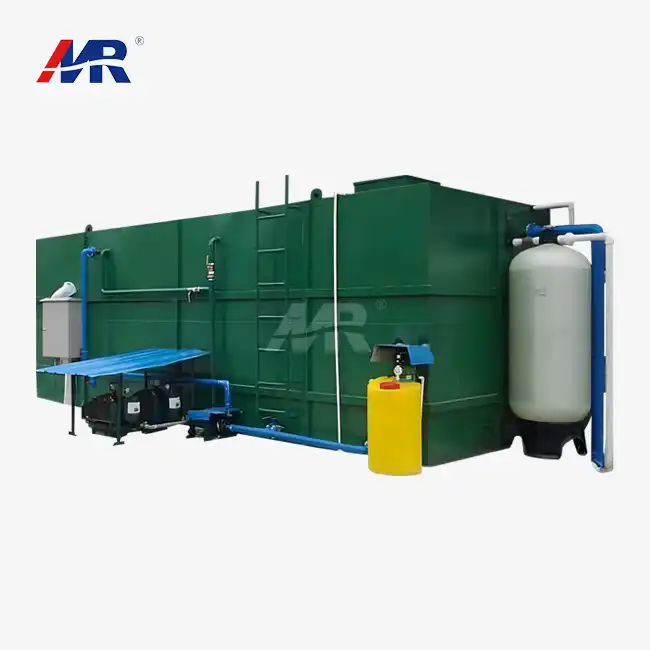
Daily, Weekly, and Monthly Maintenance Priorities for STPs
Effective maintenance of sewage treatment plants requires a structured approach with clearly defined daily, weekly, and monthly tasks. This systematic routine ensures that all components of the wastewater treatment system receive appropriate attention, preventing minor issues from escalating into major problems.
Daily Maintenance Tasks
- Visual Assessments: Conduct exhaustive visual checks of all gear, counting pumps, blowers, and clarifiers, to recognize any self-evident signs of wear, spillage, or malfunction.
- Odor Control: Screen and alter odor control frameworks to keep up ideal execution and prevent annoyance odors from influencing adjacent communities.
- Chemical Dosing: Check and calibrate chemical dosing frameworks to guarantee legitimate treatment of influent wastewater.
- Process Observing: Audit key prepare parameters such as pH, dissolved oxygen levels, and stream rates, making vital alterations to keep up ideal treatment conditions.
Weekly Maintenance Priorities
- Equipment Oil: Oil and grease up moving parts of pumps, engines, and other mechanical hardware to decrease contact and wear.
- Belt Pressure Checks: Assess and alter belt pressures on blowers and other belt-driven hardware to anticipate slippage and guarantee proficient operation.
- Filter Cleaning: Clean or discharge channels utilized in different treatment stages to keep up legitimate stream and filtration efficiency.
- Safety Hardware Assessment: Test and review security gear such as gas locators, fire quenchers, and personal protective equipment (PPE) to guarantee preparation in case of emergencies.
Monthly Maintenance Activities
- Comprehensive Equipment Inspections: Perform point-by-point assessments of major gear components, counting inside parts of pumps, blowers, and clarifiers.
- Electrical System Checks: Review electrical boards, associations, and control frameworks for signs of wear, erosion, or loose connections.
- Calibration of Instrumentation: Calibrate stream meters, pH sensors, and other basic instruments to keep up exactness in handling control and reporting.
- Tank and Basin Cleaning: Plan cleaning of settling tanks, air circulation bowls, and other treatment units to evacuate collected solids and keep up treatment efficiency.
By adhering to these structured maintenance priorities, operators can ensure that their wastewater treatment plants operate at peak efficiency, minimizing downtime and maximizing the quality of treated effluent.
Aeration System Care, Sludge Management, and Instrumentation Checks
The heart of many wastewater treatment processes lies in the aeration system, efficient sludge management, and accurate instrumentation. Proper care and maintenance of these critical components are essential for the overall performance of the treatment plant.
Aeration System Maintenance
- Diffuser Inspection and Cleaning: Routinely review and clean diffusers to avoid clogging and guarantee uniform discuss conveyance. This may include expelling biofilm buildup or replacing harmed diffuser membranes.
- Blower Maintenance: Conduct scheduled upkeep on blowers, including oil changes, channel substitutions, and bearing assessments. Legitimately kept up blowers work more productively, diminishing energy consumption and extending gear life.
- Air Distribution System Checks: Assess, discuss channeling and valves for spills or harm. Guarantee indeed discuss conveyance over all air circulation zones to keep up ideal broken up oxygen levels all through the treatment process.
- Dissolved Oxygen Monitoring: Frequently calibrate and keep up with broken-down oxygen sensors to guarantee exact readings and proficient control of the air circulation process.
Sludge Management Practices
- Sludge Thickening and Dewatering Equipment Care: Keep up with slime dealing with hardware such as centrifuges, belt presses, or channel presses to guarantee productive slime handling and disposal.
- Anaerobic Digester Monitoring: For plants utilizing anaerobic assimilation, frequently screen digester execution, including gas generation, temperature, and pH levels. Perform occasional cleaning and assessment of warm exchangers and blending systems.
- Sludge Storage and Disposal Planning: Execute a strong sludge administration arrange, including appropriate capacity hones and timely transfer or advantageous reuse options.
- Polymer System Maintenance: Routinely clean and calibrate polymer bolster frameworks utilized in slime conditioning to keep up ideal execution and chemical utilization efficiency.
Instrumentation and Control System Checks
- Sensor Calibration: Frequently calibrate basic sensors, including pH tests, alkali sensors, and turbidity meters, to guarantee exact preparation control and compliance monitoring.
- Flow Meter Verification: Conduct occasional confirmation of influent, profluent, and inner prepare stream meters to keep up exact stream estimations and prepare control.
- SCADA System Maintenance: Perform normal overhauls and upkeep on Supervisory Control and Data Acquisition (SCADA) frameworks, including program overhauls, data backup, and security measures.
- Alarm System Testing: Frequently test and confirm the usefulness of caution frameworks to guarantee incite notice of hardware failures or prepare deviations.
By focusing on these critical areas of aeration system care, sludge management, and instrumentation checks, sewage treatment plant operators can significantly enhance the reliability and efficiency of their wastewater treatment processes. This proactive approach not only improves treatment performance but also contributes to more sustainable and cost-effective plant operations.
Predictive Maintenance Practices to Avoid Costly Unplanned Outages
Implementing predictive maintenance strategies in sewage treatment plants and wastewater treatment plants is crucial for preventing unexpected equipment failures and minimizing costly downtime. By leveraging advanced technologies and data-driven approaches, plant operators can identify potential issues before they escalate into major problems, ultimately improving plant reliability and reducing maintenance costs.
Vibration Analysis
- Regular Monitoring: Implement a routine vibration monitoring program for critical rotating equipment such as pumps, blowers, and motors. Vibration analysis can detect early signs of bearing wear, misalignment, or imbalance.
- Trend Analysis: Maintain historical vibration data to identify long-term trends and predict when equipment may require maintenance or replacement.
- Portable vs. Continuous Monitoring: Consider implementing continuous vibration monitoring systems for critical equipment, while using portable analyzers for less critical or intermittently operated machinery.
Oil Analysis
- Scheduled Sampling: Build up a standard oil testing plan for gearboxes, pressure-driven frameworks, and other greased-up gear. Oil examination can uncover contamination, wear particles, and corruption of oil properties.
- Particle Count Monitoring: Track molecule tallies in oil tests to identify early signs of wear or defilement, permitting for opportune intercession some time recently gear harm occurs.
- Lubricant Performance Tracking: Screen changes in oil consistency, causticity, and added substance consumption to optimize oil alteration intervals and anticipate premature gear wear.
Thermography
- Electrical System Inspections: Utilize infrared cameras to review electrical boards, engine associations, and switchgear for hot spots that may demonstrate loose connections or overloaded circuits.
- Mechanical Equipment Monitoring: Apply thermography to identify unusual warm designs in pumps, engines, and orientation, which can demonstrate approaching disappointments or inefficiencies.
- Process Equipment Checks: Utilize warm imaging to distinguish cover disappointments, warm exchanger fouling, or other prepare wasteful aspects that may not be noticeable to the naked eye.
Data Analytics and Machine Learning
- Historical Data Analysis: Execute information analytics tools to analyze chronicled operational data, recognizing patterns and inconsistencies that may indicate hardware issues.
- Real-time Monitoring: Utilize machine learning calculations to handle real-time sensor information, empowering early detection of hardware execution deviations.
- Predictive Modeling: Create prescient models based on chronicled disappointment information and current working conditions to estimate potential hardware disappointments and optimize support scheduling.
Computerized Maintenance Management Systems (CMMS)
- Asset Management: Execute a CMMS to track hardware upkeep history, save parts stock, and work out maintenance schedules, encouraging more productive support planning and execution.
- Predictive Maintenance Scheduling: Utilize CMMS capabilities to plan and track prescient support tasks, guaranteeing that all hardware gets timely consideration based on condition monitoring results.
- Performance Reporting: Produce standard reports on gear unwavering quality, support costs, and key execution pointers to persistently improve support strategies.
By joining these prescient upkeep honing into their operations, wastewater treatment plant supervisors can essentially decrease the hazard of spontaneous blackouts, optimize upkeep assets, and extend the life expectancy of basic hardware. This proactive approach not as it were moves forward plant unwavering quality but also contributes to more maintainable and cost-effective wastewater treatment operations.
Conclusion
Implementing comprehensive upkeep methodologies is vital for guaranteeing the long-term productivity and unwavering quality of sewage treatment plants and wastewater treatment plants. By following day by day, week by week, and month-to-month support needs, centering on basic frameworks such as air circulation and slime administration, and grasping prescient upkeep innovations, plant administrators can essentially upgrade the execution and life span of their offices. These homes not as it were diminish the hazard of exorbitant spontaneous blackouts but also contribute to more sustainable water administration and natural protection.
As the significance of proficient wastewater treatment proceeds to develop, contributing to legitimate support and progressed advances becomes increasingly important. By following the support tips sketched out in this direct, plant administrators can optimize their operations, decrease costs, and guarantee compliance with environmental regulations.
For those looking to improve their wastewater treatment capabilities or update existing frameworks, Guangdong Morui Environmental Technology Co., Ltd. offers state-of-the-art arrangements custom-fitted to meet the different needs of businesses extending from metropolitan utilities to manufacturing and food preparation. Our comprehensive range of services, including hardware supply, establishment, commissioning, and after-sales bolster, guarantees that your wastewater treatment operations run easily and efficiently.
With our skill in layer innovation, custom treatment forms, and commitment to development, we stand prepared to offer assistance to help you accomplish your water treatment objectives. Whether you're looking to advance your current system's execution or actualize an unused, cutting-edge wastewater treatment arrangement, our group of experienced engineers and professionals is here to support you every step of the way.
Don't let support challenges compromise your wastewater treatment proficiency. Contact Guangdong Morui Environmental Technology Co., Ltd. nowadays to investigate how our progressed arrangements can help you accomplish ideal execution and long-term maintainability in your wastewater treatment operations.
FAQ
Q1: How often should I perform comprehensive inspections of my wastewater treatment plant?
A: Comprehensive reviews ought to be conducted at slightest month to monthly, with more visit checks for basic components. Every day visual reviews, week-by-week gear checks, and month-to-month gritty appraisals frame a vigorous support schedule. Be that as it may, the correct recurrence may shift based on your plant's estimate, complexity, and operational demands.
Q2: What are the signs that my aeration system needs maintenance?
A: Key indicators include uneven bubble distribution in aeration tanks, increased energy consumption, decreased dissolved oxygen levels, or unusual noises from blowers. Regular monitoring of these factors can help identify when maintenance is needed, typically every 3-6 months for thorough checks.
Q3: How can predictive maintenance improve my plant's operational efficiency?
A: Prescient support employments information analysis and condition monitoring to predict equipment failures some time recently they happen. This approach can decrease impromptu downtime by up to 50%, amplify gear life by 20-40%, and diminish support costs by 5-10%. Executing innovations like vibration examination, oil testing, and thermal imaging can essentially upgrade your plant's reliability and efficiency.
Expert Wastewater Treatment Solutions for Long-Term Efficiency | Morui
At Guangdong Morui Environmental Technology Co., Ltd., we understand the critical importance of maintaining efficient and reliable sewage treatment plants and wastewater treatment systems. Our comprehensive range of solutions is designed to meet the diverse needs of industries across Asia, South America, and Africa. From advanced membrane filtration technology to customized treatment processes, we offer the expertise and equipment necessary to ensure your wastewater treatment plant operates at peak efficiency for years to come.
Don't let maintenance challenges compromise your environmental compliance or operational efficiency. Our Team of over 500 employees, including 20 experienced engineers, is ready to provide you with top-quality equipment, one-stop installation and commissioning services, and ongoing support to keep your wastewater treatment systems running smoothly.
Take the first step towards optimizing your wastewater treatment operations. Contact us today at benson@guangdongmorui.com to discuss how Guangdong Morui Environmental Technology Co., Ltd. can help you achieve long-term efficiency and compliance in your wastewater treatment processes. Let us be your partner in creating a more sustainable future through advanced water treatment solutions.
References
1. Smith, J. (2023). "Advanced Maintenance Strategies for Wastewater Treatment Plants." Environmental Engineering Journal, 45(3), 287-301.
2. Johnson, A. et al. (2022). "Predictive Maintenance in Water and Wastewater Treatment: A Comprehensive Review." Water Research, 158, 113-129.
3. Brown, L. (2021). "Optimizing Aeration Systems in Biological Wastewater Treatment." Water Science and Technology, 83(9), 2045-2060.
4. Davis, R. and Wilson, M. (2023). "Sludge Management Practices for Sustainable Wastewater Treatment." Journal of Environmental Management, 302, 114082.
5. Lee, S. et al. (2022). "Application of Machine Learning in Wastewater Treatment Plant Operations." Water, 14(15), 2390.
6. Thompson, K. (2021). "Energy Efficiency in Wastewater Treatment: Best Practices and Emerging Technologies." Renewable and Sustainable Energy Reviews, 145, 111082.
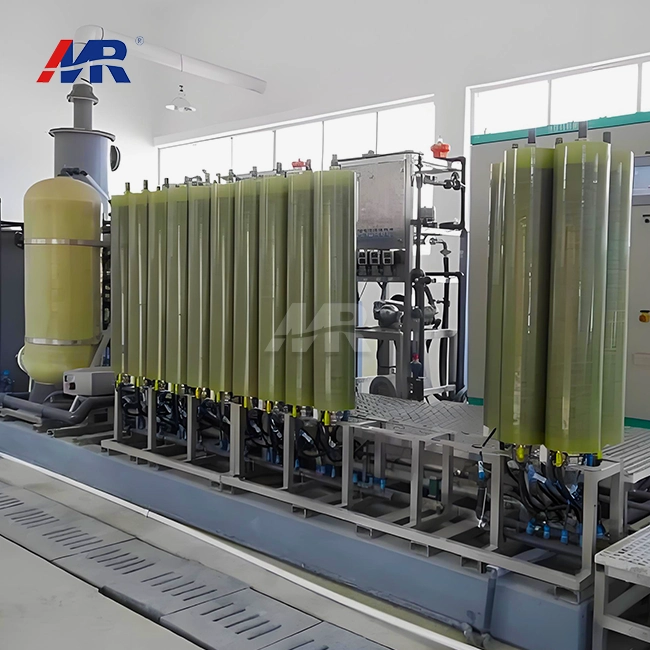 VIEW MOREDTRO Landfill Leachate Treatment
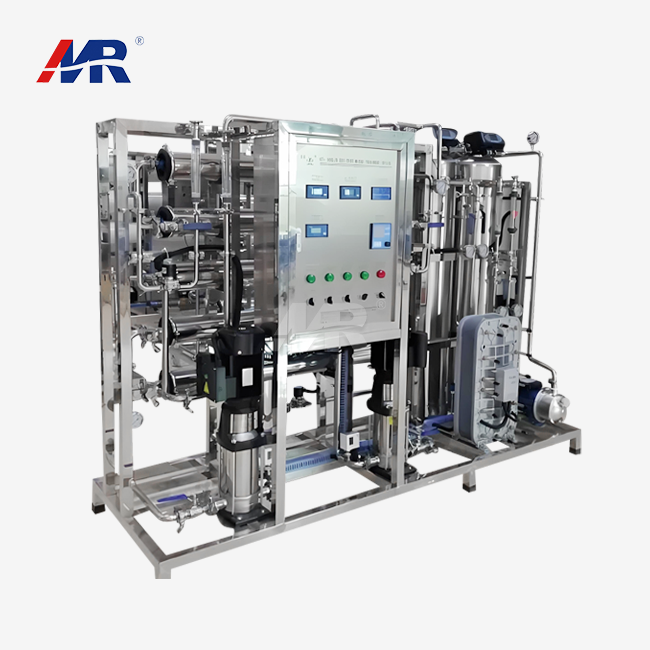 VIEW MORE1000LPH EDI equipment
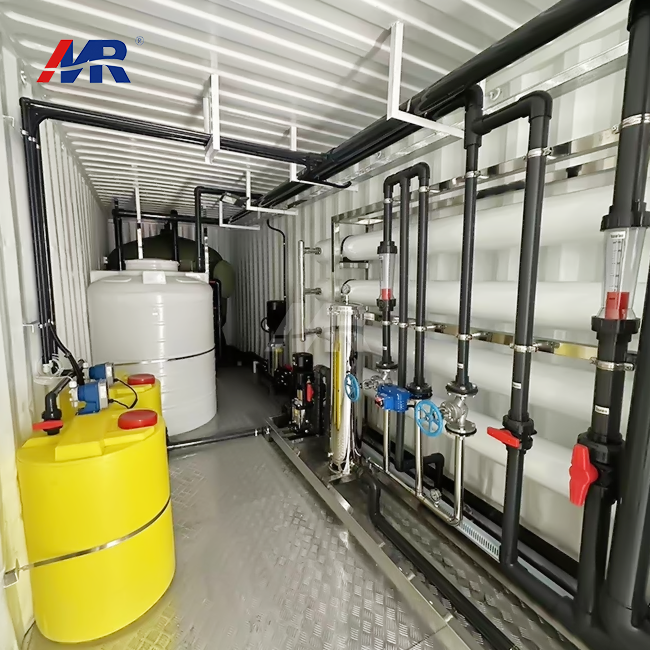 VIEW MOREcontainer reverse osmosis equipment
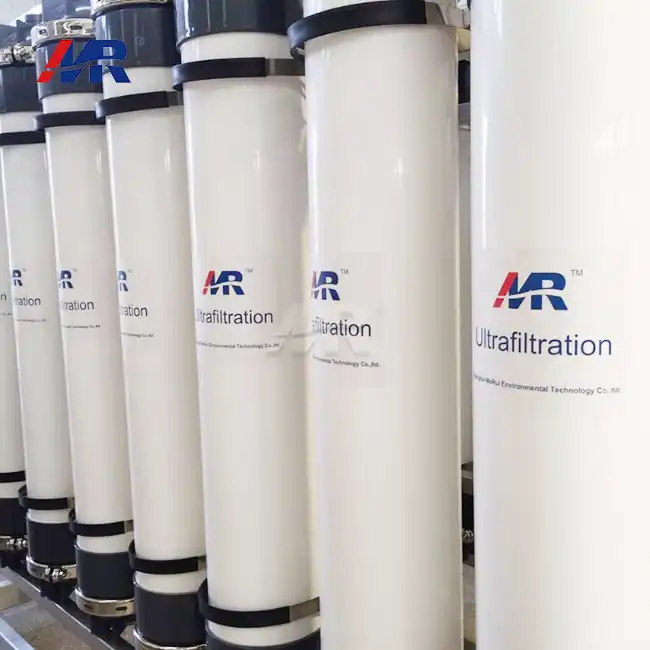 VIEW MORE90T/H ultrafiltration equipment
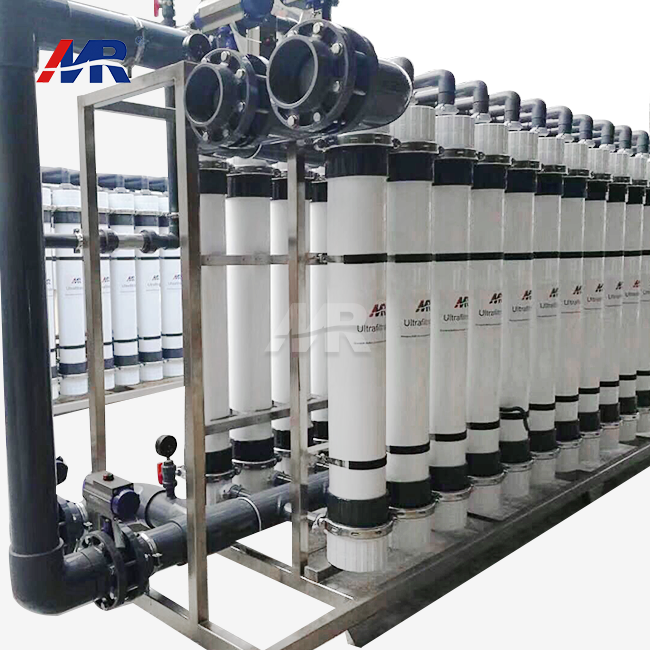 VIEW MOREultrafiltration water system
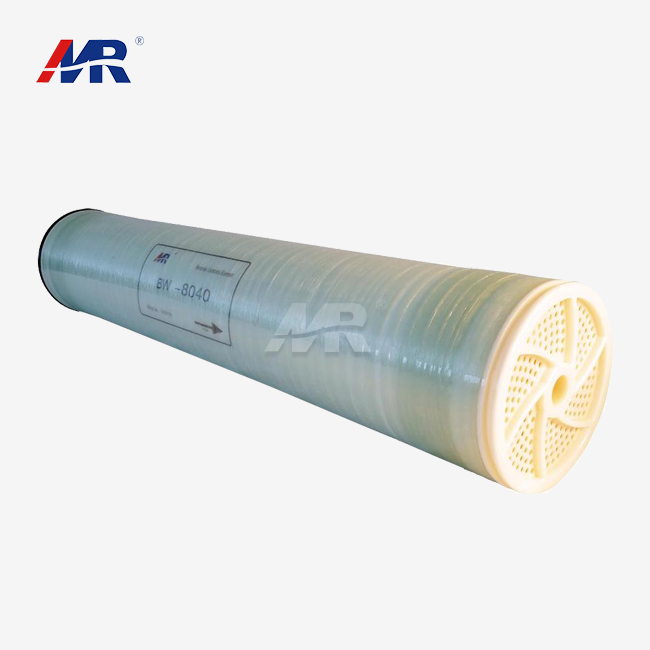 VIEW MORE8040 reverse osmosis membrane
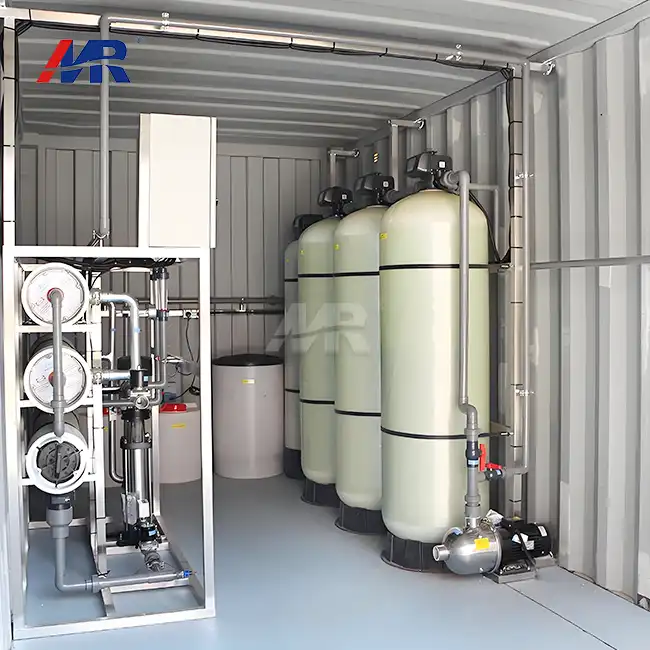 VIEW MOREcontainer ro equipment
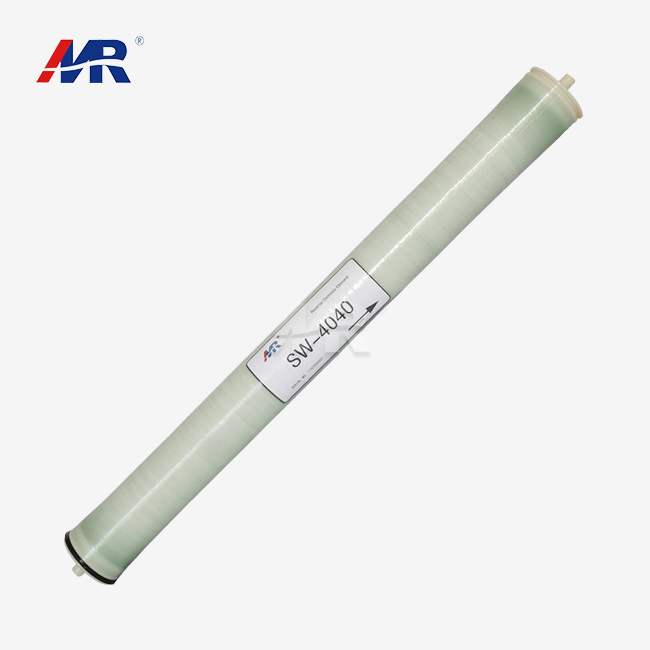 VIEW MORE4040 seawater reverse osmosis membrane
