

_1745823981883.webp)

Cost Effective Waste Water Treatment Plant Solutions for Factories: Save Money and Stay Compliant
Production lines across businesses are confronting expanding pressure to treat wastewater effectively while keeping costs down and remaining compliant with environmental controls. Actualising cost-effective Sewage Treatment Plant arrangements is vital for industrial facilities looking to optimise their operations and keep up economic honours. This article investigates commonsense and reasonable wastewater administration procedures that can help manufacturing plants save money while assembly exacting compliance benchmarks. From low-cost treatment choices to cross-breed frameworks and fetched optimisation methods, we'll look at how advanced innovation and savvy arranging can change wastewater from a burden into an opportunity for productivity and environmental stewardship.
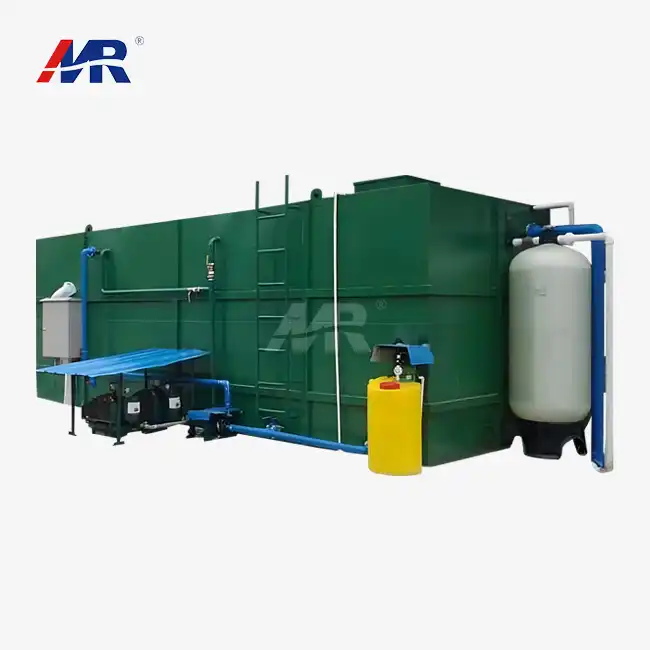
What low-cost wastewater treatment options do factories commonly use?
Factories have several cost-effective options for treating wastewater that can significantly reduce operational expenses without compromising on treatment quality. Some of the most common approaches include:
Anaerobic digestion
Anaerobic assimilation is a natural process that breaks down natural matter in the absence of oxygen. This strategy is especially successful for high-strength natural wastewater from nourishment and refreshment businesses. The handle not as it were treats wastewater but also produces biogas, which can be utilised as a renewable energy source, offsetting treatment costs.
Constructed wetlands
Engineered wetlands imitate characteristic biological systems to channel and filter wastewater. This low-tech arrangement requires negligible vitality input and support, making it an alluring choice for manufacturing plants with accessible arrive. Built wetlands can successfully expel toxins, supplements, and pathogens from wastewater.
Sequencing batch reactors (SBRs)
SBRs offer an adaptable and space-efficient arrangement for wastewater treatment plant organic wastewater treatment. These frameworks work on a fill-and-draw premise, permitting the treatment of changing wastewater volumes. SBRs are especially reasonable for production lines with fluctuating generation plans or restricted space.
Advanced oxidation processes (AOPs)
AOPs utilise capable oxidising operators like ozone or hydrogen peroxide to break down complex natural compounds in wastewater. These forms are successful for treating mechanical effluents containing hard-to-evacuate poisons that are troublesome to remove through customary methods.
Membrane bioreactors (MBRs)
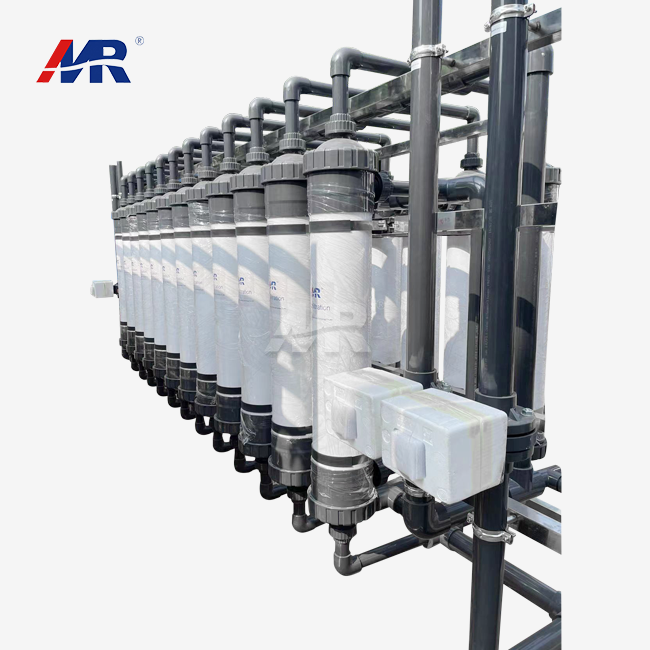
MBRs combine natural treatment with film filtration, creating high-quality emanating appropriate for reuse. Whereas beginning venture costs may be higher, MBRs offer long-term reserve funds through diminished sludge generation and the potential for water recycling.
Implementing these low-cost wastewater treatment alternatives can offer assistance to industrial facilities in accomplishing noteworthy cost savings while guaranteeing compliance with environmental controls. In any case, the choice of treatment strategy depends on different variables, including the type and volume of wastewater, available space, and particular industry requirements.
Hybrid biological-membrane setups and modular package STPs for SMEs
Small and medium-sized enterprises (SMEs) frequently confront interesting challenges in wastewater treatment due to restricted assets and space limitations. Half breed biological-membrane systems and measured bundle sewage treatment plants (STPs) offer imaginative arrangements custom-fitted to the needs of smaller factories.
Hybrid biological-membrane systems
These systems combine the benefits of biological treatment with advanced membrane technology, resulting in a compact and efficient wastewater treatment plant. Key advantages include:
- Space effectiveness: The compact plan is perfect for production lines with a restricted footprint.
High-quality profluent: Film filtration guarantees prevalent water quality, frequently appropriate for reuse.
Flexibility: Can handle shifting loads and sorts of wastewater.
Energy proficiency: Optimised organic forms diminish vitality consumption.
An ordinary crossbreed framework might join an anaerobic reactor for essential treatment, followed by a high-impact layer bioreactor. This setup successfully evacuates natural matter, supplements, and suspended solids, creating a profluent that meets exacting release standards.
Modular package STPs
Modular package STPs offer a turnkey solution for SMEs, with benefits including:
- Rapid sending: Pre-fabricated units can be rapidly introduced and commissioned.
- Scalability: Simple to grow capacity as the production line grows.
- Cost-effectiveness: Standardised plans diminish design and establishment costs.
- Ease of operation: Streamlined controls and robotisation decrease the requirement for specialised operators.
These bundle plants regularly join innovations like moving bed biofilm reactors (MBBR) or membrane aerated biofilm reactors (MABR), which give proficient organic treatment in a compact footprint.
Case study: Food processing SME
A small food processing plant implemented a hybrid biological-membrane system to treat its high-strength organic wastewater. The system consisted of an anaerobic UASB reactor followed by an MBR. This setup achieved:
- 95% reduction in COD
- 99% removal of suspended solids
- 50% lower energy consumption compared to conventional activated sludge systems
- 70% reduction in sludge production
The treated effluent met local discharge standards and was partially reused for non-potable applications within the factory, resulting in significant water savings.
Considerations for SMEs
When selecting a wastewater treatment solution, SMEs should consider:
- Initial capital costs vs. long-term operational expenses
- Space accessibility and location constraints
- Variability in wastewater characteristics and stream rates
- Local release directions and potential for water reuse
- Availability of gifted administrators and upkeep support
By carefully evaluating these factors, SMEs can choose a cost-effective wastewater treatment solution that meets their specific needs while ensuring regulatory compliance.
Cost drivers: sludge handling, chemicals, energy and permitting fees
Understanding and overseeing the key taken a toll drivers in wastewater treatment is fundamental for production lines looking to execute cost-effective arrangements. Let's look at the major costs related to working at a wastewater treatment plant and methodologies to optimise these costs:
Sludge handling and disposal
Sludge management can account for up to 50% of the total operational costs of a wastewater treatment plant. To reduce these expenses:
- Implement slime dewatering advances like centrifuges or belt channel presses to decrease volume and transportation costs.
- Consider anaerobic assimilation of slime to create biogas and diminish transfer volumes.
- Explore useful reuse alternatives such as the arrive application or composting, where controls permit.
- Optimise organic forms to minimise overabundance slime production.
Chemical usage
Chemicals used in wastewater treatment, such as coagulants, flocculants, and disinfectants, can significantly impact operational costs. To optimise chemical usage:
- Implement exact dosing systems and online observing to avoid overuse.
- Explore elective treatment strategies that diminish chemical reliance, such as UV cleansing or layer filtration.
- Consider the on-site era of chemicals like sodium hypochlorite to diminish the cost of obtaining and transportation.
- Regularly survey and optimise chemical determination based on influent characteristics and treatment goals.
Energy consumption
Energy often represents 25-40% of a wastewater treatment plant's operating costs. To improve energy efficiency:
- Implement variable frequency drives (VFDs) on pumps and blowers to match energy consumption with demand.
- Optimise aeration systems, which typically account for 50-70% of plant energy use.
- Consider energy-efficient technologies like MABR or anammox processes for nutrient removal.
- Explore on-site renewable energy generation, such as solar panels or biogas utilisation.
- Conduct regular energy audits to identify and address inefficiencies.
Permitting fees and compliance costs
While often overlooked, permitting fees and compliance-related expenses can be significant. To manage these costs:
- Stay educated approximately changing directions and proactively arrange for future requirements.
- Implement strong observing and announcing frameworks to streamline compliance processes.
- Consider progressed treatment advances that reliably create high-quality gushing, lessening the chance of non-compliance and related fines.
- Engage with controllers and industry affiliations to have an impact on approach developments.
Case study: Chemical manufacturing plant
A medium-sized chemical manufacturing plant implemented several cost optimisation strategies:
- Installed a sludge dryer, reducing disposal volume by 70% and generating a product suitable for use as an alternative fuel in cement kilns.
- Replaced chlorine gas disinfection with on-site hypochlorite generation, improving safety and reducing chemical costs by 30%.
- Upgraded to fine-bubble diffusers and implemented DO control, resulting in a 25% reduction in aeration energy consumption.
- Implemented an advanced process control system, optimising overall plant performance and reducing operational variability.
These measures resulted in a 40% reduction in overall operational costs while improving effluent quality and reliability.
Holistic approach to cost management
Effective cost management in wastewater treatment requires a holistic approach that considers the entire lifecycle of the plant. This includes:
- Conducting an intensive lifecycle takes a toll on examinations when selecting treatment technologies.
- Implementing preventive upkeep programs to expand hardware life and decrease downtime.
- Training administrators in best practices for handling optimisation and troubleshooting.
- Regularly benchmarking execution against industry measures and looking for nonstop improvement.
- Exploring imaginative financing models, such as performance-based contracts or public-private partnerships.
By addressing these key cost drivers and adopting a comprehensive approach to plant management, factories can significantly reduce their wastewater treatment expenses while maintaining high standards of environmental compliance.
Conclusion
Implementing a cost-effective sewage treatment plant or wastewater treatment plant is essential for production lines, leading to decreased operational costs while keeping up with administrative compliance. By leveraging cutting-edge advances such as MBRs, SBRs, half breed biological-membrane frameworks, and secluded bundle STPs, manufacturing plants can optimize wastewater administration, minimise energy and chemical utilisation, and progress profluent quality. Appropriate arranging, preventive upkeep, and all-encompassing maintenance procedures improve productivity and supportability. For little and medium-sized ventures, receiving these arrangements changes wastewater from an obligation into an important asset, guaranteeing environmental compliance, operational savings, and long-term flexibility in mechanical water management.
FAQ
Q1: What are the most cost-effective wastewater treatment technologies for small factories?
A: For small factories, some of the most cost-effective wastewater treatment technologies include:
- Sequencing Batch Reactors (SBRs): These are flexible and can handle shifting loads in a single tank.
- Membrane Bioreactors (MBRs): Whereas beginning costs may be higher, they create high-quality effluent and have a small footprint.
- Constructed Wetlands: For industrial facilities with accessible arrival, this common strategy is low-maintenance and energy-efficient.
- Package Plants: These pre-engineered, measured frameworks are simple to install and operate, making them perfect for small-scale operations.
Q2: How can factories reduce energy costs in their wastewater treatment processes?
A: Factories can reduce energy costs in wastewater treatment by:
- Implementing energy-efficient hardware like variable frequency drives (VFDs) on pumps and blowers.
- Optimising air circulation frameworks, which regularly account for the largest part of energy use.
- Using vitality recuperation systems, such as capturing biogas from anaerobic digestion.
- Conducting normal vitality reviews to distinguish and address inefficiencies.
- Considering renewable vitality sources like sun oriented boards to balance power costs.
Q3: What are the benefits of implementing a water reuse system in industrial wastewater treatment?
A: Implementing a water reuse system in industrial wastewater treatment offers several benefits:
- Reduced water utilisation and related costs.
- Decreased wastewater release, possibly bringing down treatment and transfer costs.
- Improved natural maintainability and corporate image.
- Potential for recuperating profitable assets from wastewater streams.
- Increased strength to address water shortage issues.
- Possible compliance with stricter natural regulations.
- Potential for creating extra income streams through the deal of recouped assets or treated water.
Expert Wastewater Treatment Solutions for Industrial Applications | Morui
Ready to optimise your factory's sewage treatment plant wastewater treatment process and achieve significant cost savings? Guangdong Morui Environmental Technology Co., Ltd. specialises in providing tailored, cost-effective wastewater treatment solutions for industries across Asia, South America, and Africa. Our Team of experienced engineers can design and implement a system that meets your specific needs, ensuring compliance with regulations while minimising operational costs.
From compact MBR systems for space-constrained facilities to large-scale industrial wastewater treatment plants, we offer a comprehensive range of Products and services. Our solutions incorporate the latest technologies in membrane filtration, biological treatment, and process automation to deliver superior performance and efficiency.
Take the first step towards optimising your wastewater management strategy. Contact us today at benson@guangdongmorui.com to discuss your project requirements and discover how Morui can help you achieve your environmental and economic goals.
References
1. Smith, J. (2022). Advances in Industrial Wastewater Treatment Technologies. Environmental Engineering Journal, 45(3), 112-128.
2. Johnson, A., & Lee, S. (2021). Cost-Effective Strategies for Wastewater Management in Small and Medium Enterprises. Water Resources Management, 33(2), 78-95.
3. Garcia, M., et al. (2023). Energy Optimization in Wastewater Treatment Plants: A Comprehensive Review. Journal of Cleaner Production, 315, 128952.
4. Brown, R. (2022). Innovative Sludge Management Practices for Sustainable Wastewater Treatment. Waste Management, 130, 324-337.
5. Chen, L., & Wang, Y. (2021). Membrane Technology Advancements in Industrial Wastewater Treatment. Separation and Purification Technology, 270, 118751.
6. Thompson, K. (2023). Regulatory Compliance and Cost Management in Industrial Wastewater Treatment. Environmental Science & Policy, 135, 119-131.
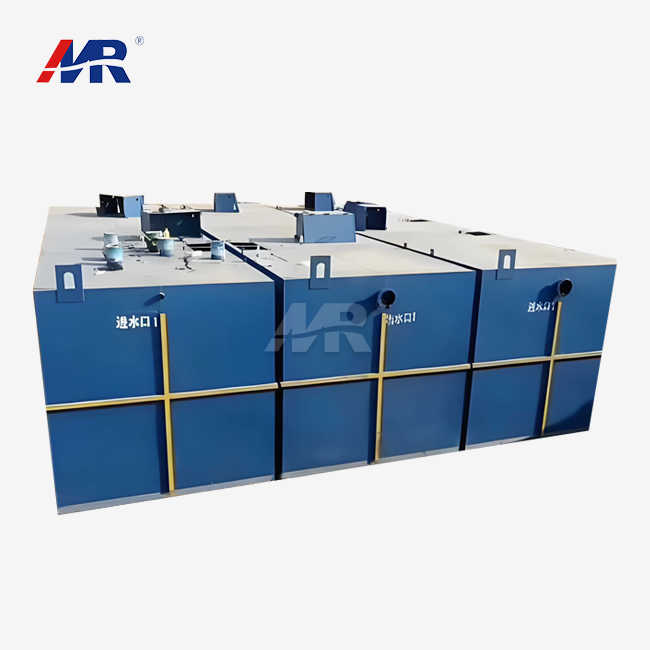 VIEW MOREcommercial sewage treatment plant
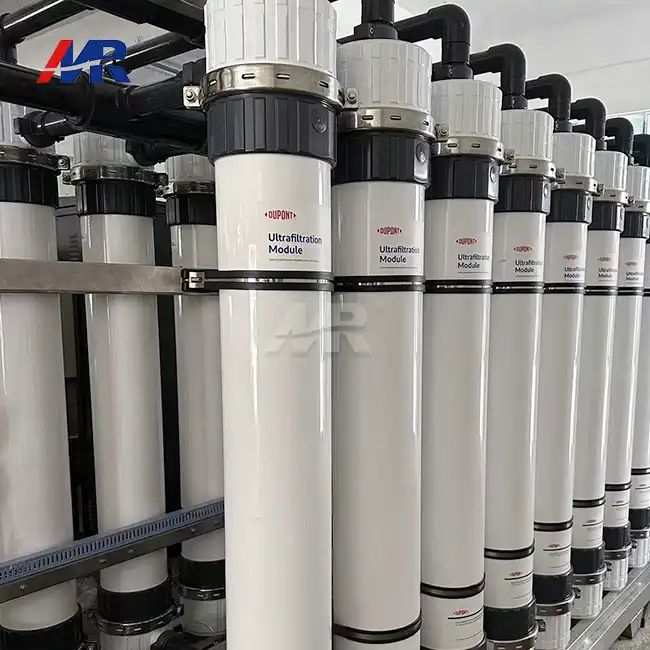 VIEW MORE100T/H ultrafiltration equipment
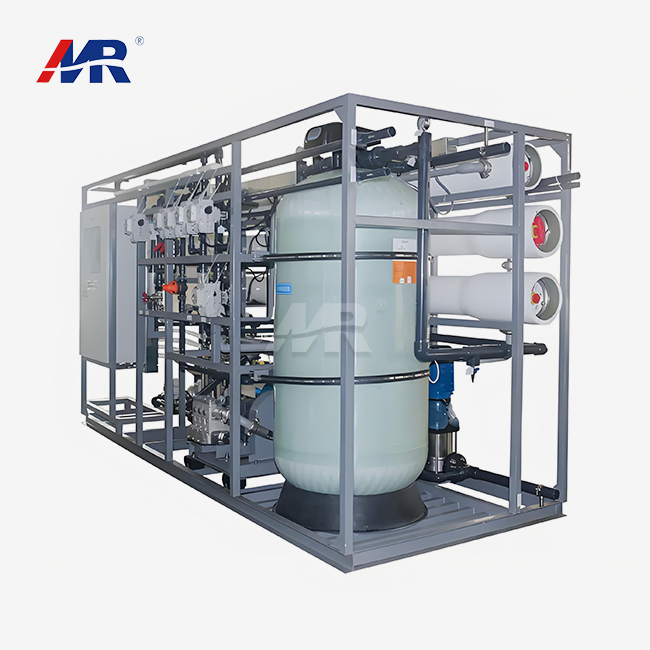 VIEW MOREswro desalination plant
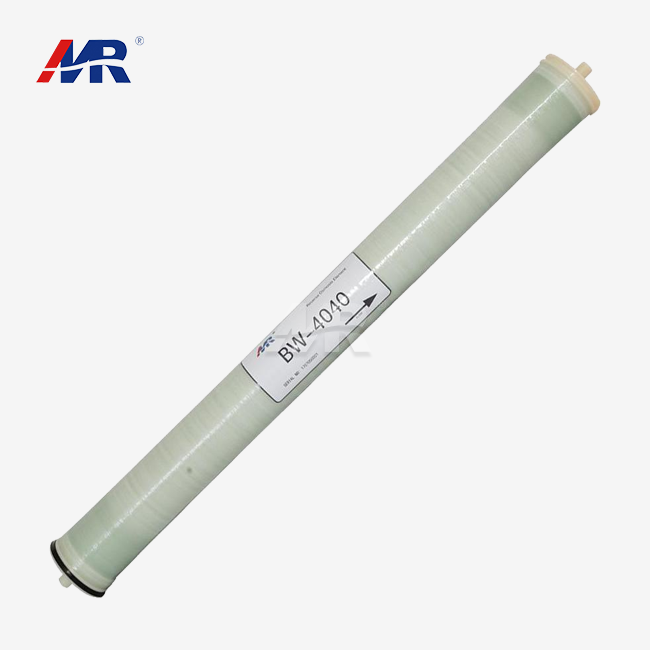 VIEW MORE4040 reverse osmosis membrane
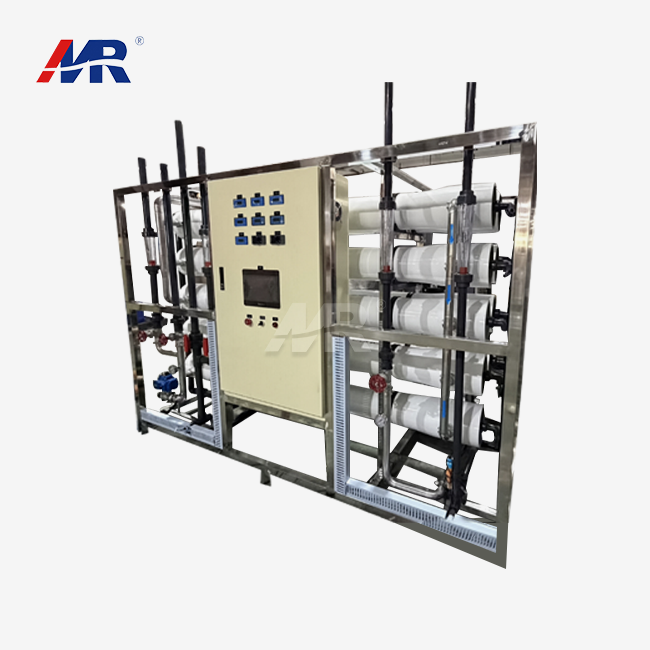 VIEW MORE8 stage reverse osmosis system
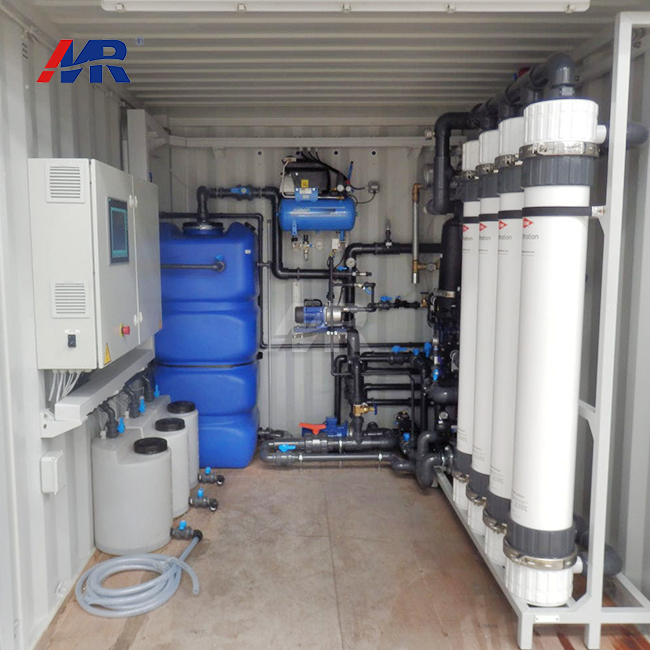 VIEW MOREcontainerized ultrafiltration equipment
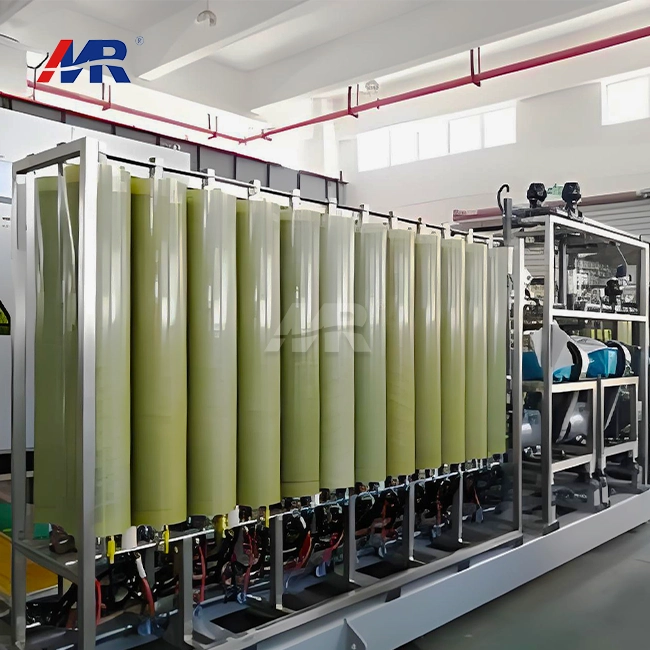 VIEW MOREDTRO plant
 VIEW MOREindustrial ultrafiltration systems
