

_1745823981883.webp)

Installation Requirements and Best Practices for 3m3/Hour RO Containers
Introducing a containerized reverse osmosis system requires cautious planning and consideration to detail. This directly traces the fundamental prerequisites and best practices for setting up a 3m3/hour RO container, guaranteeing ideal execution and life span of your water treatment arrangement. Whether you're in the nourishment and refreshment industry, pharmaceuticals, or overseeing a small-scale metropolitan water treatment office, understanding these significant steps will offer assistance you maximise the effectiveness of your containerized RO plant. A 3m3/hour containerized RO system offers a compact and flexible arrangement for different water decontamination needs. These self-contained units combine pre-treatment, reverse osmosis, and post-treatment forms in a single, transportable bundle. By taking after appropriate establishment strategies, you can guarantee your container water treatment system works at peak productivity, conveying high-quality filtered water while minimising downtime and upkeep costs.

Site preparation and utilities checklist for a 3 m³/h RO container
Proper site preparation is crucial for the successful installation and operation of your containerized RO system. Before the container arrives, ensure you have addressed the following key aspects:
Location assessment
Choose an appropriate area for your containerized reverse osmosis system RO container that gives simple access for upkeep and operation. Consider components such as nearness to water sources, seepage frameworks, and control supplies. Guarantee the location can support the weight of the completely operational holder and permit for legitimate ventilation.
Ground preparation
Prepare a level surface capable of supporting the container's weight. This may involve pouring a concrete pad or using reinforced gravel. Ensure proper drainage to prevent water accumulation around the container.
Utility connections
Arrange for the necessary utility connections, including:
- Water supply: Guarantee a solid source of nourishing water with suitable weight and stream rate.
- Electrical supply: Confirm that the location has satisfactory electrical capacity to control the RO system and any assistant equipment.
- Wastewater transfer: Arrange for legitimate transfer of dismiss water and any chemical squander produced during maintenance.
Environmental considerations
Take into account local climate conditions and implement measures to protect the container from extreme temperatures, humidity, and corrosive environments. This may include installing climate control systems or applying protective coatings to the container exterior.
Accessibility and safety
Ensure there is sufficient space around the container for maintenance access and emergency egress. Install appropriate lighting and safety equipment, such as fire extinguishers and eyewash stations, as required by local regulations.
Foundation, ventilation, electrical and feedwater prerequisites
To ensure optimal performance and longevity of your containerized RO plant, it's essential to meet specific prerequisites for foundation, ventilation, electrical systems, and feedwater quality. Let's explore each of these critical aspects in detail:
Foundation requirements
A stable foundation is crucial for the proper operation of your containerized RO system. Consider the following factors:
- Load-bearing capacity: The establishment must be able to support the full weight of the holder, including water and equipment.
- Levelness: Guarantee the establishment is level to within 1/4 inch over the whole impression of the container.
- Material: Utilise fortified concrete or an essentially solid fabric that can withstand neighbourhood natural conditions.
- Anchoring: Give grapple focuses to secure the holder, particularly in regions inclined to strong winds or seismic activity.
Ventilation considerations
Proper ventilation is essential for maintaining optimal operating conditions and prolonging the life of your equipment. Implement the following measures:
- Air circulation: Introduce fans or vents to guarantee satisfactory discuss circulation inside the container.
- Temperature control: Keep the inner temperature between 10°C and 35°C (50°F to 95°F) for ideal film performance.
- Humidity administration: Control mugginess levels to anticipate condensation and potential electrical issues.
- Filtration: Utilise discussed channels to anticipate clean and of contaminants from entering the container.
Electrical prerequisites
Meeting electrical requirements is crucial for the safe and efficient operation of your RO system:
- Power supply: Guarantee a steady and satisfactory control supply, regularly 380V/50Hz or 460V/60Hz three-phase power.
- Circuit security: Introduce suitable circuit breakers and surge security devices.
- Grounding: Legitimately ground all electrical components to avoid stun risks and gear damage.
- Lighting: Give adequate inside lighting for operation and support tasks.
- Emergency systems: Introduce crisis shut-off switches and reinforcement control systems if required.
Feedwater prerequisites
The quality of your feedwater significantly impacts the performance and longevity of your RO system. Ensure the following:
- Water examination: Conduct a comprehensive investigation of your feedwater to decide its chemical composition and potential contaminants.
- Pre-treatment: Actualise fitting pre-treatment frameworks based on the water investigation, which may incorporate interactive media filtration, activated carbon filtration, and chemical dosing.
- Pressure and stream: Guarantee the feedwater supply meets the required weight and stream rate details for your RO system.
- Temperature: Keep up a steady feedwater temperature, in a perfect world, between 15°C and 30°C (59°F to 86°F).
- Monitoring: Introduce water quality observing gear to identify any changes in feedwater characteristics that may influence system performance.
Commissioning protocol and performance acceptance tests (FAT & SAT)
Proper commissioning and performance testing are critical steps in ensuring your container water treatment system operates as intended. This process involves both Factory Acceptance Tests (FAT) and Site Acceptance Tests (SAT), which verify the system's functionality, safety, and performance against specified criteria. Let's explore the key components of the commissioning protocol and acceptance tests:
Factory Acceptance Tests (FAT)
FAT is conducted at the manufacturer's facility before the containerized RO system is shipped to the installation site. These tests typically include:
- Component confirmation: Guarantee all components are shown and accurately introduced, agreeing to plan specifications.
- Pressure testing: Check for spills in channelling and vessels beneath working pressure.
- Electrical testing: Confirm appropriate wiring, establish and usefulness of electrical components.
- Control system testing: Affirm the appropriate operation of control systems, including cautions and security interlocks.
- Simulated operation: Run the system utilising a water supply to confirm in general usefulness and performance.
Site Acceptance Tests (SAT)
SAT is performed after the containerized RO system has been installed at the operational site. These tests include:
- Installation confirmation: Affirm that the framework has been legitimately installed and all connections are secure.
- Utility associations: Confirm that all required utilities (water, control, waste) are accurately associated and functioning.
- Pre-commissioning checks: Conduct visual assessments and essential operational tests, sometimes recent full system startup.
- System startup: Steadily bring the framework online, checking all parameters amid the process.
- Performance testing: Assess the system's execution against plan details, counting stream rates, weight, and water quality.
Key performance parameters to evaluate
During both the FAT and the SAT, several critical performance parameters should be assessed:
- Permeate stream rate: Confirm that the framework produces the indicated volume of decontaminated water (3m3/hour).
- Recovery rate: Affirm that the framework accomplishes the outlined recovery rate (regularly up to 75% for a 3m3/hour system).
- Salt dismissal: Guarantee the framework keeps up a salt dismissal rate of >98% or as specified.
- Pressure differentials: Screen weight drops over different framework components to guarantee they are within acceptable ranges.
- Energy utilisation: Confirm that the framework works within the indicated energy efficiency parameters.
- Water quality: Test the penetrating water quality to guarantee it meets the required details for the intended application.
Documentation and training
As part of the commissioning process, ensure the following documentation and training are provided:
- Operating manuals: Comprehensive guides specifying framework operation, support strategies, and troubleshooting.
- Performance information sheets: Records of all tests conducted and standard execution metrics.
- Operator preparing: Hands-on preparation for staff who will be responsible for the day-to-day operation and upkeep of the system.
- Warranty data: Clear documentation of guarantee terms and conditions.
System optimisation and fine-tuning
After initial commissioning, allow for a period of system optimisation:
- Monitor execution over time to distinguish any patterns or anomalies.
- Adjust working parameters as required to optimise proficiency and water quality.
- Conduct customary upkeep checks and address any issues promptly.
- Consider executing a further checking framework for real-time execution following and early issue detection.
By following these comprehensive commissioning protocols and performance acceptance tests, you can ensure that your 3m3/hour containerized RO system is properly installed, fully functional, and operating at peak efficiency. This thorough approach sets the foundation for reliable, long-term performance of your water treatment solution.
Conclusion
Installing and commissioning a 3m3/hour containerized RO system requires cautious planning, attention to detail, and adherence to best practices. By following the rules sketched out in this article, you can guarantee your water treatment arrangement works productively, dependably, and in compliance with industry standards. From location planning and utility associations to thorough execution testing, each step plays a vital part in the success of your containerized reverse osmosis system.
At Guangdong Morui Environmental Technology Co., Ltd, we get it that the complexities are included in setting up and keeping up high-performance water treatment systems. Our group of specialists is committed to giving comprehensive arrangements custom-fitted to your particular needs, whether you're in the fabricating industry, the food and beverage industry, or overseeing metropolitan water treatment offices. We offer not as it were state-of-the-art hardware, but moreover one-stop establishment, commissioning services, and continuous support to guarantee your containerized RO plant conveys ideal results throughout its lifecycle.
With our broad involvement, in-house layer generation capabilities, and organisations with driving brands in water treatment innovation, we are interestingly situated to address your water filtration challenges. Whether you require a compact 3m3/hour system or a larger-scale arrangement, our inventive RO systems are planned to meet the different needs of businesses across different industries.
Don't let water treatment complexities hold your commerce back. Contact Guangdong Morui Environmental Technology Co., Ltd nowadays to investigate how our cutting-edge containerized reverse osmosis systems can lift your water filtration forms. Our group is prepared to give master direction, customised arrangements, and unparalleled support to guarantee your water treatment needs are met with exactness and effectiveness.
FAQ
Q1: What are the main advantages of using a containerized reverse osmosis system?
A: Containerized RO systems offer several key advantages, including:
- Portability and ease of relocation
- Compact design for space-limited installations
- Pre-assembled and factory-tested for quick deployment
- Scalability to meet changing water treatment needs
- Lower installation and site preparation costs compared to traditional built-in-place systems
- Simplified maintenance and potential for modular upgrades
Q2: How often should I perform maintenance on a 3m3/hour containerized RO system?
A: Regular maintenance is crucial for optimal performance. A typical maintenance schedule for a 3m3/hour containerized RO system includes:
- Daily: Monitor key performance indicators and conduct visual inspections
- Weekly: Clean pre-filters and check chemical dosing systems
- Monthly: Conduct a more thorough system check, including membrane cleaning if necessary
- Quarterly: Perform a comprehensive system audit and adjust operating parameters as needed
- Annually: Replace filters, conduct a detailed membrane inspection, and service major components
Always consult your system's specific maintenance manual for precise guidelines.
Q3: What factors can affect the performance of a containerized RO plant?
A: Several factors can impact the performance of a containerized RO plant:
- Feedwater quality fluctuations
- Temperature variations
- Membrane fouling or scaling
- Changes in system pressure
- Inadequate pre-treatment
- Improper chemical dosing
- Equipment wear and tear
- Environmental conditions (e.g., extreme temperatures or humidity)
Regular monitoring and proactive maintenance can help mitigate these factors and maintain optimal system performance.
Top-Rated Containerized Reverse Osmosis System Manufacturers and Suppliers | Morui
Looking for a reliable containerized reverse osmosis system for your water treatment needs? Look no further than Guangdong Morui Environmental Technology Co., Ltd. As a leading manufacturer and supplier in the industry, we offer cutting-edge solutions designed to meet the diverse requirements of businesses across various sectors.
Our Team of experienced engineers and technicians is dedicated to delivering high-quality, efficient, and customizable containerized RO plants that ensure optimal performance and longevity. Whether you need a compact 3m3/hour system or a larger-scale solution, we have the expertise and resources to meet your specific water purification challenges.
Don't settle for anything less than the best when it comes to your water treatment needs. Contact us today at benson@guangdongmorui.com to discuss your requirements and discover how our advanced containerized reverse osmosis systems can revolutionize your water purification processes. Let Guangdong Morui be your trusted partner in achieving superior water quality and operational efficiency.
References
1. Johnson, M. (2022). Best Practices for Containerized Reverse Osmosis System Installation. Water Technology Magazine, 45(3), 78-85.
2. Smith, A., & Brown, B. (2021). Performance Optimization of Compact RO Plants. Journal of Water Treatment Engineering, 18(2), 112-124.
3. Environmental Protection Agency. (2023). Guidelines for Small-Scale Desalination Systems. EPA Technical Report Series.
4. Lee, K., et al. (2020). Advances in Containerized Water Treatment Technologies. Water Research, 155, 234-247.
5. International Water Association. (2022). Standard Methods for Water Treatment System Commissioning. IWA Publishing.
6. Zhang, Y., & Wong, T. (2021). Energy Efficiency in Modular Reverse Osmosis Systems. Desalination, 510, 115052.
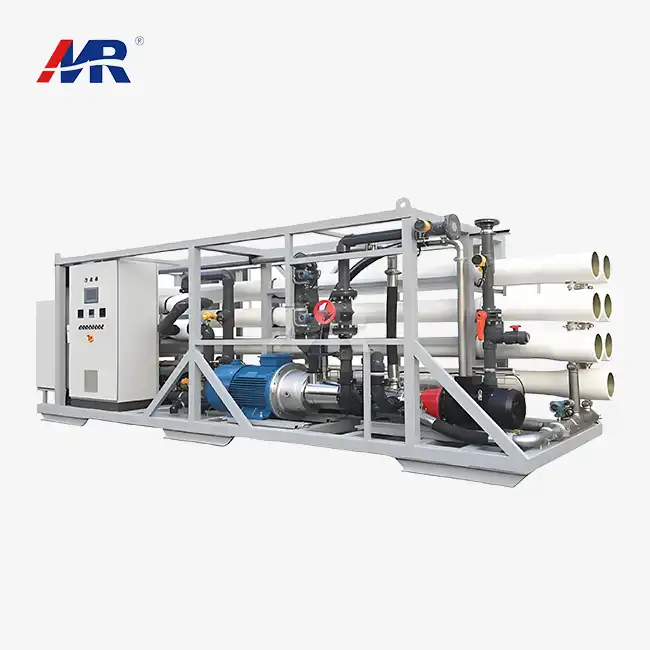 VIEW MORE20m3/hour seawater desalination equipment
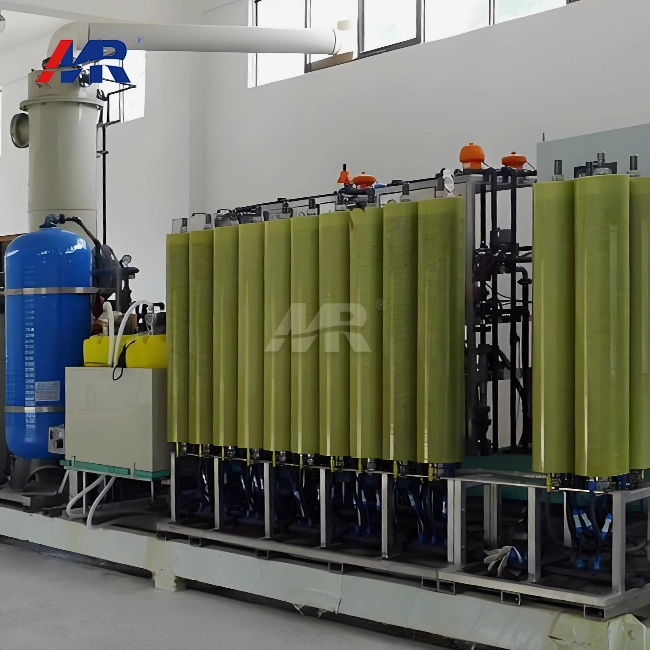 VIEW MOREDTRO membrane
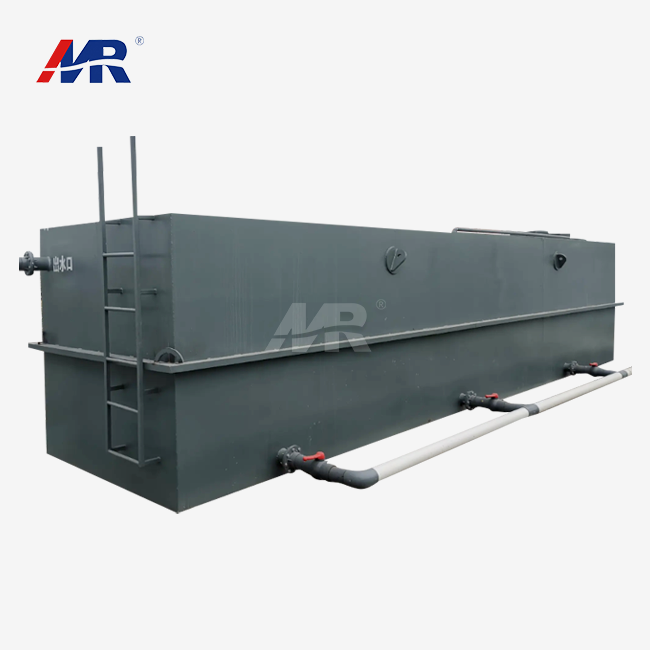 VIEW MOREdomestic wastewater treatment plant
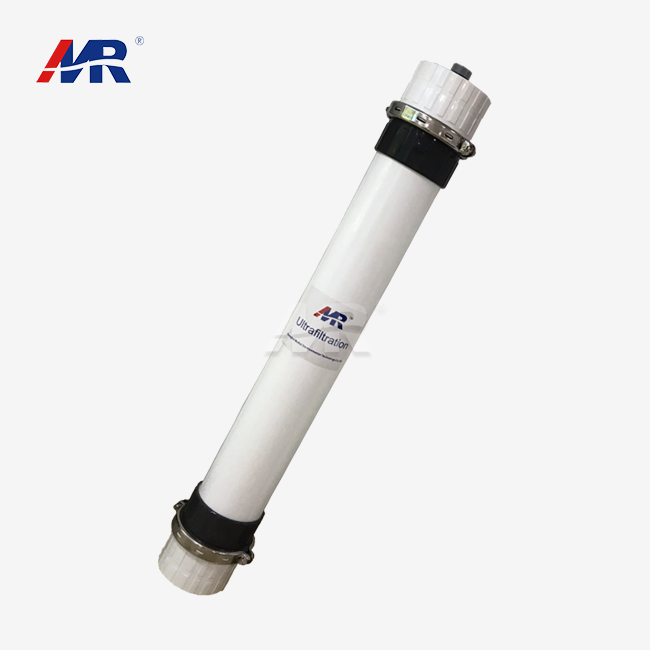 VIEW MOREultrafiltration membrane system
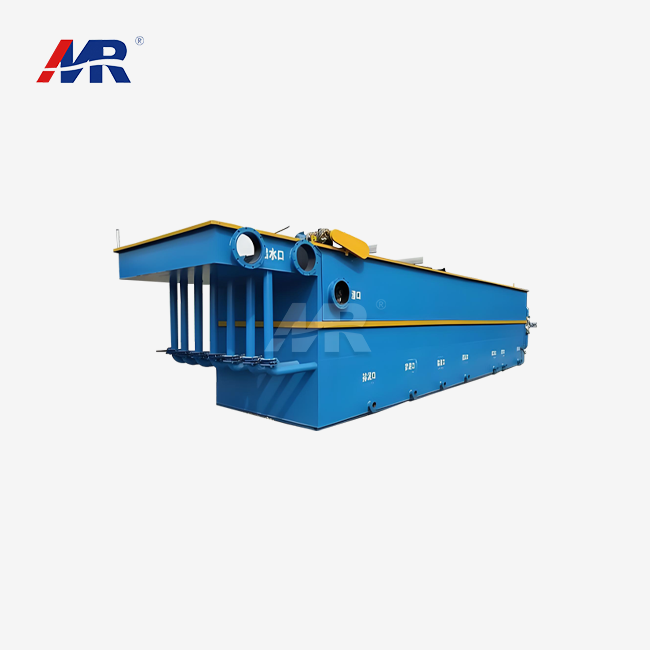 VIEW MOREadvanced wastewater treatment system
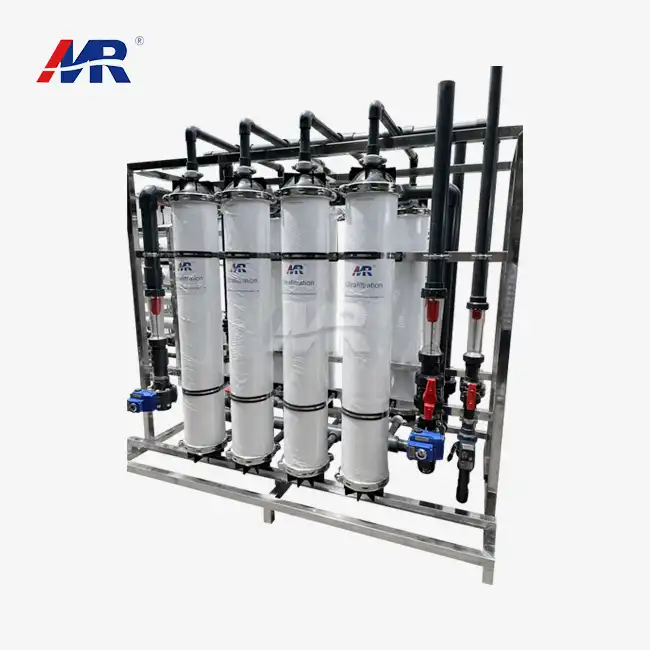 VIEW MORE15T/H ultrafiltration system
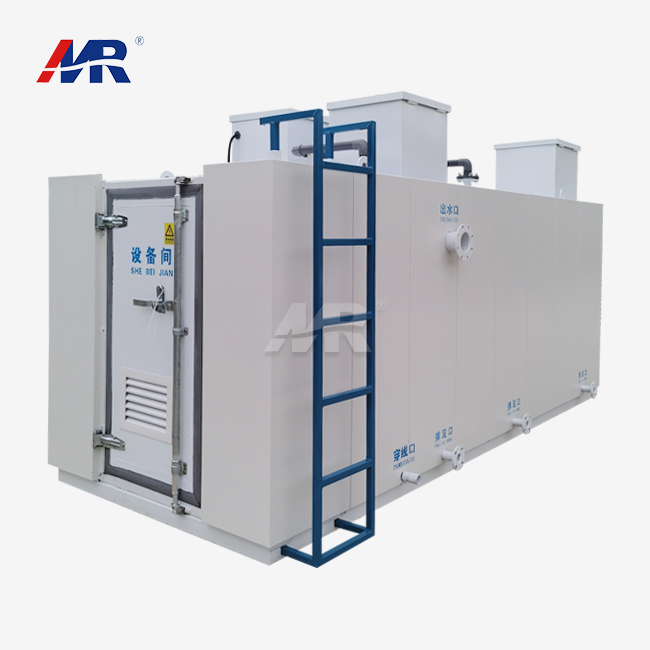 VIEW MOREwastewater treatment plant
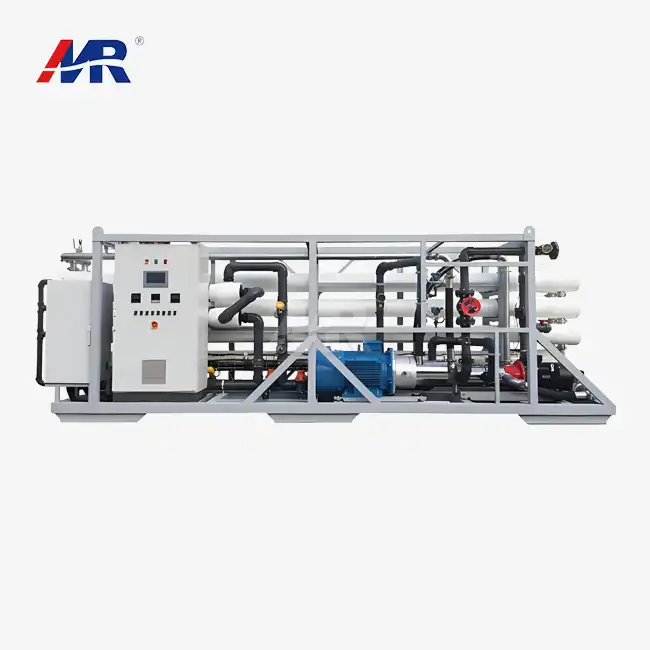 VIEW MORE15m3/hour seawater desalination system
