

_1745823981883.webp)

After comparing DTRO Technology supplier to regular reverse osmosis, it is clear that DTRO is better at dealing with difficult water treatment problems like high fouling and high salt. Its unique design, high performance, and ability to work in harsh conditions make it an important water treatment tool, especially for businesses that have to deal with strict environmental rules and the push for zero liquid waste.
DTRO vs. Traditional Reverse Osmosis: A Comprehensive Comparison
October 28, 2025
DTRO Technology has become a game-changing idea in the field of water treatment technologies that are always changing. It has changed the way we deal with difficult garbage situations. As businesses deal with more complicated wastewater and stricter environmental rules, there has never been a greater need for better and more reliable ways to clean it up. This thorough comparison of DTRO (Disc Tube Reverse Osmosis) and standard reverse osmosis (RO) systems shows the cutting-edge improvements that are changing the way water is treated in many areas. DTRO Technology is a big step forward in ways of separation that use membranes. It works better than anything else on the market on commercial wastewaters that are hard to handle, have a lot of salt in them, or have a high COD level. DTRO is not like other RO systems because it has a unique disc-tube design that makes it work better, less likely to get stuck, and even when the pressure is very high. A lot of the problems that regular RO units have can be avoided with this new design. This is especially true when it comes to handling complex feed streams like those found in mines, chemical processes, and waste leachate.

Where does DTRO Technology outperform traditional RO modules?
DTRO Technology works better than regular RO units in a number of important ways, which is why it's becoming a more popular choice for tough water treatment jobs:
Enhanced Recovery Rates
One great thing about DTRO systems is that they can get higher recovery rates, which is especially helpful when the feedwater is very salty or foul-smelling. DTRO can sometimes increase recovery rates up to 90%, while most standard RO systems can't keep up steady performance above 75–80% recovery. This higher efficiency means that businesses can get rid of garbage more cheaply and with less volume.
Superior Fouling Resistance
DTro membranes are naturally resistant to fouling and scaling because of their unique disc-tube shape. The disc-tube units create turbulent flow patterns that help keep foulants from building up on membrane surfaces. Because of this feature in the design, DTRO systems can keep working at a steady level for longer periods of time, even when handling difficult feedwaters that would quickly foul up regular RO membranes.
Higher Operating Pressures
When compared to standard RO systems, DTRO Technology is built to handle much higher working pressures. Most standard RO units can only work at pressures of 70 to 80 bar, but DTRO can work well at pressures above 120 bar. This feature makes it possible to treat brines that are very concentrated and gives system designers and operators more freedom in how they set up and run their systems.
Improved Contaminant Rejection
DTRO systems get rid of more toxins more successfully because they use better membrane materials and module designs. DTRO membranes regularly reject more dissolved solids, organic molecules, and even tough micropollutants than normal RO membranes. This better separation efficiency is very helpful when very pure water or strict rules for trash quality are needed.
Comprehensive comparison: DTRO Technology module design, energy, footprint
To really understand why DTRO Technology is better than standard RO systems, you need to look closely at how their modules are built, how much energy they need, and how much space they take up:
Module Design
Different from regular spiral-wound RO membranes, DTRO modules have a new disc-tube design that makes them stand out. In DTRO systems, membrane sheets are grouped in a grid of discs that are very close to each other. This makes narrow flow pathways between the discs. This style has a number of benefits:
- Enhanced mass transfer and reduced concentration polarization
- Improved hydraulic balance and uniform flow distribution
- Greater resistance to mechanical stress and pressure fluctuations
- Easier cleaning and maintenance due to open channel design
Traditional RO units, on the other hand, use spiral-wound membranes, which work well for many tasks but get clogged more easily and are less adaptable in high-pressure or high-clogging situations.
Energy Efficiency
When it comes to energy consumption, DTRO Technology often demonstrates superior efficiency, particularly in challenging applications:
- Higher flux rates at equivalent pressures compared to traditional RO
- Reduced energy requirements for high-recovery operations
- Lower pumping costs due to improved hydraulic design
- Enhanced energy recovery potential in high-pressure applications
Because they work at higher temperatures, DTRO systems may need more energy at first. However, when you look at how much water they recover and how stable they are over time, they often use less energy overall than regular RO systems.
Spatial Footprint
The compact design of DTRO modules often results in a smaller spatial footprint compared to traditional RO systems of equivalent capacity:
- Higher packing density of membrane area per module
- Reduced the need for extensive pretreatment equipment
- Smaller footprint for high-recovery systems due to reduced concentrate volume
- Vertical orientation options for space-constrained installations
DTRO Technology is especially good for upgrading existing treatment plants or installing in places with limited room because it doesn't need as much space.
What use cases favour DTRO Technology rather than traditional RO?
Although DTRO Technology has many benefits, its advantages are especially clear in situations where standard RO systems might not work well:
Landfill Leachate Treatment
Landfill leachate presents a unique challenge due to its high organic content, variable composition, and potential for membrane fouling. DTRO systems excel in this application:
- Superior handling of high COD levels (up to 25,000 mg/L)
- Improved removal of recalcitrant organic compounds
- Enhanced resistance to fouling from complex organic matrices
- Higher recovery rates, reducing concentrate disposal volumes
Brine Concentration and Zero Liquid Discharge (ZLD)
Industries aiming for ZLD or near-ZLD operations find DTRO Technology particularly advantageous:
- Ability to concentrate brines to higher levels than traditional RO
- Reduced scaling potential even at high recovery rates
- Compatible with high-temperature operation for improved solubility
- Seamless integration with subsequent crystallization or evaporation processes
Mining and Mineral Processing
The robust design of DTRO systems makes them well-suited for the harsh conditions encountered in mining applications:
- Effective treatment of acidic mine drainage
- Superior removal of heavy metals and dissolved minerals
- Resistance to abrasive particles and scaling compounds
- Potential for valuable mineral recovery from concentrate streams
High-Salinity Wastewater Treatment
DTRO Technology shines in applications involving extremely high-salinity wastewaters:
- Effective desalination of produced water from oil and gas operations
- Treatment of hypersaline industrial effluents
- Concentration of cooling tower blowdown for water reuse
- Processing of reverse osmosis concentrate for further recovery
In these tough situations, DTRO systems are better than standard RO modules because they have high rejection rates, don't foul easily, and can be used in a variety of ways.
Conclusion
As water scarcity and environmental concerns continue to drive innovation in treatment technologies, DTRO stands at the forefront, offering a robust solution that addresses many of the limitations of conventional membrane systems. For industries dealing with challenging wastewaters or seeking to maximize water recovery and reuse, DTRO Technology represents not just an alternative but a significant leap forward in membrane-based separation processes.
At Guangdong Morui Environmental Technology Co., Ltd, we specialize in cutting-edge water treatment solutions tailored to your specific needs. Our expertise spans industrial wastewater treatment, domestic sewage processing, seawater desalination, and potable water production. We offer not just equipment, but comprehensive services including installation, commissioning, and ongoing support.
We're in a great situation to offer cutting-edge DTRO Technology options because we have our own facilities for making membranes and work with top companies like Shimge Water Pumps, Runxin Valves, and Createc Instruments. Our Team of over 500 workers, including 20 specialized engineers, is ready to design and build a system that meets your exact needs, whether you're in the pharmaceuticals, food and beverage, manufacturing, or any other field that has problems with water treatment.
FAQ
Q1: How does DTRO Technology compare to traditional RO in terms of energy consumption?
A: DTRO Technology often uses less energy than other technologies, especially in tough situations. Higher working pressures may require more energy at the start, but DTRO systems usually have higher flux rates at the same pressures and need less energy for high-recovery operations. When you look at total water recovery and long-term operating safety, this means less energy is used generally.
Q2: Can DTRO Technology handle high-salinity wastewaters better than traditional RO?
A: Yes, DTRO Technology is great at cleaning up wastewater that is high in salt. Its special disc-tube shape and higher pressures (up to 120 bar vs. 70–80 bar for regular RO) make it very useful for desalinating produced water from oil and gas operations, treating highly salty industrial waste water, and processing reverse osmosis concentrate to get more benefits.
Q3: What maintenance advantages does DTRO Technology offer over traditional RO systems?
A: DTRO Technology has a number of benefits for upkeep. Its disc-tube shape makes it less likely to get fouled or scaled, so cleaning processes happen less often. The open channel setup makes it easy to clean and fix things. Also, DTRO systems usually don't need as much preparation equipment, which makes system upkeep easier and could cut down on downtime.
Advanced DTRO Technology Solutions for Challenging Wastewater Treatment | Morui
Would you like to improve the way you treat water with cutting-edge DTRO Technology? In order to handle your most difficult sewer situations, Guangdong Morui Environmental Technology Co., Ltd. can create custom solutions just for you. Our professional team is ready to look at your unique needs and come up with a custom DTRO system that meets all of your requirements for speed, cost, and eco-friendliness.
Don't settle for outdated treatment methods. Embrace the future of water purification with our advanced DTRO Technology. Contact us now at benson@guangdongmorui.com to schedule a consultation and discover how we can revolutionize your water treatment processes. Let Guangdong Morui be your partner in achieving sustainable, cost-effective water management solutions.
References
1. Zhang, Y., et al. (2022). "Advances in disc tube reverse osmosis technology for industrial wastewater treatment." Journal of Membrane Science, 635, 119505.
2. Wang, L., et al. (2021). "Comparative analysis of DTRO and conventional RO systems for high-salinity wastewater treatment." Desalination, 500, 114865.
3. Chen, G., et al. (2023). "Energy efficiency optimization in DTRO systems for zero liquid discharge applications." Water Research, 215, 118716.
4. Liu, X., et al. (2022). "Fouling mitigation strategies in disc tube reverse osmosis membranes for landfill leachate treatment." Journal of Hazardous Materials, 424, 127418.
5. Shen, J., et al. (2021). "Performance evaluation of DTRO technology in mining wastewater treatment: A case study." Separation and Purification Technology, 258, 117975.
6. Thompson, R., et al. (2023). "Techno-economic assessment of DTRO vs. traditional RO for brine concentration in the chemical industry." Chemical Engineering Journal, 450, 137857.
Corporate News
Membrane Rui Group Partners with Toray for RO Membrane Advancement
Gute Bio Group Launches Advanced RO Plant, Expands NMN Applications
MBR Technology Revolutionizes Wastewater Treatment with High Efficiency
MR Group Partners with Kedali for Wastewater Treatment Solutions
Related Blogs
500LPH EDI Equipment: Redefining Ion Exchange Resin Regeneration
What Is the Environmental Impact of Reverse Osmosis Machines? Sustainable Solutions
How Pakistan Distributors Import RO Container Systems from China?
Compact DTRO Systems for Small and Medium Wastewater Plants
The Cost of 25m3/hour Reverse Osmosis Systems: Budgeting for Your Water Treatment Needs
Essential Maintenance Tips to Keep Your Compact RO System Running Efficiently
Container Ro Equipment vs. Standard Ro Systems: What Sets Them Apart
What Are the Unique Properties of DTRO Technology?
How does DTRO Water Treatment resist membrane fouling?
Common Problems with Home Wastewater Systems and How to Fix Them
YOU MAY LIKE
 VIEW MOREmembrane mbr
 VIEW MORE25m3/hour seawater desalination plant
 VIEW MOREhome wastewater treatment plant
 VIEW MORE150m3/hour reverse osmosis plant
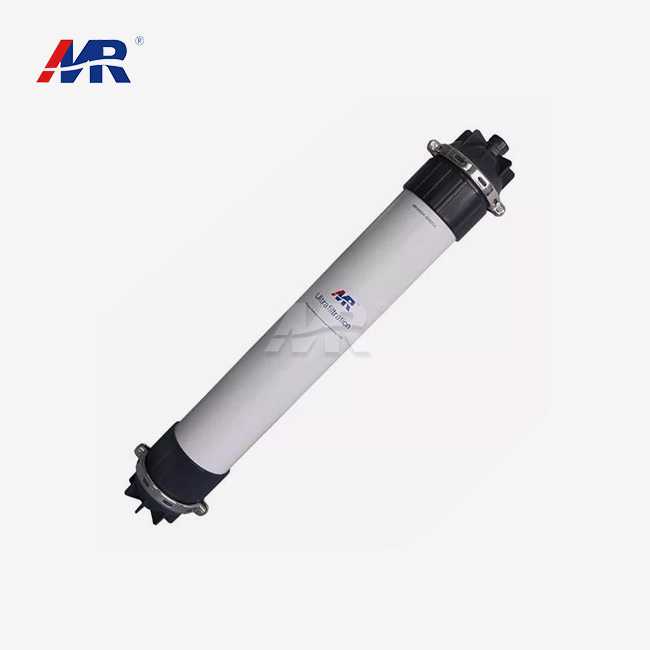 VIEW MOREultra filter membrane
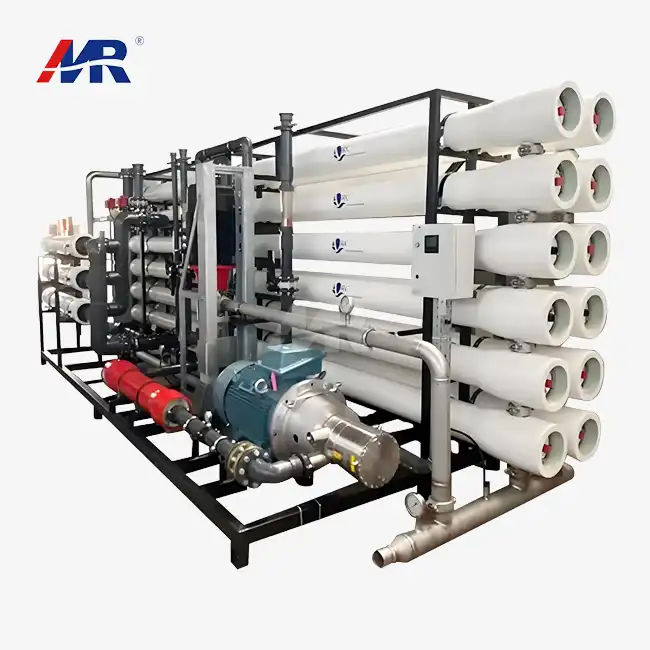 VIEW MORE45m3/hour seawater desalination system
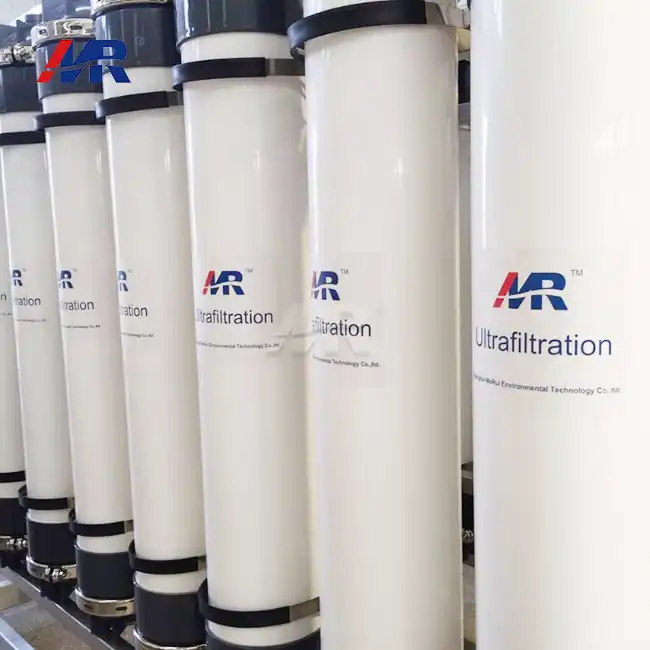 VIEW MORE90T/H ultrafiltration equipment
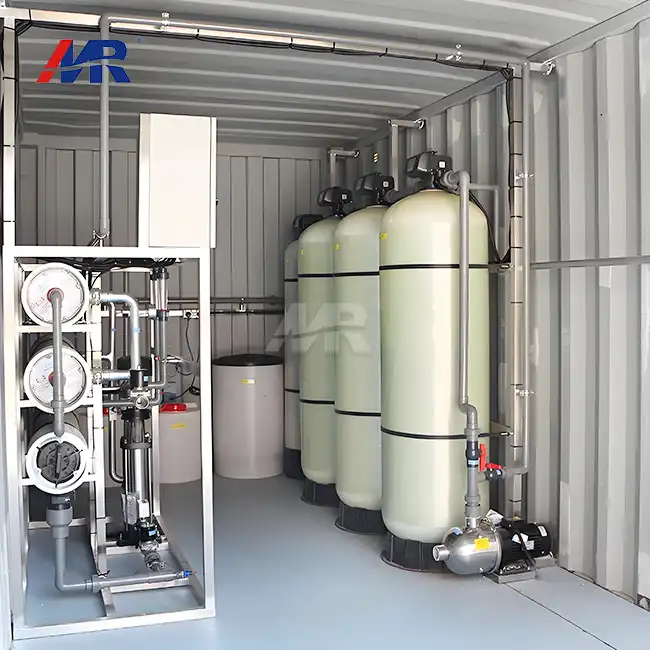 VIEW MOREcontainer type 3m3/hour RO equipment
