_1745823981883.webp)

Understanding the distinction between an ultrafiltration plant and a switch osmosis framework is basic for companies in businesses like manufacturing, food preparation, pharmaceuticals, and wastewater administration. Whereas both frameworks are progressed layer filtration innovations utilized in water filtration, they serve particular parts based on their filtration capabilities and applications. Ultrafiltration basically targets expelling suspended solids, microscopic organisms, and huge atoms, while switch osmosis gives a much better filtration that expels broken up salts, little natural contaminants, and pollutions. This qualification influences which framework suits particular mechanical needs, water qualities, and immaculateness measures.
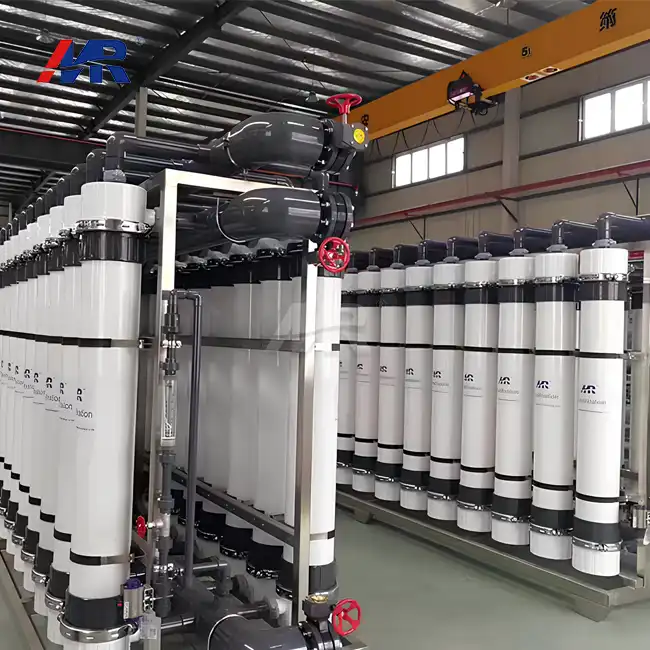
What Is an Ultrafiltration Plant?
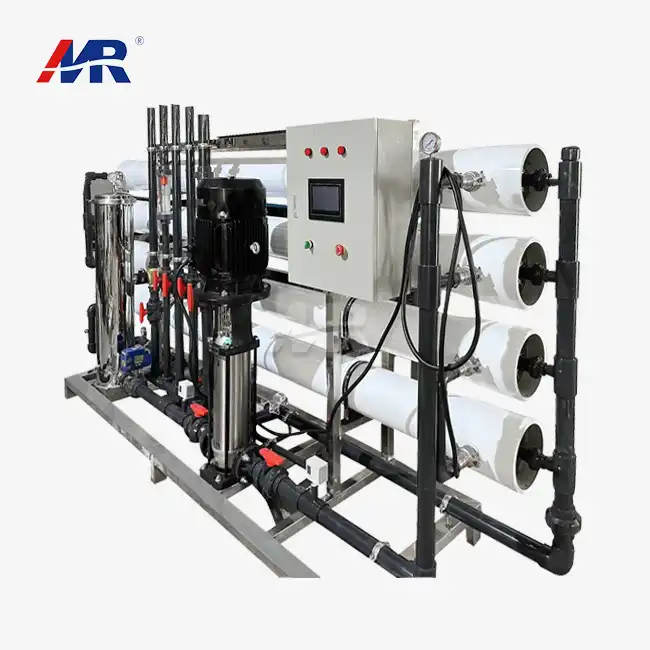
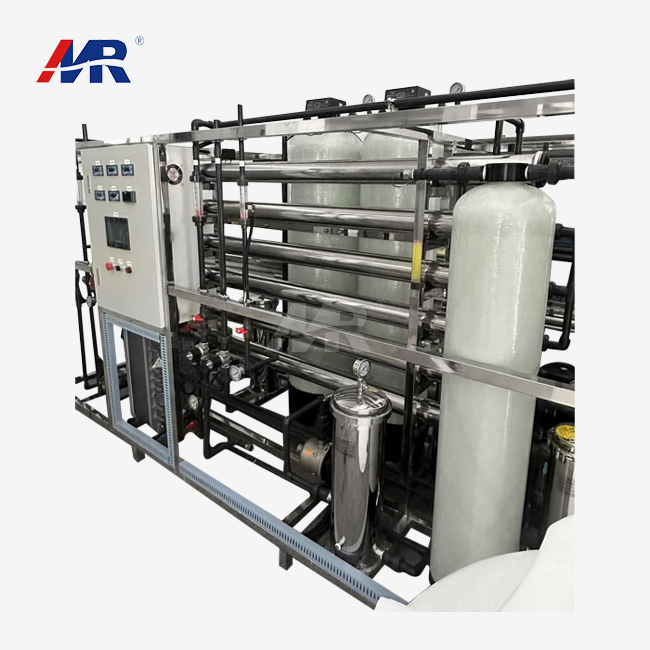
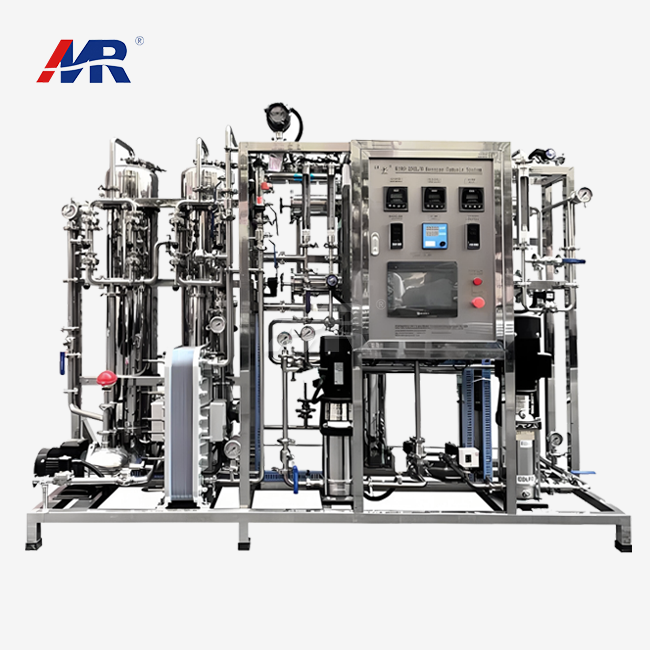
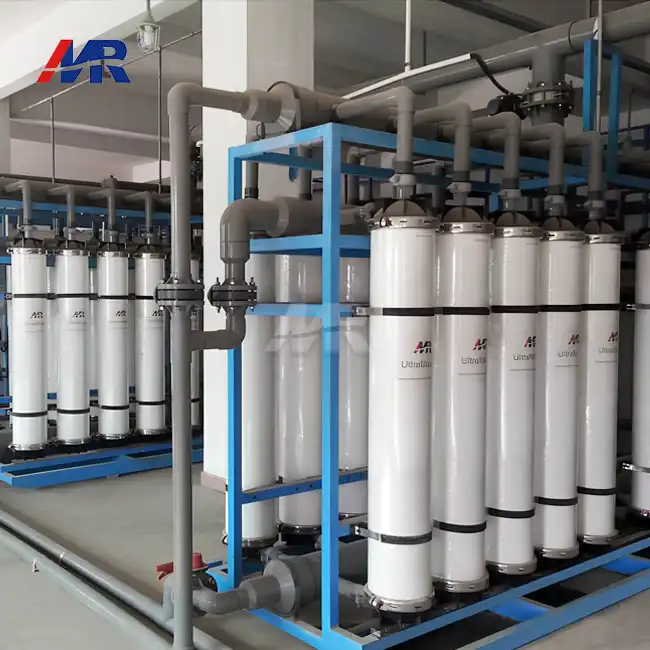
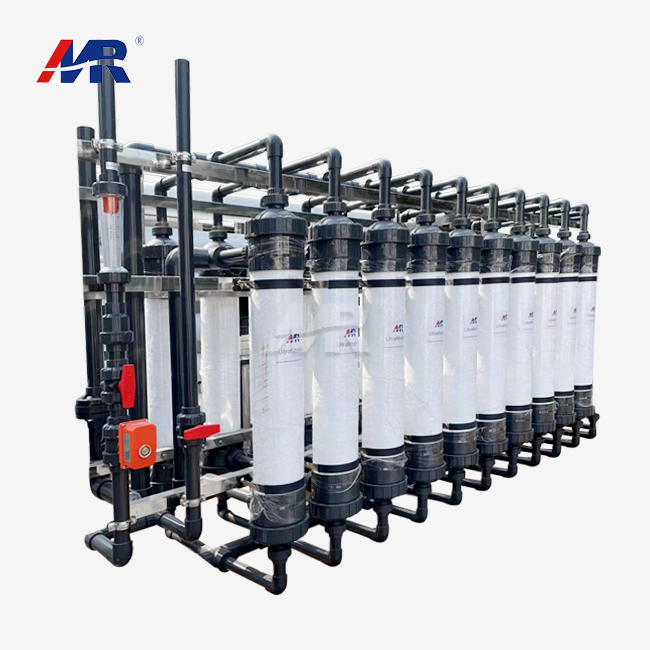
An ultrafiltration plant is a film filtration framework outlined to partitioned suspended solids, microbes, infections, and other colloidal particles from water or wastewater. It works by pushing water through a semi-permeable layer with pore sizes by and large extending between 0.01 to 0.1 microns. This handle viably evacuates particulates and microorganisms, coming about in saturate water that is free from turbidity and microbial contaminants. Not at all like filtration strategies such as microfiltration, ultrafiltration can hold macromolecules like proteins and polysaccharides, making it perfect for mechanical forms requiring steady water quality.
Ultrafiltration plants are used in many places, like factories, water treatment plants, pharmaceutical companies, and food and drink factories, where clean water is needed for quality control or to follow rules. Their main purpose is to remove solids and pathogens before more advanced cleaning technologies are used, or they can be used on their own to make sure accurate removal. The system strikes a good mix between high filtration performance and low running costs. It provides a long-term option for businesses that want to reuse water and follow environmental rules.
The Problem It Solves and the Need It Fulfills
Contained in polluted feed water, which can affect the quality of Products, the durability of equipment, and compliance with regulations, is a common problem in many industries. Controlling the amount of particles and microbes in ultrapure water for electronics, bottle water production, or beverage processing is very important. Untreated water can have bacteria, viruses, colloidal particles, and floating solids that clog pipes, scale, or contaminate goods and processes.
With ultrafiltration plants, these problems are solved because they create a strong buffer that gets rid of most germs and solids without using a lot of chemicals or energy like other methods do. Downtime, upkeep costs, and damage to the environment are all cut down by this feature. Ultrafiltration plants are very important for making sure that quality and safety are always met because they remove particles from very clean water that is used in GMP-compliant medicine production or chip manufacturing.
Core Features & Functionality Deep Dive
Ultrafiltration devices use hollow fiber or spiral wound membranes that filter things based on pressure. When feed water comes in, it runs across the membrane in a way called crossflow filtration. This keeps the filtration efficiency high and keeps the membrane from getting clogged. Microorganisms and suspended solids are kept out as retentate, while clean water flows through as penetrate.
This pressure-driven membrane filter technology is more energy efficient than reverse osmosis since it operates at lower pressures. Because membranes selectively exclude particles larger than their holes, it is possible to distinguish viruses (about 0.01 microns) from bacteria (about 0.1 microns). Ultrafiltration differs from nanofiltration and reverse osmosis systems in that it increases water clarity and reduces turbidity without removing active salts.
Moreover, ultrafiltration plants frequently coordinated programmed discharge and chemical cleaning cycles that expand film life expectancy and support tall filtration effectiveness. Their measured plan encourages customization to handle variable stream rates and water qualities, from civil water treatment to specialized mechanical water preparing. These highlights give adaptability, operational unwavering quality, and strong particulate evacuation fundamental to businesses pointing for feasible water administration and rigid contaminant control.
Under the Hood: Technology Explained
Fundamental to ultrafiltration technology is the study of fluid dynamics and membrane materials. Polymers with excellent chemical resistance and long-term durability, such as polyethersulfone (PES) or polysulfone, are usually used to make membranes. Due to its microporous nature, the membrane permits the unrestricted passage of water molecules while excluding bigger particles according to their size.
In crossflow filtration, shear stresses are applied to the membrane surface by continuously sweeping the feed water across it, removing cake layer accumulation, a major fouling cause. Improved flow rates and longer membrane life are also results of this design. Pressures of 40 to 100 psi are used, which is far lower than the 200 psi often used by reverse osmosis systems to overcome osmotic pressure.
Combining ultrafiltration with pre-treatment procedures like sedimentation or coagulation improves system performance when dealing with materials with high organic content or turbidity. It is a full solution for moderate water quality improvements or an effective intermediate purification step since its separation technique is extremely selective for macromolecules and suspended particles without disrupting dissolved salts or smaller molecules.
Key Advantages
There are two main advantages to using an ultrafiltration plant. For a safe water supply and process integrity, they are necessary due to their capacity to consistently remove particle matter, germs, and viruses. Operating pressures are lower than reverse osmosis, which means less mechanical stress on system components and energy savings. The use of automated cleaning cycles simplifies maintenance, which in turn reduces downtime and increases the lifespan of the membrane. Also, they make it possible to collect water for later use, which helps with environmentally friendly water management in factories.
Ultrafiltration Plant vs. Reverse Osmosis System
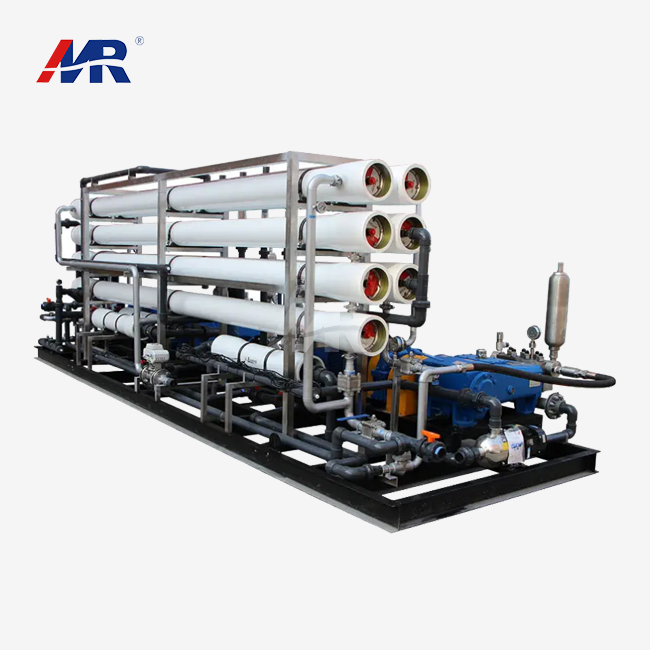
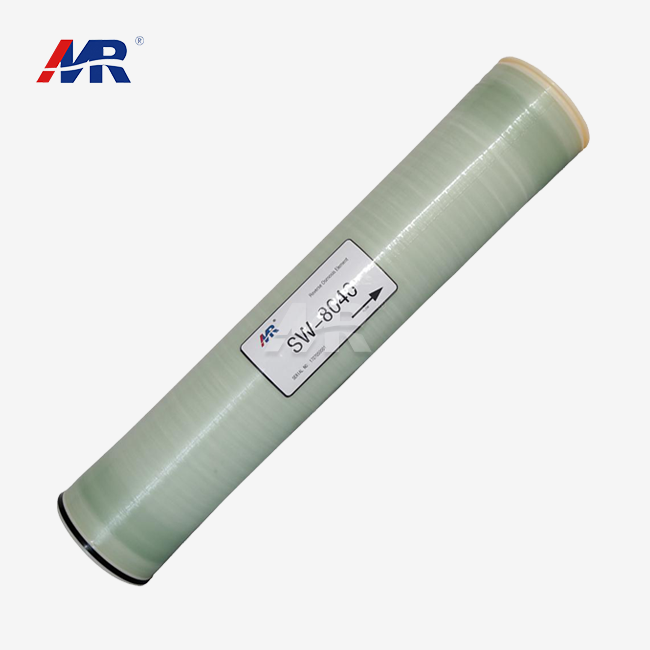
The filtration depth, energy requirement, and application breadth of ultrafiltration plants and reverse osmosis systems are different. Ideal for desalination and ultrapure water creation, reverse osmosis uses a thick, non-porous membrane to remove dissolved salts, organic molecules, and ions across a semi-permeable barrier. It uses more energy since its pressure-driven process demands high pressure.
In contrast, ultrafiltration membranes are able to transmit dissolved salts through their more porous structure while effectively eliminating particles and microorganisms. Since reverse osmosis is best saved for more complex purification processes, ultrafiltration becomes the more economical choice when eliminating turbidity and microbiological contaminants is enough. Upstream installation of ultrafiltration as a pre-treatment for reverse osmosis systems improves filtration efficiency and membrane lifespan in specific industrial situations.
Target Audience and Ideal Use Cases
Industries looking for a simple solution to remove germs and suspended particles can benefit from the ultrafiltration plant's reliability and efficiency. Ultrafiltration is commonly used in manufacturing operations that need clean water for equipment protection and product quality maintenance. This technology is useful for the food and drink sector since it makes processing beverages more hygienic and consistent.
To meet GMP standards for clean water, pharmaceutical and laboratory companies use ultrafiltration by itself or as part of a process with more than one step. To improve the quality of drinking water and cut down on chemical use, municipal water treatment plants use ultrafiltration. It is used by aquaculture companies to clean the water that flows through them, which lowers the risk of disease. As an improved form of membrane bioreactor (MBR) technology, ultrafiltration is used in wastewater treatment plants to clean up waste water.
Ultrafiltration systems are also used in power plants and chemical processing, which value energy economy and ease of operation. Systems can be changed to fit the needs and size of any company, from startups to global corporations. Ultrafiltration plants are the best choice for engineers, plant managers, and CEOs because they combine performance, cost, and sustainability.
Conclusion and Future Outlook
As a crucial piece of equipment for industrial water treatment, ultrafiltration plants from an Ultrafiltration plants factory efficiently remove germs and suspended particles. As compared to reverse osmosis systems, ultrafiltration is more concerned with the removal of particles and pathogens at lower pressure and cost, while reverse osmosis is more suited to dealing with dissolved salts and more complex purification problems. Companies may improve the quality of process water by using integrated filtration technologies since they work well together.
Future developments in membrane materials and automated control systems have great potential for more efficient filtering with less impact on the environment. Worldwide, water security and product quality will be strengthened by the continuous deployment of ultrafiltration plants across industries, driven by rising regulatory demands and environmental goals.
FAQ
Q1: Can an ultrafiltration plant remove dissolved salts like a reverse osmosis system?
A: No, ultrafiltration membranes primarily remove suspended solids, bacteria, viruses, and macromolecules. Dissolved salts and smaller organic molecules pass through, so ultrafiltration does not perform desalination.
Q2: What industries benefit most from ultrafiltration plants?
A: Industries including food and beverage processing, pharmaceuticals, municipal water treatment, aquaculture, and manufacturing use ultrafiltration to ensure consistent water quality by removing particulates and pathogens.
Q3: How does ultrafiltration compare to microfiltration and nanofiltration?
A: Ultrafiltration membranes have pore sizes between microfiltration and nanofiltration, enabling removal of bacteria and some viruses while allowing dissolved salts to pass, offering a middle-ground filtration solution.
Q4: Is the operation of ultrafiltration plants energy-intensive?
A: Ultrafiltration plants typically operate at lower pressures (40-100 psi) compared to reverse osmosis, resulting in lower energy consumption and operational costs.
Q5: Can ultrafiltration plants be used in seawater desalination?
A: Ultrafiltration often serves as a pre-treatment step in seawater desalination, protecting downstream reverse osmosis membranes by removing particulates and microorganisms.
Q6: What maintenance is required for ultrafiltration systems?
A: Regular backwashing and chemical cleaning help maintain membrane performance and prevent fouling. Proper feed water conditioning also reduces maintenance frequency.
Where to Buy Ultrafiltration Plant?
The thorough services offered by Guangdong Morui Environmental Technology Co., Ltd. are ideal for anybody investigating dependable ultrafiltration plant solutions that are customized to meet the demands of industrial or municipal water treatment. Morui offers comprehensive services, including installation and commissioning, thanks to its capabilities in membrane manufacture, equipment manufacturing, and technical competence. Some of the many industries that benefit from our wares are those dealing with pharmaceuticals, food and drink, wastewater, and seawater desalination.
Contact us at benson@guangdongmorui.com to discuss your requirements or request a quote. Discover more about our ultrafiltration and water treatment technologies by visiting our website: moruiwater.com
References
1. Water Treatment: Principles and Design, MWH Global, John Wiley & Sons
2. Membrane Technology and Applications, Richard W. Baker, John Wiley & Sons
3. Industrial Water Treatment Process Technology, Jim Clark, Elsevier
4. Handbook of Water and Wastewater Treatment Plant Operations, Frank R. Spellman, CRC Press
5. Advances in Membrane Technologies for Water Treatment, S. S. Madaeni and K. Alizadeh, Elsevier
6. Environmental Engineering: Fundamentals, Sustainability, Design, and Innovation, James R. Mihelcic et al., Wiley