_1745823981883.webp)

Understanding Reverse Osmosis System Benefits with Mineral Addition
Understanding the Reverse Osmosis System Benefits with Mineral Addition entails understanding how advanced membrane technology produces ultra-pure water and how strategic mineral supplementation returns important elements for the best industrial and business uses. A reverse osmosis system with mineral addition technology achieves the ideal mix of purity and functionality, meeting strict industry standards while making sure water is suitable for a wide range of operating needs. For example, standard filter methods often remove both harmful and helpful minerals, leaving water that is too pure for some uses. This all-around technique fixes those problems.
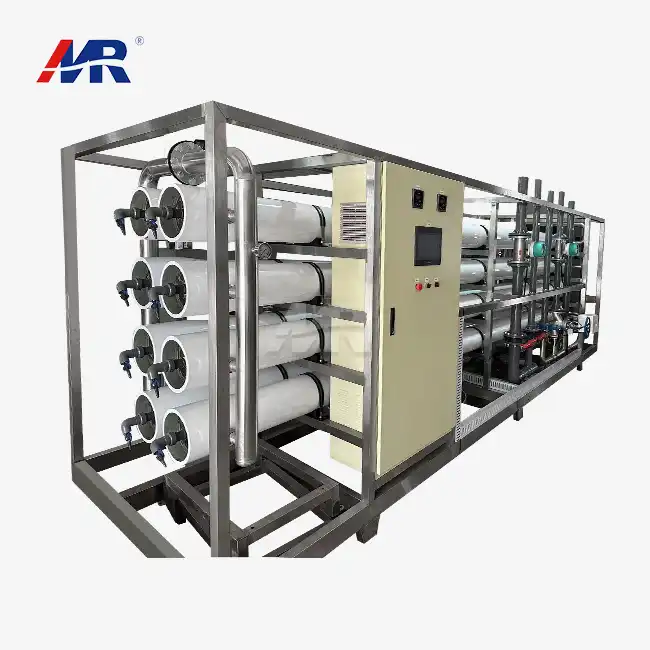
What Is a Reverse Osmosis System and Why Add Minerals?
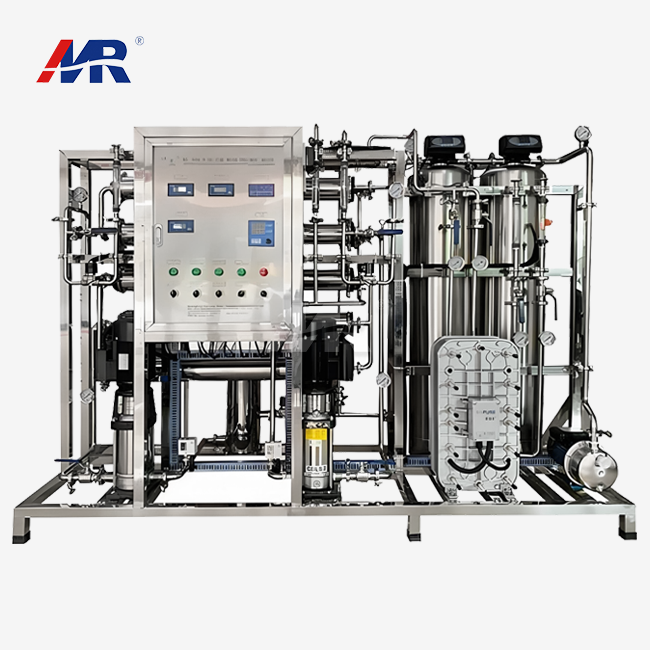
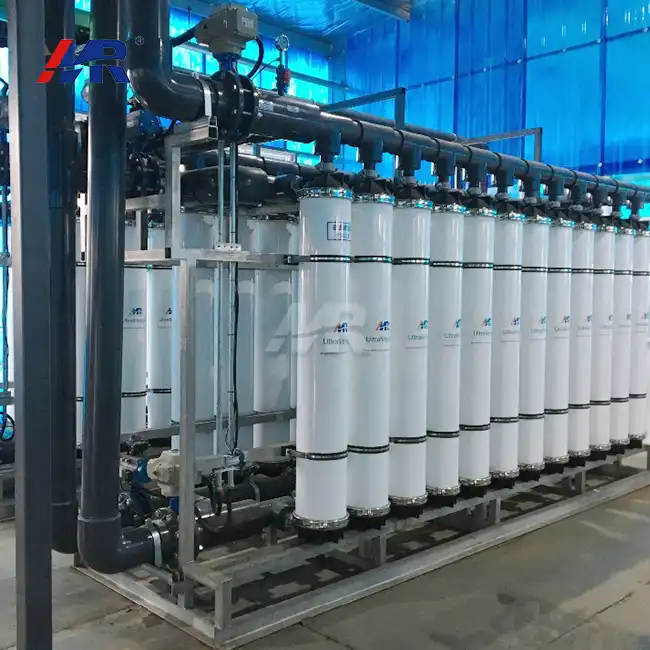
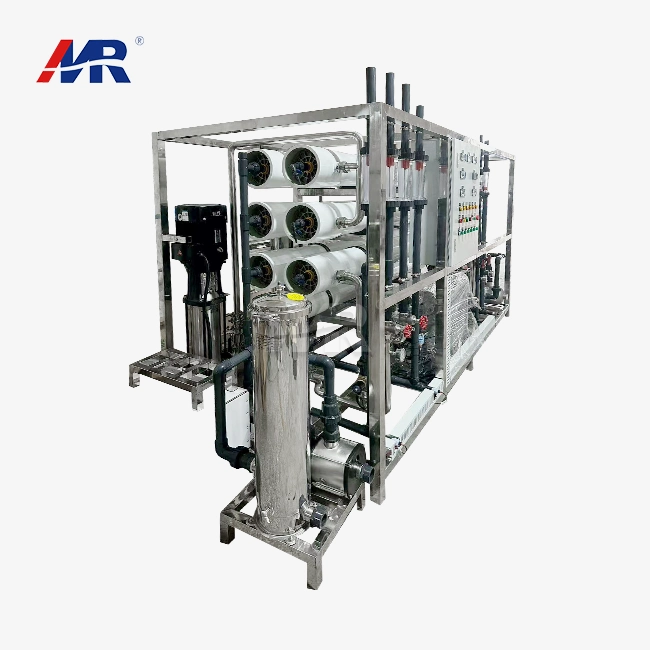
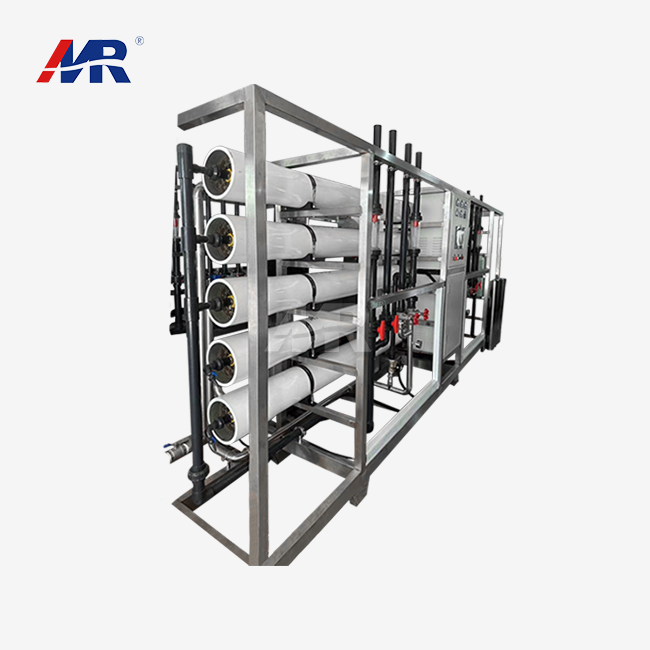
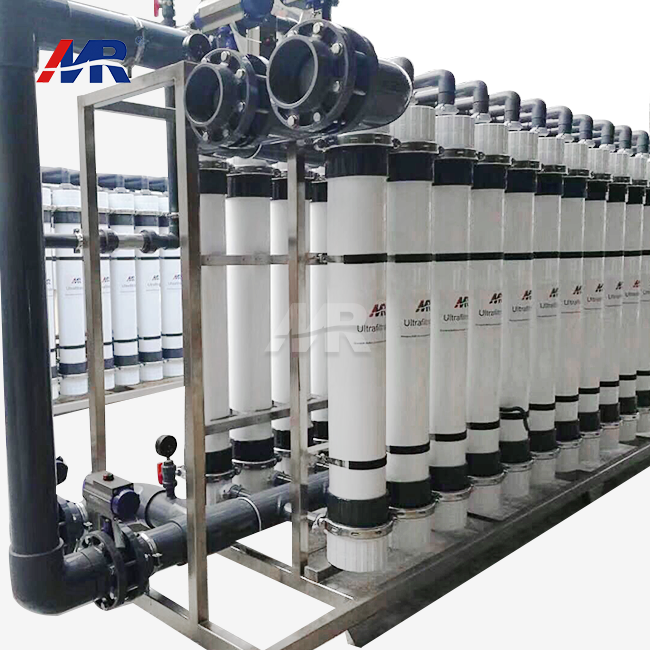
A reverse osmosis system is one of the most advanced ways to clean water on the market today. It uses semi-permeable filters to get rid of contaminants at the molecular level. Using pressure to push water molecules through very small holes (about 0.0001 microns) is how this advanced filtration method works. These holes successfully stop dissolved salts, chemicals, bacteria, and other impurities that could lower the quality of the water.
There are several steps in the main system that all work together smoothly. In the pre-treatment step, sediment filters get rid of bigger bits like sand and dirt, and carbon filters get rid of chlorine and volatile organic compounds that could hurt the membrane. The water then goes through the reverse osmosis membrane, which is the heart of the system. This is where contaminants are sorted and flushed away as wastewater.
The Science Behind Membrane Technology
Modern membrane technology has changed the way many businesses treat water. The semi-permeable filter lets water molecules through but not pollutants based on their size or charge. Up to 99% of dissolved solids are removed by this process. This includes heavy metals like lead and mercury, which are very bad for your health in business and industry settings.
But this thorough cleaning brings about a problem that was not expected. The membrane does a good job of getting rid of dangerous substances, but it also gets rid of good minerals like calcium, magnesium, and potassium that help keep the pH balance, taste, and safety of the water. This water, which doesn't have many minerals in it can become harsh, which could damage equipment and pipes.
Understanding Mineral Addition Technology
Mineral addition fixes the problems with pure RO water by adding back in important elements using special parts after treatment. It is common for these systems to have mineral capsules or dosing tools that carefully add calcium carbonate, magnesium sulphate, and other helpful minerals. The end result is water that is still as pure as it was after reverse osmosis, but has the right mix of minerals for best performance.
This technology is especially useful in fields where the quality of the water affects the life of tools or the quality of the Products. Pharmaceutical companies need exact water specs to meet Good Manufacturing Practice standards, while food and drink companies depend on stable mineral content for taste profiles.
Benefits of Reverse Osmosis Systems with Mineral Addition for Business Use
The addition of minerals to reverse osmosis systems offers real benefits in a wide range of industrial settings. When water is properly balanced, it improves the performance of manufacturing equipment because the minerals are returned, which stops the harsh effects of over-purified water that can cause equipment to wear out and rust faster.
Controlled mineral content is very helpful for the pharmaceutical and biotechnology industries because it helps with exact recipes and keeps the ultra-pure base water needed for regulatory compliance. With these systems, businesses can follow the strict guidelines set by the US Pharmacopoeia while also making sure the water stays safe for processes that need certain mineral ratios.
Enhanced Product Quality and Consistency
When making food and drinks, where taste, colour, and stability depend a lot on water quality, mineral-enhanced RO water works better. Controlling the mineral content helps bottled water companies make sure that their flavours are always the same, and exact water chemistry management helps beverage makers keep their products' integrity. Being able to change the mineral amounts means that each application gets water that is perfect for its needs.
For chip cleaning and other precise processes, electronics and semiconductor factories need very pure water. However, adding minerals in a controlled way can help during some stages of production. Because of this, producers can make sure that the water quality is just right for different uses within the same building. This makes the facility more efficient and cuts down on the costs of running various water treatment systems.
Operational Efficiency and Cost Reduction
When compared to standard methods, systems that can add minerals often show better operating efficiency. The balanced water chemistry lowers the chance of scaling and corrosion, which makes devices last longer and require less upkeep. Power companies that use these systems for boiler feed water say that they need to clean their systems less often and do major repairs more often between cleaning cycles.
Mineral addition technology helps municipal water treatment plants follow the rules more closely while lowering the prices of chemicals used to change the pH and stop rust. The integrated method makes operations easier by mixing conditioning and purification in a single system. This makes things simpler and requires less training for the people who are running the system.
Comparing Reverse Osmosis Systems with and without Mineral Addition
Traditional reverse osmosis systems are great at getting rid of contaminants, but they make water that may need extra cleaning for many business uses. Standard RO water has a low pH level and is generally rough, which can damage equipment and delivery systems over time. Even though these systems work well for tasks that need very clean water, they usually need extra tools to add minerals or change the pH.
Integrated mineral addition systems get around these problems while keeping reverse osmosis technology's better ability to get rid of contaminants. These systems have special parts that carefully control mineral dosing based on flow rates and water quality factors. This makes sure that the output stays the same even if the feed water changes.
Performance and Reliability Considerations
Both types of systems do a great job of getting rid of contaminants, usually getting rid of 95–99% of dissolved solids, heavy metals, and organic chemicals. Systems that add minerals automatically, on the other hand, give you more operating freedom because they make water that can be used for more things without needing extra treatment steps.
There are big differences in how much maintenance is needed for each method. Traditional systems mostly clean and replace membranes, while mineral addition systems need mineral capsules to be replaced or dose equipment to be adjusted on a regular basis. Mineral addition parts usually last between 6 and 12 months before they need to be replaced, which fits in with normal membrane repair plans and makes the combined method more convenient for many users.
Economic Impact Analysis
Mineral addition systems usually have higher initial investment costs than normal RO equipment by 15 to 25 per cent. This is because they need more parts and control systems. But practical savings often make up for this premium in the first few years of business. Better process speed, lower chemical costs, and longer equipment life all add up to a good return on investment estimate.
Different types of systems also use energy in different ways. Mineral addition components don't use much extra power, but the better water properties often make equipment further downstream run more efficiently. For example, a reverse osmosis pressure pump may be part of a system where its energy use is balanced by gains elsewhere. Boiler systems, cooling towers, and process equipment usually work better when the water is properly balanced. This makes up for any small increases in the energy use of the treatment system.
How to Choose and Procure the Right Reverse Osmosis System with Mineral Addition?
A thorough study of the water quality and a clear statement of the system's operating needs are the first steps to a successful system selection. Industrial users have to look at the properties of the feed water, the quality of the output they want, the flow rate they need, and the minerals that must be present in the output. This study is the basis for designing a system and choosing the parts that will work best for each specific purpose.
When evaluating a vendor, you need to carefully look at their professional skills, the quality of their products, and their customer service. Suppliers with a good reputation back up their technology claims with thorough system specs, performance guarantees, and a lot of paperwork. Companies should give more weight to providers who have knowledge in their industry and a history of installing things correctly.
Key Technical Specifications
Important details include the type and design of the membrane, the system's capacity, the rate of recovery, and its ability to add minerals. Buyers should look at the amount of automation, the ability to monitor, and the ways that the new system can be connected to the current ones in the building. Modern systems have features like remote tracking, automatic cleaning processes, and predictive maintenance that make operations simpler and more reliable.
Different industries and uses have different certification needs. Food processors need systems that are NSF certified, while pharmaceutical operations need systems that meet FDA and USP guidelines. For municipal uses, it's common to need to follow EPA rules and state-specific laws. Getting the right licenses during the buying phase keeps you from having to pay a lot of money for changes or replacements after the installation is done.
Support and Service Considerations
Comprehensive service agreements protect the money you've spent on systems and make sure they work at their best for the whole time the equipment is in use. Good providers give installation services, training for operators, preventative maintenance plans, and help in an emergency. These services are especially helpful for sites that don't know much about water treatment or that are in remote areas where getting professional help might be hard.
The supply and shipping speed of parts have a big effect on how well a system works and how much it costs to run. Buyers should look at how the provider handles inventory, how quickly they can send items, and how much new parts cost. Building ties with suppliers, keeping enough parts on hand, and having fast shipping can help keep downtime to a minimum when repairs or maintenance are needed.
Future Trends and Innovations in Reverse Osmosis with Mineral Addition
New technologies are focusing on smart mineral treatment systems that change the amount of minerals in the water automatically based on tracking the water quality in real time and the needs of the application. These smart systems use high-tech monitors, control programmes, and a reverse osmosis pressure pump to make sure that the right amount of minerals is added while also reducing waste and maintaining a high level of quality. Machine learning lets you make predictions about what will happen next by looking at past data and how things are changing in the business.
Innovations in membrane materials and system design are still being driven by the need to save energy. New membrane formulas need lower working pressures to keep rejection rates the same. This saves energy and makes membranes last longer. Energy recovery systems take in pressure from concentrate streams, which makes the whole system work better and costs less to run.
Sustainability and Environmental Impact
Environmental factors affect system design and operation more and more. New methods for adding minerals focus on using minerals that come from safe sources and using fewer chemicals. Some systems now have recycling features that recover and reuse concentrate streams. This cuts down on trash and the damage it does to the earth.
Regulatory systems are always changing to deal with new pollutants and environmental problems. Systems that are made to be adaptable to changes in regulations in the future have higher long-term value and a lower risk of becoming obsolete. Upgrades and changes can be made to modular designs without replacing the whole system. This helps meet environmental goals and legal requirements.
Integration with Smart Infrastructure
Connectivity to the Internet of Things and monitoring tools in the cloud make it possible to control systems remotely and plan maintenance ahead of time. These technologies offer performance data in real time, automatic reporting, and early warning systems that help keep tools from breaking down and improve performance. Integration with building management tools makes operations more organised and boosts efficiency all around.
Artificial intelligence is being used more and more in water treatment, which means that it can operate itself and be optimised. These systems use operating data to learn how to make things work better, use less energy, and make tools last longer. As these technologies get better, they should change the way water is treated and make it easier for anyone to run a system well.
Conclusion
Mineral addition to reverse osmosis systems makes them the best choice for businesses that need both very pure water and certain minerals. These combined systems get rid of contaminants better and keep the water's chemistry at a level that is good for machine performance and product quality. The new technology fixes the problems with old RO systems and offers cost savings and operating flexibility that make the higher original investment worth it. As rules change and concerns about sustainability grow, the option to add minerals gives businesses the flexibility they need to stay in line and be successful in the long run.
FAQ
1. Does remineralised RO water offer health advantages over typical RO water?
While keeping the cleanliness that a reverse osmosis filter gives water, remineralised RO water adds minerals like calcium and magnesium that are good for your health. This balanced method answers worries about water that has lost all of its minerals while also making sure that the level of contamination removal meets industry standards. It is possible to exactly control the mineral level to meet certain health rules and operational needs.
2. What maintenance timelines are recommended for mineral filter replacements?
Mineral filter tubes usually need to be changed every 6 to 12 months, but this depends on the mineral dose needs, the quality of the water, and the flow rate. Monitoring mineral levels and system performance signs on a regular basis helps figure out the best time to repair parts. Setting up preventive maintenance schedules that work with membrane service times makes things easier to do and cuts down on downtime.
3. Can mineral addition help mitigate scaling and membrane fouling issues?
Adding minerals in the right amounts actually helps stop scaling and fouling by keeping the water's chemistry steady, which makes the water less aggressive. But adding too many minerals can cause growth issues, so it's important to have accurate control methods. Mineral levels should be checked and adjusted on a regular basis to make sure they stay in the best ranges for protecting devices and improving performance.
Partner with Morui for Advanced Water Treatment Solutions
Morui Environmental Technology is an expert at providing state-of-the-art reverse osmosis systems with built-in mineral addition features that are made for industry and business use. With over 14 years of experience in the field and 20 specialised engineers, we offer a wide range of personalised solutions for the pharmaceutical, food and beverage, electronics, and public sectors. As a top maker of Reverse Osmosis Systems, we offer full turnkey solutions that include designing the system, installing it, starting it, and providing ongoing support. Get in touch with our technical team at benson@guangdongmorui.com to talk about your specific water treatment needs and find out how our mineral-enhanced RO systems can help you run your business more efficiently while also meeting legal standards and being reliable for a long time.
References
1. Greenlee, L.F., Lawler, D.F., Freeman, B.D., Marrot, B., & Moulin, P. (2009). Reverse osmosis desalination: Water sources, technology, and today's challenges. Water Research, 43(9), 2317-2348.
2. Elimelech, M., & Phillip, W.A. (2011). The future of seawater desalination: Energy, technology, and the environment. Science, 333(6043), 712-717.
3. World Health Organisation. (2009). Calcium and magnesium in drinking-water: Public health significance. Geneva: WHO Press.
4. Amy, G., Ghaffour, N., Li, Z., Francis, L., Linares, R.V., Missimer, T., & Lattemann, S. (2017). Membrane-based seawater desalination: Present and future prospects. Desalination, 401, 16-21.
5. Fritzmann, C., Löwenberg, J., Wintgens, T., & Melin, T. (2007). State-of-the-art of reverse osmosis desalination. Desalination, 216(1-3), 1-76.
6. Kozisek, F. (2004). Health risks from drinking demineralised water. Geneva: World Health Organisation.