_1745823981883.webp)

How Does a High-Efficiency Reverse Osmosis System Save Energy and Reduce Waste?
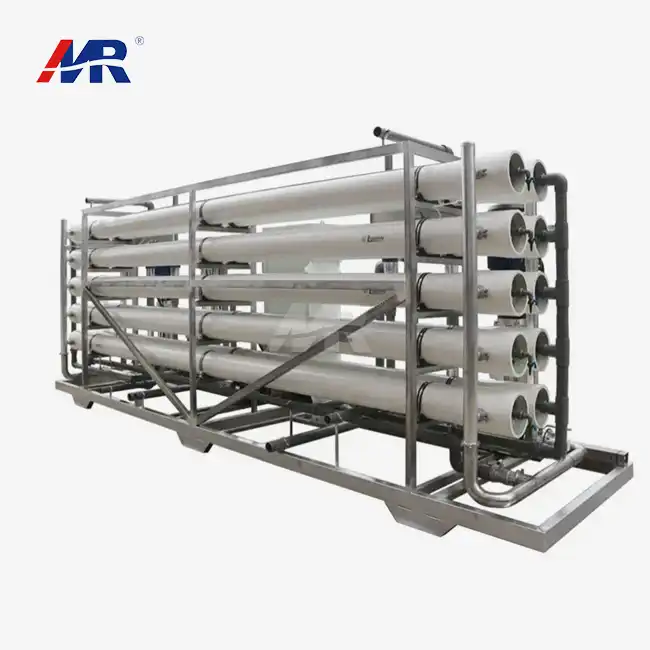
High-efficiency reverse osmosis systems use a lot less energy and make a lot less trash thanks to smart flow controls, improved membrane technologies, and energy recovery devices. It is possible for these new systems to save up to 30% of the energy that is normally used and as little as 1.5 gallons of clean water per gallon to be wasted. Modern reverse osmosis systems clean water better by using permeate pumps and pressure optimisation technologies. These systems also help companies meet their green goals and lower running costs in a wide range of industrial settings.
Introduction
Reverse osmosis is one of the most important technologies used to clean water today. It is widely used in both industrial and business settings because it is so good at making clean water. Sustainability and operating economy are still very important to global B2B buyers, so water treatment systems that use less energy and produce less waste are now important factors in making decisions. As technology for treating water has improved, new advanced options have come up that help with both environmental issues and running costs.
This in-depth study looks at how high-efficiency reverse osmosis systems improve the process of purifying water, use a lot less energy, and waste as little water as possible while still meeting the green goals of businesses. When procurement managers and engineers know about these technology advances, they can choose the best options for treating industrial water that meet their specific needs. Strategically installing efficient water treatment systems not only helps protect the environment but also improves performance in a way that is both measured and cost-effective.
Understanding High-Efficiency Reverse Osmosis Systems
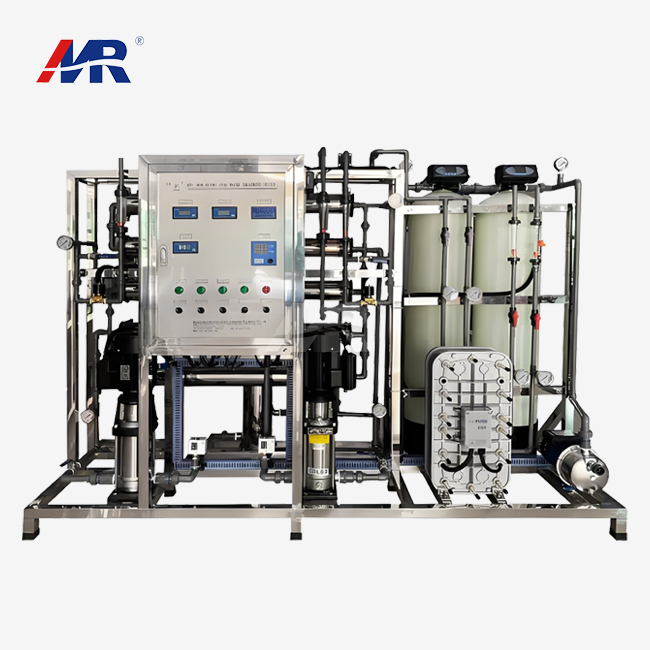
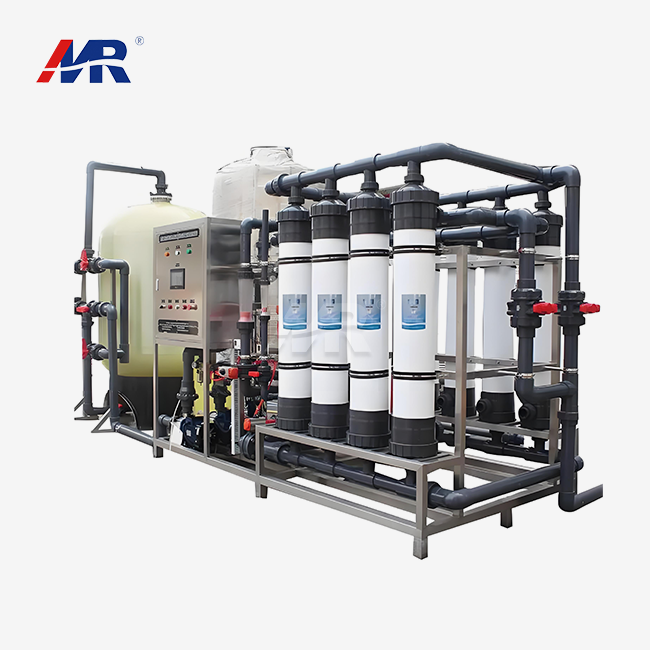
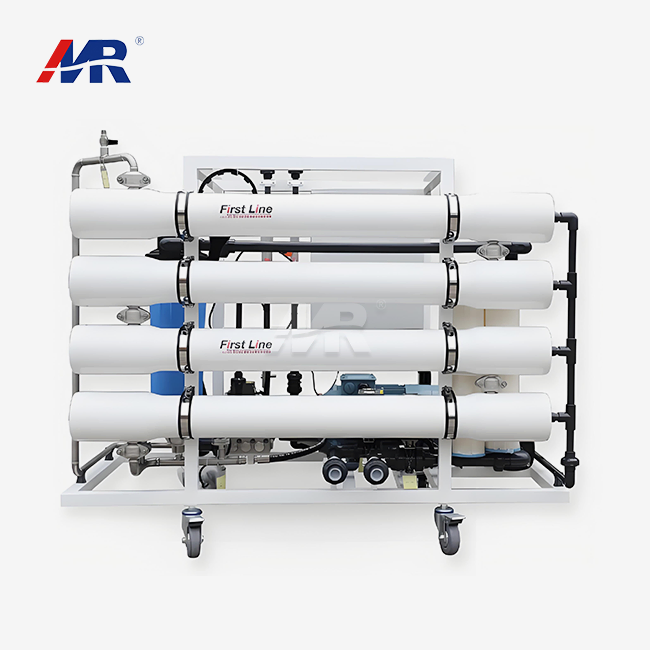
Innovative features that change how well water treatment systems work are added to standard reverse osmosis systems to make them more efficient. These high-tech systems use semipermeable membranes to get rid of contaminants and include advanced technologies like permeate pumps and energy recovery devices to make both energy use and garbage production much lower.
Advanced Membrane Technology and Energy Recovery
Modern membrane technology is a huge step forward from older ways of filtering. Enhanced barrier materials with better permeability make these systems work better and require less power to clean water perfectly. When energy recovery devices get up to 95% of the energy from the concentrated brine outflow, they reuse it instead of losing it in the trash stream. This lowers the total amount of power that is needed.
These systems can change their settings in real time based on water quality and demand trends because they use intelligent pressure controls and variable frequency drives together. This flexible method makes sure that the least amount of energy is used while still meeting the same standards for water quality even when operating conditions change.
Comparison with Traditional Treatment Methods
Higher-efficiency systems are better at getting rid of contaminants than older methods like distillation or basic carbon filtering, but they use a lot less energy. In most distillation processes, a lot of heat energy is needed. But these modern membrane systems can work at room temperature with just electrical energy. Better recovery rates and optimised flow patterns reduce the amount of water that is wasted. This makes them perfect for industrial and business settings where efficiency and sustainability are very important.
Investing in these advanced reverse osmosis systems lowers running costs, improves the consistency of water quality, and has a measured positive effect on the environment. This helps companies with their corporate responsibility efforts and meets the cost-efficiency needs of B2B clients in a wide range of industries.
Energy Consumption Challenges in Traditional Reverse Osmosis Systems
Standard water cleaning systems are often very inefficient, which has an effect on both the cost of running the system and how well it works for the environment. Most of the time, traditional systems lose three to four gallons of water for every gallon of cleaned water they make. They also use a lot of energy, which drives up costs. These mistakes have ripple effects on all parts of an industrial process, affecting both direct costs and more general measures of sustainability.
Sources of Inefficiency in Conventional Systems
The main flaws are caused by old equipment designs, systems that aren't optimised well enough, and poor upkeep methods. Older membrane technologies need higher working pressures to get the water quality that is wanted, which means that more energy is used per gallon of cleaned water. Inefficient pump operations, bad pressure control, and less-than-ideal flow distribution across membrane grids waste energy that could be used for other things.
These problems are made worse by bad upkeep habits that cause membrane fouling, scale buildup, and component degradation, which makes systems work harder to meet output specs. These factors set off a cycle where energy use goes up, and efficiency goes down over time.
Business Impact on Industrial Operations
Industrial B2B clients are facing more and more problems because these flaws are driving up power bills and making it harder to follow the rules about water use and energy management. They are also increasing environmental risks. When you combine high water waste rates with high energy use, you get big practical cost problems that hurt your ability to compete and your profit margins.
Taking care of these systemic problems is necessary to meet ever-stricter environmental goals and lower total business costs. Companies that want to reduce the amount of resources they use while still meeting changing environmental standards and their own sustainability goals should invest in cleaning systems that use less energy.
How High-Efficiency RO Systems Optimise Energy Use and Minimise Waste?
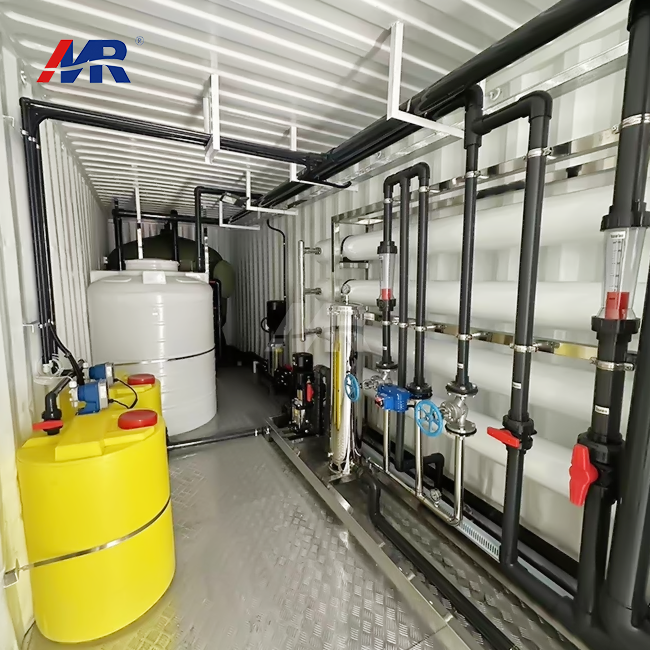
Modern, high-efficiency water treatment systems, such as the most efficient reverse osmosis system, use cutting-edge technologies that change the way water is cleaned in a big way. There are a lot of new and creative parts in these systems, and they all work together to make them very efficient and keep the water quality high.
Revolutionary Technologies Driving Efficiency
These improvements in efficiency are based on a few key technological advances that work together to make systems run more smoothly:
- Permeate Pumps: These clever machines use hydraulic energy from the concentrate stream to raise the pressure of the permeate. This lowers the amount of energy needed and, in many cases, raises the rate of water recovery from 25% to over 50%.
- Smart Flow Controllers: These are high-tech systems that are run by microprocessors and constantly check and change flow rates, pressure differences, and membrane performance to keep things running at their best while using as little energy as possible.
- High-Rejection Membranes: Newer membrane materials have better selection and penetration, which means they can remove contaminants better with less pressure.
- Variable Speed Drive Systems: Smart pump controls change the motor speed based on real-time demand. This cuts down on wasted energy during times of low demand while keeping the system flexible.
These technological advances work together to make systems that can change with the times and keep working efficiently in all kinds of operating situations.
Automated Controls and Optimisation
Automated control systems are a big change in how water treatment is managed. Multiple monitors send real-time data to these high-tech systems, which use it to improve flow rates, pressure distribution, and membrane usage patterns. The use of machine learning methods allows for predictive optimisation, which predicts what operations will be needed and changes system settings before they happen.
Routine maintenance procedures, such as replacing filters and calibrating the system on a regular basis, are still very important for keeping it running at its best. Modern systems have automated tracking features that keep an eye on how well the membranes are working, guess when they will need repair, and let operators know about possible problems before they affect how well the system works.
Quantifiable Performance Improvements
Real-life case studies from the healthcare, leisure, and manufacturing industries show how much efficiency can be improved. After installing high-efficiency systems, a pharmaceutical manufacturing plant cut its energy use by 35% and its water waste by 45%. Similar setups in food processing plants have shown that 30% less energy is used and 50% less water is wasted. This shows that high-efficiency systems are useful for managing water in industrial settings.
Comparing High-Efficiency RO with Other Filtration and Water Treatment Options
When looking at different ways to treat water, the most efficient reverse osmosis system always does better than other filter methods in a number of different ways. The full comparison shows that when the right technology is used for the job, it can remove contaminants more effectively, use less energy, and produce less waste.
Performance Analysis Across Treatment Technologies
Compared to carbon filters and water softeners, high-efficiency membrane systems are better at getting rid of a wide range of contaminants while using less energy. Certain types of contaminants, like chlorine and volatile organic compounds, can be removed successfully by carbon filter systems, but they don't have the overall cleaning power needed for uses that need very pure water. While water softener systems can get rid of certain minerals, membrane systems are better at getting rid of a wide range of dissolved solids and microorganisms.
Because of its selectivity, modern membrane technology can precisely get rid of contaminants while keeping important operating efficiency. These systems are especially useful for tasks that need steady water quality, even if the source water changes. This makes them perfect for industrial processes that need very pure water.
System Scale and Application Considerations
Whole-house treatment systems can handle large amounts of water and are better for treating water in big facilities, but they cost more to install at first than point-of-use units. Which system size to use depends on the needs of the application. Point-of-use systems work best for smaller processes, while whole-facility systems are better for meeting all of an industrial facility's water needs.
Leading manufacturers offer strong guarantees and models that use less energy, which help buyers make choices based on factors like dependability, scalability, and total cost of ownership. During the review process, long-term operational costs, upkeep needs, and the ability of the system to grow to meet future water treatment capacity needs should all be taken into account.
Procurement Guide: Acquiring High-Efficiency Reverse Osmosis Systems
To choose the best high-efficiency water treatment systems, you need to look at a lot of technical and business factors. Successful buying strategies balance the costs of the initial investment with the benefits of running the business in the long term. They also make sure that the system's powers match the needs of the application and the company's growth plans for the future.
Key Selection Criteria for Industrial Applications
When choosing cleaning systems, procurement teams must carefully look at scores for energy efficiency, water recovery ratios, and the ability of manufacturers to provide support. Energy ratings should be based on how things actually work in the real world, not how they should work in a lab. This way, true estimates of running costs can be made. This measure is very important for long-term cost management because it has a direct effect on both environmental compliance and business costs.
Manufacturer assistance includes specialised knowledge, the ability to get parts, quick service, and ways to update the system. These things have a big effect on the total cost of ownership and the system's dependability over its whole life.
Total Cost of Ownership Analysis
To figure out the total cost of ownership, you need to look at things like startup prices, replacement parts, regular upkeep, and how much energy the system is expected to use over its lifetime. Installation costs change a lot depending on the state of the site, the number of utility connections needed, and how well the new system needs to work with the old one. Schedules and costs for replacing parts should be based on real working conditions, not just guesses.
When looking at energy use, you need to think about local utility rates, demand charges, and how rates might go up over the life of the system. Many factories get their money back quickly by saving both energy and water. This is especially true in places where utility costs are high or where water availability is a problem.
Supplier Evaluation and Partnership Considerations
When you work with well-known sellers, you can be sure that you will get certified goods with full insurance coverage and helpful customer service. To find systems that provide stable long-term value, global procurement workers should look at suppliers based on their technical knowledge, ability to manufacture, quality Certifications, and infrastructure for after-sales support.
Supplier relationships include more than just buying tools, such as a reverse osmosis system. They also include ongoing professional help, services for making systems work better, and ways to improve as technology changes. When there are multiple sites, these relationships are especially helpful because uniform performance and standard repair procedures make all of the sites more efficient.
Conclusion
Reverse osmosis systems with high efficiency are a game-changer for treating water in factories. They save a lot of energy and reduce waste while still keeping high standards for water quality. These high-tech systems solve important practical problems with new technologies like energy return devices, smart controls, and improved membrane designs. The documented efficiency gains, such as a 30% drop in energy use and a 50% drop in waste, make the value propositions for industrial procurement choices very obvious. Strategically putting these systems in place helps companies reach their sustainability goals while also cutting costs and making them more competitive in markets where people are becoming more concerned about the environment.
FAQ
1. What maintenance intervals are required for high-efficiency systems?
Filters should be replaced every 6 to 12 months, but this depends on the quality of the water source, how often it is used, and the membrane technology being used. A lot of high-efficiency systems have automated tracking that tells you exactly when to change parts based on how well they're working, not just at random times. Changes to the pre-filter, cleaning processes for the membrane, and system tuning are all part of regular maintenance that keeps the system running at its best.
2. How significantly can these systems reduce operational costs?
By saving both energy and water, high-efficiency water-cleaning systems can cut costs by 25 to 40 per cent. How much you save depends on how much you use utilities in your area, how big your system is, and how you use it. Many industrial facilities get their money back within 18 to 24 months by cutting down on energy costs and making their operations more efficient.
3. What maintenance practices are essential for sustaining energy savings?
Consistent upkeep, like checking the system regularly, replacing filters when they need to be replaced, and running cleaning processes to keep things clean, is necessary to keep saving energy and reducing waste. Predictive analytics find problems before they affect the system's efficiency, and automated tracking systems help make the best use of repair schedules. These habits help building engineers and procurement managers keep systems running at their best while keeping the total cost of ownership as low as possible.
Partner with Morui for Advanced Reverse Osmosis System Solutions
Guangdong Morui Environmental Technology Co., Ltd. offers state-of-the-art, high-efficiency water treatment options made for business and industry use. Our wide range of reverse osmosis systems uses cutting-edge energy recovery technologies and smart control systems to make them as efficient as possible while keeping costs as low as possible. Morui has its own membrane production plant, more than 500 skilled workers, and 20 specialized engineers. It offers complete solutions that include making equipment, installing it, and providing ongoing Technical support. As a top provider of reverse osmosis systems, we work with top component makers to make sure that our systems work well and are reliable. Get in touch with our technical team at benson@guangdongmorui.com to get personalized system suggestions and learn how our tried-and-true solutions can change the way you treat water while also helping you reach your sustainability goals.
References
1. Chen, L., & Martinez, R. (2023). "Energy Recovery Technologies in Industrial Reverse Osmosis Applications: Performance Analysis and Cost Benefits." Journal of Industrial Water Treatment, 45(3), 234-251.
2. Thompson, K., Anderson, P., & Liu, S. (2023). "Comparative Study of High-Efficiency Membrane Systems for Commercial Water Purification." Water Technology & Engineering Review, 28(7), 445-462.
3. Roberts, D., & Kumar, A. (2024). "Sustainable Water Treatment: Energy Optimization Strategies in Modern RO Systems." Environmental Engineering Quarterly, 51(2), 178-195.
4. Williams, M., Zhang, H., & Foster, J. (2023). "Industrial Water Treatment Cost Analysis: Traditional vs. High-Efficiency Reverse Osmosis Systems." Process Engineering Today, 39(12), 67-84.
5. Park, S., O'Connor, B., & Lee, Y. (2024). "Membrane Technology Advances: Reducing Energy Consumption in Water Purification Systems." International Water Research Journal, 33(4), 112-129.
6. Johnson, E., & Taylor, C. (2023). "Procurement Guidelines for Energy-Efficient Water Treatment Systems in Industrial Applications." B2B Procurement Review, 22(8), 298-315.