_1745823981883.webp)

How to Choose an Energy-Efficient RO System for Industrial Applications
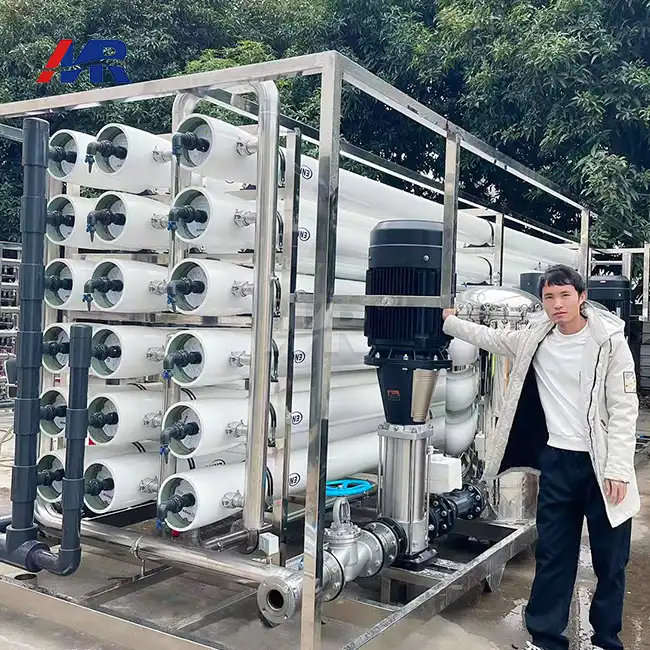
To choose an energy-efficient RO System for commercial use, you need to carefully look at performance measures, patterns of energy use, and the total cost of ownership. Industrial reverse osmosis technology is the main way that water is treated in the municipal, pharmaceutical, food preparation, and industrial industries. Using less energy has a direct effect on costs, protecting the earth, and making money in the long run. The selection of a suitable RO System is crucial for the success of a business because modern industrial facilities are under more and more pressure to cut energy costs while keeping strict water quality standards.
Introduction
In the past ten years, industrial water treatment has changed a lot. Reverse osmosis technology has been at the forefront of this change toward more environmentally friendly and cost-effective options. Rising electricity costs and strict environmental rules that govern industry operations across the United States are making people pay more attention to how much energy they use. More and more factories, drug companies, food processing plants, and local water treatment plants are realizing that energy-efficient RO systems are not only the right thing to do for the environment but also good for business.
There are a lot of people involved in the selection process for industrial RO systems. Technical decision-makers look at performance specifications, financial decision-makers look at return on investment, and top managers balance practical needs with budget limits. There needs to be clear advice that takes into account both technical performance and economic factors because each party has a different view on the procurement process.
Modern industrial uses need water treatment systems that can deal with changing feed water quality, shifting output plans, and strict rules for following the law. Advanced membrane technology, improved system design, and smart control systems that adapt to changing conditions are some of the ways that energy-efficient RO systems deal with these problems while keeping running costs low.
Defining Energy Efficiency in Industrial RO Systems
Energy efficiency in industrial RO systems is measured by several different performance measures that have an effect on both prices and the environment. The main measurements are the rejection rate, which shows how well the system can get rid of dissolved solids and contaminants, the recovery rate, which shows how much of the feed water is turned into clean permeate, and the specific energy consumption, which is usually given in kilowatt-hours per thousand gallons produced.
Optimization of the recovery rate is a key part of saving energy because better recovery rates mean less trash water and less energy use per gallon of product water. Recovery rates for industrial RO systems can be anywhere from 75% to 95%, based on the quality of the feed water and how the system is set up. There isn't a straight line between recovery rate and energy use because too high of a recovery rate can cause more fouling and higher pressure needs.
How well the rejection rate works directly impacts the amount of processing that needs to be done later and how well the system works generally. When ro membranes consistently reject more than 98% of dissolved salts, they don't need as many extra cleaning steps, which means they use less energy overall. Temperature changes have a big effect on how well a membrane works. Higher temperatures make permeate move faster, but they could also weaken the membrane over time.
To measure energy use, you need to know how to read standardized data that takes into account changes in temperature, pressure, and the quality of the feed water. To accurately compare different RO system configurations, industry guidelines say to keep an eye on how much specific types of energy are used under normal conditions. Advanced tracking systems keep track of trends in how much energy is used and find ways to make things better by analyzing data and using predictive maintenance routines.
Key Factors to Consider When Selecting an Energy-Efficient RO System
Figuring out the quality of the water that factories need is the first step in choosing an RO system. The features of the feed water decide which membranes to use, how much pretreatment is needed, and how much energy is used. Total Dissolved Solids levels, pH changes, turbidity, and certain pollutants like silica or organics can affect how a system is designed and how much energy it can save. A full analysis of the water allows for correct sizing and the best use of energy throughout the whole lifetime of the system.
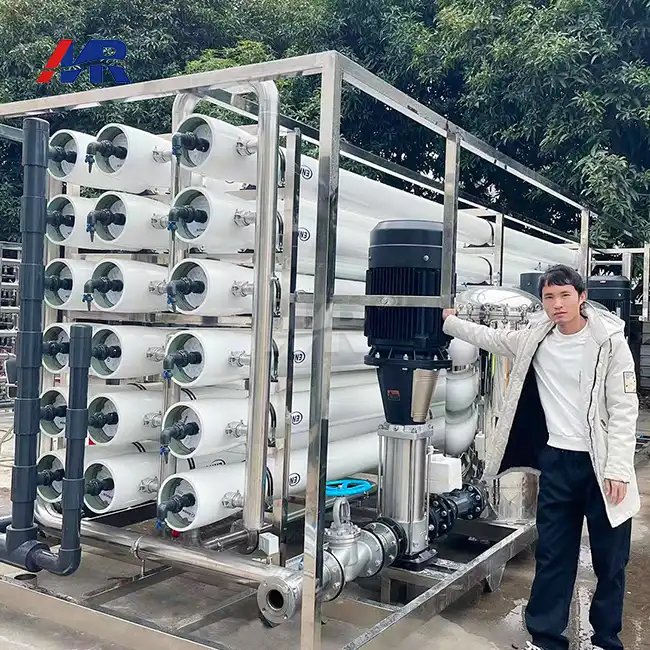
By spreading osmotic pressure loads across several membrane arrays, multi-stage RO designs offer big energy savings for high-recovery uses. Two-stage systems usually use 15-20% less energy than single-stage systems while still meeting the same water quality guidelines. The extract from the first stage is used as feed water for the second stage. This makes the best use of water recovery while using the least amount of energy per gallon made.
Here are the core advantages of a multi-stage RO system design:
- Better Recovery Rates: Multi-stage setups get recovery rates of more than 85% while keeping the membrane's performance at its best and making it last longer by lowering its fouling potential.
- Distributed Pressure Loading: Spreading the pressure across several steps lowers the stress on each membrane, which lowers the amount of energy needed and lowers the chance of damage to the membrane from large pressure differences.
- Better Removal of Pollutants: Using different treatment steps in a certain order gets rid of more dissolved solids, organics, and minor contaminants, so you don't have to use as many other treatments later on.
- Flexible Operation: Multi-stage systems can handle changing feed water quality and output needs by letting each stage control and improve itself independently.
These advantages translate into measurable energy savings and improved operational flexibility for industrial applications requiring consistent high-quality water production.
Choosing high-quality parts has a big effect on how much energy is saved over time. For example, high-efficiency pumps, improved membrane formulations, and energy return devices can all save a lot of energy. High-pressure pumps with variable frequency drives can precisely control flow and save energy based on real-time demand. In certain industrial settings, energy recovery devices like pressure exchangers and turbochargers can cut energy use by 35 to 60%.
Maintenance strategies directly influence energy efficiency through membrane cleaning protocols, component replacement schedules, and system optimization procedures. Preventive maintenance programs that include regular membrane performance monitoring, chemical cleaning optimization, and component inspection help maintain peak energy efficiency throughout the system lifecycle.
Comparing RO Systems and Related Technologies for Industrial Use
A review of industrial water treatment technologies shows that reverse osmosis has clear pros and cons compared to other ways of cleaning water. An activated carbon filter is great at getting rid of chlorine and organic compounds, but it can't get rid of dissolved salts and minerals, which means it can't be used in businesses that need water that is low in minerals. UV decontamination kills microbes effectively while using very little energy, but it doesn't get rid of dissolved contaminants.
Ion exchange is how water softening systems get rid of hard water problems, but they need renewal chemicals and make waste streams that are mostly saltwater. Although distillation produces very pure water, it uses a lot more energy than RO systems—usually 10 to 15 times more energy per gallon of finished water. Electrodeionization technology makes water that is very clean, but it works best as a finishing step after RO treatment.
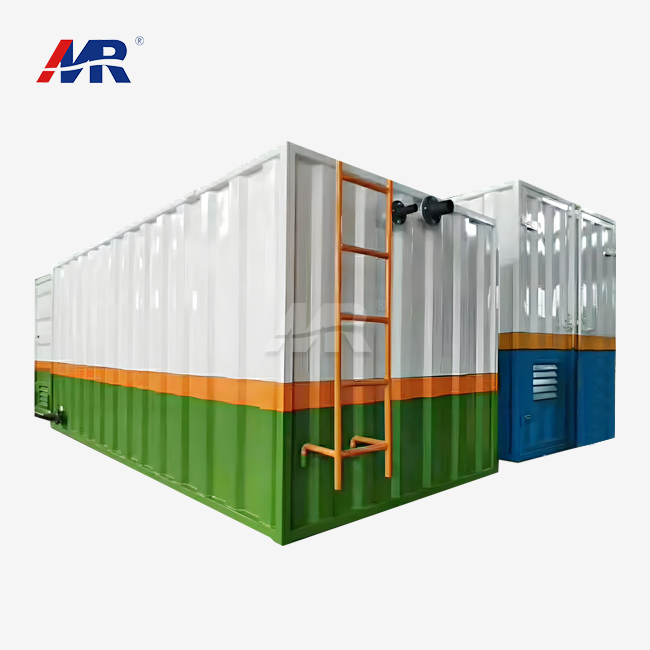
Portable versus installed RO system configurations serve different industrial applications based on mobility requirements and production capacity needs. Containerized RO systems provide deployment flexibility for temporary operations, remote locations, or emergency response situations while maintaining energy efficiency through optimized component integration. These systems incorporate pretreatment, RO processing, and post-treatment within a single transportable unit, enabling rapid deployment without sacrificing performance.
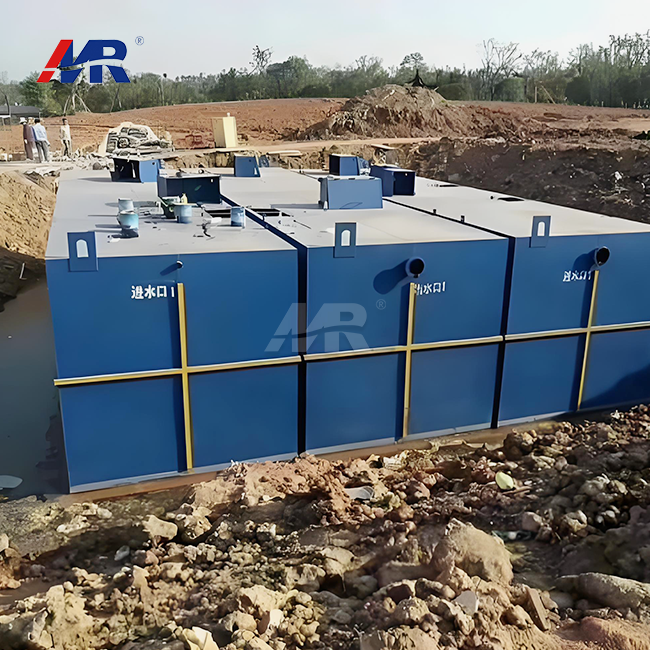
Permanent installations offer superior energy efficiency for continuous high-volume operations through customized system design, advanced automation, and integration with existing facility infrastructure. Energy recovery devices and sophisticated control systems become more economically viable in permanent installations, contributing to long-term operational cost reduction.
Cost-efficiency analysis requires evaluation of the total cost of ownership, including initial capital investment, installation costs, ongoing maintenance expenses, energy consumption, and membrane replacement costs over the system lifecycle. Energy-efficient RO systems typically demonstrate payback periods of 2-4 years through reduced utility costs, even when initial capital costs exceed standard configurations.
Procurement and Installation Considerations for Industrial RO Systems
Estimating the cost of installation includes buying tools, getting the spot ready, connecting utilities, and starting up the system so that it works at its best. A professional site survey can find ways to save energy by putting equipment in the right place, designing pipes to be as efficient as possible, and integrating new systems with current ones in the building. To make accurate cost estimates, you need to know about area work rates, building permit requirements, and how to connect to utilities.
When figuring out an energy-efficient RO system's return on investment, you need to look at both the direct energy savings and the secondary benefits, like lower upkeep costs, better product quality consistency, and lower environmental compliance risks. Savings on energy costs usually make up 20 to 40 percent of the total cost of running the system. Other ways to save money are by using fewer chemicals, making the membrane last longer, and making the system more reliable.
Supplier evaluation criteria extend beyond initial equipment costs to encompass Technical support capabilities, service network coverage, and long-term component availability. Established manufacturers with comprehensive service networks provide superior support for maintaining energy efficiency through preventive maintenance programs, performance optimization services, and rapid response to operational issues.
Here are the essential supplier evaluation factors for energy-efficient RO systems:
- Certification Standards: Suppliers must show that they follow the rules for their business. For example, NSF certification is needed for systems that provide drinking water, and ASME certification is needed for systems that handle pressure and safety.
- Technical Support Infrastructure: Full technical support includes emergency service 24 hours a day, seven days a week, the ability to watch from afar, predictive maintenance programs, and access to certified service techs.
- Coverage under a guarantee: Longer warranty plans for membranes, pumps, and control systems protect against performance loss and unexpected upkeep costs over the span of the system.
- Training Programs: Operator training and licensing programs offered by the supplier make sure that the system is run and maintained correctly, which saves energy and makes the equipment last longer.
These evaluation criteria help ensure successful long-term operation and sustained energy efficiency performance throughout the RO system lifecycle.
Professional installation services contribute significantly to achieving designed energy efficiency through proper commissioning, performance verification, and operator training. Experienced installation teams understand the critical importance of proper membrane installation, system startup procedures, and performance optimization that maximizes energy efficiency from initial operation.
Morui Environmental Technology: Your Partner in Energy-Efficient Water Treatment Solutions
Guangdong Morui Environmental Technology Co., Ltd. has more than ten years of experience in providing industrial water treatment solutions, with a focus on designing and installing RO systems that use as little energy as possible. We use a complete method that includes cutting-edge membrane technology, smart control systems, and custom building to help business clients save energy in a wide range of situations.
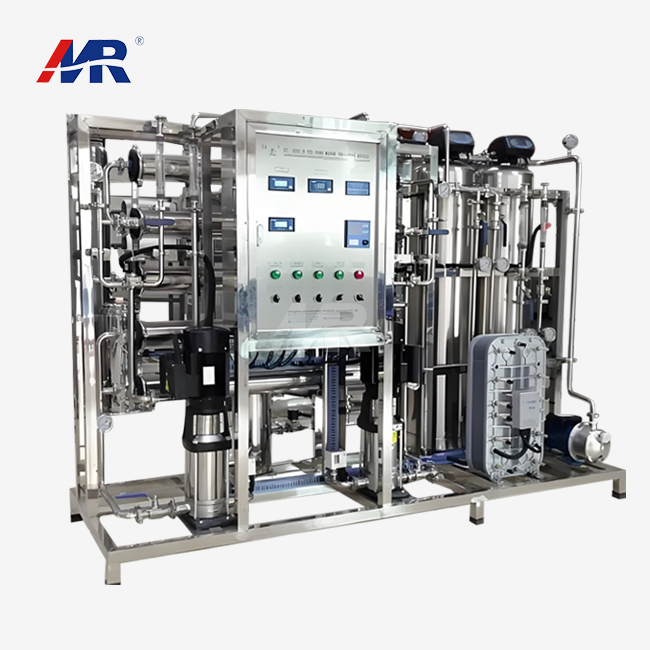
Our selection of industrial RO systems includes pre-treatment, RO, and post-treatment systems that are all built into one unit for easy deployment, as well as multi-stage designs for high-recovery uses. Advanced features like variable frequency drive pumps, energy recovery devices, and predictive repair tracking make sure that the system always works at its best when it comes to energy.
The Morui advantage extends beyond equipment supply to include comprehensive service offerings that support sustained energy efficiency. Our Team of 20 engineers and 500 employees across 14 branches provides local support for installation, commissioning, maintenance, and performance optimization. In-house membrane production capabilities enable customized membrane selection and rapid replacement part availability.
Leading component makers like Shimge Water Pumps, Runxin Valves, and Createc Instruments are part of our relationship network. This gives us access to the best, most energy-efficient parts for industrial RO uses. With this all-around method, we can provide complete solutions that meet specific goals for energy efficiency while still meeting strict standards for water safety.
Recent case studies show that these designs save between 25 and 45% of the energy used by traditional RO systems. The payback time is usually only 3 years, as the lower power costs and better operating efficiency pay for themselves. Our clients benefit from guaranteed performance levels, comprehensive warranty coverage, and ongoing expert help that keeps equipment running efficiently for as long as it lasts.
Conclusion
Selecting an energy-efficient RO system for industrial applications requires a comprehensive evaluation of performance metrics, technology options, and supplier capabilities that align with specific operational requirements. The investment in energy-efficient technology delivers measurable returns through reduced utility costs, improved environmental sustainability, and enhanced operational reliability. Modern industrial facilities benefit from partnering with experienced manufacturers who provide comprehensive support from initial design through long-term maintenance and optimization.
FAQ
Q1: How can I measure the energy efficiency of my current RO system?
To measure energy efficiency, you have to keep an eye on how much energy is being used under regular settings that take into account changes in temperature, pressure, and the quality of the feed water. Measurements of conductivity, feed pressure, concentrate pressure, and permeate flow rate are some of the most important factors. Industry rules say to figure out how much energy is used per thousand gallons of output and compare that to basic data to see how well the system is doing. Monitoring on a regular basis finds ways to improve energy economy and upkeep tasks that need to be done.
Q2: What maintenance practices help sustain energy efficiency in industrial RO systems?
As part of preventive maintenance, membrane performance is checked on a daily basis, cleaning plans are optimized, and parts are inspected to find problems before they affect energy use. The amount of time between cleanings varies depending on the quality of the feed water and the rate at which the system recovers. Usually, cleanings happen every month to three months. Using the right chemicals for cleaning gets rid of the fouling materials that require more pressure and energy.
Q3: Can RO systems integrate with renewable energy sources for improved sustainability?
Modern RO systems work well with solar and wind energy sources because they have energy storage systems and smart control programs that make the most of times when green energy is at its best. Battery storage solutions allow for continuous running while getting the most out of renewable energy. Advanced control systems change output schedules automatically based on factors that optimize costs and energy supply.
Q4: What are the typical payback periods for energy-efficient RO system upgrades?
Payback periods for energy-efficient upgrades typically range from 2-4 years, depending on current energy consumption, utility rates, and system utilization patterns. Energy savings of 25-40% are commonly achieved through membrane upgrades, pump optimization, and energy recovery device installation. Comprehensive cost analysis should include reduced maintenance costs and improved system reliability in addition to direct energy savings.
Q5: How do multi-stage configurations compare to single-stage systems for energy efficiency?
Multi-stage RO designs use less energy because the pressure is spread out, and recovery rates are higher, while the membranes still work at their best. Two-stage systems usually use 15 to 20 percent less energy than single-stage systems with the same capacity. The extract from the first stage is used as feed water for the second stage. This makes the best use of water recovery while using the least amount of energy per gallon made.
Ready to Optimize Your Industrial Water Treatment with Energy-Efficient RO Systems?
Through our advanced RO system options, Morui Environmental Technology is ready to help you save a lot of energy and make your business run better. As a top RO System manufacturer, we offer thorough energy efficiency tests, individualized system design, and full installation services that are made to your unique business needs. Get in touch with our expert team at benson@guangdongmorui.com to set up a personalized meeting and find out how our energy-efficient solutions can help you save money and improve water quality.
References
1. American Water Works Association. "Energy Efficiency in Reverse Osmosis Systems: Best Practices for Industrial Applications." Journal of Water Treatment Technology, 2023.
2. International Desalination Association. "Performance Standards for Industrial Reverse Osmosis Systems: Energy Consumption and Optimization Guidelines." IDA Technical Manual, 2024.
3. Environmental Protection Agency. "Industrial Water Treatment Technology Assessment: Energy Efficiency and Environmental Impact Analysis." EPA Technical Report, 2023.
4. Water Quality Association. "Membrane Technology in Industrial Applications: Energy Efficiency and Performance Optimization." WQA Industrial Standards Publication, 2024.
5. National Association of Water Companies. "Cost-Benefit Analysis of Energy-Efficient Water Treatment Technologies for Industrial Applications." NAWC Research Report, 2023.
6. Institute of Electrical and Electronics Engineers. "Advanced Control Systems for Energy Optimization in Industrial Reverse Osmosis Applications." IEEE Industrial Applications Magazine, 2024.