_1745823981883.webp)

Ultrafiltration vs Reverse Osmosis for Businesses: Key Differences
When choosing water treatment innovation for your trade, understanding the crucial contrasts between ultrafiltration vs reverse osmosis becomes pivotal for operational victory. Ultrafiltration exceeds expectations at evacuating microbes and bigger contaminants through a pressure-driven film preparation, whereas turn-around osmosis gives comprehensive refinement by killing dissolved salts and smaller atoms. The key refinements lie in film pore estimate, vitality necessities, contaminant expulsion capabilities, and particular industry applications that decide which innovation best serves your operational needs.
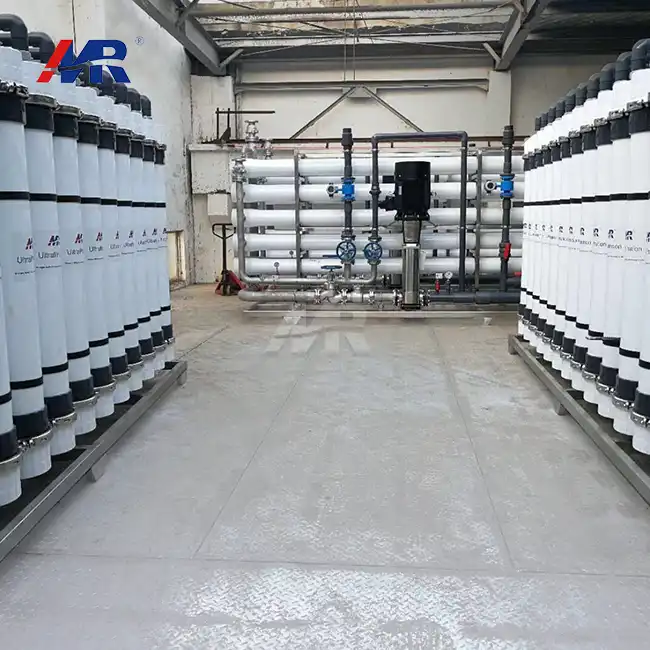
Understanding the Core Technologies Behind Water Purification Systems
How companies handle cleaning issues has been transformed by innovative water treatment solutions. membrane filtration devices are the most advanced water treatment technology available today. They allow you to carefully manage the removal of impurities.
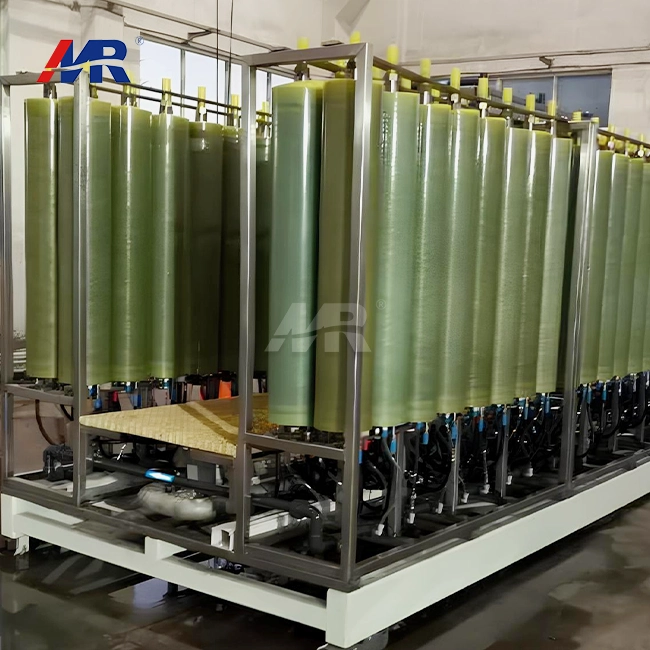
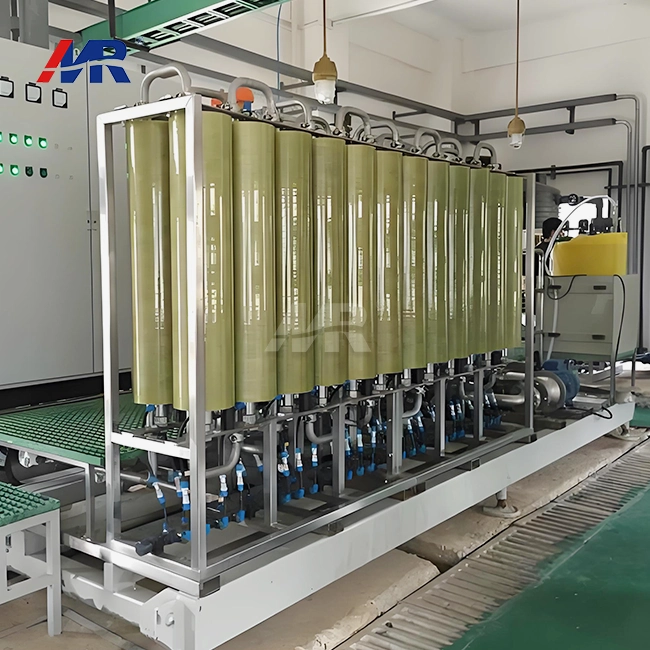
Ultrafiltration, ultrafiltration vs reverse osmosis, is possible because hollow fiber membranes have tiny holes (ranging from 0.01 to 0.1 microns) in them. These barriers are permeable to water and dissolved minerals but impenetrable to macromolecules, particles in suspension, and bacteria. The process requires high flow rates but only requires 10 to 100 psi of pressure.
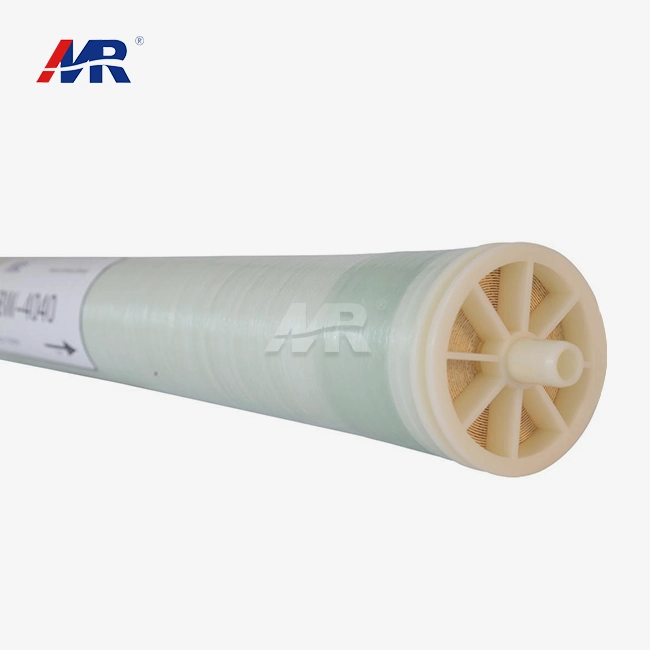
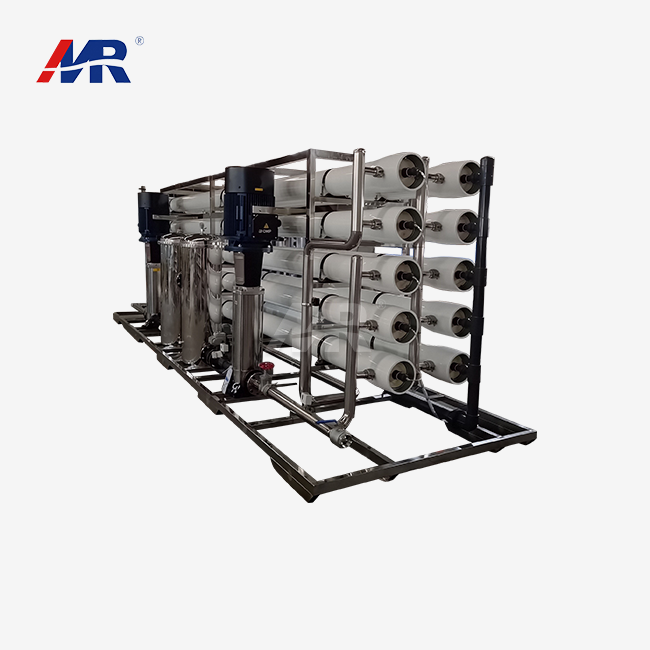
0.0001 micron-sized pores are used in semi-permeable membranes used in reverse osmosis systems. Within this process, pressure pushes water molecules through membranes, but dissolved salts, organic compounds, and most pollutants bigger than water molecules are rejected. Normal working temperatures are between 150 and 600 psi.
This technology is very different from others because of the molecular weight cutoff. Ultrafiltration removes molecules heavier than 100,000 Daltons, while reverse osmosis gets rid of things lighter than 100 Daltons.
With ultrafiltration, you can get rid of bacteria and floating solids while keeping the good minerals.
Membrane Technology: Pore Size and Filtration Mechanisms
How these membrane systems, ultrafiltration vs reverse osmosis, separate things and how the membranes are made are the key things that make them different. They can pick the best water quality options for their needs if they know the difference between these types.
Ultrafiltration Membrane Characteristics:
- Pore size: 0.01-0.1 microns
- Rejection mechanism: Size exclusion
- Membrane material: Polysulfone, polyethersulfone, or PVDF
- Configuration: Hollow fiber or spiral wound
- Operating mode: Outside-in or inside-out flow
Reverse Osmosis Membrane Properties:
- Dense, non-porous structure
- Solution-diffusion mechanism
- Polyamide thin-film composite
- Spiral wound configuration
- Cross-flow operation with concentrate discharge
In industrial settings, tests have shown that ultrafiltration can get rid of 99.9% of germs and 95% of turbidity. When it comes to getting rid of salt and chemical compounds, reverse osmosis systems work 99.7% of the time.
From technology to technology, membrane lifespan changes a lot. Reverse osmosis membranes need to be replaced every two to three years because they are so sensitive. Ultrafiltration membranes, on the other hand, can last up to five years with proper care.
For better water quality goals, reverse osmosis is better at getting rid of all dissolved contaminants, such as salts and organics.
Contaminant Removal Capabilities: What Each Technology Eliminates
Different industries face varying contamination challenges, making it essential to understand each technology's removal capabilities. The effectiveness of contaminant removal directly impacts product quality and regulatory compliance.
Ultrafiltration Removal Spectrum:
- Bacteria: 99.9% removal efficiency
- Viruses: 99-99.9% depending on size
- Suspended solids: Complete removal
- Colloids and turbidity: 95-99% reduction
- Proteins and macromolecules: Effective filtration
- Dissolved minerals: Minimal removal (5-10%)
Reverse Osmosis Elimination Range:
- Dissolved salts: 95-99.7% rejection
- Heavy metals: 95-99% removal
- Organic compounds: 99-99.9% elimination
- Bacteria and viruses: 99.99% removal
- Nitrates and fluorides: 85-95% reduction
- Total dissolved solids: 95-99% reduction
Performance data from drug factories shows that ultrafiltration can make water that is less than 0.1 NTU cloudy. The conductivity of the water in the same facilities with reverse osmosis systems is less than 1 µS/cm, which meets USP guidelines for fresh water.
Fouling resistance varies a lot between systems, ultrafiltration vs reverse osmosis. Ultrafiltration membranes can handle better quality feed water and can recover more quickly from fouling events by backwashing.
If your goal is to get rid of pathogens and particles while keeping important minerals, ultrafiltration is a better way to treat your water.
Energy Consumption and Operating Costs Analysis
Operating costs significantly influence technology selection decisions for businesses. Energy consumption, maintenance requirements, and replacement schedules directly impact the total cost of ownership.
Energy Requirements Comparison:
- Ultrafiltration: 0.1-0.3 kWh per cubic meter
- Reverse osmosis: 3-6 kWh per cubic meter
- Pressure requirements: UF (10-100 psi) vs RO (150-600 psi)
- Pump specifications: UF uses low-pressure pumps
- System efficiency: UF achieves 95-98% water recovery
Maintenance Cost Factors:
- Chemical cleaning frequency: UF (weekly), RO (monthly)
- Membrane replacement intervals: UF (3-5 years), RO (2-3 years)
- Pre-treatment requirements: UF (minimal), RO (extensive)
- Skilled operator needs: UF (moderate), RO (high)
- Spare parts inventory: UF (lower), RO (higher)
The average cost of running an ultrafiltration system is $0.05 per cubic meter, while the cost of running a reverse osmosis system, which includes energy and materials, is $0.15-0.25 per cubic meter.
When getting rid of brine, reverse osmosis systems need to think about a few extra things. The concentrate stream needs to be managed properly, which could add $0.02 to $0.08 per cubic meter to the costs of doing business, based on the rules in the area.
For businesses that want to save money, ultrafiltration is the best way to treat water while using the least amount of energy.
Industry-Specific Applications: Matching Technology to Business Needs
Getting the right technology, ultrafiltration vs reverse osmosis, is very important for having a successful business because each business has different water quality standards. When companies know how other companies use treatment skills, they can better match those skills to their own production goals.
Food and Beverage Industry Applications:
- Ultrafiltration is used to concentrate proteins, clear up juice, and process cheese.
- Reverse osmosis: making bottled water and preparing drink ingredients
- Quality standards: must follow FDA rules and have no taste.
- Production volumes: Need for high efficiency
- Changes with the seasons: Needs for flexible capacity
Pharmaceutical and Biotechnology Uses:
- Ultrafiltration is used to clean proteins, make vaccines, and collect cells.
- Reverse osmosis is used to make APIs and prepare injectable water.
- Compliance with regulations: GMP standards and validation methods
- Water quality: getting rid of endotoxins and controlling bioburden
- Needs for documentation: Quality control and batch records
For making semiconductors, the electronics industry needs ultrapure water. When reverse osmosis is combined with electrodeionization, the resistivity values go above 18 M·cm, which is what is needed for chip cleaning.
Both methods are used in treatment trains at municipal water treatment plants. Ultrafiltration is a good way to treat water before it is made drinkable, and reverse osmosis is the best way to make water drinkable.
Ultrafiltration is better for a wide range of industrial tasks when you need to treat water for more than one process stream.
Performance Comparison: Efficiency, Reliability, and Maintenance
System performance metrics determine long-term operational success. Comparing efficiency, reliability, and maintenance requirements helps businesses make informed investment decisions.
| Performance Factor | Ultrafiltration | Reverse Osmosis |
|---|---|---|
| Water Recovery Rate | 95-98% | 75-85% |
| Filtration Efficiency | 99.9% (particles) | 99.7% (dissolved) |
| System Availability | 98-99% | 95-97% |
| Cleaning Frequency | 1-2 times/week | 2-4 times/month |
| Membrane Life | 3-5 years | 2-3 years |
| Automation Level | Moderate | High |
Reliability data from industrial installations shows that ultrafiltration systems, ultrafiltration vs reverse osmosis, experience fewer unplanned shutdowns due to their robust membrane design. Reverse osmosis systems require more sophisticated monitoring and control systems to maintain optimal performance.
Maintenance Complexity Differences:
- Ultrafiltration: Straightforward backwashing procedures
- Reverse osmosis: Complex chemical cleaning protocols
- Spare parts: UF (standardized), RO (system-specific)
- Training requirements: UF (basic), RO (advanced)
- Troubleshooting: UF (visual inspection), RO (analytical testing)
Fouling patterns vary between technologies. Ultrafiltration experiences a gradual flux decline reversible through cleaning, while reverse osmosis suffers from scale formation and irreversible fouling that reduces membrane lifespan.
If you need reliable water treatment with simplified maintenance procedures, then ultrafiltration is more suitable for facilities with limited Technical support.
Cost-Benefit Analysis: Making the Smart Investment Choice
Before making an investment choice, you need to do a full cost-benefit analysis that looks at long-term value creation, capital costs, and operating costs. Knowing the financial effects helps companies get the most out of their efforts in water treatment.
Initial Capital Investment:
- Ultrafiltration systems: $50,000-200,000 per 100 m³/day
- Reverse osmosis systems: $80,000-300,000 per 100 m³/day
- Installation complexity: UF (moderate), RO (high)
- Infrastructure requirements: UF (basic), RO (extensive)
- Engineering costs: UF (15-20%), RO (20-25%)
Return on Investment Factors:
- Getting better water quality affects product quality
- Avoiding the costs of regulatory compliance
- Less waste and better for the world
- Compared to other methods, it saves energy.
- Automating operations makes them more efficient.
Payback periods typically range from 18-36 months for ultrafiltration systems and 24-48 months for reverse osmosis installations, depending on water costs and production volumes.
Hidden Cost Considerations:
- Membrane disposal and replacement logistics
- Operator training and certification requirements
- Backup system needs for critical applications
- Water quality monitoring equipment
- Regulatory compliance documentation
If you need rapid payback with lower capital investment, then ultrafiltration is more suitable for businesses prioritizing short-term financial returns.
Choosing the Right Technology for Your Business Operations
Selecting appropriate water treatment technology requires careful evaluation of operational requirements, water quality goals, and business constraints. The decision impacts production efficiency, product quality, and long-term profitability.
Decision Matrix Considerations:
- Feed water quality characteristics and variability
- Required product water specifications and standards
- Production capacity and future expansion plans
- Available utility infrastructure and space constraints
- Environmental regulations and discharge requirements
Technical expertise within your organization, ultrafiltration vs reverse osmosis, influences technology selection. Ultrafiltration systems accommodate facilities with basic technical support, while reverse osmosis demands specialized knowledge for optimal operation.
Integration with existing processes affects implementation complexity. Ultrafiltration easily retrofits into existing systems, while reverse osmosis may require extensive modifications to accommodate pressure requirements and concentrate handling.
Risk Assessment Factors:
- Technology maturity and proven track record
- Supplier support and service availability
- Spare parts accessibility and inventory requirements
- Backup options during maintenance shutdowns
- Regulatory compliance documentation needs
If you need flexible water treatment technology that adapts to changing requirements, then ultrafiltration is more suitable for dynamic business environments.
Expert Recommendations: Maximizing Your Water Treatment Investment
Industry experience shows that implementing water treatment systems successfully needs careful planning, the right size of systems, and thorough training for operators. These suggestions help companies stay away from common mistakes and get the most out of their treatment systems.
Best Practices for System Selection:
- Conduct a comprehensive water quality analysis, including seasonal variations
- Define precise product water specifications with appropriate margins
- Evaluate the total cost of ownership over a 10-year operational period
- Consider future capacity expansion and technology upgrade paths
- Assess local service support and technical expertise availability
Before going live on a large scale, pilot testing, ultrafiltration vs reverse osmosis, gives you useful information about how things work. Three-month pilot studies usually cost 5–10% of the total investment, but they greatly lower the risks of operation and improve the design of the system.
Different technologies have very different pre-treatment needs. Ultrafiltration can handle more turbidity and organic matter, but reverse osmosis needs a lot of pre-treatment, like sediment filtration, carbon adsorption, and antiscalant doses.
Implementation Success Factors:
- Proper system commissioning and performance verification
- Comprehensive operator training programs
- Preventive maintenance schedule development
- Water quality monitoring protocol establishment
- Emergency response procedure documentation
Regulatory compliance documentation requires careful planning. Pharmaceutical applications demand extensive validation protocols, while food processing needs HACCP integration and FDA compliance verification.
If you need proven water treatment technology with extensive industry experience, then ultrafiltration is more suitable for risk-averse organizations prioritizing reliability.
Conclusion
Ultrafiltration vs. reverse osmosis is a decision that relies on your business goals, operational limitations, and preferred water quality. Using less energy and being easier to maintain, ultrafiltration is great for getting rid of pathogens while keeping helpful minerals. To get rid of all contaminants, including dissolved salts and organics, reverse osmosis is necessary for high-purity uses. The success of both technologies has been proven to work when they are properly matched to the needs of an application and are backed by experienced engineering teams.
Partner with Morui for Advanced Water Treatment Solutions
Morui stands as your trusted ultrafiltration vs reverse osmosis supplier, combining 14+ years of engineering expertise with comprehensive manufacturing capabilities. Our integrated approach includes membrane production, equipment assembly, and complete system commissioning services. With 500+ dedicated professionals and 20 specialized engineers across our network, we deliver customized water treatment solutions that match your exact specifications. Contact our technical team at benson@guangdongmorui.com to discuss your ultrafiltration vs reverse osmosis requirements and receive detailed system proposals tailored to your business needs.
References
1. Membrane Technology and Applications, Third Edition. Baker, R.W. (2012). John Wiley & Sons.
2. Water Treatment Membrane Processes. American Water Works Association (2005). McGraw-Hill Professional.
3. Handbook of Industrial Membrane Technology. Porter, M.C. (1990). Noyes Publications.
4. Membrane Separation Technology: Principles and Applications. Noble, R.D. & Stern, S.A. (1995). Elsevier Science.
5. Industrial Water Treatment Process Technology. Amjad, Z. (2010). CRC Press.
6. Advanced Membrane Technology and Applications. Li, N.N., Fane, A.G., Ho, W.S.W., & Matsuura, T. (2008). John Wiley & Sons.