_1745823981883.webp)

How Reverse Osmosis Helps Meet Environmental Regulations in Wastewater Treatment
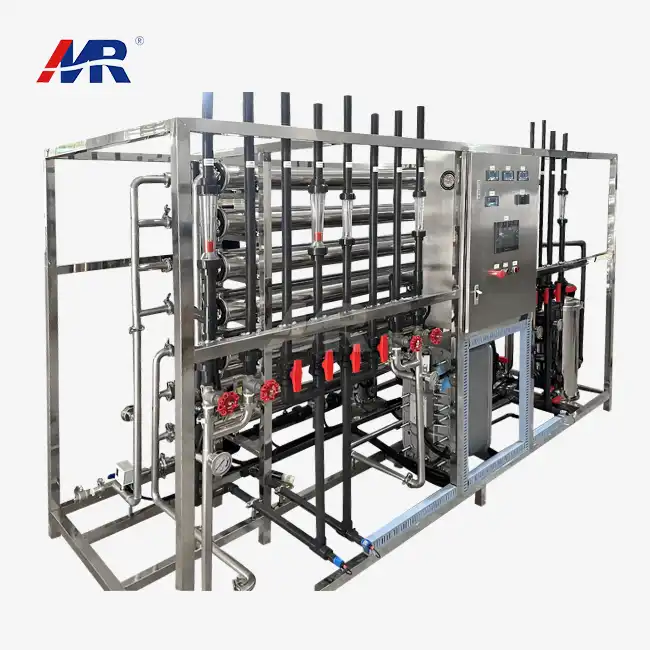
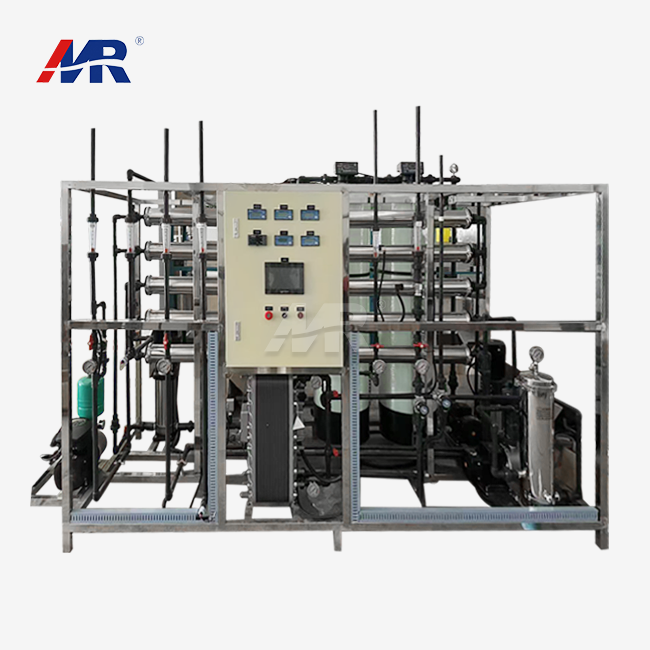
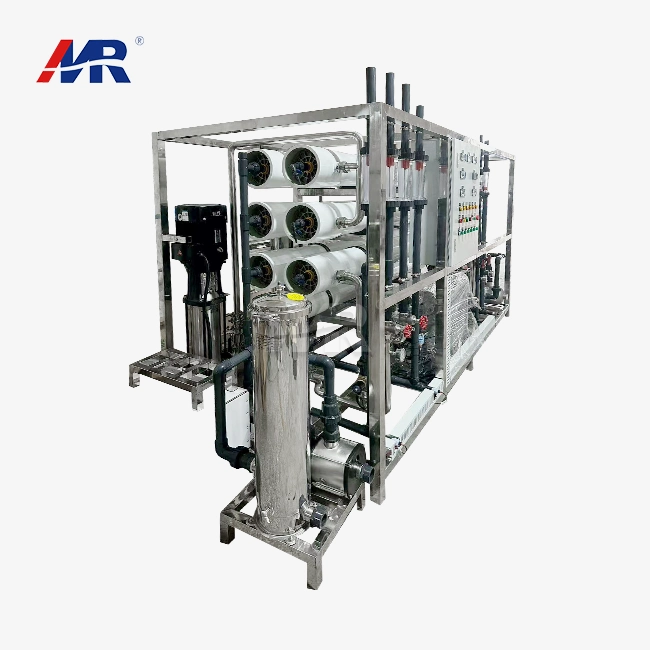
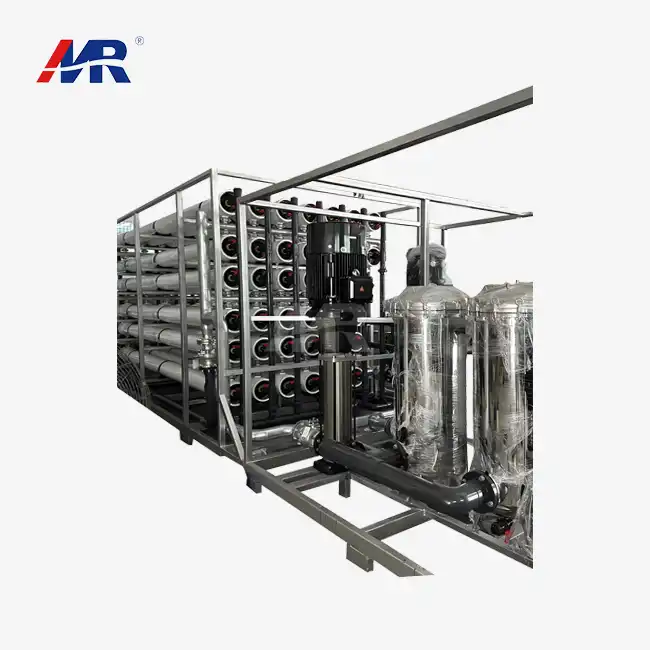
Environmental rules for treating wastewater are getting stricter all over the world, especially in North America and Europe. To meet compliance and green goals, governmental agencies require businesses to use new technologies. Due to its extraordinary capacity to effectively remove a wide range of contaminants from industry effluents, a RO System has become a necessary option. Today's reverse osmosis technology is the best at getting rid of contaminants. It helps sites meet disposal standards and allows water to be reused and resources to be recovered. This all-encompassing method meets both the current needs for compliance and the long-term goals for sustainability that regulatory frameworks are putting more and more emphasis on.

Understanding the Challenges in Wastewater Treatment and Regulatory Requirements
Environmental groups, like the EPA in the US and the European Environment Agency under the EU Water Framework Directive, set strict rules for amounts of contaminants, the quality of flow, and how water can be used again. Over the past ten years, these regulatory systems have changed a lot. For example, discharge limits are getting stricter in many industrial areas.
Complex Pollutant Characteristics in Industrial Wastewater
Heavy metals, organic compounds, pathogens, and new contaminants make industrial wastewater treatment more difficult than ever before. This is because the loads of pollutants are so variable, and standard methods don't work well with them. Manufacturing plants, drug factories, and chemical processing plants all make garbage streams that are very complicated and need advanced cleaning methods.
Standard cleaning methods, such as activated sludge or simple filtration, are often not able to handle the wide range of contaminants and their amounts. Heavy metals like chromium, lead, and mercury need special methods to get rid of them. On the other hand, medicines, poisons, and industrial solvents are examples of organic chemicals that need advanced oxidation or membrane-based separation technologies.
Regulatory Framework Impact on Treatment Technology Selection
It is very important to understand these rules and regulations when choosing treatment methods that will make sure that garbage management is effective and follows the rules. In the US, the Clean Water Act sets specific release limits for different types of industries. In Europe, the Industrial Emissions Directive sets standards for the Best Available Techniques (BAT).
In addition to financial fines, noncompliance can lead to the shutdown of operations, the revocation of permits, and major damage to the organization's image. Recent enforcement measures have led to fines of more than a million dollars for facilities that don't meet discharge standards. This shows how important it is to choose RO system treatment methods that have been shown to work.
How Reverse Osmosis (RO) Systems Address Wastewater Treatment Needs
Semi-permeable membranes are what make reverse osmosis work. They filter out dissolved solids, organic chemicals, and bacteria very well, with rejection rates usually higher than 95% for most contaminants. Because the treatment performance of this membrane-based separation process stays the same no matter how the influent changes, it is perfect for industrial uses.
Advanced Contaminant Removal Capabilities
Modern membrane systems are much better for protecting the environment because they reject contaminants very well, can handle different types of wastewater, and work well with automatic control and tracking systems. The technology gets rid of dissolved salts, heavy metals, organic substances, bacteria, viruses, and a lot of new contaminants that traditional cleaning methods can't handle well.
Performance data from industrial sites show that the RO system consistently and effectively removes different types of contaminants consistently and effectively. Heavy metal removal rates are usually between 95 and 99%, and total dissolved solids decrease rates are usually more than 98%. In several different business areas, these performance levels always meet or go beyond the limits set by regulators for discharge.
Integration with Advanced Process Control
A lot of industry case studies show that membrane technology can lower the amount of pollutants to levels well below the legal limits for discharge. This lets water be used again and again while lowering the damage to the environment. Key performance factors, such as permeate quality, system pressures, and flow rates, are constantly tracked by automated tracking systems. This makes sure that the system works at its best and meets all regulatory requirements.
Reverse osmosis technology is the best way to meet strict wastewater standards and support sustainable water management practices because it works well and can be used in a variety of ways.
Comparative Analysis: RO Systems vs. Traditional and Alternative Wastewater Treatment Solutions
Conventional treatment methods, such as chemical precipitation, biological treatment, and basic filtering, have been the norm for a long time. However, they often have problems with being inefficient, using too many chemicals, and making a lot of sludge. These problems become especially clear when dealing with complicated industrial wastewater streams that have a lot of different contaminants and a lot of different types of wastewater.
Performance Comparison with Conventional Methods
To get treatment levels that are good enough, traditional biological systems need to carefully control the pH, keep the nutrients in balance, and keep the water for long periods of time. A lot of coagulants, flocculants, and pH-adjusting chemicals are used in chemical treatment processes. This leads to high running costs and large amounts of sludge that need to be thrown away.
Advanced options like ultraviolet light, ion exchange systems, RO systems, and membrane bioreactors have a lot of benefits, but they vary a lot in how much they cost, how hard they are to use, and how well they work with different types of wastewater. Ion exchange systems need to be regenerated often and produce waste streams that are very concentrated. UV treatment is great at killing pathogens, but it can't get rid of dissolved solids or heavy metals.
Competitive Advantages of Membrane Technology
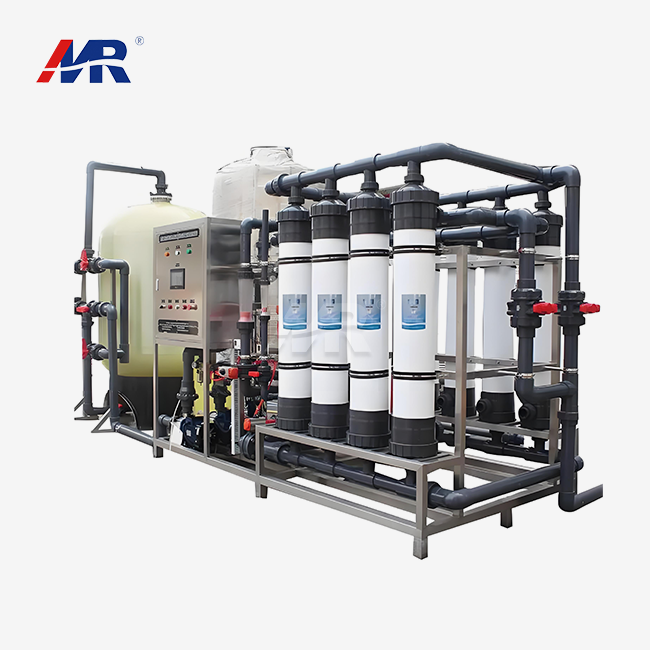
Membrane systems are different because they produce steady, high-purity waste while leaving a smaller footprint and having less of an effect on the environment over time. It works especially well with wastewater from factories and cities, where rules are very strict and limits on how much can be released are getting tighter all the time.
Compared to other cleaning technologies, reverse osmosis systems are now much more cost-effective thanks to energy-efficient designs and new membrane materials. Specific energy consumption levels for modern systems are below 3 kWh per cubic meter of treated water. This makes them competitive with older treatment methods while still producing better waste.
Procurement Considerations for RO Systems in Wastewater Treatment
To choose the right membrane treatment systems, you need to look at all of their features, pricing, and licensing choices. You should also think about whether you want to buy the systems outright or sign a service agreement that lets you expand or improve the technology. The technical requirements must match the specifics of the garbage, the goals of the cleanup, and the rules set by the government.
Critical Evaluation Criteria for System Selection
For good execution and long-term operating success, vendors must offer knowledge, the ability to customize, and full after-sales support. Key evaluation factors include guarantees for membrane performance, the ability to automate the system, the amount of upkeep needed, and scores for energy economy.
Morui offers the best RO system membrane solutions in the business. We focus on creative design, great customer service, and ongoing Technical support, which includes training for operators and in-depth case study materials. Our engineering team works closely with clients to create unique cleanup plans that meet the needs of their wastewater and government rules.
Implementation and Support Strategies
Facilities can speed up rollout and keep operations running smoothly by getting clear instructions on how to buy things, how to pay, and how to integrate new systems. Our all-around method includes thorough site assessments, pilot testing programs, and phased execution plans that keep operations running as smoothly as possible.
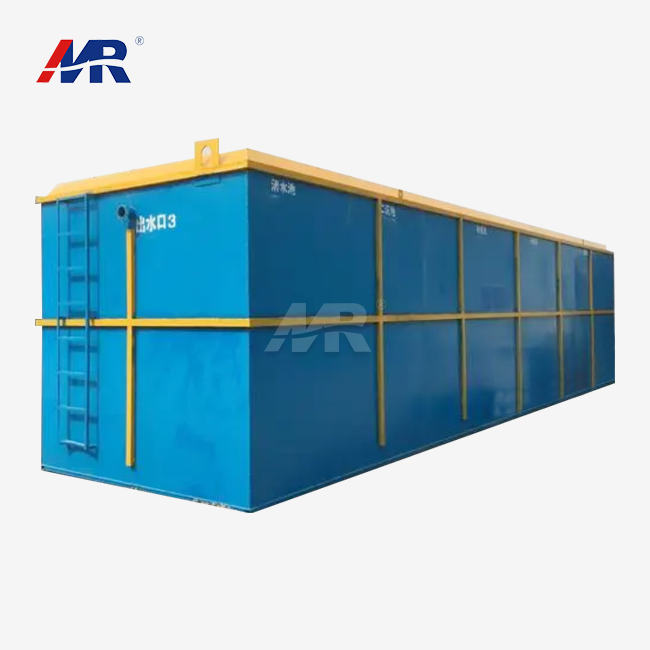
Adding containerized systems can be very helpful for places that need to set them up quickly or provide temporary care. These modular systems offer full treatment capabilities inside standard shipping containers, making installation and start-up quick while still keeping full treatment capabilities.
Best Practices and Future Trends in Using RO Systems for Regulatory Compliance
For membrane systems to work at their best, they need to be closely watched, have preventative maintenance done on the membranes, and be set up in ways that use less energy and keep the process working well. The right pre-treatment design stops membrane fouling and scaling, which makes the membrane last longer and need to be replaced less often.
Optimization Strategies for Enhanced Performance
Here are the most important ways to improve things so that they always follow the rules and work well:
Performance Monitoring and Data Normalization: Keeping an eye on important factors like temperature, permeate flow, feed flow, conductivity readings, and system pressures all the time lets you spot changes in performance quickly and make cleaning plans work better.
Preventive Maintenance Programs: Regularly checking the membrane, making sure the cleaning process works best, and replacing it based on average performance data instead of random time intervals increases system downtime and treatment effectiveness.
Energy Efficiency Optimization: Using variable frequency drives, energy recovery devices, and the right working forces can lower energy use without affecting the performance of the treatment.
These optimization methods solve operating problems well, make sure they always follow the rules, and lower the total cost of ownership.
Technological Innovations and Future Developments
New developments in RO system membrane technology and system automation, like connecting devices to the Internet of Things and using data powered by AI, make it easier to plan preventative maintenance and improve the efficiency of processes. Newer barrier materials are better at keeping contaminants out, moving more fluid, and not fouling up over a wider pH range.
Strategies that look to the future stress the importance of making sure that wastewater treatment is in line with the principles of the cycle economy and getting ready for stricter environmental rules, which will help achieve both compliance and sustainability goals. For some uses, new technologies like forward osmosis, membrane distillation, and mixed treatment systems could be helpful. These technologies also help with water return and resource recovery.
Conclusion
Reverse osmosis technology has been used for a long time and is known to be an effective way to treat wastewater in a variety of business settings. Membrane systems are becoming more and more popular for sites that have to meet strict discharge standards because they can remove a wide range of contaminants and are becoming more and more automated. As rules get stricter and sustainability becomes more important, investment in advanced membrane treatment technology sets facilities up for long-term operating success and helps them meet their environmental stewardship goals. The technology's ability to reuse water and recover resources fits in with new ideas about the cycle economy and government policies that aim for more sustainable water management.
FAQ
Q1: What contaminants can reverse osmosis systems effectively remove from wastewater?
The reverse osmosis screens are very good at getting rid of dissolved salts (95–99%), heavy metals like chromium, lead, and mercury (95–99%), organic compounds, bacteria, viruses, and many new pollutants. Total dissolved solids reduction is one area where the technology works especially well, regularly getting removal rates above 98%.
Q2: How do operational costs compare between RO systems and conventional treatment methods?
The operating prices of modern membrane systems are competitive because they use less energy, chemicals, and produce less sludge than traditional treatment methods. Energy use is usually less than 3 kWh per cubic meter, and total costs are lower because chemicals are used less and sludge is made less.
Q3: Can RO systems be customized for specific wastewater characteristics?
Modern membrane systems can be easily changed to fit specific needs. They can be set up in multiple stages, with different pre-treatment systems or with custom automation packages. The design of the system can handle different flow rates, types of contaminants, and treatment goals while still meeting legal requirements in a range of commercial settings.
Contact Morui for Advanced RO System Solutions
Find out how Morui's cutting-edge reverse osmosis technology can change the way you treat wastewater and make sure you're following the rules. Our experienced engineering team offers full consultations, detailed system designs, and full execution help that are all tailored to your needs. We blend cutting-edge membrane technology with years of experience putting them into practice to provide long-term treatment options as a top RO System maker. Email benson@guangdongmorui.com to learn more about our full range of water treatment options and to set up a one-on-one meeting with one of our technology experts.
References
1. Environmental Protection Agency. "National Pollutant Discharge Elimination System (NPDES) Permit Program." Federal Water Pollution Control Act Implementation Guidelines, 2023.
2. European Environment Agency. "Industrial Emissions Directive: Best Available Techniques for Water Treatment." European Union Environmental Policy Framework, 2022.
3. Water Environment Federation. "Membrane Technology for Industrial Wastewater Treatment: Performance and Regulatory Compliance." Industrial Water Treatment Technical Report, 2023.
4. International Water Association. "Reverse Osmosis Applications in Industrial Effluent Treatment: Case Studies and Performance Analysis." Water Reuse and Recycling Technical Bulletin, 2022.
5. American Water Works Association. "Advanced Membrane Systems for Wastewater Treatment: Technology Assessment and Implementation Guidelines." Water Treatment Technology Review, 2023.
6. National Academy of Engineering. "Sustainable Water Treatment Technologies: Membrane Systems for Environmental Compliance." Environmental Engineering Research Quarterly, 2022.