

_1745823981883.webp)

Understanding the Semi-Permeable Membrane Filter in RO Water Filtration Systems
When making ultra-pure water for important commercial uses, the membrane filter is the process's unsung hero. New technology called semi-permeable membrane screens separates water molecules from almost all types of contaminants. This makes sure that your processes are very clean. These amazing filter shields work at the molecular level to separate things, so only pure water can pass through them. They keep out salts, bacteria, viruses, and other things you don't want. Technology has changed many areas, from making drugs to making electronics. In these areas, the water quality directly impacts the purity of the goods and the business's success.
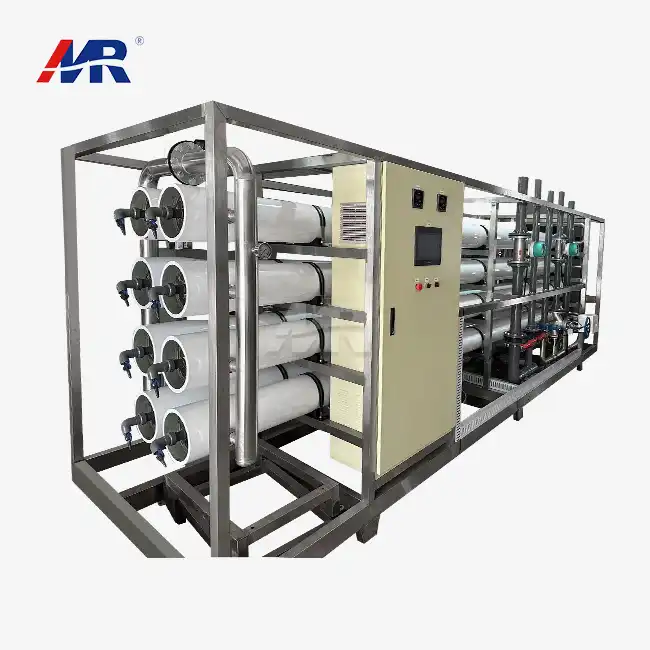
What Is a Semi-Permeable Membrane Filter, and How Does It Work?
Semipermeable membrane filters are the building blocks of reverse osmosis systems. They work as very selective barriers, letting water molecules pass but not contaminants because of their size and chemical structure. The main idea behind it is that water flows through very small holes that are only 0.0001 microns wide, which is 500,000 times smaller than a human hair.
The Science Behind Selective Permeability
A change in osmotic pressure across the surface of the membrane is what makes it work. When more pressure is put on the feed water side than the natural osmotic pressure, only molecules of clean water can pass through the membrane body. Mixed salts, organic substances, and microbes stay in big amounts on the feed side, though. With good filters, this method sorts things very well, stopping up to 99.5% of the solids that have been dissolved.
The polymer matrix in the membrane makes an active layer that is thick and doesn't have any holes in it. This layer is held up by a sublayer that is weak. This thin-film hybrid construction keeps its high selectivity and makes sure it is physically stable. It's very important to pick the right membrane for the job because the chemicals that make up the active layer affect how well it blocks certain contaminants.
Comparison with Alternative Filtration Technologies
Unlike regular depth filters, which catch particles inside their structure, semi-permeable membranes filter at the top while still keeping the particles in. They're great for lab work, but they can't handle the amount of work that needs to be done on a large scale. ro membranes can split molecules at the molecular level, but cartridge filters can only get rid of bigger bits.
The membrane filter technology is better than sand filtration, activated carbon adsorption, or ion exchange resins at getting rid of contaminants that have been dissolved. These methods fix some issues with the water quality, but RO filters are the only ones that clean the water fully all at once.
Types of Membrane Filters and Their Applications in Water Treatment
If you know about all the different kinds of membrane technologies, including the membrane filter, you can choose the best method for your business to clean water. There are different types of membranes that deal with different types of pollution in different places.
Membrane Classification by Pore Size and Rejection Capability
There are holes in microfiltration membranes that are between 0.1 and 10 microns wide. They get rid of germs, big colloids, and particles in the air, but they let salts that have been dissolved through. Before going into RO systems later on, these membranes are great for getting things ready. They make fouling less likely and extend the membrane's life.
To use ultrafiltration, the holes must be between 0.01 and 0.1 microns wide, and the molecular weight must be less than or equal to 500,000 Daltons. Because of this, the protein concentration can be picked when preparing food, and the water's important mineral value can be kept. Businesses use uf membranes to get rid of viruses because they don't need as much energy as RO treatment.
The holes in nanofiltration are about 0.001 microns wide. It is a method that is in between ultrafiltration and reverse osmosis. These barriers stop divalent ions and only let monovalent salts pass through. Because of this, they are great for cooling water and meeting some process needs in business.
Material Composition and Chemical Compatibility
How well the membrane works and how well it stands up to chemicals depend on the material that is used. Most of the time, polyamide thin-film composite membranes are used in industrial RO because they are strong and good at getting rid of salt. But they need feed water that doesn't have chlorine in it so that these things don't break down through oxidation.
They can handle salt water, but they don't get rid of as much water and can only work in a smaller pH range than polyamide membranes. Polyethersulfone and polyvinylidene fluoride (PVDF) are great for ultrafiltration jobs that need strong chemicals to clean them.
The choice between spiral-wound and hollow fiber configurations depends on the needs of the application, like how easy it is to clean, how likely it is to get fouled, and how much space is available. It is easier to control fouling with spiral-wound elements because they make the most of the membrane area in small housings.
Industrial Applications and Microbiological Control
With membrane technology, water treatment plants are getting rid of germs more and more, without having to use chemicals to clean the water. Cities use ultrafiltration systems to get rid of 4 to 6 logs of bacteria and viruses from the water while keeping the good minerals.
Food and drink companies use membrane filter systems to keep the health and taste of their goods while they are being cold sterilized. Ultrafiltration is used to clear drinks without using heat, and it is also used by dairy farms to concentrate proteins.
Key Advantages and Limitations of Semi-Permeable Membrane Filters in RO Systems
The new RO membrane technology makes it easier to clean water than ever before. It also fixes some issues with the old filter tools. People can make better decisions about where to spend their money when they know both the pros and cons of an industrial water treatment system.
Superior Performance Characteristics
Because of these key points, RO membranes are very important for important jobs:
- Very Good at Getting Rid of Pollutants: New thin-film hybrid membranes can get rid of 99.5% of salt and almost all bacteria, viruses, and chemical compounds. This thorough cleaning gets rid of a number of steps that are generally needed to treat water to the same level of quality.
- Membranes that are good at what they do can work well in pH ranges from 2 to 11 and at pressures of up to 600 psi. When the temperature changes or normal stress is put on it, the strong polymer structure doesn't break down.
- It saves energy because new membrane designs increase flow rates while lowering the pressure that is needed. Compared to steam desalination methods, this has lower running costs. Energy return devices make things even more efficient by taking pressure from concentrated streams.
- Even if the feed water changes, membrane systems always provide the same quality of water. This is different from organic treatment methods that are changed by changes in the environment. For businesses that depend on clean water to make good products, like technology and drugs, this reliability is very important.
Together, these pros fix the main issues with old ways of treating water, making them more dependable and less expensive for tough industrial uses.
Operational Considerations and Maintenance Requirements
Fouling of the membranes is the main working problem that needs good control solutions. When there are solids in the permeate, organic matter, or biological growth, they can slow it down and make rejection less effective. It is possible to stop membrane breakdown before it starts by using good pretreatment methods such as multimedia filtration, activated carbon adsorption, and chemical preparation.
To address scaling and fouling, cleaning membranes regularly with acidic and alkaline solutions gets rid of built-up dirt and grime and gets them working right again, including when installing RO systems. Automated cleaning systems cut down on the work that needs to be done, and they clean well every time. Depending on how well they are cared for, membranes can last anywhere from 3 to 5 years in a business setting.
Selecting and Procuring the Best Membrane Filter for Your Business Needs
Procurement staff have to make tough decisions when picking membrane technology for treating water in factories. To be successful, you need to find a balance between the need for performance, the limits of your operations, and your long-term cost worries. You also need to make sure that your sources are trustworthy and can offer expert help.
Defining Technical Requirements and Performance Criteria
Setting clear goals for water quality can help you choose filters and plan systems. Think about the different things that enter the water, such as the total dissolved solids, the organic content, the microbial contamination, and the changes that happen over the course of a year that may affect how often it needs to be cleaned.
The flow rate determines how much membrane area to use and how to set up the system. When demand is high, it may be necessary to have flexible designs so that more capacity can be added without having to change the whole system. The best way to set working settings and the type of material used are both affected by the maximum temperature and pressure.
Supplier Evaluation and Brand Comparison
Membrane Products from top companies like Dow Chemical, Toray, and Hydranautics have been used for a long time and have worked very well. When it comes to rejection rates, resistance to fouling, and working durability, each service has its own advantages.
It's just as important for membrane providers to be able to help with technology issues as it is for the quality of their goods. Comprehensive training programs, help with fixing problems, and the supply of new parts all have a big impact on the long-term success of an operation. Local agents and service networks shorten the time it takes to help people who need it right away.
Strategic Procurement Approaches
When you buy more of something, you get a better deal on the price, and the quality of the membrane stays the same everywhere. It's easier to keep track of supplies and teach workers when you only use a few types of membranes.
When membranes break down for no reason, having an emergency backup store keeps production going. With more than one provider, you can keep your supply line safe and costs low by negotiating with other providers.
Step-by-Step Membrane Filtration Process in RO Water Treatment Systems
When you understand the whole RO process cycle, including installing the RO system, you can find ways to make things better that raise membrane performance while cutting costs. The process gets better with each step, and the barrier lasts longer.
Pre-treatment and Feed Water Conditioning
There is pre-treatment of the feed water that gets rid of chlorine, suspended solids, and other things that hurt membranes before it gets to the RO elements. Screens that are bigger than 10 microns catch particles, and activated carbon adsorption gets rid of chlorine and chemical compounds.
Using chemicals to treat the water changes the pH levels and adds antiscalant to keep minerals from sticking to the membranes' surfaces. For the treatment to work best, computers must always be watching and controlling how much of the drug is given.
High-Pressure Pumping and Membrane Separation
Depending on how salty the water is and what the membrane needs, high-pressure pumps send water to the housings of the membrane at pressures of 150 to 600 psi. Making pumps that use less energy helps keep costs low and pressures steady.
As the water goes into pressure tanks, membrane filter elements separate it into two streams: the pure permeate stream and the concentrated reject stream. Multiple membrane parts linked together in a chain get the most water back while keeping flow rates good everywhere on the membrane.
Post-treatment and Quality Assurance
Most of the time, permeated water needs to have its pH changed and germs killed before it can be used by people. Degasification gets rid of gases that are dissolved in water and can damage distribution systems. Remineralization, on the other hand, adds minerals that drinking water needs.
Systems that work all the time keep an eye on important success indicators like permeate quality, recovery rates, and the difference in pressures between membrane elements. The running settings are changed automatically to keep the membrane working at its best and to make it last longer.
Integration with Existing Infrastructure
It's important to think about space issues, energy needs, and process connection points when putting membrane systems in old wastewater treatment plants. Module-based system designs let installation happen in stages while keeping things running smoothly.
When control systems are combined, they can run under control and keep track of many treatment processes from one place. Modern SCADA systems let people fix problems and make things run more efficiently from afar.
Conclusion
Semi-permeable membrane screens are very reliable and can clean water in ways that have never been seen before. They have changed a lot about how commercial water is handled. The technology helps with big issues in areas like medicine, electronics, food processing, and city water treatment, where the quality of the water directly impacts the goods made and the business's success. You can buy things that will last and save you money in the long run if you know how to pick the right membrane, what it needs to do its job, and how to keep it in good shape. The better the materials and ways used to make membranes, the better they will work and the longer they will last in industrial settings.
FAQ
1. What factors determine the appropriate membrane pore size for specific applications?
You pick the membrane hole size based on the contaminants you want to get rid of and the quality of water you want to achieve. Ultrafiltration membranes with pores as small as 0.01-0.1 microns keep proteins and bacteria but get rid of dissolved salts and small organic molecules. When picking a membrane technology, you should think about molecular weight cut-off numbers and the unique properties of contaminants.
2. How long do RO membranes typically last in industrial applications?
Business RO membranes can last three to five years if they are cleaned and cared for properly. How long a membrane lasts depends on the feed water quality, how it is used, how often it is cleaned, and how the maker makes sure it is done right. Making sure that the performance is checked on a regular basis lets you plan ahead for replacements so that problems don't appear out of the blue.
3. Can membranes be cleaned and reused, or do they require replacement?
Two different types of treatments can be used more than once to clean good RO filters and get rid of the dirt and grime that has built up. If the right cleaning methods are used, 85 to 95% of the membrane's natural function can be restored. But membranes need to be changed every so often because cleaning them won't keep the rejection and flux rates at a good level.
Partner with Morui for Premium Membrane Filter Solutions
The people at Guangdong Morui Environmental Technology have worked with industrial water treatment systems for more than ten years. They can give you a lot of different membrane filter choices that are made to fit your needs. The MR-8040 thin-film composite membranes we sell can handle 99.5% of salt and are very not likely to get clogged, so they can be used in a lot of tough industrial settings. We offer full turnkey solutions, from the first meeting to ongoing expert support. We have 14 sites across the country, 500 dedicated employees, and our own plant for making membranes. Contact our knowledgeable staff at benson@guangdongmorui.com to talk about your water treatment issues and learn why top manufacturers rely on Morui membrane filters for important jobs.
References
1. Membrane Technology and Applications, Third Edition. Baker, Richard W. John Wiley & Sons, 2012.
2. Reverse Osmosis: Design, Processes, and Applications for Engineers. Kucera, Jane. Scrivener Publishing, 2015.
3. Handbook of Industrial Membrane Technology. Porter, Mark C. Noyes Publications, 2016.
4. Water Treatment Membrane Processes. American Water Works Association. McGraw-Hill Professional, 2018.
5. Industrial Water Treatment: Membrane Filtration Technologies. Chen, Vincent and Fane, Tony. CRC Press, 2019.
6. Advanced Membrane Technology and Applications. Li, Naiying and Fane, Anthony G. John Wiley & Sons, 2021.
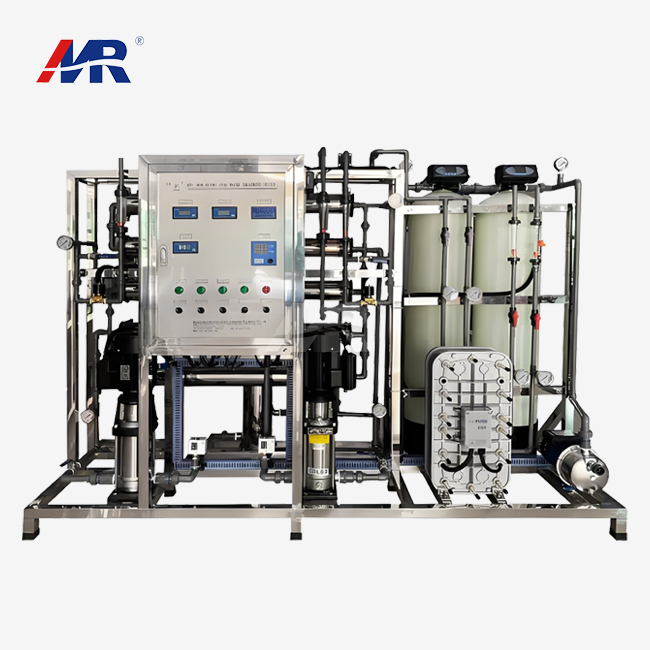 VIEW MORE500LPH EDI equipment
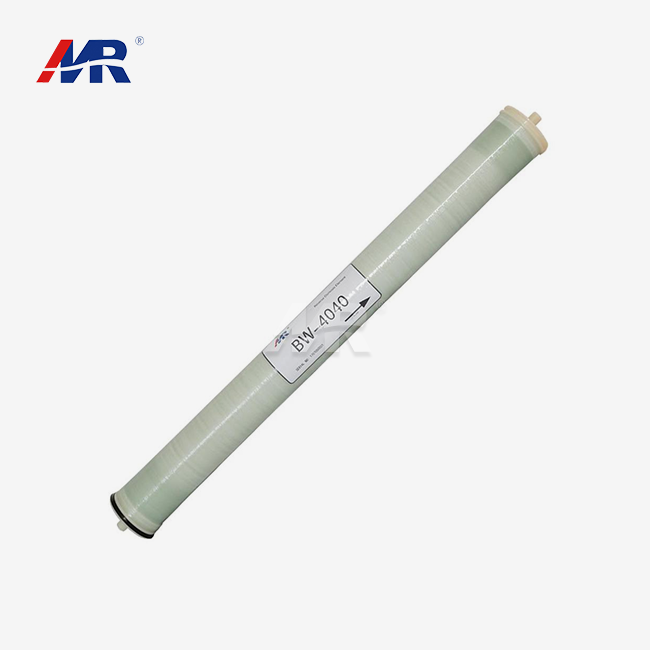 VIEW MOREindustrial ro membrane
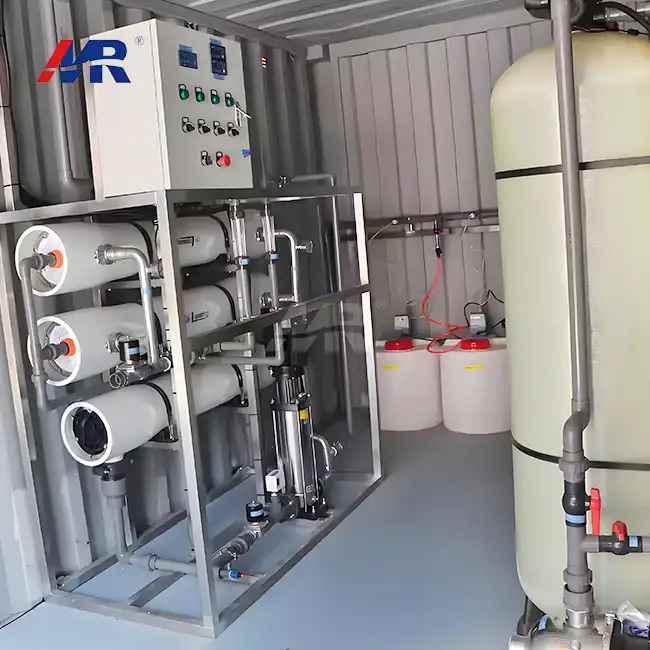 VIEW MOREcontainer 3m3/hour RO equipment
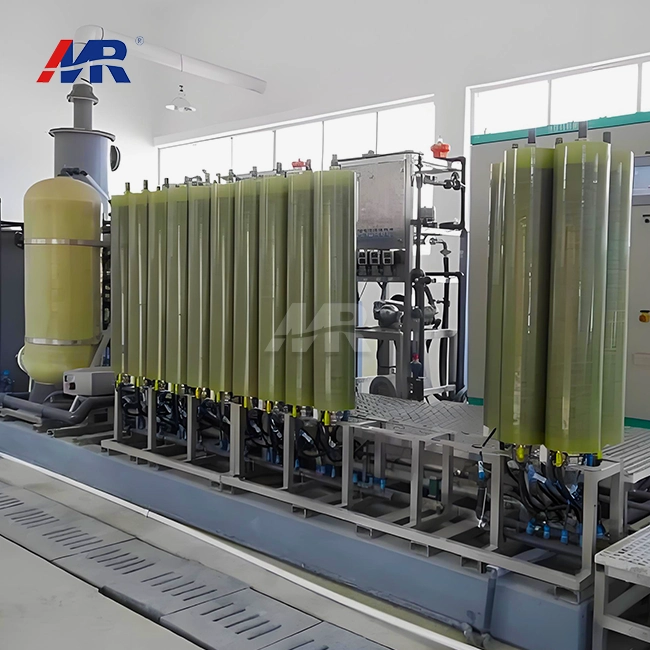 VIEW MOREDTRO Landfill Leachate Treatment
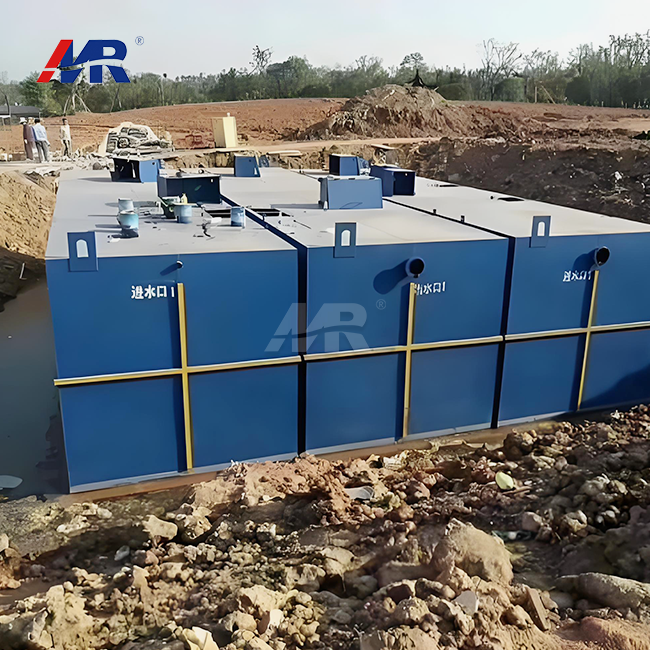 VIEW MOREwastewater treatment plant units
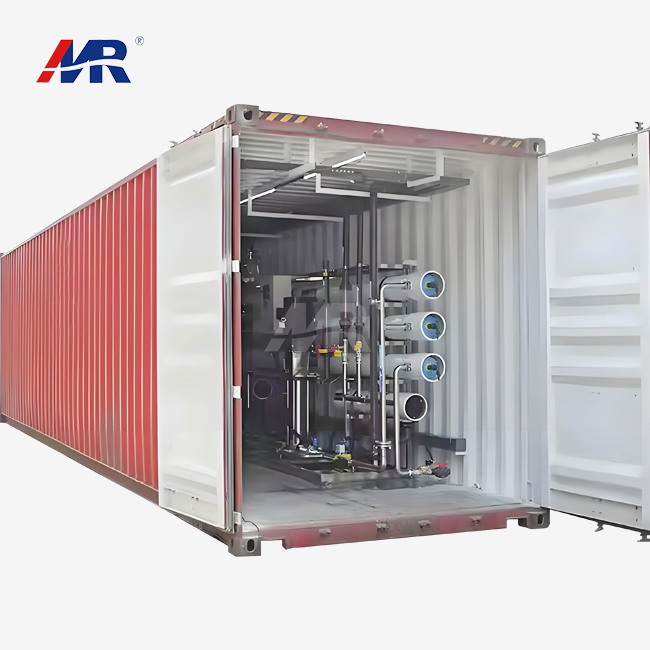 VIEW MOREContainerized Reverse Osmosis Systems
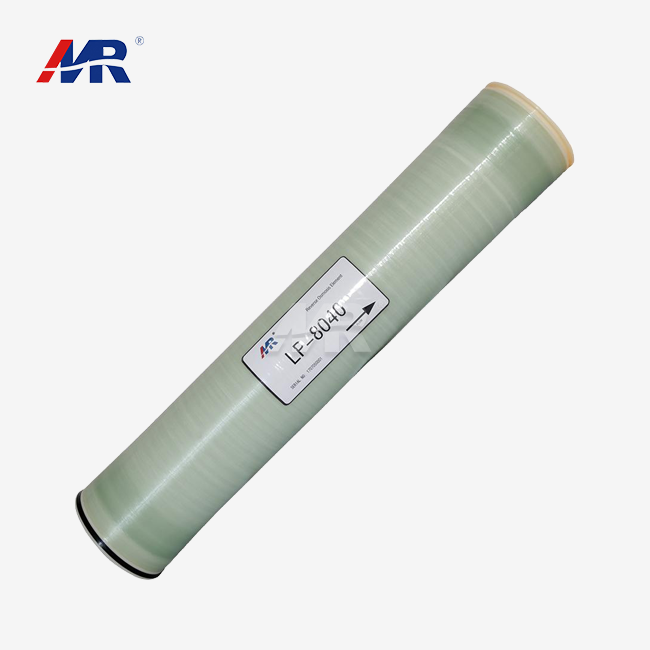 VIEW MOREreverse osmosis membrane
 VIEW MORE3T/H reverse osmosis equipment
