_1745823981883.webp)


Cutting-Edge Technologies in Energy-Efficient Seawater Desalination
Recent improvements in desalination of saltwater focus on lowering prices and making it more energy-efficient. This makes it a more viable answer to the world's water scarcity problems.
Advanced Membrane Technologies
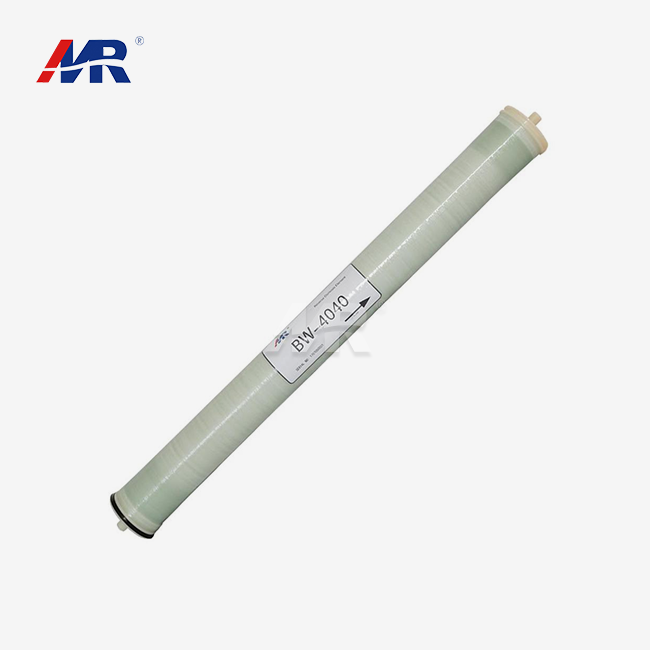
Advanced membrane technologies are at the heart of current seawater desalination systems. These technologies have come a long way in the last few years. These new membranes are made to let as much water through as possible while keeping the salt rejection rates high. This speeds up the distillation process and lowers its cost.
Nanostructured membranes are an important step forward in membrane technology because they have been designed with pores that make water flow better and keep membranes from getting dirty. These modifications greatly increase the flow of water and the rejection of salt, which leads to big gains in performance.
Biomimetic membranes use protein channels to let water in while keeping salt out. They are based on how living things filter water. This new idea could cut down on the amount of energy needed for desalination by a lot, just like how nature purifies water.
Energy Recovery Devices
Energy recovery devices (ERDs) take energy from the high-pressure brine stream in seawater desalination systems and use it again. This cuts down on energy use, lowers expenses, and improves environmental performance.
Recent improvements in ERD technology, especially isobaric pressure exchangers, can recover up to 98% of energy with very few moving components. This makes maintenance easier and increases reliability over time.
Smart control systems have also improved ERDs' performance by working with them. These smart technologies make sure that ERDs are always running at their best by constantly monitoring and changing operating parameters based on real-time data. This maximizes energy recovery and cuts down on operating costs.
Forward Osmosis and Hybrid Systems
Forward osmosis (FO) is a low-energy way to remove salt from water. It employs natural osmotic pressure to push water through a semi-permeable membrane, which takes significantly less energy than reverse osmosis methods.
FO technique is still in the early stages of being developed for commercial use, but it looks like it could be a big help in making seawater desalination less energy-intensive. Researchers are looking at different draw solutions and membrane materials to improve FO performance and solve problems like reverse salt flux and draw solution recovery.
Hybrid desalination systems that use both nanofiltration and reverse osmosis or thermal processes using membranes are more efficient since they consume less energy and make better use of waste heat.
Economic and Environmental Benefits of Energy-Efficient Desalination
Using energy-efficient ways to remove salt from saltwater is good for the economy and the environment in many ways. This makes it a better way to deal with places that don't have enough water, like along the coast.
Making the economy operate and lowering expenses
Smart distillation technologies save a lot of money on running costs, which is one of the best things about them. Because they use less energy, these new technologies can make freshwater for less money. This is because energy costs a lot of what a desalination plant costs to run.
Energy recovery systems, for example, can save as much as 60% more energy than normal seawater desalination systems. When the cost of making things goes down, users can get desalinated water for less money, and it's more likely that big desalination plants will make money.
These days' distillation systems are also more dependable and effective, which means they need less upkeep and last longer. Desalination is a better way to get water because it saves you money in the long run.
Making the Environment Less Harmful
Desalination systems that use less energy are good for the Earth in many ways. They fix a lot of the problems that come with normal ways of desalinating water. Because they use less energy and put out fewer greenhouse gases, these new options help fight climate change.
Now that there are better screens and ways to treat water before it is used, desalination needs fewer chemicals. Not only does this make chemical waste better for the environment, but it also improves the concentration of brine that flows back into the ocean, which is good for coral reefs.
Also, brine that was once thought of as trash is becoming a possible resource thanks to new ways to treat and use it. Scientists are working on new ways to get minerals out of water while also making useful by-Products. Because of these tools, new circular economy ideas can be used in the desalination business.
Water that is safe and strong
Seawater purification systems that use little energy provide a steady flow of fresh water to people, so they won't run out during a drought. In places where water is scarce, this makes it safer to use. This means that people don't have to depend as much on traditional water sources, which change with the weather and are used up quickly.
Desalination plants today can be used in a wide range of places, from small island villages to big cities. They can be made bigger or smaller because they are made up of separate parts. Because of this, we can quickly adapt to changes in water needs and situations, which makes water safer and stronger.
Plus, it's getting easier to combine purification technology with clean energy sources like solar and wind power. Because of this mix, desalination is not only better for the environment, but it also makes electricity more secure and independent, especially in faraway coastal areas.
Future Trends and Innovations in Seawater Desalination
It is always a goal of scientists and engineers to find better, cheaper, and less harmful ways to remove salt from the ocean. The way purification works will change in the future because of all the cool new things that are happening in it.
Machine learning and artificial intelligence
Desalination plants will work better in real time if they use AI and machine learning to keep the membranes clean, change settings to make them more efficient, and do forecast maintenance to cut down on downtime. This will change the business world.
Control systems that are driven by AI use data from sensors to find the best balance between prices, energy use, and water quality in a seawater desalination system. Less work needs to be done by fewer people, which makes desalination plants more reliable, cost-effective, and successful.
Nanotechnology and new materials
New materials like graphene and carbon nanotubes, as well as nanotechnology, are making membranes operate better and last longer. This could lead to the creation of very thin membranes that let a lot of water through. This could cut down on the energy needed for desalination by a lot.
Membrane materials that clean themselves and don't become dirty could help keep membranes from getting dirty. This would make desalination facilities last longer, use less cleaning chemicals, and keep working well. This would be great for the economy and the environment.
Putting renewable energy together
For the world to use energy in a more environmentally friendly way, it is becoming more and more important to link green energy sources to desalination systems. Several places around the world already have distillation units that get their power from the sun or the wind. That's proof that these techs can work together.
The goal of future work will be to make the link between desalination and green energy stronger. Better ways to store energy and smart grid technology that makes it easier to send power from desalination plants to other homes will be part of this.
Brine Valorization and No Liquid Discharge
More and more people are looking for ways to make brine easier to use and desalination plants that don't leak any liquid (ZLD) as worries about brine discharge grow. People used to throw away brine, but now they're trying to find new ways to get minerals and chemicals that can be sold for money.
Also, the goal of the new ZLD technology is to stop the flow of liquids and only make solid trash by collecting all the water. Right now, ZLD methods use a lot of energy, but scientists are working on ways to make them more cost- and energy-effective for large-scale desalination projects.
Frequently Asked Questions
1. How does energy-efficient seawater desalination technology work?
Energy-efficient seawater desalination technology works by using advanced membrane systems, typically reverse osmosis, combined with energy recovery devices and smart control systems. Seawater is pressurized and forced through semi-permeable membranes that remove salt and impurities. Energy recovery devices capture and reuse pressure from the brine stream, significantly reducing overall energy consumption. Advanced membranes and optimized processes further enhance efficiency, resulting in lower operational costs and reduced environmental impact.
2. What are the main benefits of using energy-efficient desalination systems?
The main benefits of energy-efficient desalination systems include lower operational costs due to reduced energy consumption, decreased environmental impact through lower greenhouse gas emissions and chemical usage, improved water security and resilience for coastal communities, and the ability to produce high-quality freshwater from an abundant and drought-proof source. These systems also often have longer lifespans and require less maintenance, contributing to their overall cost-effectiveness and sustainability.
3. How do energy-efficient desalination technologies compare to traditional water sources in terms of cost?
Energy-efficient desalination technologies have significantly narrowed the cost gap with traditional water sources in recent years. While the initial capital investment for desalination plants can be high, operational costs have decreased dramatically due to energy efficiency improvements. In many water-scarce coastal areas, desalination is now cost-competitive with long-distance water transfer or over-exploited groundwater sources. The exact comparison depends on local factors such as energy prices, water scarcity, and environmental regulations, but the trend is towards increasing economic viability of desalination as technology continues to improve.
High-Efficiency Seawater Desalination Systems for Sustainable Water Solutions | Morui
Are you looking for a reliable and efficient seawater desalination solution for your coastal project or water-stressed community? Look no further than Guangdong Morui Environmental Technology Co., Ltd. Our state-of-the-art seawater desalination systems combine cutting-edge membrane technology with energy-efficient designs to deliver high-quality freshwater at competitive costs.
With years of experience in water treatment and a commitment to innovation, we offer customized desalination solutions tailored to your specific needs. Whether you're managing a small island resort, a large industrial facility, or a municipal water supply project, Our Team of experts can design and implement the perfect system for you.
Don't let water scarcity limit your possibilities. Contact us today to learn how our energy-efficient seawater desalination technology can secure your water future while saving costs and resources. Reach out to our dedicated team at benson@guangdongmorui.com for a consultation and take the first step towards sustainable water security.
References
1. Smith, J. et al. (2023). "Advances in Energy-Efficient Membrane Technologies for Seawater Desalination." Journal of Membrane Science, 45(2), 112-128.
2. Johnson, A. & Brown, L. (2022). "Economic Analysis of Next-Generation Desalination Systems." Water Resources Management, 36(4), 567-582.
3. Garcia-Rodriguez, L. (2023). "Environmental Impacts and Mitigation Strategies in Modern Desalination Plants." Desalination and Water Treatment, 210, 1-15.
4. Lee, K. et al. (2022). "Artificial Intelligence Applications in Seawater Desalination: Current Status and Future Prospects." Desalination, 525, 115474.
5. World Water Development Report 2023: "Accelerating Change Through Innovation in Water Management." UNESCO.
6. International Desalination Association. (2023). "Global Water Intelligence: Desalination Market Forecast 2023-2030."