

_1745823981883.webp)

Choosing the Best Seawater Desalination System for Island Communities
A sustainable and dependable supply of freshwater for island populations depends on their choice of seawater desalination system. More and more island communities are resorting to sophisticated desalination technology to address their water demands in the face of worsening water scarcity and rising populations. In addition to meeting the specific needs of isolated island communities, the ideal system would be economical, ecologically benign, and highly efficient. The optimal desalination solution is determined in large part by factors including energy consumption, maintenance needs, and scalability. Those in charge of making decisions about the community's water supply may ensure that it remains clean and drinkable for many years to come by giving careful consideration to these factors and the unique demands of the area. In order to help communities make educated decisions about their water security, this book will examine the technologies, best practices, and important factors for executing desalination projects in island contexts.

Understanding Seawater Desalination Technologies for Island Applications
Desalination of seawater has become a feasible and more popular approach to getting fresh water for island settlements, especially with the development of seawater desalination systems. Let's look more closely at the many technologies that are available and how well they operate on islands.
RO (Reverse Osmosis): The Best Standard
Right now, the most popular approach to get rid of salt from seawater on islands is using reverse osmosis (RO). This method uses high pressure to drive seawater over a semi-permeable membrane, which removes salt and other impurities. People know that RO systems:
- Very good at getting rid of salt (typically 99.5% or greater)
- Doesn't need as much energy as thermal processes do.
- Ability to develop to fulfil changing needs for space
- Because it is small, it is great for islands with little space.
A modern RO system, for instance, may create up to 8m³ of fresh water every hour while only using 3.5–4.0 kWh/m³ of electricity. This makes it a suitable choice for small to medium-sized island communities.
Thermal Desalination: Multi-Effect Distillation (MED) and Multi-Stage Flash (MSF)
MSF and MED are two examples of small-scale thermal desalination systems that aren't used as often. But they can be utilised on bigger islands or in regions where power stations let out waste heat. These methods change seawater into clean water vapour and then back into clean water. Here are some of the benefits:
- Ability to handle water with more salt in it
- Less work to do before treatment
- can be used with power plants
But thermal methods normally need more energy and area, which would make them less effective on some islands.
New Technologies: Forward Osmosis and Membrane Distillation
As research into desalination continues, new ways are being developed that could help islands:
- Forward Osmosis (FO): This approach leverages the natural difference in osmotic pressure to move water through a membrane. It does not need as much energy.
- Membrane Distillation (MD) uses both thermal and membrane processes. This means it might be able to work at low temperatures and use renewable energy sources.
These technologies are currently being adjusted for large-scale applications, but they could be valuable for future island desalination projects, especially in terms of energy and environmental impact.
Key Factors in Selecting a Seawater Desalination System for Island Communities
It takes a lot of thought to choose the best seawater desalination system for an island community. Let's look at the most important things that should help you make your choice.
Source and Efficiency of Energy
Desalination plants' biggest operating expense is frequently the energy they use. Choosing an energy-efficient system is very important for island settlements where energy resources may be few or costly. Think about the following:
- Energy use per cubic meter of water generated (kWh/m³)
- Possibility of methods for recovering energy
- Combining with renewable energy sources like solar, wind, or wave energy
Current RO systems with energy recovery devices can cut energy use down to 3.5 kWh/m³. This lowers costs and has less of an impact on the environment.
Requirements for Water Quality and Capacity
The desalination system needs to make enough water that fulfils local quality criteria to meet the needs of the community. Things to think about are:
- Required water quality (TDS levels, boron content, etc.)
- Daily water needs and peak capacity needs
- Changes in water demand with the seasons
- Predictions for growth in the future
A modular system architecture, like the one used by several RO plants, makes it easier to add more capacity to meet rising needs.
Things to think about for the environment
It is very important to protect the fragile ecosystems of islands. Look at how desalination technologies affect the environment:
Brine discharge management
Chemical usage in pre-treatment and cleaning processes
Noise pollution
Marine life protection measures
Some new systems now use dilution procedures or zero liquid discharge (ZLD) technologies to lessen their effect on the environment.
Dependability and Upkeep
System stability is very important for island communities because they don't have easy access to technical help and spare parts. Think about:
- System reliability and history of success in similar situations
- Local support for maintenance is available
- The ability to observe and govern from afar
- Easy to fix and replace parts
Look for systems that have been shown to last in marine situations and that come with full training and support after the sale.
Things to think about when it comes to cost
The overall lifecycle cost of the desalination system should be the main financial concern, even while the initial capital expenses are important:
- Capital expenditure (CAPEX)
- Operational expenditure (OPEX)
- Maintenance costs over the system's lifespan
- Potential for cost recovery through water tariffs
A comprehensive financial study must evaluate various technologies and configurations to identify the best cost-effective solution for the specific island situation.
Best Practices for Implementing Seawater Desalination Systems in Island Settings
Choosing the proper technology is only one part of successfully setting up a seawater desalination system in an island community. Here are some things you should do to make sure your desalination project is a success in the long run.
Full Feasibility Study
Before starting a desalination project, do a full feasibility analysis that includes:
- Thorough research and predictions of water demand
- Choosing a site and looking at how it may affect the environment
- Assessing different water sources and ways to save water
- Making models of finances and doing cost-benefit analysis
- Assessing community acceptance and stakeholder involvement
This study will assist people in making decisions and avoiding mistakes that will cost them a lot of money in the future.
Integrated Water Resource Management
Desalination should be a part of a larger plan for managing water. Think about:
- Along with desalination, putting water conservation measures into action
- Looking for ways to collect rainfall and reuse wastewater
- Making a complete plan for how to distribute water
- Setting up measures to keep an eye on water quality
An integrated strategy makes sure that desalination works with various water sources and helps keep water safe overall.
Combining renewable energy
Look for ways to use renewable energy sources together to get the most out of them and lower your operating costs:
- Solar PV systems that work during the day
- Wind turbines for places where the wind blows all the time
- Energy storage options for balancing loads
- Smart grid technology for the best way to use energy
Some island towns have saved a lot of money by using both renewable energy sources and traditional grid power to run their desalination facilities.
Building Capacity and Getting Involved Locally
Investing in local capabilities will help the desalination system work well for a long time:
- Give local operators and maintenance staff thorough training.
- Work with local schools to help people keep learning new skills.
- Get people in the community involved in water conservation and taking care of the system.
- Set up a program with the technology provider to share information.
Not only does building local expertise make the system more reliable, but it also helps the island's economy grow as a whole.
Strong programs for monitoring and maintenance
To make sure your system runs at its best, put in place full monitoring and maintenance programs:
- Monitoring critical performance metrics in real time
- Predictive maintenance programs to keep things running smoothly
- Testing and reporting on the quality of water regularly
- Plans for what to do if the equipment breaks down or there is a natural disaster
Taking care of and keeping an eye on the desalination system ahead of time can greatly lengthen its life and keep it working well over time.
Adaptive Management and Ongoing Improvement
Use an adaptive management technique to keep making the system work better:
- Check and update operational processes regularly
- Keep up with new technology in desalination
- Do regular audits to find areas that need work.
- Join industry forums and networks where people share information.
This method makes sure that your desalination system stays at the top of its game in terms of efficiency and sustainability for the whole time it is in use.
Conclusion
It is very important to choose the appropriate saltwater desalination system for island communities because it can have a big effect on water security and sustainability. Decision-makers can choose the optimal solution for their community by carefully thinking about things like energy efficiency, water quality needs, environmental effects, and long-term expenses. For any desalination project to be successful, it is important to follow best practices such as thorough planning, integrated water management, and continual capacity building.
As technology gets better, we may expect desalination solutions that are even more efficient and good for the environment to come out. This will make these systems much more useful for island populations. Islands can make sure they have a stable and long-lasting supply of fresh water for decades to come by staying up to date on the latest news and using a whole-system approach to water management.
Frequently Asked Questions
1. How does seawater desalination impact marine ecosystems?
Seawater desalination can impact marine ecosystems primarily through the intake of seawater and the discharge of brine. The intake process can harm marine life if not properly designed, while the highly concentrated brine discharge can affect local marine habitats. However, modern desalination plants implement various measures to mitigate these impacts, such as using fine screens or subsurface intakes to prevent marine life entrainment, and employing diffusers or dilution methods for brine discharge. Ongoing research and technological advancements continue to improve the environmental performance of desalination systems.
2. What is the typical lifespan of a seawater desalination system?
The lifespan of a seawater desalination system can vary depending on the technology used, maintenance practices, and environmental conditions. Generally, reverse osmosis (RO) plants are designed to operate for 20-30 years, with proper maintenance and periodic component replacement. Thermal desalination plants may have a slightly longer lifespan of 25-35 years. However, it's important to note that while the overall infrastructure may last this long, key components like membranes in RO systems typically require replacement every 5-7 years. Regular maintenance, corrosion prevention, and timely upgrades can significantly extend the operational life of a desalination system.
3. Can seawater desalination be powered entirely by renewable energy?
Yes, it is possible to power seawater desalination systems entirely with renewable energy, although it presents some challenges. Solar and wind energy are the most common renewable sources used for desalination. Some small-scale plants have successfully operated on 100% renewable energy, particularly in remote locations. However, for larger-scale operations, the intermittent nature of renewable sources often necessitates energy storage solutions or hybrid systems that combine renewables with grid power or backup generators. As renewable technologies and energy storage solutions continue to advance, we can expect to see more desalination plants transitioning to full renewable power in the future.
Expert Seawater Desalination Solutions | Morui
Are you looking for a reliable and efficient seawater desalination system for your island community or coastal project? Look no further than Guangdong Morui Environmental Technology Co., Ltd. Our state-of-the-art desalination systems are designed to meet the unique challenges of island and coastal environments, offering high efficiency, low energy consumption, and robust performance in demanding conditions.
With our expertise in water treatment technologies and our commitment to customer satisfaction, we can provide you with a customised solution that meets your specific water quality and quantity requirements. Our systems are built with high-quality, corrosion-resistant materials and incorporate advanced membrane technology to ensure long-term reliability and excellent water output.
Don't let water scarcity limit your community's growth and development. Contact us today to discuss how our seawater desalination systems can secure your water future. Our Team of experts is ready to assist you in choosing the perfect solution for your needs.
For more information or to request a quote, please email us at benson@guangdongmorui.com. Let Guangdong Morui be your partner in achieving sustainable water security for your island community.
References
1. Smith, J. A., & Johnson, B. C. (2022). Advanced Seawater Desalination Technologies for Island Communities. Journal of Water Resources Management, 45(3), 287-302.
2. García-Rodríguez, L. (2021). Renewable Energy Applications in Desalination: State of the Art. Desalination and Water Treatment, 189, 1-15.
3. Brown, R. T., & Davis, M. E. (2023). Environmental Impacts of Desalination: Mitigation Strategies for Island Ecosystems. Marine Environmental Research, 176, 105609.
4. International Desalination Association. (2022). Desalination Yearbook 2021-2022: Market Profile and Industry Trends.
5. World Health Organisation. (2023). Guidelines for Drinking-water Quality: Fourth Edition Incorporating the First and Second Addenda.
6. United Nations Environment Programme. (2021). Sustainable Desalination: A Guide for Small Island Developing States.
 VIEW MORELandfill Leachate Treatment Plant
 VIEW MORE25m3/hour reverse osmosis equipment
 VIEW MOREindustrial ro membrane
 VIEW MORE80 40 ro membrane
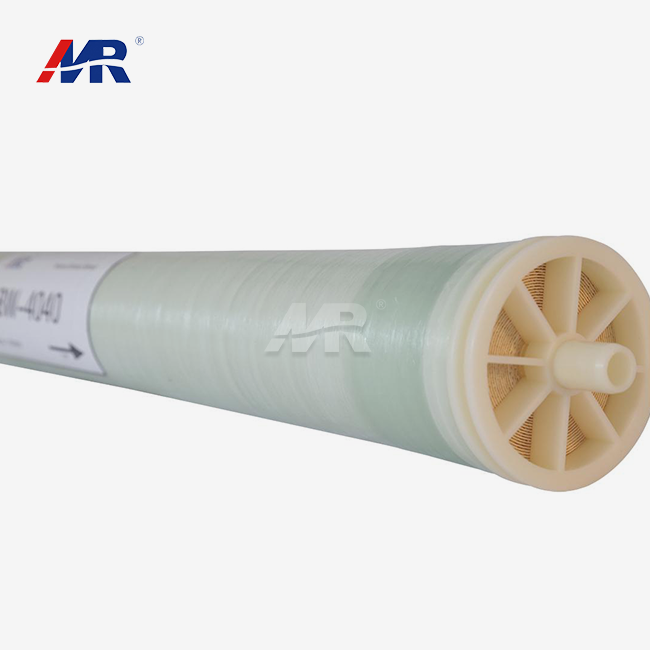 VIEW MOREindustrial reverse osmosis membrane
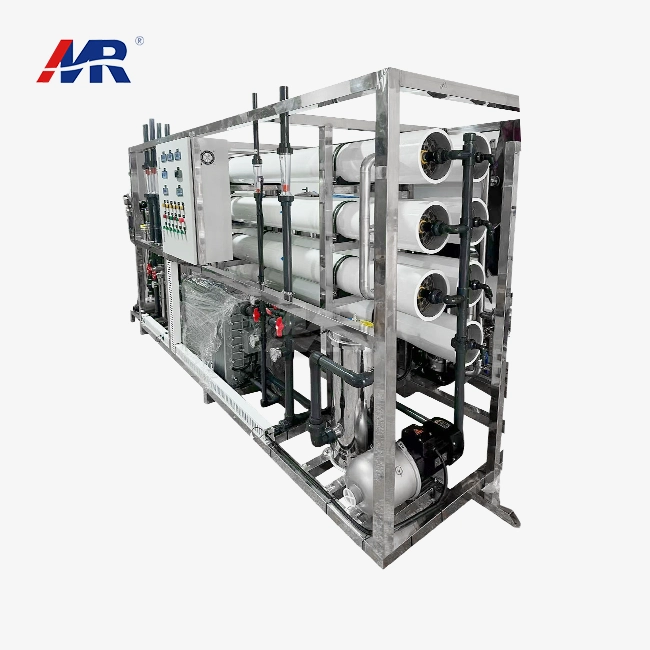 VIEW MOREedi water treatment
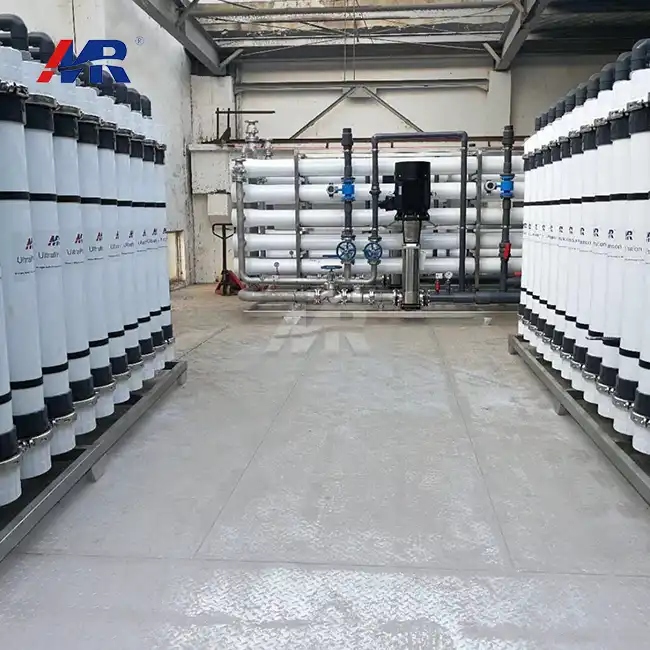 VIEW MORE2000m3/day ultrafiltration equipment
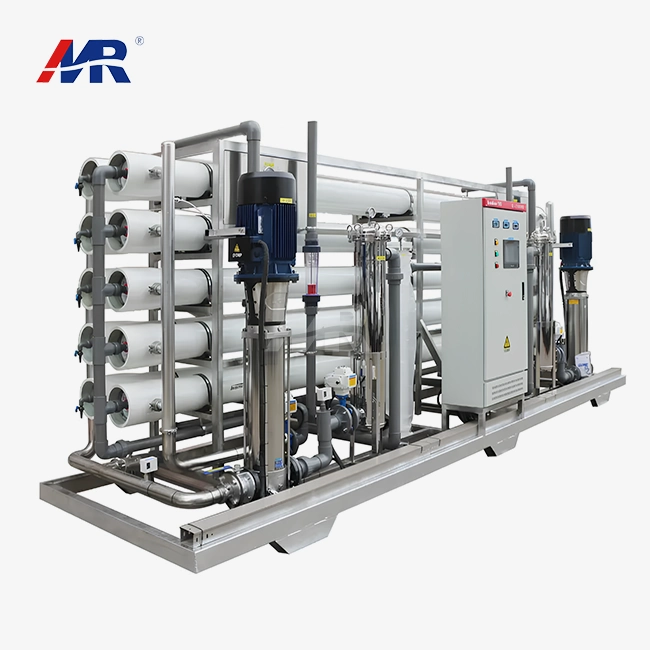 VIEW MOREreverse osmosis water purification plant
