

_1745823981883.webp)

Maintaining Your Seawater Desalination System: Tips for Longevity and Efficiency
Systems that remove salt from salt water, like a seawater desalination system, are very important for offering towns, businesses, and other places around the world that don't have enough fresh water. This is a tricky system that needs to be taken care of more and more as the need for clean water sources grows. Getting rid of salt from water systems should last longer and work better. This guide will go over the most important maintenance tips and the best ways to do things for them. If people who work on desalination equipment fix it the right way, it will last as long as possible, never break down, and always work. Your plant should be able to clear salt for a long time. We'll go over everything you need to know, from simple things like checking it often to more complicated ways to keep an eye on it.

Regular Inspection and Cleaning Protocols
Setting up and sticking to regular cleaning and inspection schedules is one of the most important things to do to keep a seawater desalination system working. These steps make it possible to discover problems sooner and stop the buildup of contaminants that could harm the system's performance.
Daily checks
Setting up a daily inspection regimen that involves inspecting important aspects like these is a good idea:
- Screens that let air in and technologies that clean the air before it gets in
- Pumps that work under a lot of pressure
- Systems with reverse osmosis membranes
- Tools and equipment for after-treatment
- instruments for control panels and monitoring
Operators should look for indicators of wear, strange noises, leaks, or anything else that doesn't seem right with how the equipment is supposed to perform during frequent checks. Fixing tiny problems immediately helps keep them from getting worse and shutting down the system.
Cleaning the Membrane
The reverse osmosis membranes are the most critical portion of any system that takes salt out of saltwater. Cleaning them often is crucial to keep them working effectively and help them last longer. Make a cleaning schedule based on what the manufacturer suggests and how effectively the system functions. This could mean:
- Flushing with permeate water once a week to get rid of loose deposits
- Cleaning using chemicals once a month to get rid of scaling and biofouling
- Cleaning every three months for difficult deposits that need a lot of work
Always use cleaning solutions that have been approved and follow the proper methods to protect the delicate membrane structure.
How to Take Care of the Pretreatment System?
The pretreatment system is particularly crucial for keeping the downstream sections clean. Here are some things you do all the time to keep things going smoothly:
- Cleaning multimedia filters by backwashing
- Taking out and replacing cartridge filters
- The steps needed to clean and calibrate chemical dosing equipment
- Checking and cleaning the intake screens
If you take care of the pretreatment system, you can drastically reduce the amount of fouling that happens on the ro membranes and make the whole system perform better.
Optimizing Operational Parameters
You need to keep your seawater desalination system running at its best operational settings to make sure it lasts a long time and operates well. This implies you need to watch and modify a lot of things that affect how well the system functions.
How to Deal with Stress?
It is very important to keep the pressure under control so that the system works well and the membrane lasts a long time. Pay attention to and change the following factors that govern pressure:
- Feed pressure: It needs to be strong enough to get through osmotic pressure, but not so powerful that it tears the membrane
- Check across membrane elements for scaling or fouling to discover differential pressure
- Pressure that gets through: To keep the membrane safe, you need to keep the correct amount of back pressure
To make sure that the system is working effectively and that the measurements they offer are correct, it is vital to calibrate pressure gauges and sensors regularly.
Making the Flow Rate Better
To get the most out of recovery while minimizing fouling and scaling, it is important to keep flow rates in balance. Here are some very important things to think about:
- Change the feed flow rate based on the water quality and the system design to get the greatest outcomes from pretreatment
- Permeate flow: Stay within the design limits to keep from getting overly compacted and dirty
- Concentrate flow: Make sure that the salts and other impurities that are not wanted are appropriately washed away
To make sure that the measurements are correct and that the system is working effectively, pressure gauges and sensors should be calibrated regularly.
Keeping an Eye on the Chemicals
To keep scaling from developing, lower biofouling, and safeguard system parts, it's crucial to use the proper amount of chemicals. Check the dose often and make modifications as needed for:
- Antiscalants keep mineral scale from forming on membranes
- Biocides: Stop germs from growing in the system
- pH adjusters: Improve the water chemistry so that the membrane can do its job better
- Chlorine and things that get rid of chlorine: Take care of membranes and make sure they are clean
Automated dosing systems with feedback controls should be put in place to maintain the chemical treatment stable and adapt to changes in water quality.
Implementing Advanced Monitoring and Predictive Maintenance
You need to go beyond the normal means of taking care of your seawater desalination system to make sure it lasts as long as possible and functions as well as possible. You also need to employ modern ways to keep an eye on it and guess when it needs repairs.
Keeping an Eye on Performance in Real Time
Set up a full monitoring system that works in real time and keeps track of certain key performance indicators (KPIs):
- Specific energy utilization (kWh/m³ of water for goods)
- How often is salt rejected
- The flow of permeate that is standard
- Pressure drop across the membrane phases
- Things like temperature, pH, conductivity, and other things that change the quality of the water that comes in
Making dashboards with data visualization tools can assist operators in seeing trends in how the system is working and what is going wrong with normal operations.
Algorithms for Maintenance That Can Be Predicted
Make predictive maintenance algorithms using AI and machine learning that can:
- Look at data from past performances to uncover trends and things that don't fit
- Try to guess when your equipment might break down before it does
- Make maintenance schedules better based on how the system is really performing
- Send out early warnings about problems that are starting to happen, such as scaling or membrane fouling.
Operators may switch from reactive maintenance to proactive maintenance when they employ predictive maintenance. This reduces unnecessary downtime and extends the life of the equipment.
Monitoring from a distance and getting advice from experts
To enable remote monitoring, use these options:
- Experts who operate off-site watch the system all the time.
- Fixing problems and making things work better in real time
- Quick response in case of situations or difficulties that come up suddenly
- Using data to make choices that will make the system better over time
You could hire expert desalination system providers or consultants who can give your on-site maintenance team remote monitoring and Technical support.
Frequently Asked Questions
1. How often should I replace the reverse osmosis membranes in my seawater desalination system?
The lifespan of reverse osmosis membranes in seawater desalination systems typically ranges from 3 to 5 years. However, this can vary depending on factors such as feed water quality, system operation, and maintenance practices. Regular performance monitoring and membrane autopsies can help determine the optimal replacement schedule for your specific system.
2. What are the most common causes of efficiency loss in seawater desalination systems?
The most common causes of efficiency loss in seawater desalination systems include membrane fouling (both organic and inorganic), scaling, equipment wear (especially pumps and energy recovery devices), and suboptimal operational parameters. Regular maintenance, proper pretreatment, and continuous monitoring can help mitigate these issues and maintain system efficiency.
3. How can I reduce the energy consumption of my seawater desalination plant?
To reduce energy consumption in a seawater desalination plant, consider implementing the following strategies: optimize system design and component selection, use high-efficiency pumps and energy recovery devices, maintain clean membranes to reduce operating pressures, implement variable frequency drives for major equipment, and explore innovative technologies such as forward osmosis or capacitive deionization for specific applications.
Maintaining a seawater desalination system requires a comprehensive approach that combines regular inspections, optimized operations, and advanced monitoring techniques. By implementing these strategies, operators can ensure their systems remain efficient and reliable for years to come. As water scarcity continues to be a global challenge, well-maintained desalination plants will play an increasingly crucial role in providing sustainable freshwater sources for communities and industries worldwide.
Expert Seawater Desalination System Solutions | Morui
Are you looking for a reliable partner to help you maintain and optimize your seawater desalination system? Look no further than Guangdong Morui Environmental Technology Co., Ltd. With our extensive experience in water treatment and state-of-the-art technology, we offer comprehensive solutions tailored to your specific needs. From high-quality equipment and one-stop installation services to ongoing maintenance and support, we ensure your desalination system operates at peak efficiency. Our Team of skilled engineers and technicians is ready to assist you with everything from routine maintenance to complex troubleshooting. Don't let water scarcity limit your operations – contact us today at benson@guangdongmorui.com to discover how we can help you achieve long-lasting, efficient seawater desalination.
References
1. Johnson, A. & Smith, B. (2022). Advanced Maintenance Strategies for Seawater Desalination Plants. Journal of Water Treatment Technology, 45(3), 278-295.
2. García-Rodríguez, L. (2021). Seawater Desalination: Trends and Technologies. Elsevier Science.
3. International Desalination Association. (2023). Best Practices in Desalination Plant Operation and Maintenance. IDA Technical Report Series.
4. Lee, K.P., Arnot, T.C., & Mattia, D. (2021). A review of reverse osmosis membrane materials for desalination—Development to date and future potential. Journal of Membrane Science, 370(1-2), 1-22.
5. Voutchkov, N. (2022). Energy Management in Seawater Desalination Systems. CRC Press.
6. World Health Organization. (2023). Guidelines for Drinking-water Quality: Desalination for Safe Water Supply. WHO Press.
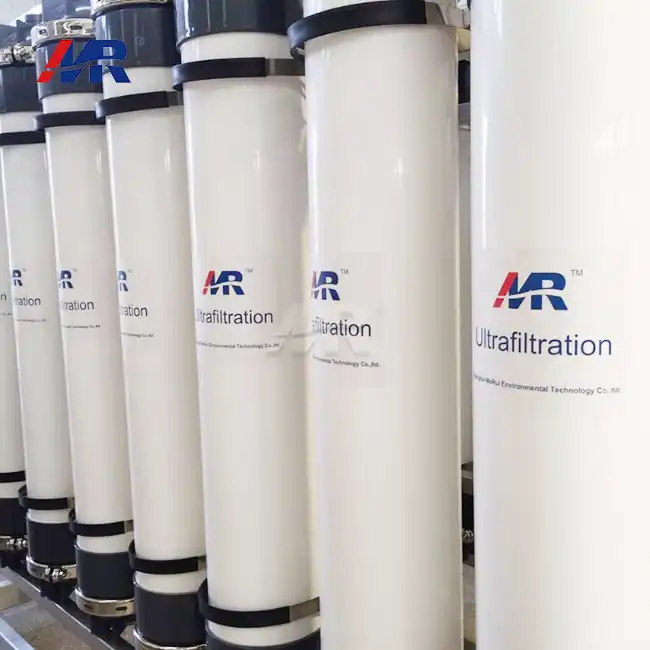 VIEW MORE90T/H ultrafiltration equipment
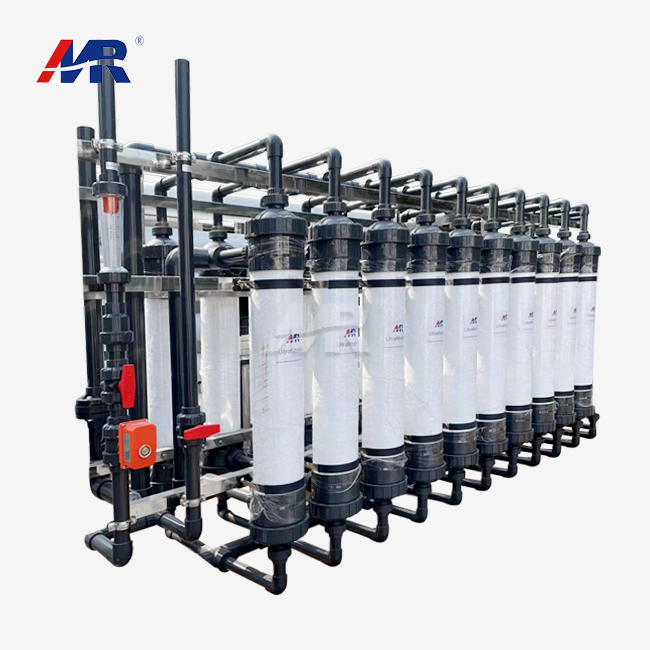 VIEW MOREultrafiltration drinking water system
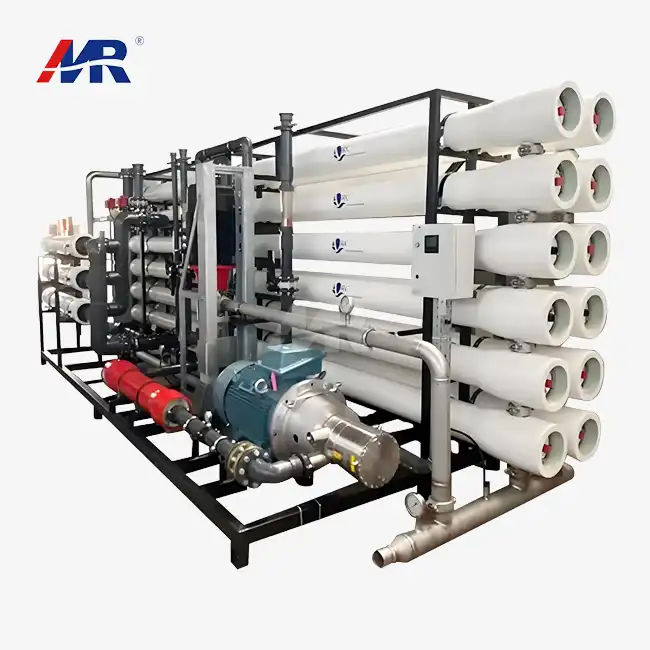 VIEW MORE45m3/hour seawater desalination system
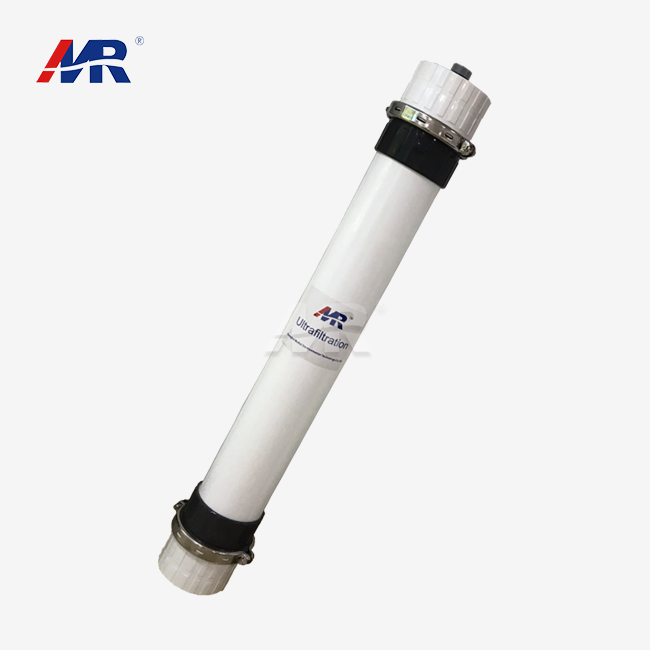 VIEW MOREultrafiltration membrane system
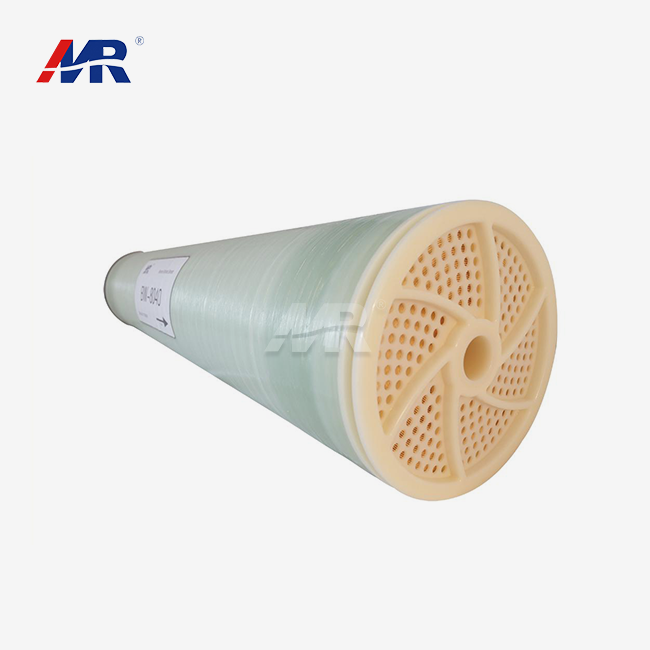 VIEW MOREbrackish membrane
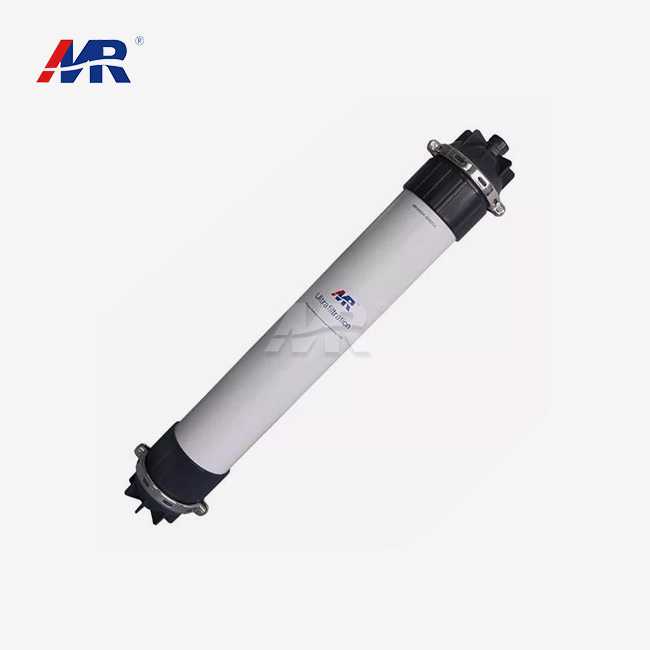 VIEW MOREultra filter membrane
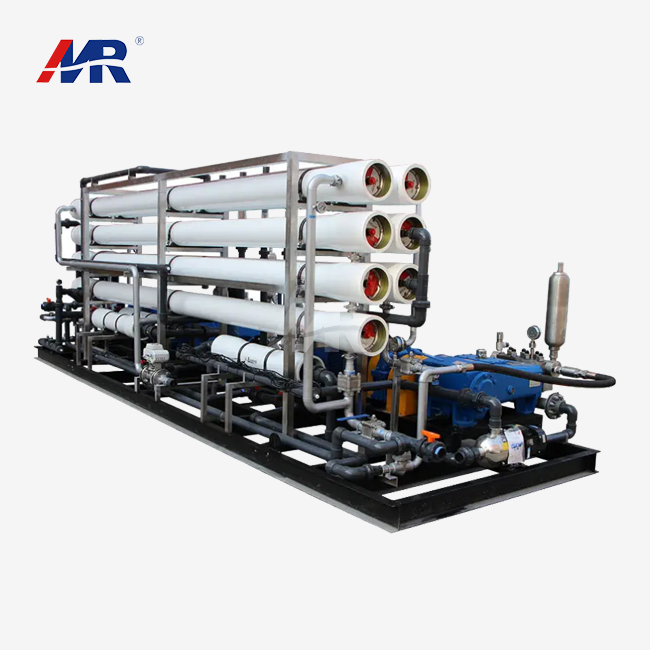 VIEW MOREseawater desalination machine
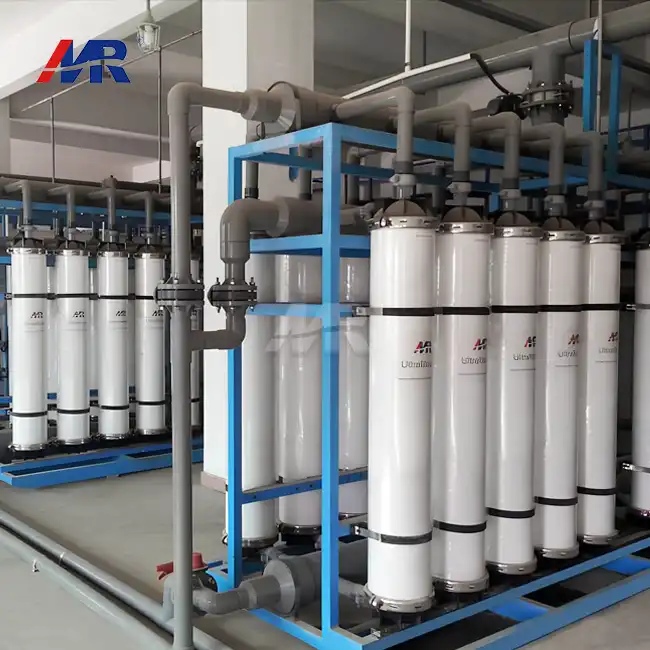 VIEW MORE20m3/hour ultrafiltration equipment
