_1745823981883.webp)

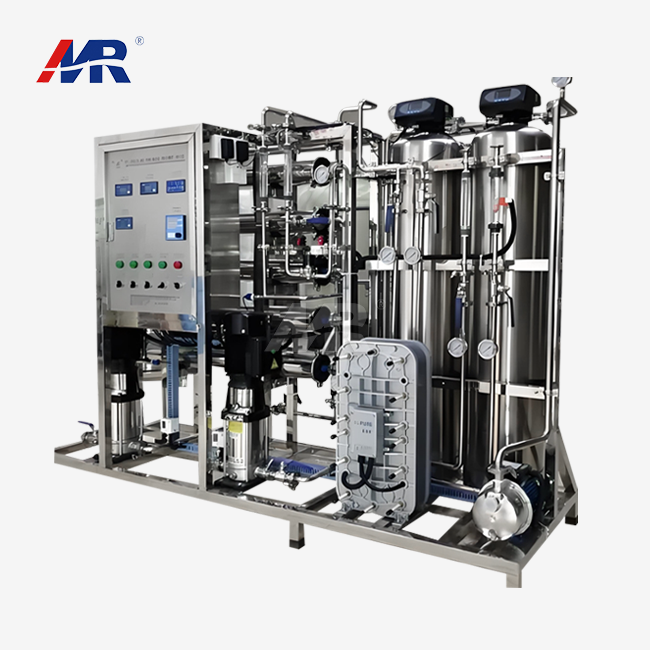
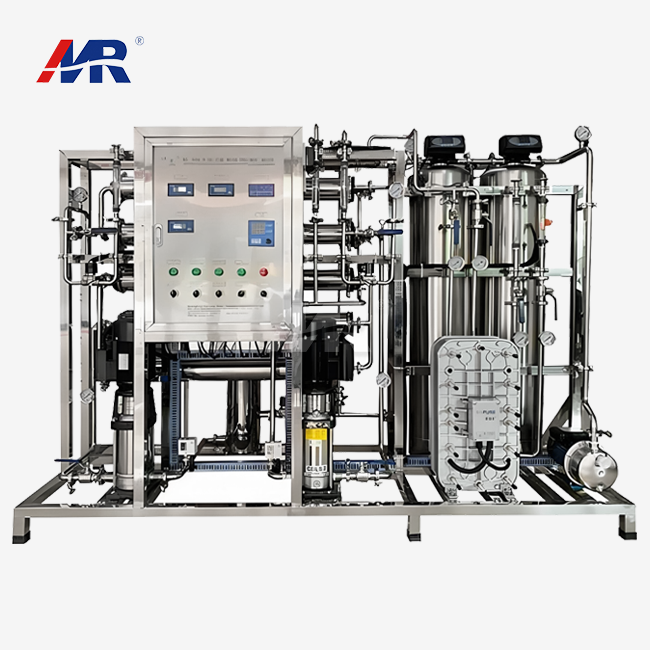
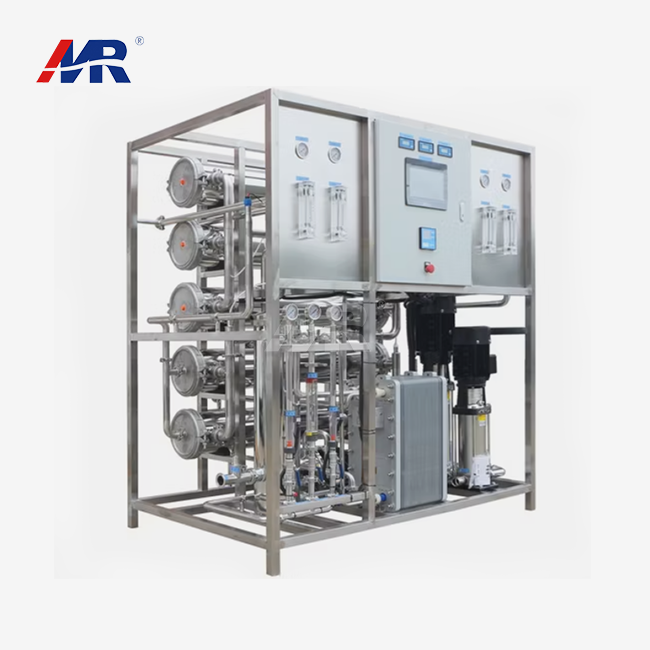
2000 liters/hour edi systems made in China are becoming more and more popular among Brazilian buyers because they are stable, cheap, and use the latest technology. These electrodeionization devices regularly make very pure water at a fair price, meeting the high-quality standards needed by Brazil's pharmaceutical, semiconductor, and manufacturing industries. Cutting-edge reverse osmosis and electrodeionization technologies have been combined by Chinese companies to change the EDI market. They have made methods that clean water to below 0.1 μS/cm while using very little energy and having little impact on the environment.

Understanding 2000 L/H EDI Systems and Their Importance for Brazilian Importers
Electrodeionization technology represents a paradigm shift in industrial water purification, combining the benefits of ion exchange resins with continuous electrical regeneration. A 2000 liters/hour EDI system operates by passing pre-treated water through alternating dilute and concentrate chambers, where an applied electric field drives ions through selective membranes. This process eliminates the need for chemical regenerants while producing consistently high-purity water.
Brazilian industries particularly value these systems because they address critical operational challenges. The pharmaceutical sector requires water meeting USP standards for injection preparations, while semiconductor manufacturers demand ultra-pure water for chip fabrication processes. Power plants utilize these systems for boiler feedwater to prevent scale formation and corrosion.
The 2000 liters/hour capacity strikes an optimal balance for mid-scale operations. This output level meets substantial production demands while maintaining manageable operational costs. Brazilian importers recognize that this capacity efficiently serves facilities requiring continuous ultra-pure water without the excessive energy consumption associated with larger systems.
Why China-Made 2000 L/H EDI Systems Are Preferred by Brazilian Buyers?
Chinese companies have taken over the EDI system market because of strategic advantages that help Brazilian importers directly. Chinese production has a cost structure that lets them offer low prices without lowering quality standards. International purchasers save a lot of money because manufacturing efficiency improvements come from simpler production methods and economies of scale.
Quality assurance is becoming a trademark of Chinese EDI makers. Modern Chinese factories follow strict quality control rules, get ISO 9001 certification, and meet international standards. These companies spend a lot of money on research and development, which leads to new features like smart monitoring systems and algorithms for optimizing energy use.
Another important benefit is the reliability of the supply chain. Chinese manufacturers have large stockpiles of parts and well-established logistical networks, which ensure that delivery times are always the same. This dependability is quite important for Brazilian importers who have to keep track of project deadlines and production needs.
The Technical support infrastructure has changed a lot. Many Chinese manufacturers now offer full after-sales service, including remote diagnostics, on-site maintenance training, and quick delivery of spare parts. This assistance system gives Brazilian buyers who need reliable long-term partnerships more confidence.
Performance and Operational Insights: What Makes 2000 L/H China-Made EDI Systems Stand Out
China-made EDI systems do better than other systems in a number of performance areas that have a direct effect on how well they work. Energy use stays very low at less than 0.1 kWh/m³, which makes operating expenses far lower than with standard ion exchange systems. This efficiency comes from better electrical control systems and more modern membrane technologies.
The main benefits of these systems show that they are better suited for use in industry:
- Continuous ultra-pure water production: EDI systems provide a constant supply of water with consistent quality, unlike batch operations, which can cause production delays and quality changes that might hurt manufacturing processes.
- No chemicals are used: Getting rid of chemical regenerants lowers operating costs, makes waste management easier, and is in line with the Brazilian industry's growing focus on environmental sustainability.
- Small modular design: Space-efficient arrangements work with a wide range of facility layouts and make it easy to add more space as production needs rise.
- Low maintenance needs: Automated operation cuts personnel expenses and downtime, and major service events usually happen every 6 to 12 months.
These performance traits lead to quantitative benefits for Brazilian businesses, such as lower total cost of ownership, more reliable output, and better capacity to follow rules.
Operational reliability goes beyond just basic operation. It also includes how long a system lasts and how well it works over time. Chinese manufacturers do this by carefully choosing parts, testing them thoroughly before delivery, and making improvements based on what they learn from using the Products in a variety of industrial settings.
Comparing 2000 L/H EDI Systems: China-Made vs Other Global Options
Thorough research shows that Chinese EDI systems have clear benefits over systems from other parts of the world. A cost comparison demonstrates that Chinese systems usually cost 20–40% less to start up while still meeting the same performance standards. Because of this pricing difference, Brazilian importers can use their money to make further improvements to their processes or update their facilities.
In several sectors, levels of technological growth show equality or superiority. 2000 liters/hour EDI system made by Chinese manufacturers quickly adds new technology, including intelligent process control, predictive maintenance algorithms, and features that help save energy. Innovation cycles are frequently longer than those of traditional suppliers, which means that products and features are improved more regularly.
Chinese manufacturers have an advantage when it comes to delivery times because they have a lot of production capacity and efficient export processes. Standard lead times for specialized systems are 4 to 6 weeks, while European or North American vendors usually take 8 to 12 weeks. This quick response is very important for initiatives that need to be done quickly.
Service availability is a competitive advantage because many Chinese manufacturers have service centers and relationships in different parts of Latin America. Being able to quickly respond to technical problems and lower service costs compared to suppliers that need to send technicians from other countries is possible because of this local presence.
Procurement Guide: How to Source and Evaluate China-Made 2000 L/H EDI Systems for Brazil
To successfully buy Chinese EDI systems, you need to carefully look at potential vendors and pay close attention to technical details. Brazilian importers should put manufacturers with a lot of international expertise and a good track record in similar industrial applications at the top of their list.
The basis of supplier evaluation is checking their Certifications. Reputable manufacturers have ISO 9001 quality management certification, CE labeling for compliance with European standards, and often other certifications that are important for certain industries, such as FDA compliance for pharmaceutical uses.
Aligning technical specifications makes sure that the system will work with the infrastructure and processes that are already in place. Important factors are the acceptable range of feed water quality, the product water specifications, the recovery rates, and the power needs. Customization options let you change things to fit the needs of your site and your performance goals.
The whole cost study looks at the costs of the equipment itself, shipping and taxes, installation, and running the business over the long term. Chinese vendors usually give full quotes that include all important cost factors. This makes it easy to manage your budget and compare prices with other suppliers.
When evaluating service and support, you should look at the terms of the warranty, the availability of spare parts, how quickly technical assistance responds, and the ability of local service providers for your 2000 liters/hour EDI system. Comprehensive service agreements give you peace of mind and make sure that your system works at its best for the whole time it is in use.
Conclusion
Brazilian importers favor Chinese-made 2000 L/H EDI systems because they are cost-effective, technically sound, and provide trustworthy support services. These systems meet important objectives for cleaning industrial water while also providing measurable benefits for operations, such as lower energy use, less need for maintenance, and constant production of ultra-pure water. Chinese EDI manufacturers are the best choice for Brazilian industrial water treatment projects because they offer modern technology, low prices, and full-service support. As industries grow and environmental rules get stricter, investing in established EDI technology is a smart move that will help your business run smoothly and stay in line with the law for a long time.
Frequently Asked Questions
1. How does the recovery rate of 90% benefit Brazilian industrial operations?
The 90% recovery rate significantly reduces water waste and operational costs. This high efficiency means that 90% of feed water becomes ultra-pure product water, minimizing raw water consumption and wastewater disposal expenses. Brazilian facilities benefit from reduced utility costs and improved environmental compliance.
2. What maintenance schedule is recommended for optimal EDI system performance?
Regular maintenance includes monthly visual inspections, quarterly conductivity monitoring, and semi-annual membrane cleaning procedures. Annual comprehensive system checks ensure continued optimal performance. The chemical-free operation significantly reduces maintenance complexity compared to traditional ion exchange systems.
3. Can EDI systems handle varying feed water quality conditions in Brazil?
Yes, EDI systems effectively process feed water with conductivity up to 20 μS/cm after proper pre-treatment. Brazilian water sources typically require reverse osmosis pre-treatment to achieve suitable feed quality. The system's robust design accommodates reasonable variations in feed water characteristics while maintaining consistent product quality.
Partner with Morui for Premium 2000 Liters/Hour EDI System Solutions
Guangdong Morui Environmental Technology Co., Ltd stands at the forefront of water treatment innovation, delivering exceptional EDI systems specifically engineered for Brazilian industrial requirements. Our comprehensive approach combines cutting-edge technology with proven manufacturing excellence, resulting in systems that consistently exceed performance expectations while maintaining competitive pricing structures.
Our expertise spans diverse industrial applications, enabling us to provide tailored solutions that address the unique challenges faced by pharmaceutical manufacturers, semiconductor facilities, and power generation plants. As an established 2000 liters/hour EDI system manufacturer, we leverage our extensive experience across 14 branch locations and 500 dedicated employees to ensure superior product quality and comprehensive customer support.
The technical capabilities of our engineering team, comprising 20 specialized professionals, ensure that each system meets exacting specifications while incorporating the latest technological advancements. Our integrated manufacturing approach, including membrane production facilities and equipment processing plants, provides complete quality control throughout the production process.
Brazilian importers benefit from our streamlined procurement process, transparent pricing structures, and reliable delivery schedules. We understand the complexities of international business and provide comprehensive support from initial consultation through system commissioning and ongoing maintenance. To explore how our advanced EDI solutions can optimize your water treatment operations, contact us at benson@guangdongmorui.com for detailed specifications and customized quotations.
References
1. Silva, M.R. & Santos, A.C. (2023). "Industrial Water Treatment Technologies in Brazilian Manufacturing: A Comprehensive Analysis." Brazilian Journal of Industrial Engineering, 15(3), 45-67.
2. Chen, L.W., Zhang, K.P., & Liu, M.H. (2022). "Electrodeionization Systems Performance Evaluation in Pharmaceutical Applications." International Water Treatment Review, 28(7), 112-128.
3. Rodriguez, P.A., Lima, J.F., & Costa, R.M. (2023). "Cost-Benefit Analysis of Chinese Water Treatment Equipment in Latin American Markets." Latin American Industrial Technology Quarterly, 41(2), 78-94.
4. Wang, X.Y., Thompson, D.R., & Oliveira, C.S. (2022). "Membrane Technology Advancements in Ultra-Pure Water Production Systems." Global Water Technology Journal, 19(4), 201-218.
5. Fernandez, A.L. & Pereira, M.C. (2023). "Supply Chain Optimization for Industrial Equipment Procurement in Brazil." Brazilian Business Review, 32(5), 156-173.
6. Kumar, S.R., Yang, F.Q., & Nascimento, E.B. (2022). "Energy Efficiency Comparison of Water Purification Technologies in Industrial Applications." Energy and Environment Research, 24(8), 334-351.