_1745823981883.webp)

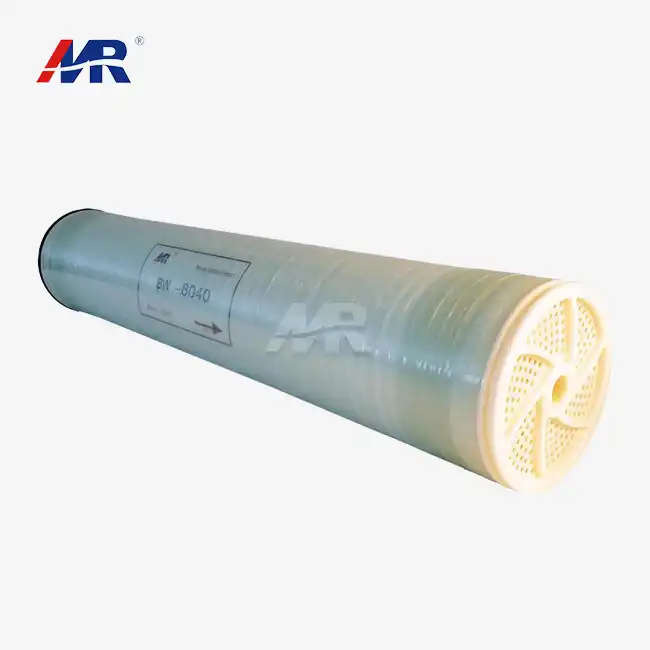
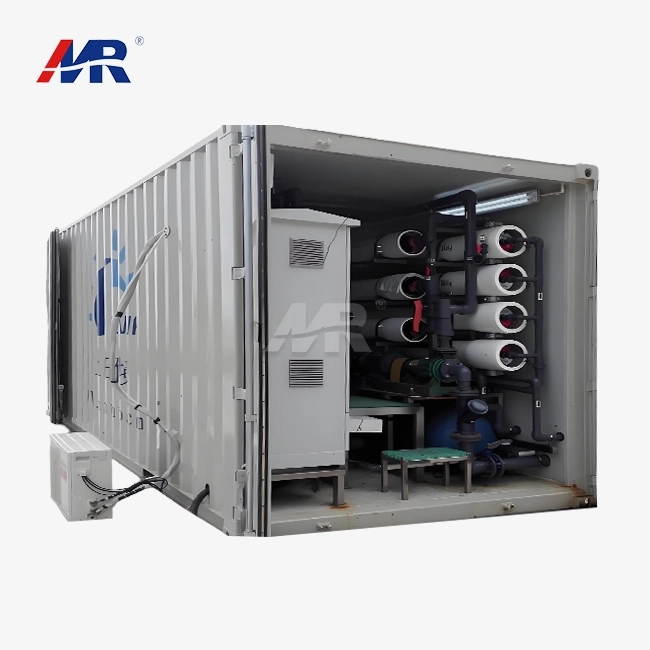
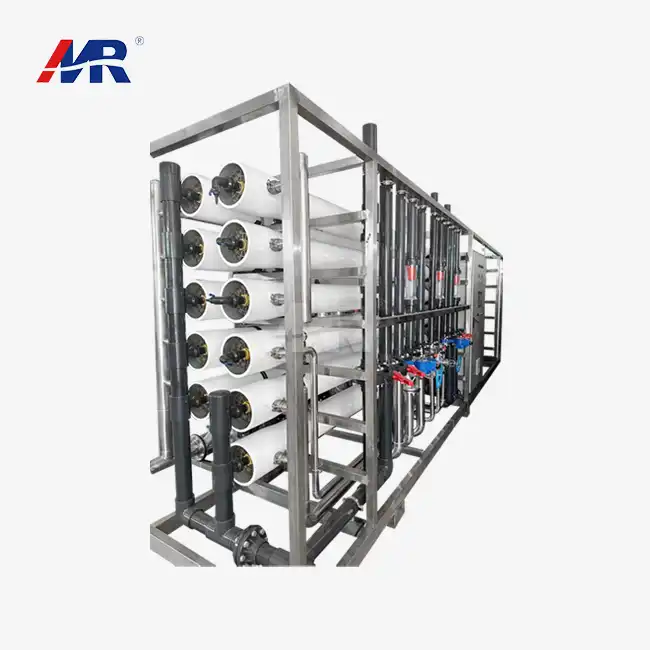
Industrial wastewater can be hard to deal with, but experts always recommend eight standout DTRO for Wastewater Treatment systems that work very well in a lot of different scenarios. A lot has changed in the market for DTRO to clean up pollution. These days, the biggest companies have special methods for dealing with high-salinity water, industrial effluent, and leachate from landfills. A lot of experts recommend these systems because they use cutting-edge membrane technology and strong engineering to get rid of pollution more efficiently while still being reliable and affordable.
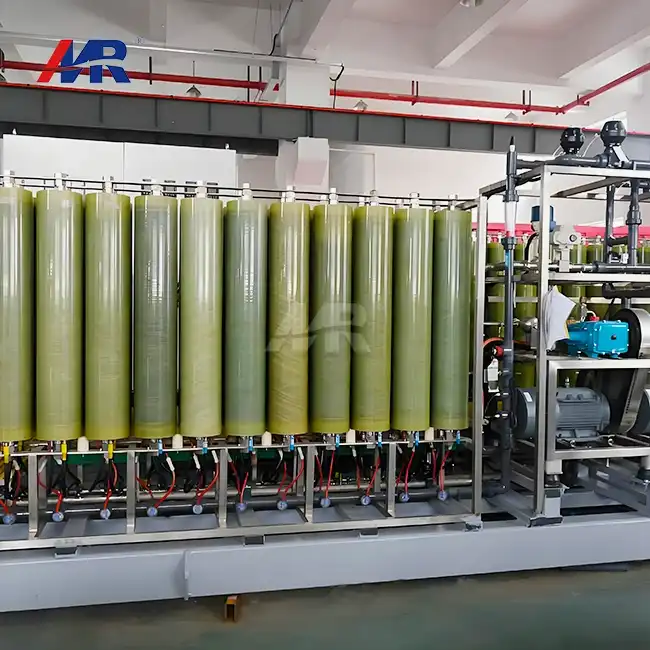
Why DTRO Technology Matters in Modern Wastewater Management?
Industrial sites in Asia, South America, and Africa are under more and more pressure to achieve strict environmental compliance criteria while still keeping prices down. When it comes to dealing with high-salinity effluents, heavy metal contamination, or complex organic compounds prevalent in modern industrial waste streams, traditional treatment procedures don't always work.
The revolutionary disc-tube architecture of DTRO technology solves problems by handling wastewater that is prone to clogging better than typical reverse osmosis systems. It is perfect for sectors that demand zero liquid discharge or enhanced water reclamation since it can work at higher pressures without damaging the membrane.
More and more, manufacturing plants, pharmaceutical businesses, and municipal treatment plants use these technologies to turn waste streams that are causing problems into useful resources. DTRO for Wastewater Treatment systems is now a vital infrastructure expenditure in emerging nations because of the increased focus on recycling water and the circular economy.
Expert Selection Criteria for Premium DTRO Systems
Our evaluation process focused on five critical performance indicators that matter most to technical decision-makers and plant operators. Recovery rates served as the primary benchmark, with top-performing systems achieving 50-70% water recovery from challenging feed streams.
Energy efficiency calculations considered both power consumption per cubic meter treated and long-term operational sustainability. Systems consuming less than 20kW per hour while maintaining consistent performance ranked highest in our analysis.
Membrane durability and fouling resistance received significant weight, particularly for applications involving landfill leachate or high-COD industrial wastewater. Anti-clogging membrane coatings and automated cleaning capabilities directly impact operational costs and system reliability.
Local service support availability proved crucial for markets in Asia, South America, and Africa, where rapid maintenance response can determine project success. Systems backed by established regional service networks scored favorably in our assessment.
Regulatory compliance capabilities rounded out our criteria, ensuring recommended systems meet diverse international standards from EPA guidelines to EU directives and local environmental regulations.
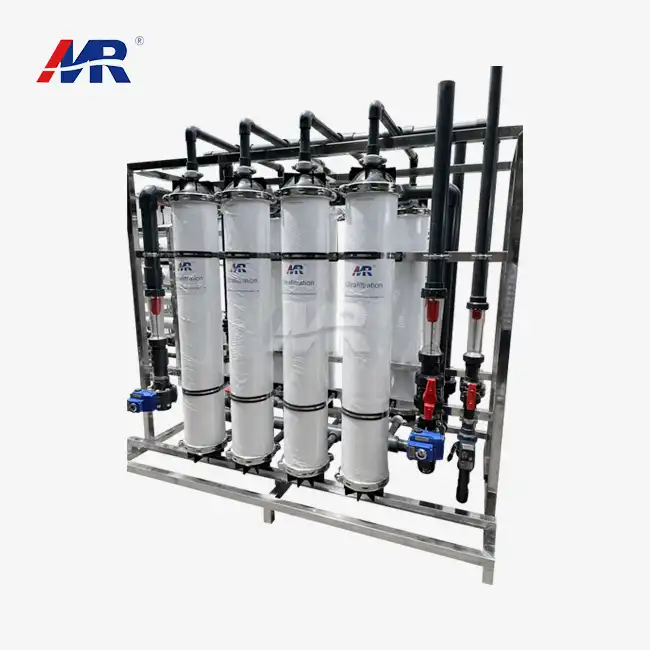
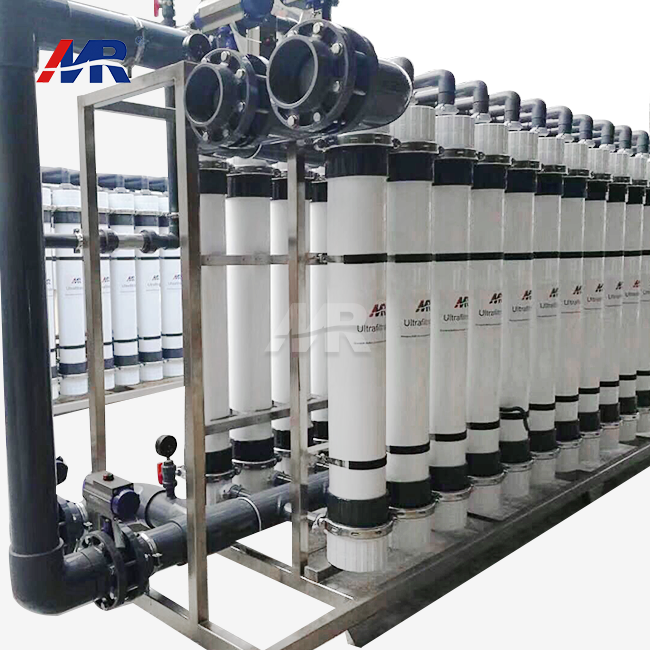
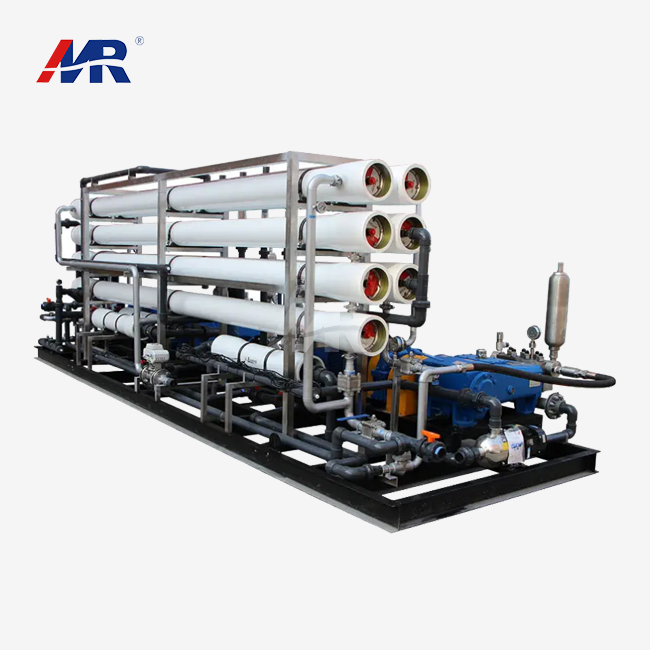
1. Morui MR-DTRO-20TD Industrial Wastewater Treatment System
The Morui MR-DTRO-20TD stands out as a comprehensive solution for landfill leachate treatment and high-strength industrial wastewater management. This system handles inlet COD levels up to 25,000 mg/L while maintaining consistent 50-70% recovery rates, making it ideal for challenging applications across manufacturing and chemical processing industries.
Key Performance Features:
- Power consumption: 16kW/hour for optimal energy efficiency
- Modular design accommodates flow rates from 10-1,000+ m³/day
- Stainless steel construction withstands pH ranges from 2-12
- Real-time PLC monitoring tracks pressure, TDS, and pH parameters
- Quick membrane disc replacement requires minimal downtime
Guangdong Morui's 19+ years of expertise show in this system's robust engineering and practical design elements. The company's experience delivering 500+ hypersaline wastewater projects for major clients like CATL and BYD translates into reliable performance under demanding conditions.
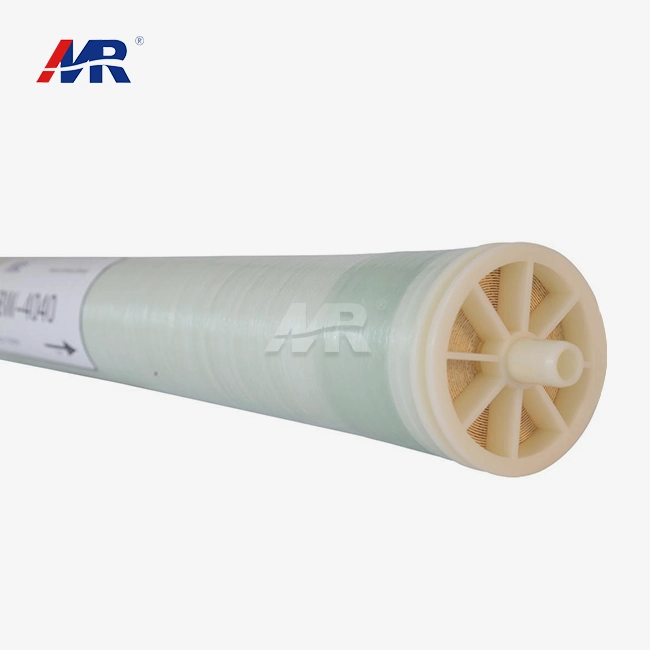
The system's anti-clogging membrane coatings resist fouling even under high-pressure operations up to 120 bar, significantly reducing maintenance requirements. Automated cleaning cycles cut operational costs by 20-30% compared to traditional RO systems, making it financially attractive for medium and large-scale operations.
Installation flexibility allows integration with existing treatment infrastructure or standalone operation. The system meets ISO 9001, CE, and ROHS standards while adapting to various regional compliance requirements, including EPA, UL, and WRAS specifications.
2. Advanced Membrane Solutions DTRO-HT Series
The DTRO-HT Series works very well in high-temperature situations where regular membrane systems don't work as well. This system was made just for petrochemical companies and thermal power plants. It keeps performance integrity at high operating temperatures while giving consistent water quality findings.
Specifications for the technology:
- The temperature range for operation is 5 to 45 degrees Celsius.
- Most dissolved solids have a salt rejection rate of more than 98%.
- Pressure tolerance: 100 bar at most
- Every 4 to 6 hours, the backwash cycles happen automatically.
- Heat exchangers made of titanium that don't rust
The membrane chemistry in the system is made to resist temperature deterioration while still being able to pick out the right pollutants. Compared to normal setups, heat recovery systems absorb and reuse thermal energy, which cuts power use by about 15%.
This system is especially useful for pharmaceutical and biotechnology organizations since it can make GMP-compliant water while dealing with the temperature changes that happen during manufacture. The validation package for the system contains thorough papers that support regulatory submissions and facility audits.
The system has been shown to work well under tough environmental circumstances when installed in tropical regions in Southeast Asia and equatorial Africa. With remote monitoring, operators may change settings and fix problems without having to be there.
3. Industrial Water Technologies Compact DTRO Unit
This small system is developed for smaller buildings and decentralized treatment applications where space is limited and equipment choices are limited. Even though it takes up less space, the device nevertheless works as well as larger installations and is easier to use and maintain.
Benefits of a Compact Design:
- 4m x 2m x 3m for a capacity of 20 m³/day; plug-and-play installation cuts down on setup time.
- Maintenance rules for one operator
- Systems for integrated chemical dosing
- There are alternatives for mobile configuration.
Small to medium-sized businesses use this system since it doesn't require as much capital commitment and is easier to use. The unit's pre-engineered design cuts down on long design procedures, so it may be set up quickly when there is an urgent need for wastewater treatment.
Aquaculture businesses in South America have successfully used these devices in recirculating aquaculture systems, where the quality of the water directly affects the amount of fish that can be grown. The system's gentle cleaning method keeps good bacteria alive while getting rid of bad ones.
Using cellular or satellite connections to monitor installations from a distance lets one control center keep an eye on many installations at once. This feature is useful for businesses that have multiple locations spread out over large territories.
4. HyperSalt Pro DTRO Desalination System
Specifically engineered for hypersaline wastewater and zero liquid discharge applications, the DTRO for Wastewater Treatment HyperSalt Pro handles extremely challenging feed conditions that defeat conventional treatment technologies. The system's specialized membrane stack configuration achieves remarkable performance with high-salinity industrial waste streams.
Hypersaline Treatment Capabilities:
- TDS handling: up to 150,000 mg/L
- Heavy metal removal: >95% for most species
- Concentrate minimization: 80-90% volume reduction
- Crystallizer integration ready
- Brine management optimization
Mining operations in Africa and South America rely on this system to manage tailings pond water and process water recovery. The system's ability to concentrate waste streams reduces disposal volumes and associated costs significantly.
Electroplating and chemical manufacturing facilities use the system to recover valuable metals from rinse water while meeting discharge standards. The concentrated reject stream often contains sufficient metal content to justify recovery processing, creating additional revenue streams.
The system's robust construction handles the corrosive nature of hypersaline solutions while maintaining membrane integrity over extended operating periods. Specialized cleaning protocols prevent scale formation and maintain flux rates throughout the operating cycle.
5. EcoFlow DTRO Biological Integration System
The EcoFlow system combines DTRO technology with biological treatment processes, creating a hybrid approach that maximizes organic contaminant removal while minimizing chemical usage. This integration proves particularly effective for food and beverage industry applications where biological treatment provides primary treatment.
Biological Integration Features:
- MBR pre-treatment stage
- Nutrient removal optimization
- Sludge processing integration
- Biogas capture capabilities
- Reduced chemical consumption
Food processing facilities benefit from the system's ability to handle varying organic loads while maintaining consistent effluent quality. The biological stage reduces COD levels before membrane treatment, extending membrane life and reducing cleaning frequency.
Municipal treatment plants upgrading existing biological systems find this hybrid approach cost-effective for meeting enhanced discharge standards. The system retrofits existing infrastructure while providing advanced treatment capabilities.
Anaerobic digestion integration captures biogas for energy recovery, improving overall process sustainability. The system's automated process controls optimize biological conditions while protecting downstream membrane elements from biological fouling.
6. Maritime DTRO Offshore Platform System
Designed specifically for offshore applications, this system addresses unique challenges of marine environments, including space limitations, corrosion resistance, and autonomous operation requirements. The system provides fresh water production from seawater while handling platform wastewater streams.
Marine Environment Adaptations:
- 316L stainless steel construction
- Motion-compensated mounting systems
- Saltwater-resistant components throughout
- Extended maintenance intervals
- Emergency operation modes
Offshore drilling platforms and production facilities rely on these systems for both fresh water supply and produced water treatment. The system's compact design maximizes deck space utilization while providing essential water services.
The system's autonomous operation capabilities reduce dependence on shore-based support services. Advanced monitoring systems alert operators to maintenance needs while optimizing performance parameters automatically.
Shipping companies operating in regions with stringent discharge regulations use these systems to achieve compliance while reducing port disposal costs. The system's treatment capabilities meet International Maritime Organization standards for various water discharge categories.
7. Agricultural DTRO Irrigation Water System
This specialized system transforms brackish groundwater and agricultural drainage into high-quality irrigation water. The system's design considers agricultural operational patterns and economic constraints while delivering consistent water quality for crop production.
Agricultural Application Features:
- Seasonal operation optimization
- Solar power integration options
- Crop-specific water quality targets
- Drainage water reclamation
- Fertigation compatibility
Large-scale agricultural operations in arid regions of Africa and South America use these systems to extend available water resources. The system's ability to treat brackish groundwater opens previously unusable water sources for irrigation purposes.
Greenhouse operations particularly benefit from the system's precise water quality control. The treated water's low salinity and consistent mineral content optimize plant growth while preventing soil salinization.
Solar power integration reduces operational costs in remote agricultural areas where grid electricity proves expensive or unreliable. Battery storage systems maintain operation during low sunlight periods, ensuring continuous water availability.
8. Laboratory DTRO Research System
The Laboratory DTRO system serves research institutions and pilot plant applications requiring precise control and extensive monitoring capabilities. This system enables a detailed study of membrane performance and process optimization under controlled conditions.
Research-Grade Features:
- Variable pressure control: 10-120 bar
- Multiple sampling points
- Data logging capabilities
- Membrane testing protocols
- Scale-up modeling support
Universities and research institutions use these systems to develop improved membrane materials and optimize treatment processes for specific applications. The system's flexibility allows testing various membrane configurations and operating conditions.
Industrial R&D departments rely on these systems for pilot testing before full-scale implementation. The system's comprehensive monitoring provides data supporting design decisions and performance projections.
The system's educational value makes it popular in engineering programs focusing on environmental technology. Students gain hands-on experience with membrane technology while contributing to research projects.
Purchasing Recommendations and Investment Considerations
Systems that come with comprehensive performance guarantees and a lot of pilot testing data should be at the top of the lists of technical decision-makers. DTRO for Wastewater Treatment membrane warranties that run longer than the standard lengths show that the manufacturer is sure of their product and minimizes the risks of using it for a long time.
People who make financial decisions can use life-cycle cost analysis to compare the initial capital investment to the predicted operational savings. Devices that save energy often cost more at first, but they use less power and last longer.
The availability of local service assistance has a big effect on the total cost of ownership, especially in remote places or developing markets. Systems with regional service networks offer better uptime and can fix problems faster.
Scalability is an important thing to think about when a firm is growing or when demand changes with the seasons. You may add more capacity with modular solutions without having to rebuild the complete system. This keeps your initial investment safe while letting your demands change.
Training and technology transfer programs are quite helpful, especially for companies that seek to improve their own skills. Comprehensive training makes people less dependent on others and helps things function more smoothly.
Frequently Asked Questions
1. What makes DTRO technology superior to conventional reverse osmosis for wastewater treatment?
DTRO systems excel at handling fouling-prone wastewater through their unique disc-tube configuration, which creates turbulent flow patterns that reduce membrane fouling. They operate effectively at higher pressures and maintain consistent performance with challenging feed streams containing high levels of suspended solids, organics, and salts that typically defeat conventional RO systems.
2. How do energy costs compare between different DTRO systems?
Energy consumption varies significantly based on feed water quality and recovery rate targets. Top-performing systems like the Morui MR-DTRO-20TD consume approximately 16kW/hour while achieving 50-70% recovery rates. Energy-efficient designs with heat recovery and optimized pump configurations can reduce power consumption by 20-30% compared to standard configurations.
3. What maintenance requirements should facilities expect with DTRO systems?
Modern DTRO systems feature automated cleaning cycles and quick membrane disc replacement capabilities that minimize maintenance downtime. Routine maintenance typically involves weekly system inspections, monthly chemical cleaning cycles, and annual membrane performance evaluations. Systems with anti-clogging membrane coatings require less frequent cleaning compared to conventional membranes.
Ready to Transform Your Wastewater Management with Expert-Recommended DTRO Technology?
Morui's MR-DTRO-20TD system consistently ranks among expert recommendations for good reason. Our 19+ years of specialized experience and 500+ successful project implementations demonstrate proven expertise in challenging wastewater applications across diverse industries and geographic regions.
Our global service network spanning 14+ branches ensures rapid support response within 48 hours for emergencies or maintenance requirements. This comprehensive coverage proves particularly valuable for operations in Asia, South America, and Africa, where Technical support availability often determines project success.
As a leading DTRO for wastewater treatment manufacturers, Morui combines advanced membrane technology with practical engineering solutions tailored to your specific requirements. Our systems achieve superior contaminant removal rates while maintaining energy efficiency and operational reliability.
Whether you're managing landfill leachate, industrial effluent, or complex wastewater streams, our technical team provides customized solutions optimizing performance for your application. Take advantage of our agile supply chain delivering custom-built systems in 7-35 days backed by ISO/CE-certified quality standards.
Don't let wastewater management challenges limit your operational efficiency or environmental compliance. Contact our experts today to discuss your specific requirements and receive detailed technical proposals. Reach out to contact us at benson@guangdongmorui.com for immediate consultation and project evaluation.