_1745823981883.webp)

Malaysia's pharmaceutical industry is still growing very quickly, and pharma parks are becoming important places for making drugs and coming up with new biotechnology ideas. The EDI purified water system is an important part of pharmaceutical processes because these special industrial zones have high standards for water quality. Chinese companies have become the biggest suppliers of cutting-edge electrodeionization technology. They offer cheap options that combine advanced membrane filtration with ion-exchange processes. This detailed guide explains why buying edi systems from China is a great idea for Malaysian pharmaceutical companies that need reliable, legal, and cost-effective water treatment solutions.

Understanding EDI Purified Water Systems and Their Principles
Electrodeionization technology is a big step forward in the treatment of medicinal water. It combines the best parts of reverse osmosis and classic ion exchange procedures. These advanced systems use electrically driven processes to constantly remove ionic impurities without needing to be chemically regenerated. This keeps the water quality consistent and up to strict pharmaceutical standards.
What is an EDI Purified Water System?
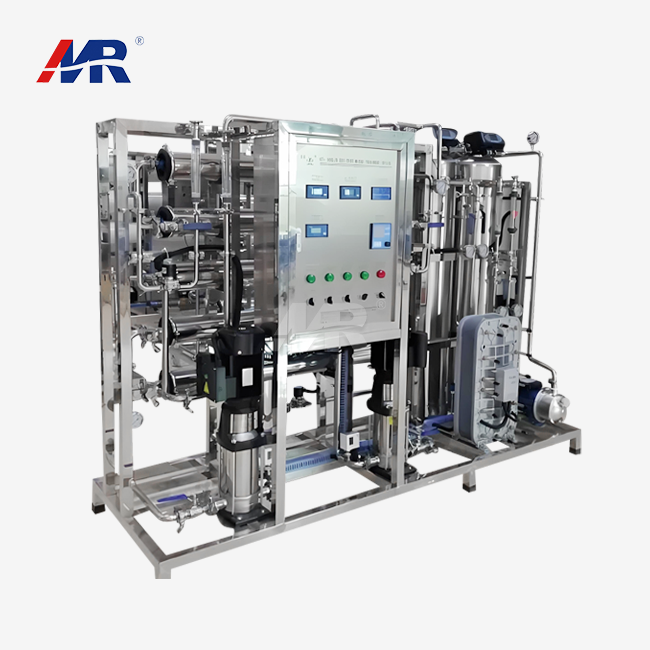
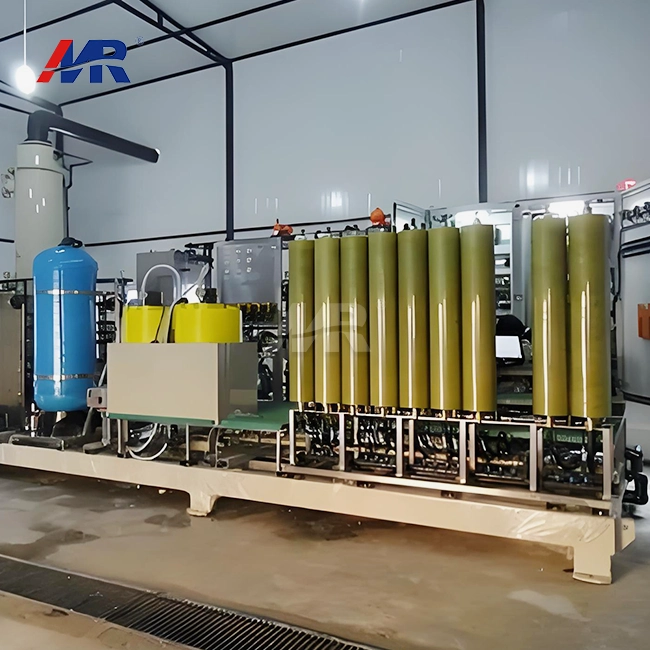
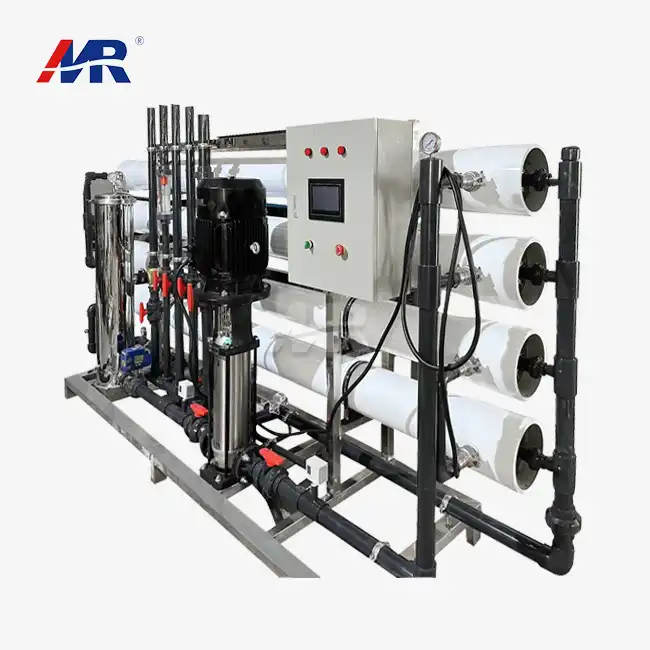
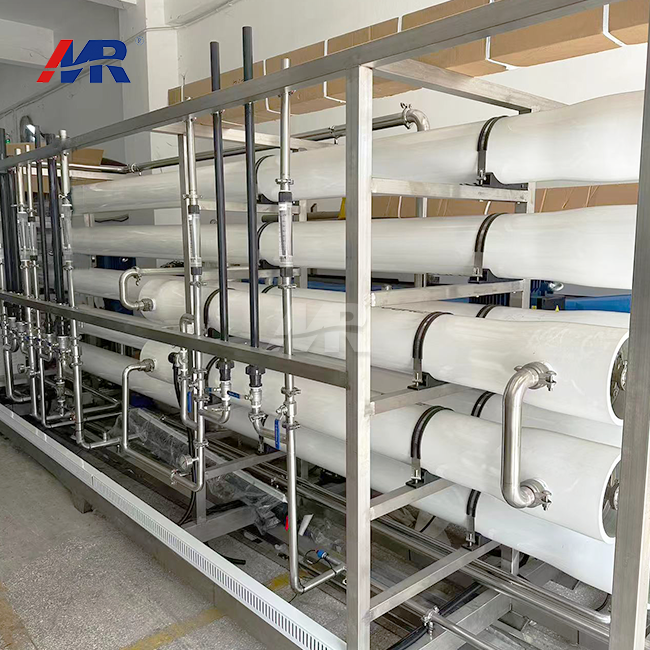
An EDI filtered water system uses membrane technology and ion-exchange resins together to make ultrapure water that can be used in pharmaceuticals. The system has several chambers with selective ion-exchange membranes and resins. These chambers are where ionic separation happens when an electrical current is applied. Concentrate chambers, dilute chambers, electrodes, and advanced control systems that keep an eye on water quality metrics in real time are all important parts.
How Does an EDI Purified Water System Work?
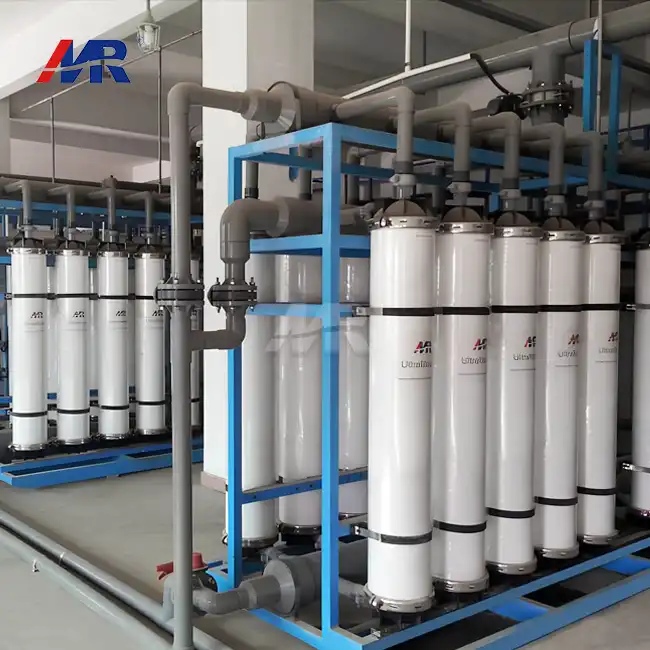
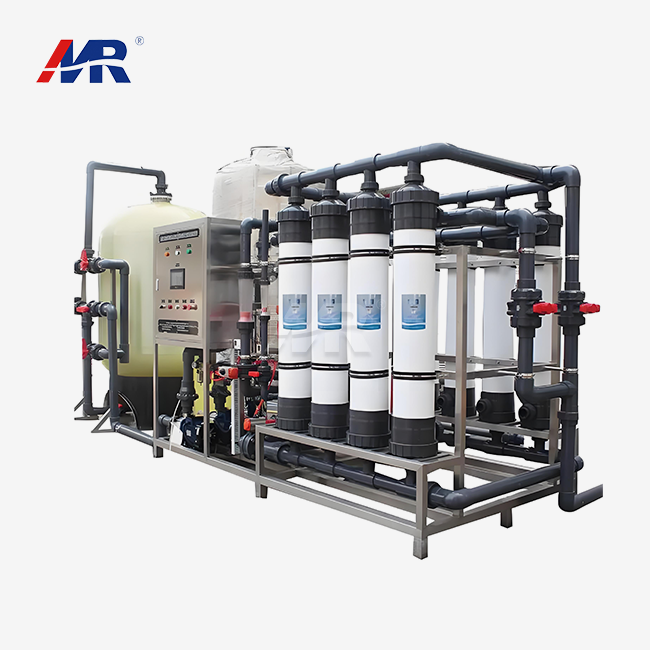
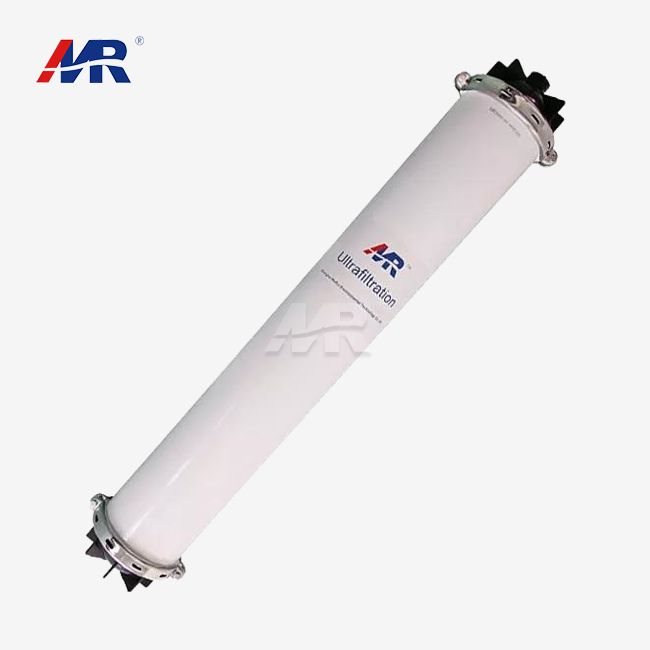
The electrodeionization method has five steps that ensure the water is very pure. Water is first filtered and softened, then put through reverse osmosis to start the purification process. The EDI purified water system module then does the last polishing by getting rid of leftover ions by electrical regeneration. Ultrafiltration removes particles, while UV sterilization keeps microbes under control. This ongoing process gets rid of the requirement for chemical regeneration cycles, which means that the output quality stays the same and the procedure is less complicated.
Advantages of EDI Purified Water Systems in Pharmaceuticals
Modern EDI systems offer great benefits that match the needs of pharmaceutical manufacturing precisely. These systems have the following main benefits:
- Continuous high-quality output: EDI technology keeps resistivity levels up to 18.2 MΩ·cm and TOC levels below 10 ppb, which means that the water quality is always the same, unlike in previous systems.
- No chemicals are used: The electrochemical regeneration technique does away with the need for acids and caustic chemicals, which makes the environment safer and less harmful to people who work with them.
- Performance that is cost-effective: These systems are more cost-effective over long periods of time since they use between 0.1 and 0.3 kWh/m³ of power and have recovery rates of more than 90%.
- Needs very little upkeep: Not having chemical regeneration cycles makes maintenance easier and lowers the chance of downtime.
These benefits all help pharmaceutical facilities deal with the big problems they have with keeping water quality stable while also keeping costs down and following the rules.
Comparing EDI Purified Water Systems to Other Purification Technologies
Pharmaceutical decision-makers can choose the best water treatment solutions by comparing EDI technology to other purification methods. Each technology has its own set of features that make it useful in a full water treatment system.
EDI vs RO (Reverse Osmosis) Systems
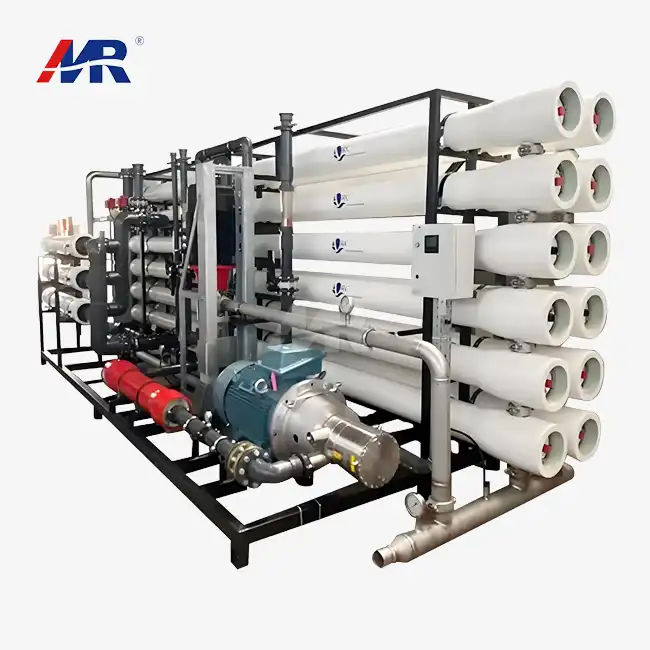
Membrane filtration is very good at getting rid of dissolved solids, chemical compounds, and bacteria in reverse osmosis systems. But RO by itself can't get the ionic purity that is needed for pharmaceutical uses. EDI systems work with RO technology to do the final polishing that lowers conductivity to levels that are safe for pharmaceuticals. RO and EDI work together to make a synergistic effect. RO removes large amounts of contaminants, while EDI makes sure that ionic purity fulfills USP and EP criteria.
EDI vs Ion Exchange Resin and Deionization Systems
To work properly, traditional ion exchange systems need to be chemically regenerated with acids and bases from time to time. This causes problems with operations and waste management. With constant electrical regeneration, EDI systems get rid of these worries and keep the water quality stable without using chemicals. This method makes operations less complicated and better for the environment, which makes EDI especially appealing to pharmaceutical companies that want to use green manufacturing methods.
EDI vs UV Purification and Double-Pass RO Systems
Ultraviolet light is used in UV purification to get rid of microbes, while double-pass RO systems use consecutive membrane filtering to get rid of more organic matter. These solutions work with EDI systems by dealing with different types of contamination. UV systems take care of biological contamination, RO systems take care of organic and particle matter, and EDI systems ensure ionic purity. Integrated systems that use these technologies offer complete water treatment solutions that meet all pharmaceutical water quality standards.
Sourcing the Best EDI Purified Water Systems from China for Malaysia Pharma Parks
China's water treatment business has become a global leader, delivering cutting-edge EDI purified water systems that use new technology and are priced competitively. More and more Malaysian pharmaceutical companies are realizing the value that Chinese manufacturers offer through better engineering skills and full-service support.
Key Factors When Selecting Suppliers and Manufacturers
To successfully buy something, you need to carefully look at the credentials and skills of the manufacturer. Reputable Chinese suppliers show that they are ISO certified, follow GMP rules, and have a lot of experience in the pharmaceutical sector. Quality manufacturers give you all the paperwork you need, like design specs, performance validation data, and regulatory compliance certificates. After-sales support is just as crucial, and it includes things like help with installation, training for operators, and continuous Technical support.
Product Technical Specifications and Automation Features
Advanced Chinese EDI systems have advanced automation features that make operations more reliable and make it easier to keep an eye on things. Here are the most important technical specs to look at:
- Flexible flow rates: Systems with capacities ranging from 0.5 to 50 m³/h may handle a wide range of pharmaceutical production scales, from small labs to large factories.
- Advanced systems for keeping an eye on things: PLC controls with real-time conductivity sensors, pressure monitoring, and flow measurement make sure that everything works well and that problems are found early.
- Optimizing the design of a compact: Space-saving layouts provide you with the most options for installation while yet allowing full functioning and easy access to service.
These technological skills make sure that pharmaceutical facilities have technologies that work well with their current infrastructure and can grow as needed in the future.
Procurement Considerations: Pricing, Delivery, and Service Contracts
Chinese manufacturers have prices that are competitive because they use economies of scale and efficient manufacturing. Most comprehensive service contracts come with guarantees for equipment, programs for getting spare parts, and help with maintenance. Manufacturers usually work with project timetables when setting delivery dates, and often offer extensive installation and commissioning support to make sure the system is set up correctly.
Optimizing Performance and Maintenance of EDI Purified Water Systems
To get the most out of your EDI purified water system, you need to regularly maintain it and keep trying to make it better. Pharmaceutical facilities benefit from using systematic methods to keep an eye on performance and plan maintenance ahead of time.
How to Improve EDI System Efficiency in Pharma Parks
Finding operational bottlenecks and making targeted improvements are the first steps in optimizing performance. Real-time monitoring technologies help operators find performance problems early on, before they turn into big ones. Automation features like conductivity alarms and flow monitoring keep an eye on things all the time, making sure that systems always have pharmaceutical-grade water quality.
Common Problems and Troubleshooting Strategies
Under some conditions, EDI systems may have problems with membrane fouling or changes in conductivity. Regular membrane inspections, following a cleaning schedule, and keeping an eye on water quality are all parts of preventive maintenance that help with these problems. Maintaining the pretreatment system properly eliminates upstream contamination that could damage EDI performance. Regular examinations of the electrical system make sure that electrochemical regeneration works as well as possible.
Compliance with Water Quality Standards and Validation Procedures
To make sure that pharmaceutical water quality is good, there must be thorough testing processes that check that the system meets all regulatory standards. EDI systems must always make water that meets USP purified water standards for things like conductivity, TOC, and microbiological limitations. Validation documentation should provide methods for installation qualification, operational qualification, and performance qualification that show how well the system works and how reliable it is.
Conclusion
Malaysia's pharmaceutical parks are areas of rapid growth that need stable, high-quality water treatment systems. Chinese EDI manufacturers, especially those like Morui, offer tried-and-true technology that blends high-tech engineering with low costs. Malaysian pharmaceutical facilities can meet regulatory requirements and improve operating efficiency by choosing the right EDI systems and working with experienced suppliers. Chinese EDI systems are the best choice for treating pharmaceutical water in Malaysia's growing pharmaceutical industry because they have tried-and-true technology, full support services, and solutions that don't break the bank.
Frequently Asked Questions
1. What capacity range of EDI purified water systems is most suitable for Malaysian pharmaceutical parks?
Most Malaysian pharma parks benefit from EDI systems with 5-30 m³/h capacity, which aligns with typical production volumes and provides scalability for future expansion. Smaller facilities may require 0.5-5 m³/h systems, while large-scale operations might need 30-50 m³/h capacity to meet their pharmaceutical manufacturing demands.
2. How does the maintenance frequency of EDI systems compare to traditional ion exchange systems?
EDI systems require significantly less maintenance than traditional ion exchange systems. While conventional resin systems need chemical regeneration every 24-72 hours, EDI systems operate continuously without chemical regeneration, requiring only periodic membrane cleaning and routine monitoring checks every 3-6 months.
3. Can EDI purified water systems integrate with existing reverse osmosis infrastructure in pharmaceutical facilities?
Yes, EDI systems integrate seamlessly with existing RO systems, actually enhancing overall water quality by providing final ionic polishing. This combination creates an optimal two-stage purification process where RO handles bulk contaminant removal, and EDI ensures pharmaceutical-grade ionic purity, maximizing both efficiency and water quality.
Contact Morui for Your EDI Purified Water System Requirements
Malaysian pharmaceutical facilities seeking reliable, cost-effective water purification solutions will find Morui's expertise invaluable for their operational success. As a trusted EDI purified water system manufacturer, we understand the unique challenges pharmaceutical facilities face in maintaining consistent water quality while managing operational costs and regulatory compliance.
Our comprehensive approach encompasses system design, manufacturing, installation, and ongoing support services that ensure optimal performance throughout the system lifecycle. With proven experience serving pharmaceutical clients across Southeast Asia, we bring a deep understanding of regional requirements and regulatory frameworks that influence system design and operation.
Discover how Morui's advanced EDI technology can enhance your pharmaceutical water treatment capabilities. Our Team of engineers stands ready to evaluate your specific requirements and recommend optimal solutions that align with your production needs and budget considerations. For detailed specifications and customized proposals, contact us at benson@guangdongmorui.com. Visit our website at moruiwater.com to explore our complete range of water treatment solutions and learn how we can support your pharmaceutical manufacturing excellence.
References
1. Malaysian Investment Development Authority. "Pharmaceutical and Biotechnology Industry Development in Malaysia." Industrial Development Report, 2023.
2. Association of Southeast Asian Nations. "ASEAN Pharmaceutical Manufacturing Standards and Water Quality Requirements." Regional Compliance Guidelines, 2022.
3. International Society for Pharmaceutical Engineering. "Water and Steam Systems for Pharmaceutical Manufacturing." Technical Monograph Series, 2023.
4. World Health Organization. "Good Manufacturing Practices for Pharmaceutical Water Systems in Developing Countries." Global Health Initiative Report, 2022.
5. Malaysia Pharmaceutical Society. "Current Trends in Pharmaceutical Manufacturing Technology and Infrastructure." Annual Industry Survey, 2023.
6. China Water Treatment Equipment Manufacturing Association. "Export Performance and Technology Transfer in Southeast Asian Markets." Trade Development Analysis, 2023.