_1745823981883.webp)

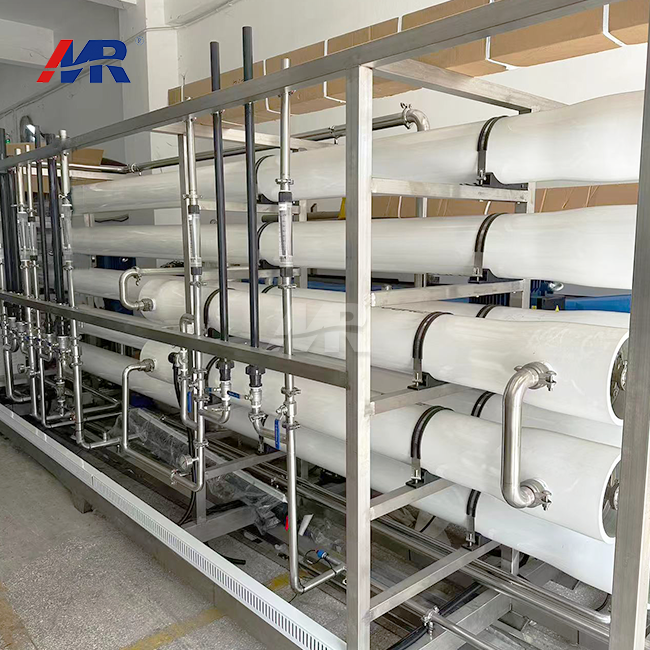
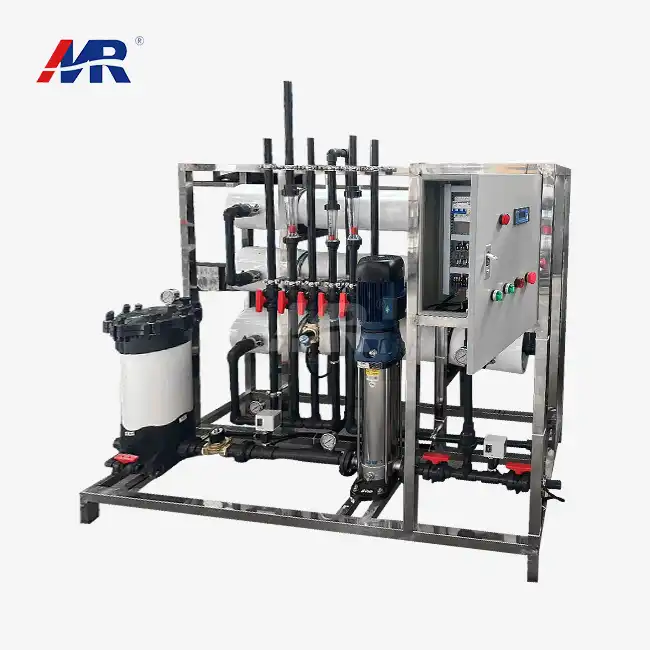
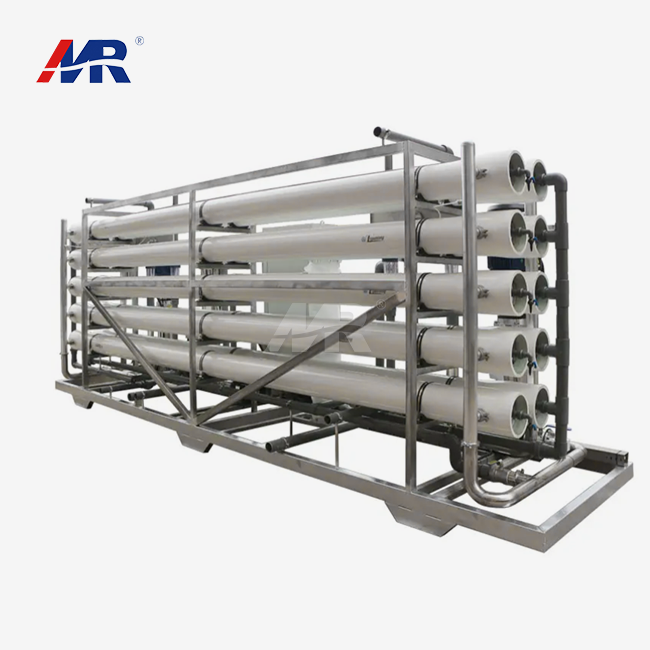
Thailand's cosmetics factories are buying more and more edi systems from China because Chinese makers offer advanced technology, low prices, and full support. Electrodeionization technology in an EDI system in water treatment cleans water better than other methods. This is very important for cosmetics making because the quality of the water directly affects the safety and consistency of the Products. Chinese suppliers have become stars in the industry by providing high-performance EDI systems that meet international standards and offer solutions that can be customized to fit the needs of Thailand's growing cosmetics industry. With this strategic approach to sourcing, Thai manufacturers can meet their needs for ultrapure water at a low cost, while also getting strong technical help and dependable supply chains.

Understanding EDI Systems in Water Treatment
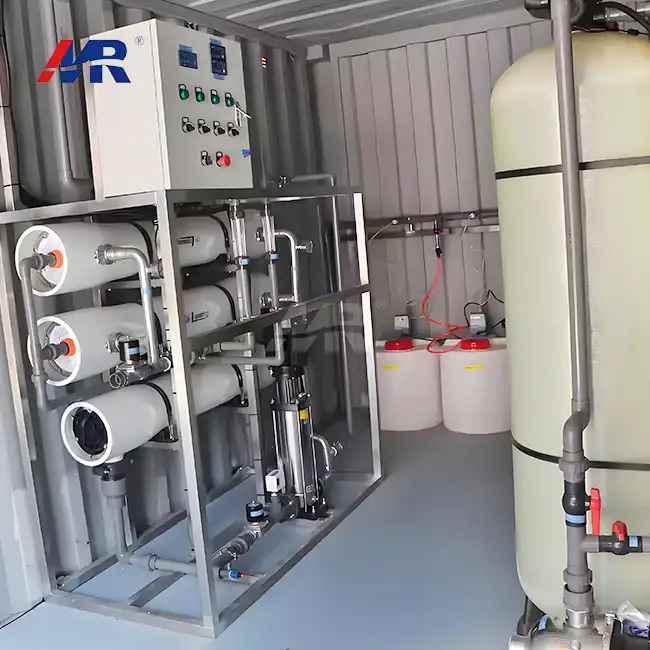
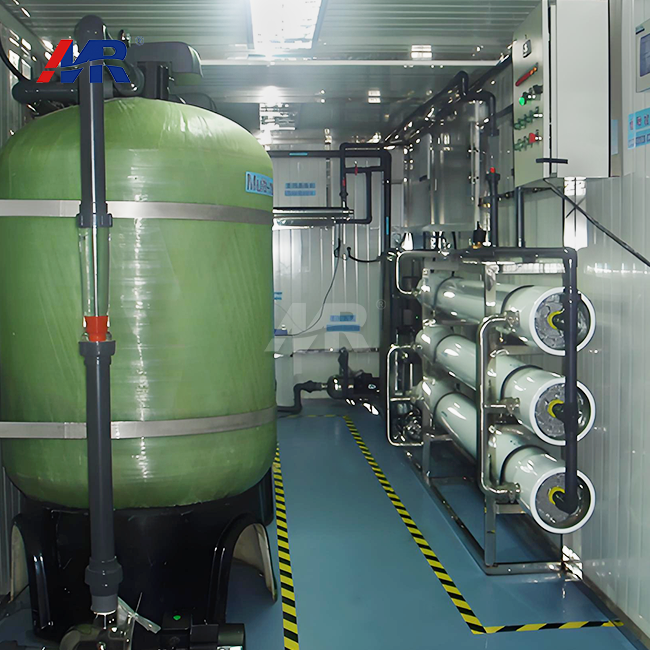
Edi system in water treatment, a novel water purification method, uses ion exchange and electrodialysis to produce ultrapure water without chemical regeneration. This new technique uses electric current to continuously eliminate ionic contaminants, making it ideal for cosmetics manufacturing with strict water purity criteria.
What Is an EDI System and How Does It Work?
In an EDI system, electrical current moves water that has already been cleaned through ion exchange membranes to remove ions all the time. Electrodialysis and ion exchange get rid of ionic pollutants without using chemical regenerants. This method makes high-quality water with resistivity levels as high as 18.2 M··cm, which is perfect for makeup where even small amounts of pollutants could hurt the quality of the product.
The workflow begins with pre-treatment, followed by RO filtration, the EDI process itself, optional post-treatment, and finally delivers high-purity water output. This systematic approach guarantees water quality that meets the stringent requirements of cosmetics production facilities.
Benefits of EDI Systems for Cosmetics Water Purification
Numerous benefits make EDI technology ideal for cosmetics manufacturing. Chemical-free operation removes environmental and safety risks related to regeneration chemicals. These systems are highly energy efficient, requiring about 0.1-0.3 kWh/m³ and operating continuously without stopping for regeneration cycles.
EDI systems' compact size makes them easier to integrate into existing production facilities, and their low maintenance needs simplify operations. These systems provide ultrapure water for luxury cosmetics production with recovery rates over 90% and silica removal below 1 ppb.
Applications of EDI Technology in Cosmetics Plants
Cosmetics firms use EDI systems from ingredient preparation to product development. The technique is essential for makeup, skincare, and personal care products where water quality affects stability and safety. Besides cosmetics, EDI systems are used in pharmaceutical, microelectronics, power generation, food and beverage, and laboratory research.
Comparing EDI Systems with Other Water Treatment Technologies
When choosing water treatment methods for making cosmetics, decision-makers need to think about the long-term benefits and costs of each technology. EDI solutions are better than old techniques because they provide better performance and operational benefits.
EDI vs Reverse Osmosis and Ion Exchange Resin
Reverse osmosis makes waste and needs the membrane to be changed often, whereas ion exchange resins need to be chemically regenerated regularly. EDI technology works better than both of them since it works all the time without chemicals and keeps the water clean.
Combining EDI with pre-treatment systems makes a complete solution that works best and has the least effect on the environment. This method is very helpful for cosmetics factories that have to follow tight rules and sustainability rules.
Why EDI Outperforms Traditional Deionization and Distillation Methods
Distillation uses too much energy and needs a lot of upkeep, whereas traditional deionization needs expensive chemical regeneration cycles and makes dangerous waste. The Edi system in water treatment gets rid of these problems by cleaning the water all the time without using chemicals or boiling it up too much.
Cosmetics makers that can't afford to stop manufacturing because of water quality problems need to make sure that their products are reliable. EDI systems run all the time and can handle flow rates of 0.5 to 50 m³/h. This means that production capacity is steady even when demand changes.
Cost Considerations: EDI versus Other Systems
Even while the upfront expenses of EDI systems may seem higher than those of traditional systems, a total cost of ownership analysis shows that they can save a lot of money over time. Over the life of the system, decreased operational costs come from less chemical use, less maintenance, and less downtime.
Energy efficiency is another important consideration. EDI systems use a lot less electricity than distillation machines and produce better water quality. This efficiency leads to lower utility bills and better environmental sustainability measures.
Why Choose Chinese EDI System Suppliers for Thailand Cosmetics Plants?
China is now the world's top producer of innovative water treatment technologies. This means that Thai cosmetics companies can get world-class EDI systems at low prices. The fact that China and Thailand are close to one another makes logistics, support, and continuous service ties even better.
High-Quality, Cost-Effective Solutions Tailored to Industrial Needs
Chinese manufacturers have put a lot of money into research and development, which has led to EDI systems that meet or surpass international quality standards while being competitively priced. These companies know what it takes to make cosmetics and offer tailored solutions that solve particular production problems.
Chinese vendors can make things on a large scale, which helps keep costs down for end users by lowering the prices of equipment and offering full warranty coverage. These systems fulfill the strict demands of cosmetics production facilities since they have quality Certifications and follow international norms.
Advanced Technology and Proven Performance of Chinese EDI Systems
Advanced Technology and Proven Performance. The Chinese water treatment sector is always coming up with new ideas. Manufacturers are always working to make membrane technology, automation capabilities, and system integration features better. These improvements have led to EDI systems that work very well and are easier to use and maintain.
Chinese-made EDI systems are reliable and successful in a wide range of industrial settings. From cosmetics facilities all around Southeast Asia, case studies show that the performance claims are true and that successful implementations have made manufacturing more efficient and increased product quality.
Comprehensive Service and Support from Chinese Manufacturers
Because China and Thailand are close to one another, technical assistance may be quick, spare parts can be sent quickly, and servicing can be done on-site. Most Chinese manufacturers offer full service packages that include overseeing installation, training operators, and providing continuing Technical support.
Thai cosmetics facilities can get quick help when they need it, thanks to established distribution networks and local service centers. This keeps production schedules from being disrupted as much as possible. This service infrastructure is a big plus over suppliers who are farther away.
Optimizing EDI System Performance in Cosmetics Manufacturing
To get the most out of EDI technology, you need to know how to set it up right, maintain it working smoothly, and make it operate better. These things help the system perform better and endure longer while still following water quality rules.
Best Practices for EDI System Installation and Maintenance
The first step to a successful EDI system in water treatment implementation is to plan how to size and connect the systems in the right way. Pre-treatment needs must be carefully looked at to ensure the best quality of feed water. To make sure they work safely and reliably, electrical connections and control systems need to be installed by a professional.
Regular maintenance includes cleaning the membranes, inspecting the electrical system, and keeping an eye on the quality of the water. These processes keep problems from happening and ensure the system works the same way every time.
Troubleshooting Common EDI System Issues
Being aware of prospective operational problems enables you to deal with them ahead of time and fix them swiftly. Membrane fouling, issues with the electrical system, and variations in the quality of the feed water are all things that might make the system work less well.
Setting up full monitoring systems and clear troubleshooting steps can help operators keep things running smoothly and cut down on downtime. Training programs make sure that plant staff have the skills they need to deal with small operational difficulties and routine maintenance.
Enhancing System Efficiency for Cost and Energy Savings
The goal of performance optimization solutions is to make the best use of energy while still meeting water quality standards. Making operations more effective by connecting the system to the existing infrastructure, introducing automation features, and improving process management are all good ways to do this.
Regular performance assessments help uncover ways to improve things and make sure that systems maintain performing at their best for as long as they are in use. These studies also help us figure out how much maintenance will be needed and how to get ready for more capacity in the future.
Conclusion
Thailand's cosmetics plants benefit significantly from sourcing EDI systems from Chinese manufacturers who offer advanced technology, competitive pricing, and comprehensive support services. The superior performance characteristics of EDI technology, including chemical-free operation and continuous water purification, make it ideal for cosmetics manufacturing, where water quality directly impacts product integrity. Chinese suppliers have demonstrated their capability to deliver reliable, high-performance systems that meet international standards while providing responsive technical support and service. This combination of technological excellence and operational support positions Chinese EDI system suppliers as strategic partners for Thai cosmetics manufacturers seeking to optimize their water treatment operations and maintain competitive advantages in the global market.
Frequently Asked Questions
1. What is the typical lifespan of an EDI system membrane in cosmetics water treatment?
EDI system membranes typically last 3-5 years in cosmetics applications, depending on feed water quality and maintenance practices. Proper pre-treatment and regular cleaning can extend membrane life and maintain optimal performance throughout the operational period.
2. Can EDI systems handle fluctuations in feed water quality from local sources in Thailand?
Yes, modern EDI systems include robust pre-treatment capabilities that accommodate variations in local water quality. Customizable configurations allow systems to handle specific challenges associated with Thai water sources while maintaining consistent output quality.
3. How does sourcing from China affect delivery timelines and cost compared to local or other international suppliers?
Chinese suppliers typically offer delivery timelines of 6-12 weeks for standard systems, with competitive shipping costs due to proximity and established logistics networks. This timeline compares favorably with European or American suppliers while offering significant cost advantages.
Partner with Morui for Advanced EDI Water Treatment Solutions
Guangdong Morui Environmental Technology stands ready to transform your cosmetics plant's water treatment capabilities with our advanced EDI system in water treatment technology. Our specialized solutions combine cutting-edge electrodeionization processes with comprehensive support services, ensuring your facility achieves the ultrapure water quality essential for premium cosmetics production.
As a leading manufacturer in the water treatment industry, Morui brings over 14 years of expertise through our extensive network of branches, 500 dedicated employees, and 20 specialized engineers. Our integrated approach includes membrane production facilities and equipment processing centers, allowing us to deliver customized EDI systems that meet your specific production requirements.
Our EDI systems deliver exceptional performance with flow rates from 0.5-50 m³/h, energy consumption as low as 0.1-0.3 kWh/m³, and recovery rates exceeding 90%. These specifications ensure your cosmetics plant maintains consistent water quality while optimizing operational costs and environmental sustainability.
We provide comprehensive one-stop services including equipment design, installation supervision, commissioning support, and ongoing technical assistance. Our partnerships with renowned brands like Shimge Water Pumps, Runxin Valves, and Createc Instruments enhance our ability to deliver complete water treatment solutions.
Ready to upgrade your water treatment capabilities? Contact us at benson@guangdongmorui.com to discuss your specific requirements and receive a customized proposal. Visit moruiwater.com to explore our complete range of water treatment solutions designed for the cosmetics industry.
References
1. International Water Association. "Electrodeionization Technology in Industrial Water Treatment Applications." Water Science and Technology Journal, 2023.
2. Thailand Board of Investment. "Cosmetics Industry Development and Water Treatment Requirements." BOI Industrial Sector Report, 2023.
3. Asian Development Bank. "Water Treatment Technology Adoption in Southeast Asian Manufacturing." Regional Development Studies, 2023.
4. China Water Treatment Equipment Association. "Export Statistics and Technology Standards for EDI Systems." Annual Industry Report, 2023.
5. Cosmetics and Toiletries Magazine. "Water Quality Standards in Global Cosmetics Manufacturing." Industry Technical Guidelines, 2023.
6. World Health Organization. "Guidelines for Water Quality in Pharmaceutical and Cosmetics Production." International Standards Publication, 2022.