_1745823981883.webp)


How Can Seawater Desalination Systems Reduce Environmental Impact?
It is vital to lessen the effects that seawater desalination system plants have on the surrounding ecosystem to make water production sustainable. There are several strategies to reduce environmental damage and make things work better in general.
Making Intake Systems Better
One of the biggest worries regarding desalination is how it will affect marine life when the water is taken in. Advanced intake systems can protect aquatic life from a lot of damage:
- Subsurface intakes: These systems extract water from below the bottom and act as natural filters. They also keep marine life from getting stuck in the process.
- Intakes with velocity caps let in less water, which implies they bring in fewer creatures.
- Screening technologies: Fine mesh screens and fish return systems help keep larger animals out of the intake pipes.
These strategies can help decrease the damage that desalination plants do to marine environments in the area.
Handling and Thinning Brine
Putting concentrated brine back into the ocean is another significant environmental problem. Here are some novel approaches to deal with brine:
- Multi-port diffusers: These tools spread brine over a larger area, which helps it mix faster.
- Mixing zones are areas where brine and seawater from the area around it are mixed before being released.
- Brine upcycling is the process of removing valuable minerals from brine so they can be used in industry. This cuts down on waste.
These steps can make a big difference in how much damage brine discharge brings to marine environments.
Energy Efficiency and Renewable Energy
To make desalination operations less harmful to the environment, it is vital to use less energy:
- Pumps and systems for recovering energy that function well
- Using both solar and wind power as sustainable energy sources
- Changing operational settings to save energy
Not only do these methods aid the environment, but they also cut costs, which makes desalination more sustainable and cost-effective.
Eco-Friendly Technologies for Modern Seawater Desalination Systems
As desalination technology has improved, new solutions have been developed for seawater desalination systems that are better for the environment and are made to deal with the problems that come with previous systems. These new ways of doing things are mostly about making things more efficient, using less energy, and having less of an impact on the environment:
FO, or Forward Osmosis
Forward osmosis is a new technology that has several environmental benefits:
- Uses less energy than reverse osmosis
- Less fouling of the membrane, which makes it last longer
- The possibility of using low-grade heat sources, which would lower energy needs even more.
FO is still being worked on for use on a large scale, but it has the potential to make desalination processes that are better for the environment.
MD, or Membrane Distillation
membrane distillation is a method that uses heat to work and has certain distinct benefits:
- Can work at lower temperatures, which means you can use waste heat or solar thermal energy
- High salt rejection rates, which make high-quality freshwater
- The possibility of zero liquid discharge systems, which reduce brine disposal problems
Machine learning technology works best in small to medium-sized applications and areas with a lot of low-grade thermal energy.
Capacitive Deionization (CDI)
CDI is an electrochemical technology for desalination that has several eco-friendly features:
- Desalination of brackish water that doesn't use much energy
- Compared to typical procedures, this one uses very few chemicals.
- Possibility of recovering energy during the desorption phase
Even while CDI works best on water with low to moderate salinity, researchers are working to make it more useful for desalinating seawater.
Membranes that mimic nature
Biomimetic membranes are fascinating because they work like nature's water filters:
- Better ability to let water through and keep salt out
- Possibility of self-cleaning qualities that cut down on the need for chemical cleaning
- Better energy efficiency because of better water transport routes
Biomimetic membranes are currently being researched, but they could be a way to build new desalination technology.
Minimizing Carbon Footprint in Seawater Desalination System Operations
For seawater desalination systems to last, they need to have a smaller carbon impact. There are many ways to reduce greenhouse gas emissions and make the environment better overall:
Design and operation that save energy
By improving the design and operation of desalination facilities, you can cut down on energy use by a lot:
- Advanced membrane materials that let more water through and keep more salt out
- Better energy recovery devices that can catch and use pressure energy
- Smart control systems that may change operating parameters in real time
- Regular cleaning and maintenance to keep scaling and fouling from lowering efficiency
These methods could lead to big cuts in both energy use and the carbon emissions that come with it.
Putting together renewable energy sources
Using renewable energy sources in desalination plants is an important way to lower carbon footprints:
- Solar photovoltaic panels that make power
- Wind turbines in the right places along the coast
- Using concentrated solar electricity for thermal desalination
- Energy storage devices to deal with the fact that renewable sources aren't always available
If desalination plants transition to renewable energy sources, they might greatly reduce their use of fossil fuels and the pollution that comes with them.
Recovering heat from waste and cogeneration
Using waste heat from making power or running machines can make energy use more efficient overall:
- Working with power plants to make both energy and desalinated water at the same time
- Getting rid of waste heat from brine streams to warm up the entering saltwater
- Using low-quality heat for processes like membrane distillation or multi-effect distillation
These solutions could help desalination facilities use less energy and have a smaller carbon footprint overall.
Putting carbon back into the ground and offsetting it
Carbon offsetting solutions can be used for emissions that can't be completely removed:
- Putting money into efforts to plant trees or restore forests
- Helping renewable energy projects in other areas
- Looking into ways for capturing and storing carbon
These steps won't directly cut down on emissions, but they can help make up for the carbon footprint of desalination processes.
Life Cycle Assessment and Ongoing Improvement
To find areas that need work, it is important to do full life cycle evaluations (LCA) of desalination processes:
- Examining the carbon footprint of building materials and tools
- Evaluating the ecological consequences of chemical application and disposal
- Looking at emissions from transportation and logistics
- Setting up programs for ongoing monitoring and improvement
Desalination companies may make sure that their environmental performance keeps getting better by using a whole-system approach to lowering their carbon footprint in their seawater desalination system.
Frequently Asked Questions
1. What are the main environmental concerns associated with seawater desalination?
The primary environmental concerns include marine life impingement and entrainment at intake points, brine discharge affecting local ecosystems, high energy consumption leading to greenhouse gas emissions, and potential impacts on coastal habitats due to infrastructure development.
2. How does brine discharge from desalination plants affect marine ecosystems?
Brine discharge can increase salinity and temperature in local marine environments, potentially affecting marine flora and fauna. It may also contain chemicals used in the desalination process, which can harm sensitive marine organisms. Proper dilution and dispersion techniques are crucial to minimize these impacts.
3. Can seawater desalination be powered entirely by renewable energy?
While it's challenging to power large-scale desalination plants entirely with renewables due to their high energy demands and the intermittent nature of renewable sources, significant progress is being made. Many plants are incorporating solar and wind power, and some smaller-scale operations have achieved 100% renewable energy use. Continued advancements in energy efficiency and storage technologies are making this goal increasingly attainable.
Sustainable Seawater Desalination Systems for a Water-Secure Future | Morui
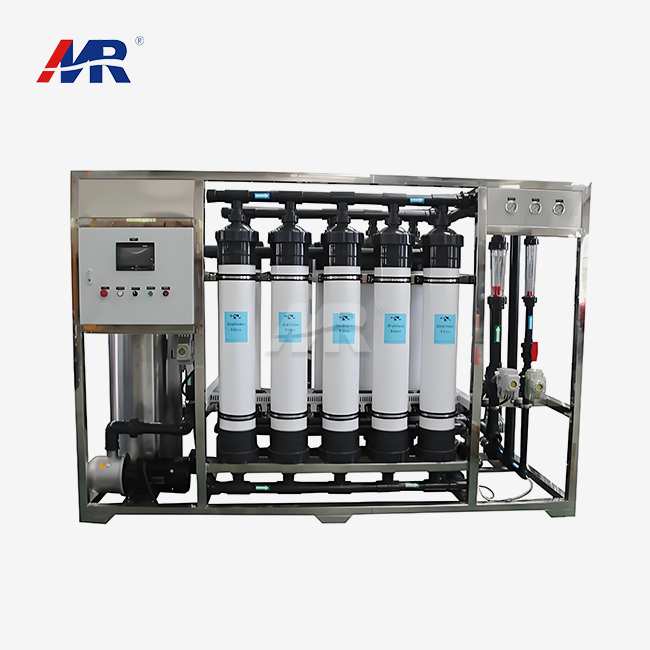
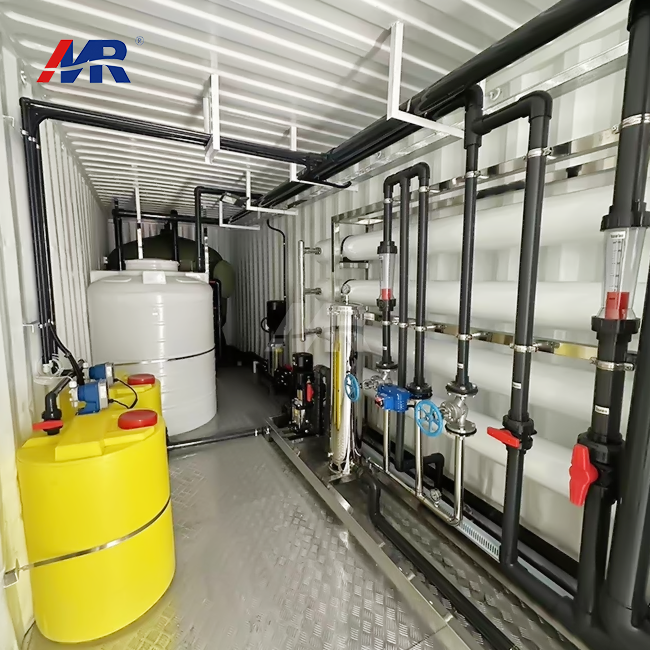
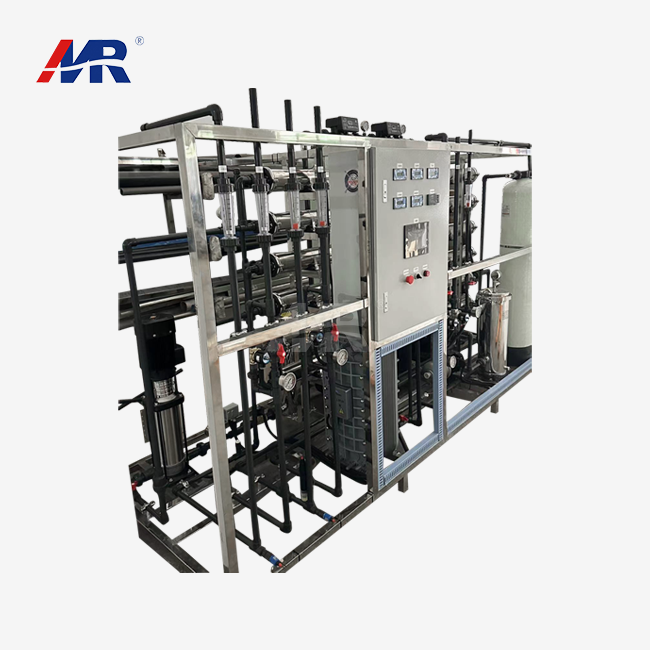
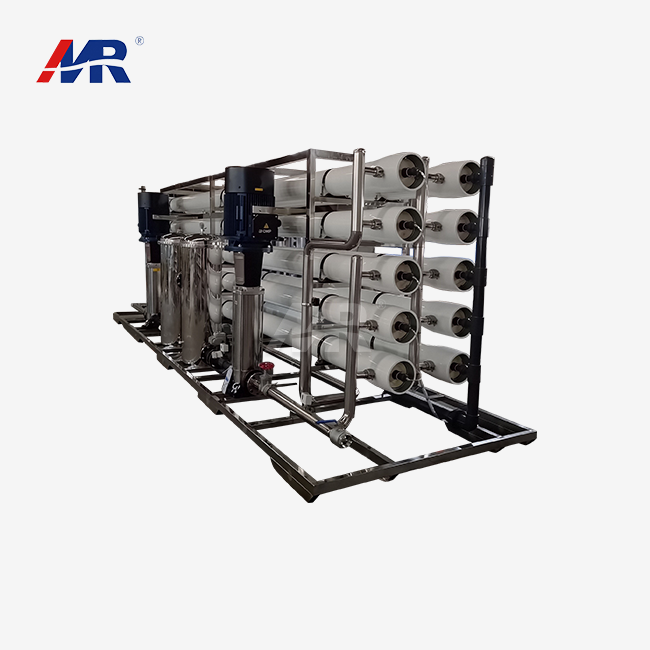
Are you looking for environmentally responsible and efficient seawater desalination systems? Guangdong Morui Environmental Technology Co., Ltd. is your trusted partner in sustainable water treatment solutions. Our cutting-edge desalination equipment is designed to meet the diverse needs of industries ranging from municipal water supply to offshore operations. With a focus on minimizing environmental impact and maximizing efficiency, our systems incorporate the latest advancements in membrane technology, energy recovery, and brine management.
Don't let water scarcity limit your operations. Contact us today to discover how our tailored desalination solutions can ensure a reliable water supply while protecting our precious marine ecosystems. Our Team of experts is ready to assist you in selecting the perfect system for your specific requirements. Email us at benson@guangdongmorui.com to start your journey towards sustainable water security with Morui's innovative seawater desalination systems.
References
1. Jones, E., et al. (2019). "The state of desalination and brine production: A global outlook." Science of The Total Environment, 657, 1343-1356.
2. Gude, V. G. (2016). "Desalination and sustainability – An appraisal and current perspective." Water Research, 89, 87-106.
3. Elimelech, M., & Phillip, W. A. (2011). "The future of seawater desalination: Energy, technology, and the environment." Science, 333(6043), 712-717.
4. Ghaffour, N., et al. (2013). "Technical review and evaluation of the economics of water desalination: Current and future challenges for better water supply sustainability." Desalination, 309, 197-207.
5. Lattemann, S., & Höpner, T. (2008). "Environmental impact and impact assessment of seawater desalination." Desalination, 220(1-3), 1-15.
6. Shahzad, M. W., et al. (2017). "Energy-water-environment nexus underpinning future desalination sustainability." Desalination, 413, 52-64.