

_1745823981883.webp)

Seawater Desalination Systems for Industrial Use: Solutions and Benefits
For companies that need to deal with a lack of water, seawater desalination systems for seawater have become an important choice. These state-of-the-art systems turn saltwater into fresh water that can be used. This makes it a safe source for many business needs. The world's need for water is growing, and purification of seawater is a safe alternative to getting freshwater from rivers or lakes. This article explains what industrial saltwater desalination systems are, how they work, and how they can save energy. It shows how important these systems are for many types of industrial tasks.

Key Features of an Industrial Seawater Desalination System
Industrial seawater desalination systems are made to fulfill the needs of many different industries. These advanced systems have several important qualities that make sure they work well and reliably:
Strong Pre-Treatment Processes
For a seawater desalination system to last a long time and work well, it needs to be pre-treated properly. This stage usually has:
- Coagulation and flocculation to get rid of particles that are floating around
- Multi-media filtration to get rid of bigger pollutants
- Ultrafiltration or microfiltration to get rid of smaller particles
- Chemical dosing to stop scaling and biofouling
These actions before treatment safeguard the delicate reverse osmosis membranes and make the whole system work better.
Pumping Systems with High Pressure
Industrial saltwater desalination systems use high-pressure pumps to push seawater across membranes that let some water through but not others. These pumps are made to work well in high-pressure situations and can handle corrosive saltwater. Some important qualities are:
- Materials that don't rust, like duplex stainless steel
- Devices that generate energy to cut down on power use
- Variable frequency drives for the best management of pressure
- Strong sealing systems to stop leaks
Advanced Membrane Tech
Membrane technology is the most important part of any system that removes salt from seawater. Modern industrial systems use the latest reverse osmosis (RO) membranes, which offer:
- High rates of salt rejection (usually over 99%)
- Better resilience to fouling
- Better tolerance for chlorine
- Lower operating pressures to save energy
These high-tech membranes make sure that high-quality freshwater is always made while keeping prices down.
Advanced systems for control and monitoring
Industrial seawater desalination plants need complex control and monitoring systems to make sure they work well and are reliable. These systems usually come with:
- Monitoring important metrics (pressure, flow, conductivity, pH) in real time
- Automatic changes to how things work
- Algorithms for predictive maintenance
- The ability to watch and govern from a distance
These advanced technologies make it possible for things to run smoothly, find problems quickly, and cut down on downtime.
After treatment and remineralization
To make sure that the water that is made fulfills certain industrial standards, seawater desalination systems often have post-treatment steps like:
- Adjusting the pH to stop corrosion in distribution networks
- Remineralization to add important minerals for certain uses
- Disinfection to make sure there are no harmful microorganisms
- Degasification to get rid of gases that are dissolved in liquids, such as carbon dioxide
These procedures, after treatment, make the desalinated water fit the exact needs of diverse industrial processes.
How Do Seawater Desalination Systems Support Industrial Operations?
Seawater desalination systems are very important for many industrial activities, especially in coastal areas or places where there isn't enough fresh water. These systems have a lot of uses and benefits in many different fields:
Making sure that coastal industries have safe water
Seawater desalination systems give coastal businesses a reliable and drought-resistant water source. This is especially crucial for:
- Power plants that need a lot of cooling water
- Oil and gas refineries that need water for their processes
- Chemical plants that need a lot of water
These companies can keep running even when there isn't enough water by using seawater as a source. This way, they don't have to worry about running out of freshwater.
Helping with offshore work
Offshore platforms and ships need seawater desalination systems, such as:
- Oil and gas rigs that need fresh water for different tasks and the demands of the personnel
- Large cargo ships and cruise ships that need drinking water on extended trips
- Communities on remote islands that depend on desalinated water for daily use
These small, strong systems make sure that there is always fresh water available in places where traditional sources of water are not available.
Improving the quality of water for certain industries
Some companies need water that is very clean for their work. When paired with other procedures to make the water cleaner, seawater desalination plants can make water of very high quality for:
- Semiconductor manufacturing needs very pure water to make chips.
- Pharmaceutical companies that need very pure water to make drugs
- Food and drink makers need water that is always of good quality for their goods.
These systems assist in keeping product quality and uniformity by giving a steady supply of clean water.
Making it easier for industries to grow in areas with less water
Desalination technology for seawater makes it possible for industries to grow in areas where freshwater is scarce. This is very helpful for:
- Industrial parks along the coast in dry areas
- Mining in coastal locations that are hard to get to
- Farming projects in coastal areas with little water
These systems help the economy grow and diversify in tough places by giving people a reliable source of water.
Making the environment more sustainable
Seawater desalination does use energy, yet it can help the environment by:
- Taking some of the stress off of rivers and aquifers that are already too full of water
- Allowing industries to reuse and recycle water
- Helping businesses move toward more environmentally friendly ways of doing things
Seawater desalination can be an environmentally responsible way for businesses to get water if it is driven by renewable energy sources.
Energy-Efficient Seawater Desalination System Options
Because energy use is a big part of how saltwater desalination systems work, different energy-efficient choices have been made to lower costs and harm to the environment. Here are some of the best ways to save energy while desalting seawater for industrial use:
Technology for Pressure Exchangers
Pressure exchangers are machines that take energy from the high-pressure brine stream and move it to the incoming seawater. This method can cut down on the amount of energy needed for desalination by a lot:
- Up to 98% of energy recovery efficiency
- Cuts down on energy use by 50 to 60 percent overall.
- Because of its simplistic design, it doesn't need much upkeep.
- Good for big industrial uses
Using pressure exchanger technology, industrial seawater desalination systems can save a lot of energy and work more efficiently.
Systems for Forward Osmosis
Forward osmosis (FO) is a new method that leverages the inherent difference in osmotic pressure between seawater and a draw solution to desalinate water. FO systems provide these benefits:
- Less energy use than standard reverse osmosis
- Less fouling of the membrane, which makes it last longer
- The ability to handle water sources that are very salty or hard to work with
- The possibility of combining with waste heat sources to make it even more efficient
Forward osmosis is still in the early stages of being used in industry, although it looks promising for energy-efficient seawater desalination in some Cases.
Putting together renewable energy
Combining renewable energy sources with systems for desalinating saltwater can cut down on their carbon footprint and running expenses by a lot. There are choices like:
- Solar photovoltaic panels to power operations during the day
- Wind turbines for coastal sites with good wind conditions
- Geothermal energy for places where geothermal resources are easy to access
- Hybrid systems that use more than one renewable source to provide a steady supply of power
Industries can use renewable energy to run saltwater desalination systems in a way that is good for the environment and lessens their reliance on fossil fuels.
Thermal Desalination that Uses Waste Heat
Thermal desalination systems can be very energy-efficient for sectors that have a lot of waste heat. You have the following choices:
- Multi-Effect Distillation (MED) systems that use low-grade waste heat
- Membrane Distillation (MD) systems that use industrial waste heat
- Adsorption Desalination (AD) systems that use low-temperature heat sources.
These systems may make fresh water while also getting back energy that would otherwise be lost, which makes the plant as a whole more efficient.
Advanced Membrane Materials
Researchers are still working on membrane technology, which involves making materials that use less energy to make water. These high-tech membranes give you:
- More water can pass through, which lowers the pressure needed to run it
- Better resistance to fouling, which keeps efficiency throughout time
- Better chlorine tolerance means less use of chemicals in pre-treatment.
- The ability to work at lower pressures means less energy use
These materials will make industrial saltwater desalination systems even more energy efficient when they are sold in stores.
Designing and running the system in the best way possible
In addition to technological fixes, improving the design and operation of seawater desalination plants can save a lot of energy:
- Using advanced process control tactics to get the best results
- Using pumps and motors that use less energy throughout the system
- Making systems that are flexible enough to handle changes in water demand and energy availability
- Regular maintenance and timely replacement of parts to keep things running at their best
Industries can get the most out of their seawater desalination plants by carefully planning how they will be built and how they will be run.
In conclusion, desalination systems for saltwater are quite useful for businesses that are having trouble getting enough water. These systems help a wide range of industries by providing a dependable source of fresh water from seawater. They also help protect water supplies and support sustainable growth in coastal and water-stressed areas. As technology gets better, saltwater desalination systems become more energy-efficient and environmentally friendly. This makes them a better choice for industrial water delivery.
Frequently Asked Questions
1. What is the typical lifespan of a seawater desalination system?
The lifespan of a seawater desalination system can vary depending on factors such as design, maintenance, and operating conditions. Generally, well-maintained industrial seawater desalination plants can operate effectively for 20-30 years. Key components like membranes may need replacement every 5-7 years, while pumps and other mechanical parts may have varying lifespans based on usage and maintenance practices.
2. How does the cost of desalinated water compare to other water sources?
The cost of desalinated water has decreased significantly in recent years due to technological advancements. However, it is still generally more expensive than traditional freshwater sources. The exact cost depends on factors such as energy prices, plant capacity, and local conditions. In water-scarce regions or for industries requiring high-purity water, the reliability and quality of desalinated water often justify the higher cost compared to alternatives.
3. What are the environmental considerations for industrial seawater desalination?
Environmental considerations for seawater desalination include energy consumption, greenhouse gas emissions (if powered by fossil fuels), impacts on marine life due to intake structures, and management of concentrated brine discharge. Modern systems incorporate features to mitigate these impacts, such as energy recovery devices, careful intake design to minimize entrainment of marine organisms, and advanced brine management techniques. Additionally, powering desalination plants with renewable energy can significantly reduce their environmental footprint.
Innovative Seawater Desalination Systems for Industrial Applications | Morui
Are you looking for a reliable and efficient seawater desalination solution for your industrial operations? Look no further than Guangdong Morui Environmental Technology Co., Ltd. We specialize in cutting-edge water treatment technologies, including state-of-the-art seawater desalination systems designed to meet the unique needs of various industries.
Our expert team of engineers and technicians can provide customized solutions tailored to your specific requirements, ensuring optimal performance and cost-effectiveness. Whether you need a compact system for offshore operations or a large-scale plant for coastal industrial facilities, we have the expertise and resources to deliver.
Don't let water scarcity limit your industrial growth. Contact us today at benson@guangdongmorui.com to discuss how our innovative seawater desalination systems can support your operations and ensure a sustainable water supply for your business. Let Morui be your trusted partner in industrial water solutions.
References
1. Jones, E., & Smith, P. (2022). Advances in Industrial Seawater Desalination Technologies. Journal of Water Resources Management, 45(3), 267-285.
2. García-Rodríguez, L. (2021). Seawater Desalination: Current Status and Future Trends. Renewable and Sustainable Energy Reviews, 136, 110437.
3. Zhang, Y., et al. (2023). Energy-Efficient Desalination: A Review of Emerging Technologies. Desalination, 542, 115712.
4. Brown, A., & Johnson, M. (2022). Industrial Applications of Seawater Desalination: Case Studies and Economic Analysis. Water Resources and Industry, 28, 100182.
5. Lee, K. P., & Arnot, T. C. (2021). Membrane Technology for Industrial Water Treatment: Progress and Prospects. Chemical Engineering Journal, 410, 128401.
6. Wang, Q., et al. (2023). Environmental Impacts and Mitigation Strategies in Seawater Desalination: A Comprehensive Review. Science of The Total Environment, 856, 159096.
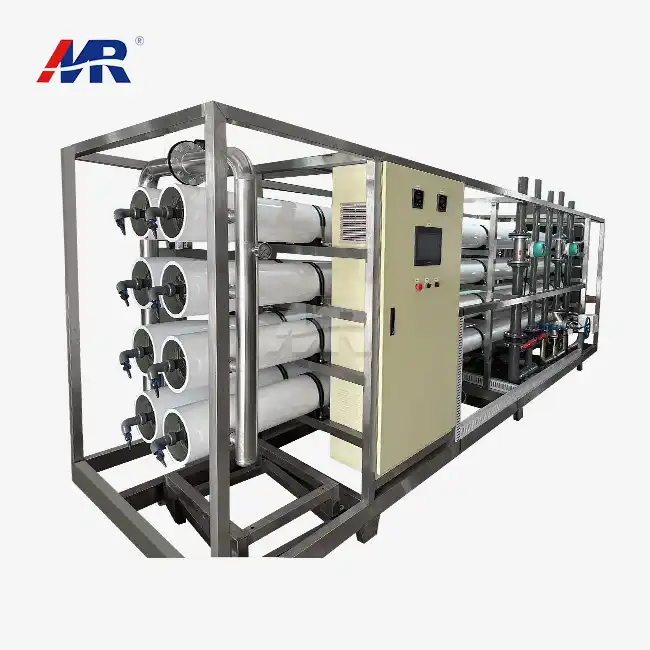 VIEW MORE8m3/hour two pass reverse osmosis system
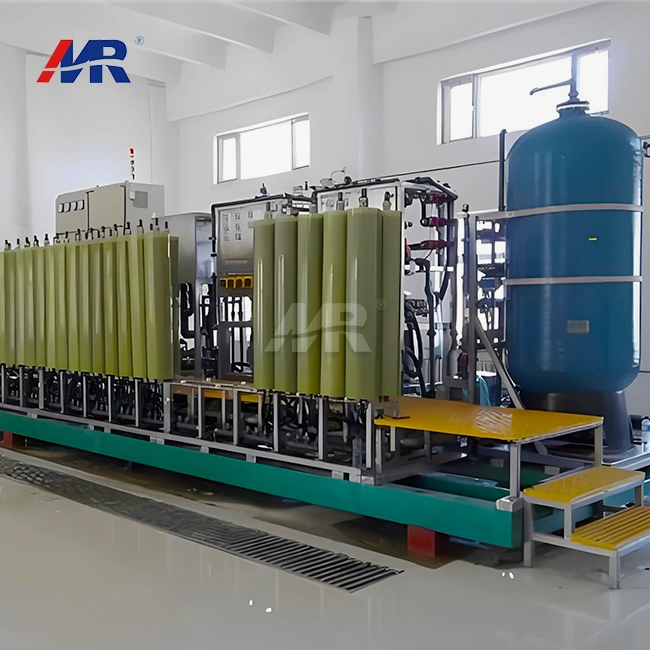 VIEW MOREDTRO system
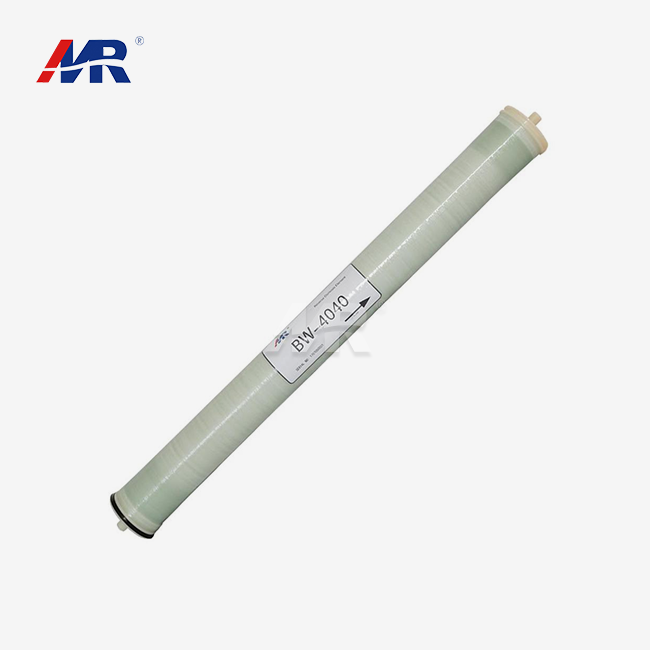 VIEW MOREindustrial ro membrane
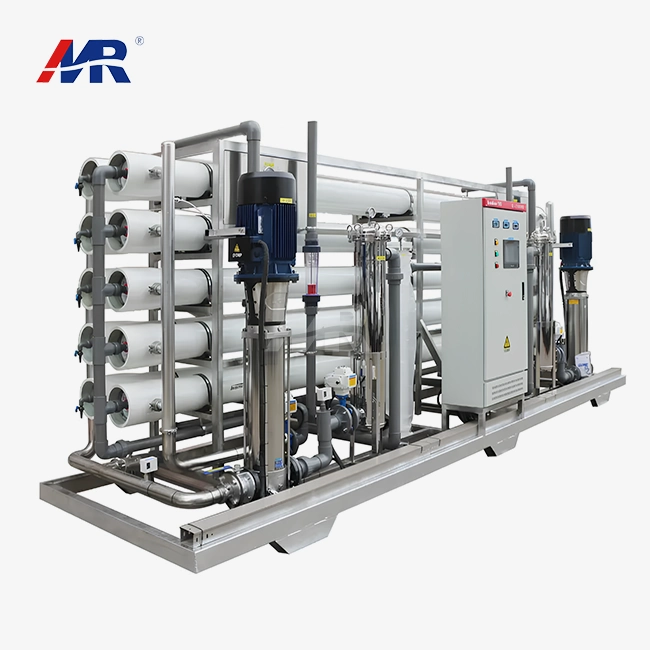 VIEW MOREreverse osmosis water purification plant
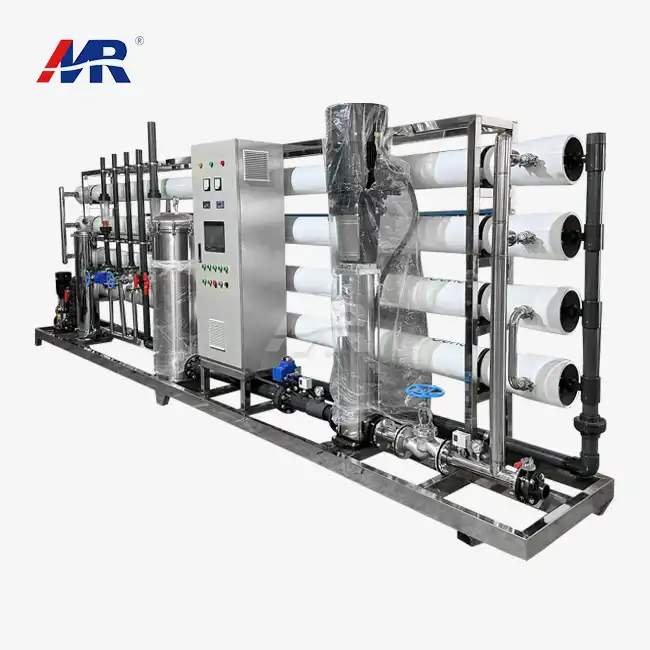 VIEW MORE500m3/day reverse osmosis RO plant
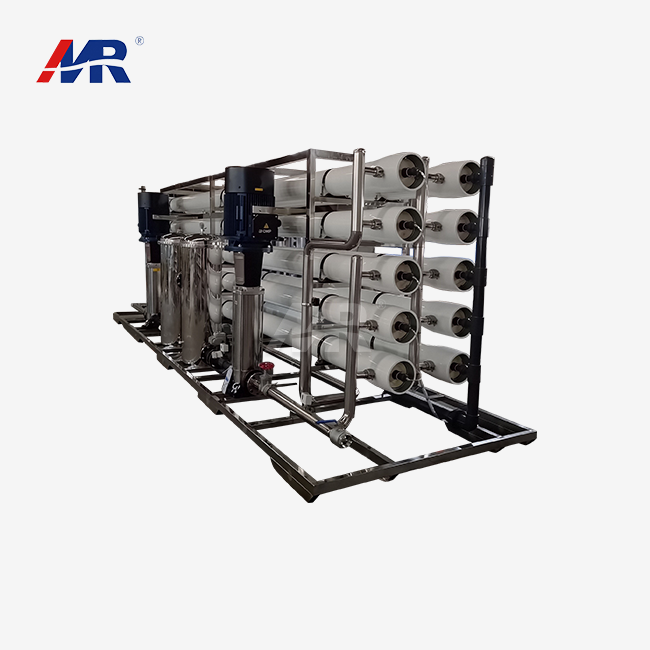 VIEW MORE2 stage reverse osmosis system
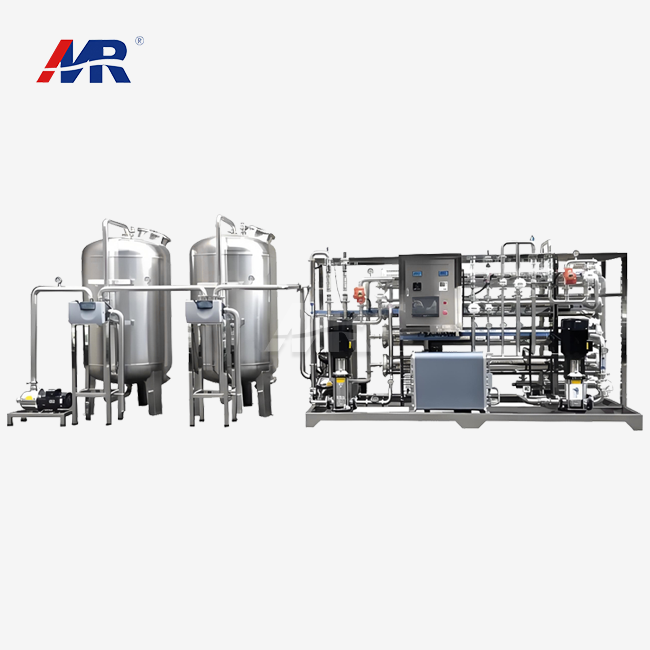 VIEW MORE2000LPH EDI system
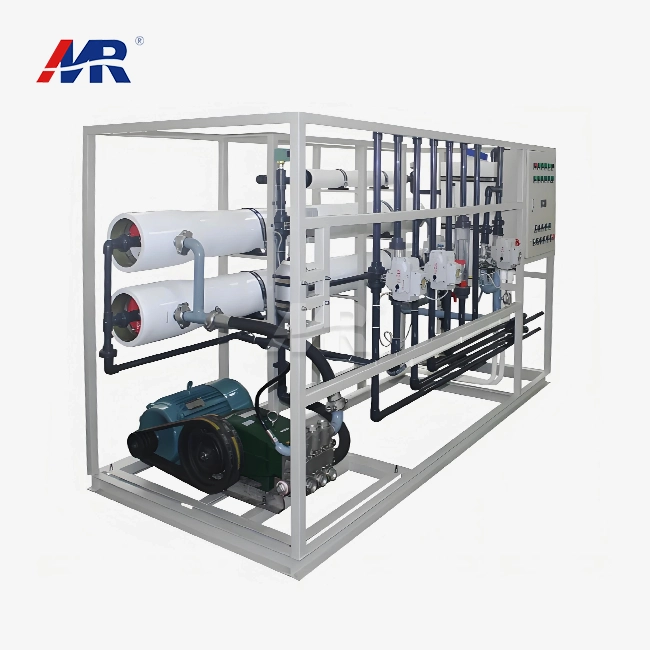 VIEW MOREseawater desalination pre-treatment
