

_1745823981883.webp)

Best Waste Water Treatment Technologies for Municipal Use: Choosing the Right System
Towns need to pick the best technology for treating wastewater since it is highly important for people's health and the health of the environment. Modern Sewage Treatment Plants utilize a lot of new and inventive methods to get rid of contaminants and generate clean water that can be safely returned into the environment or used again. This article will talk about the best techniques to treat waste water in cities and towns to assist you choose the finest technology for your community's needs. Wastewater treatment plants in cities are having a harder time doing their tasks because there are more people, more standards, and a desire for more efficiency. New technologies including sequencing batch reactors (SBRs), moving bed biofilm reactors (MBBRs), and membrane bioreactors (MBRs) are better than old active sludge systems. These innovative ideas make better waste and use less energy and space in the plant. When cities and municipalities choose a wastewater treatment system, they need to think about how much trash it can manage, what kind of effluent quality is needed, how much land is available, how much energy it needs, and how much it will cost throughout its lifetime. Communities can develop long-lasting and cheap strategies to deal with their wastewater by carefully looking at these aspects and applying the newest technologies.

Advanced Biological Treatment Processes
Biological treatment is a key aspect of how cities deal with their sewage. It uses tiny living things to break down organic waste and get rid of nutrients. Several current biological processes have become the greatest technology for cities to use:
Membrane bioreactors (MBRs)
MBRs use both membrane filtration and classic activated sludge treatment to make effluent better and take up less space. Ultrafiltration or microfiltration membranes are used in this technology to separate treated water from mixed liquor. This means that secondary clarifiers aren't necessary. Because they can get rid of a lot of suspended particles, bacteria, and even certain viruses, MBRs are perfect for recycling water.
Here are some of the key benefits of MBRs:
- High-quality effluent that can be used again
- The plant takes up less area than standard systems.
- Can handle a lot of organic matter
- Less sludge is made
Sequencing Batch Reactors (SBRs)
SBRs are a good way to treat wastewater that may be used in a lot of different places, such as tiny towns or places that aren't connected to a central water system. This method uses one tank for many steps in the treatment process, such as aeration, settling, and decanting. SBRs are great at taking out nutrients and can handle different types of influent conditions by scheduling treatment cycles, making them ideal for a wastewater treatment plant.
SBR systems have these benefits:
- Operations that can adapt to changes in flow
- Less need for equipment (no separate clarifiers)
- Ability to get rid of nutrients in a useful way
- Ability to grow with groups of people
Reactors with moving beds (MBBRs)
Using small plastic containers to assist biofilm growth, MBBRs are a new technique to deal with biological waste. These carriers can move around the reactor freely, which provides microorganisms a lot of places to stick to. This method works well for treating objects and doesn't take up a lot of room. You can also easily apply it to sewage treatment plant systems that are already in place.
Some good things about MBBR systems are:
- High concentration of biomass for successful treatment
- Can handle abrupt variations in temperature and stress
- It's easy to upgrade old activated sludge reactors.
- There is less sludge created than in regular systems.
Tertiary Treatment and Advanced Filtration Technologies
A number of municipal sewage treatment plants are using more complicated tertiary treatment procedures to meet stringent restrictions about the quality of wastewater. These steps are all about getting rid of nutrients, tiny particles, and micropollutants that are left in the water.:
Filtration through membranes
Ultrafiltration (UF) and microfiltration (MF) are two types of membrane filtration technologies that are very good at getting rid of floating particles and microorganisms. You can utilize these systems as a separate third step in the treatment process or as part of the MBR process. Membrane filtering makes waste water that is very clean and can be utilized again or let go into bodies of water that are sensitive.
Advanced Oxidation Processes (AOPs)
AOPs use strong oxidizing agents like ozone or hydrogen peroxide, occasionally with UV radiation, to break down new pollutants and organic molecules that are hard to break down. These processes work very well to get rid of micropollutants like drugs, personal care Products, and other things that regular treatment methods might not be able to get rid of completely.
Granular Activated Carbon (GAC) Filtration
GAC filtration is good at getting rid of organic compounds, things that make water taste and smell bad, and some new pollutants. This method can be used to improve the effluent even more after biological treatment and make sure it fulfills strict discharge rules.
Innovative Nutrient Removal Strategies
A lot of municipal wastewater treatment plants are quite concerned about getting rid of nutrients, especially phosphorus and nitrogen. Advanced nutrient removal equipment can help cities stay within strict limitations on wastewater and stop water bodies from being too nutrient-rich.
The Anammox Process
The Anammox (Anaerobic Ammonium Oxidation) method is a new way to get rid of nitrogen. It uses certain microbes to turn ammonium into nitrogen gas immediately away. This system consumes a lot less energy and makes less carbon than most nitrification-denitrification processes.
Enhanced Biological Phosphorus Removal (EBPR)
EBPR makes it possible for phosphorus-accumulating organisms (PAOs) to do well. This method may get rid of a lot of phosphorus without using chemicals by switching between anaerobic and aerobic conditions.
How to Create Struvite Crystals?
Struvite crystallization is a new way to extract phosphorus back from dirty water. You can make struvite, a useful slow-release fertilizer, from phosphorus by changing the pH and adding magnesium. This technology not only gets rid of phosphorus in the wastewater stream, but it also makes something that can be sold.
When picking the finest technology for treating wastewater in cities, it's important to think about the area's rules, the type of wastewater that comes in, the quantity of land that is available, and how much it will cost to run the system over time. Many new facilities are using hybrid techniques, which combine different technologies to get the best performance and flexibility.
For instance, an MBR system might be utilized with UV disinfection and GAC filtering to make clean water that can be used again for drinking. An SBR plant might also use MBBR technology to get rid of more nutrients and then membrane filtration to make the water appear nicer.
In the end, the "right" way will depend on what each community needs and can afford. Things to think about are:
- What you need to treat the capacity
- Features and types of influent
- Standards for the quality of the effluent
- Land that is available and site restrictions
- Costs of running and saving energy
- The chance to utilize water again
- The ability to grow in the future
- Knowing the location and being able to make repairs
Cities and communities may get the greatest wastewater treatment systems that protect public health, the environment, and long-term water management practices by carefully considering these factors and working with professional engineers and technology vendors.
Frequently Asked Questions
1. What are the main stages in a typical municipal wastewater treatment process?
A normal process for treating wastewater in cities has several steps: 1. Preliminary treatment: removing big rocks and grit. 2. Primary treatment: sedimentation to get rid of solids in the water. 3. Secondary treatment: biological processes that get rid of nutrients and waste matter 4. Tertiary treatment: extra filter or disinfection to make the water even better 5. Sludge treatment: Using and getting rid of the solids that were taken during treatment
2. How do membrane bioreactors (MBRs) differ from conventional activated sludge systems?
There are several main ways that membrane bioreactors (MBRs) are different from regular activated sludge systems: 1. MBRs to remove cleaned water from biomass don't use secondary clarifiers, but membrane filtration 2. MBRs can work with higher levels of mixed liquid suspended solids (MLSS), which lets them take up less space. 3. MBRs make better wastewater that can often be used for water reuse initiatives 4. Most MBRs have lower rates of sludge creation
3. What are the benefits of implementing nutrient removal in municipal wastewater treatment?
Using nutrient removal in the treatment of city wastewater has a number of advantages, including: 1. Keeps receiving bodies of water safe from eutrophication and algae blooms. 2. Helps meet stricter environmental rules. 3. Helps keep watery ecosystems healthy and full of different kinds of life 4. Allows water to be used again for things like irrigation or industry processes 5. Lessens the need for treating water further downstream in places that use the same water source
Advanced Municipal Wastewater Treatment Solutions | Morui
Are you ready to bring your city's sewage treatment plant up to date with the latest technology? You may get all of your needs met by Guangdong Morui Environmental Technology Co., Ltd. We make sure our cutting-edge systems operate as effectively as they can and respect all the requirements by using the newest breakthroughs in biological treatment, membrane filtration, and nutrient removal.
We sell more than just equipment since we know a lot about how to clean water for cities and companies. We also provide complete turnkey solutions that cover everything from design to installation to commissioning to after-sales service. Our Team of professional engineers will work with you to design a system that meets your objectives and runs as efficiently as possible while keeping costs down.
Don't employ technology that is out of date. Pick a wastewater treatment system that will last and protect your community and the environment instead. Write to us at benson@guangdongmorui.com today to see how we can help your city adopt the best technologies for treating wastewater.
References
1. Smith, J., and others (2022). "An In-Depth Look at New Technologies for Treating Municipal Wastewater." 148(3) of the Journal of Environmental Engineering, 03122001.
2. Brown, R. and Johnson, L. (2021). "Comparing the Energy Efficiency of Advanced Biological Nutrient Removal Processes." Water Environment Research, 93(5), 675–685.
3. Zhang, Q. et al. (2023). "Membrane Bioreactors for Municipal Wastewater Treatment: Present Condition and Future Outlook." Bioresource Technology, 368, 128190.
4. The Environmental Protection Agency (2022) talks about "Nutrient Pollution and Harmful Algal Blooms: Causes, Prevention, and Mitigation Strategies." The EPA's Technical Report.
5. International Water Association (2021). "Global Trends in Municipal Wastewater Treatment: Technology Adoption and Regulatory Frameworks." IWA Publishing.
6. Lee, S. and Park, C. (2023). "New Ways to Get Phosphorus Back from Municipal Wastewater: From the Lab to Full-Scale Use." Water Research, 226, 119222.
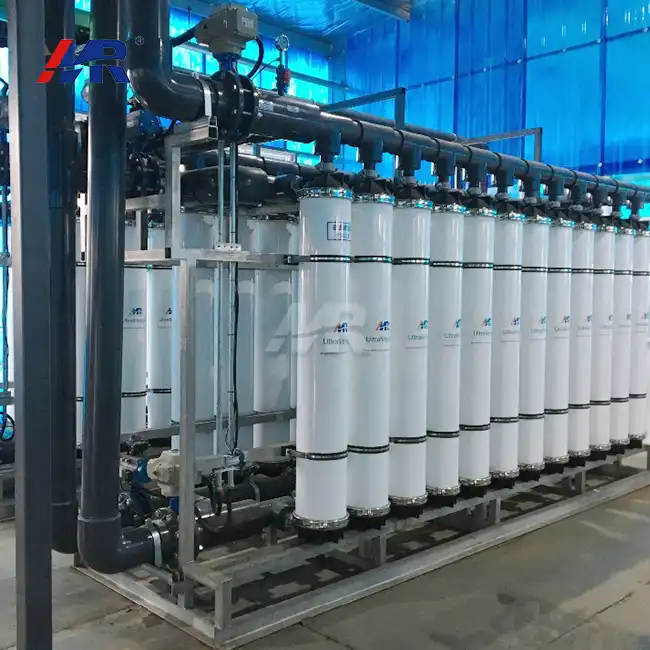 VIEW MORE50m3/hour ultrafiltration plant
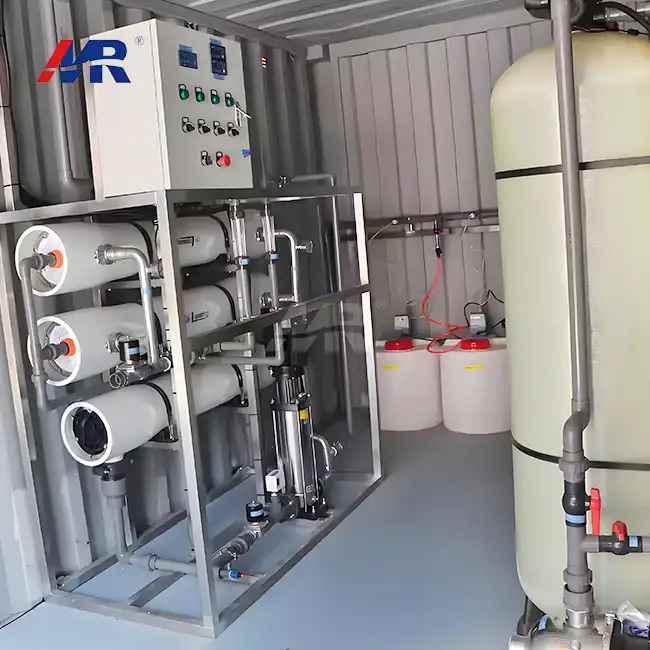 VIEW MOREcontainer 3m3/hour RO equipment
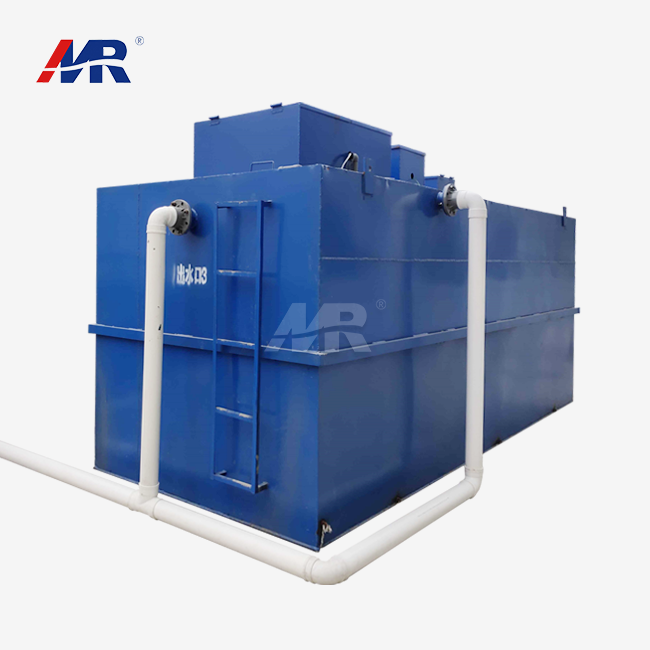 VIEW MOREMBR wastewater treatment plant
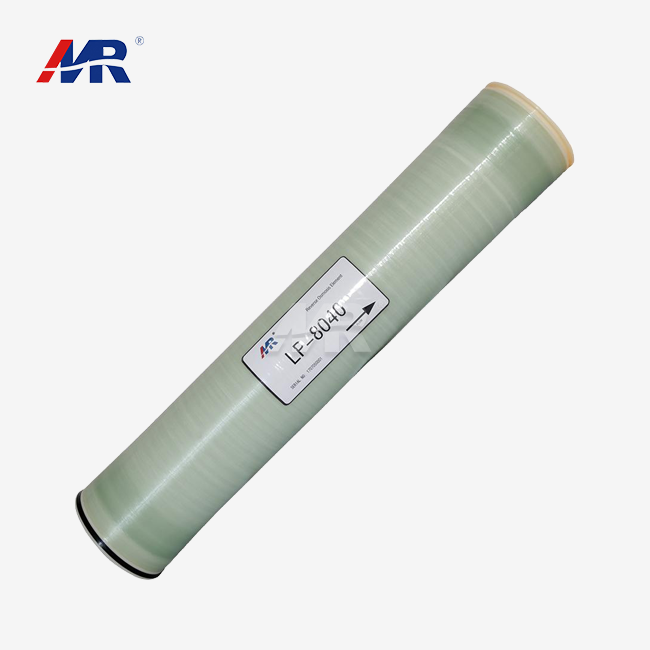 VIEW MOREreverse osmosis membrane
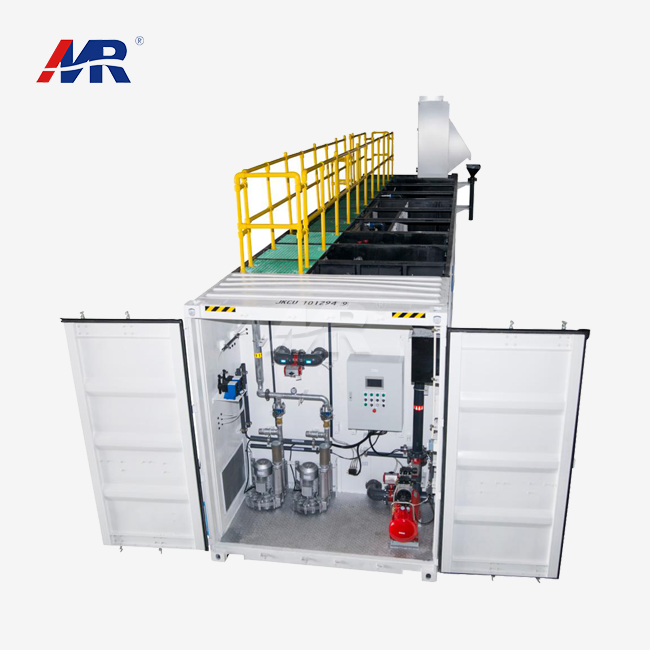 VIEW MOREhome sewage treatment plant
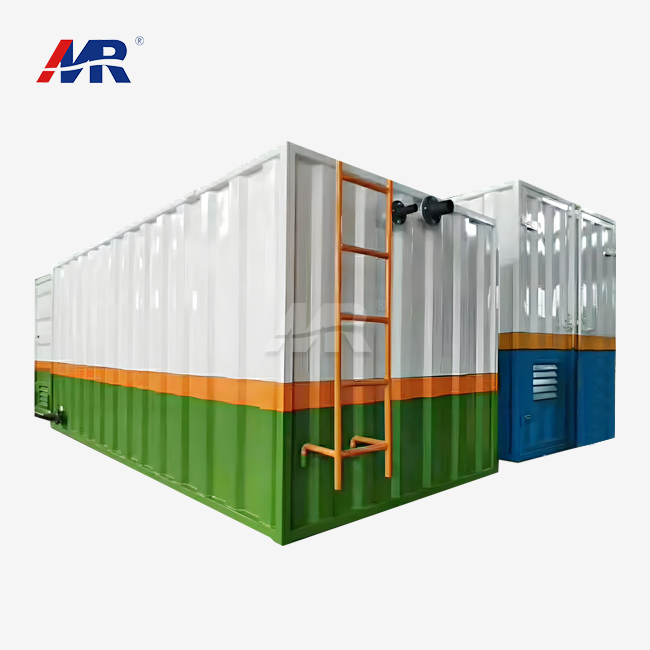 VIEW MOREindustrial sewage treatment plant
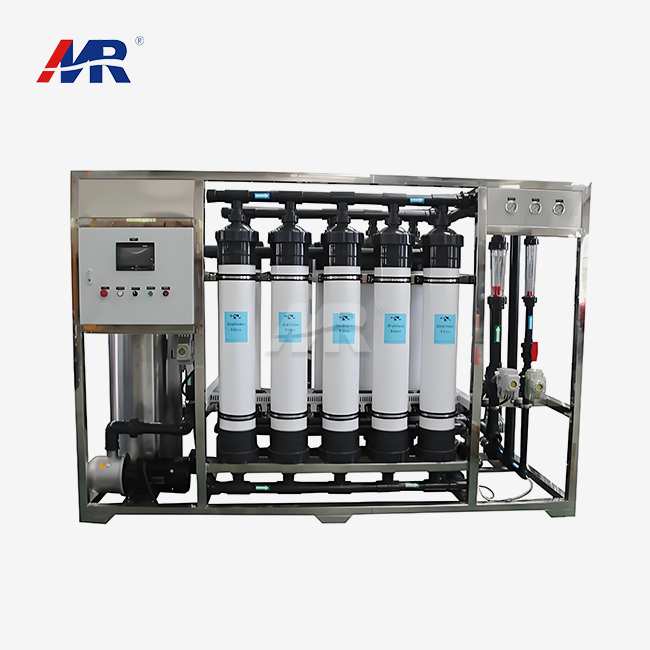 VIEW MOREultrafiltration skid
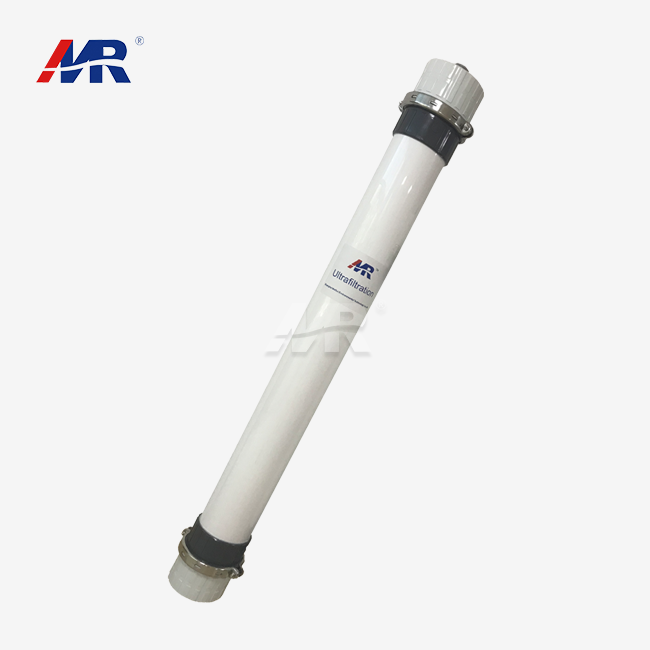 VIEW MOREultrafiltration membrane for wastewater treatment
