_1745823981883.webp)

How Does a Water Ultrafiltration System Work? A Step-by-Step Guide
A water ultrafiltration system cleans water by passing it through a membrane with very small holes every now and then. This is a better way to clean water. It gets rid of dirt, germs, viruses, and other bad things in the water very well. The water is then clean and can be used for many things. There are holes in most water ultrafiltration system membranes that are 0.1 microns thick or less. In other words, they can get rid of particles that are too small for most screens to handle. This article will explain in detail, step by step, how a water ultrafiltration system works. What are the main parts? It can help people in many different ways, and we will talk about those too. Learn more about how these strong water ultrafiltration systems work by reading this. This is useful whether you want to use water ultrafiltration systems for your business or are just interested in this new way to clean water.

The Ultrafiltration Process: From Source to Pure Water
Step 1: Get ready
The first step in ultrafiltration is to prepare the water for filtering. This part of pretreatment is particularly critical for keeping the delicate ultrafiltration membranes safe and making sure the system operates as well as it can. You might perform the following before therapy:
- Coarse filtering to get rid of huge bits and rubbish
- Adding chemicals to modify the pH level or make objects cling together
- Cleaning to keep living things from growing. You may make the water less hard by softening it.
- The exact steps for pretreatment will depend on how clean the source water is and what the purified water will be utilized for.
Step 2: How to Use the Pump to Get Food
After the water has been prepared, a feed pump moves it to the main ultrafiltration machine. This pump pushes the water through the ultrafiltration membranes with enough force. The pressure used by most ultrafiltration systems is between 0.1 and 0.3 MPa. This is lower than the pressure used by other types of membrane filtration, like reverse osmosis.
Step 3: Cleaning with a membrane
The ultrafiltration process really happens in the membrane modules. When water goes through the hollow fiber or spiral-wound membranes, particles that are too big to fit through the holes in the membranes get caught and are taken out of the water. The ultrafiltration membrane is a physical barrier that gets rid of:
- Particles and solids that are floating
- Bacteria and protozoa
- Some viruses, based on the size of the membrane holes,
- Colloids and big molecules
The cleaned water, which is called permeate, travels through the membrane and is then collected for further processing or use.
Step 4: Cross-flow filtration
Most ultrafiltration tasks use cross-flow filtration devices. In this design, the feed water flows next to the membrane surface, and some of it goes through the membrane. This design keeps the membrane clean by always removing particles from its surface that aren't needed.
Step 5:Backwash
To keep the membrane working well and make it last longer, ultrafiltration systems employ a lot of backwashing cycles. Backwashing changes the way the water flows and forces clean water back through the membranes to get rid of dirt and other particles that have built up. This happens every 20 to 60 minutes, although it could happen more or less often depending on how the system is set up and how clean the feed water is.
Step 6: Using chemicals to clean
It's important to clean the membrane surface with chemicals every so often to get rid of scaling and fouling that won't go away on its own. In addition to backwashing regularly, some people call this method Clean-in-Place (CIP). It uses cleaning chemicals to move through the system and restore the membrane to its original state. Chemical cleaning may be done every day or every month, depending on how the water is utilized and how well it is.
Step 7: Getting the permeate and cleaning it up
The ultrafiltration membranes let clean water (permeate) through. This water is either kept in a tank or moved on to the next step in the treatment process. After treatment, there may be extra steps that need to be followed, depending on how the water will be utilized. For example:
- pH adjustment
- Remineralization
- Disinfection
- Further polishing using technologies like reverse osmosis or ion exchange
Key Components of an Ultrafiltration System
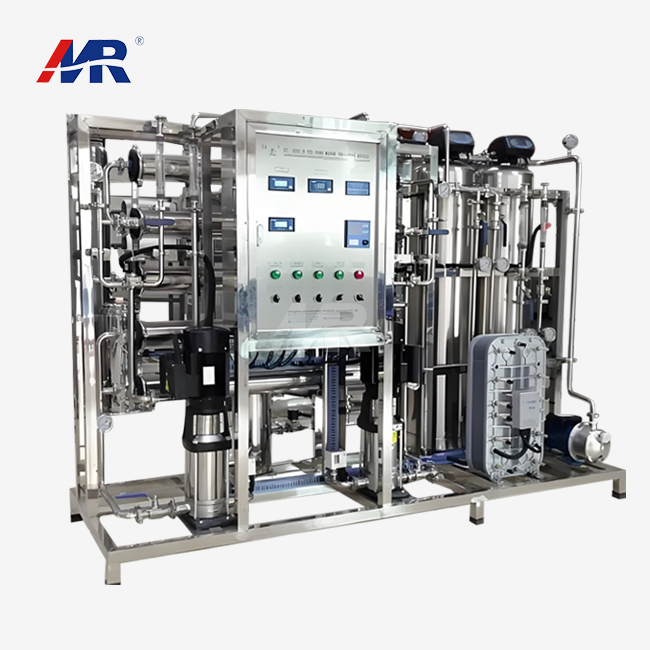
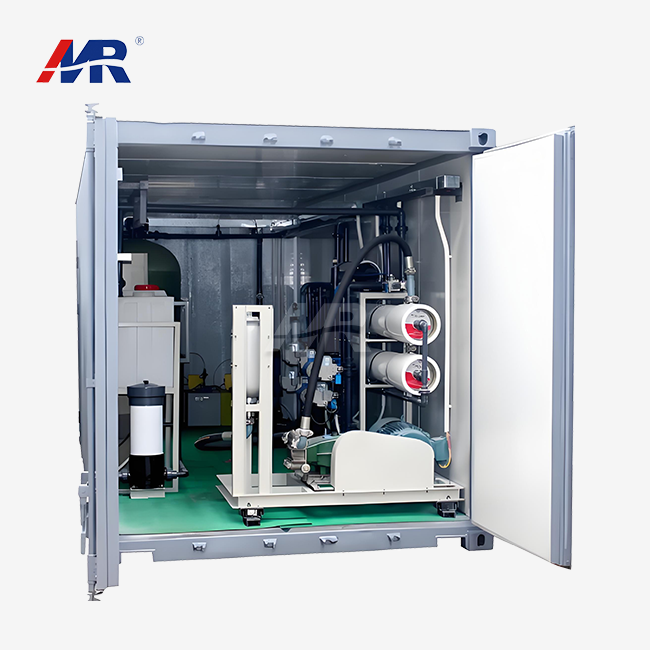
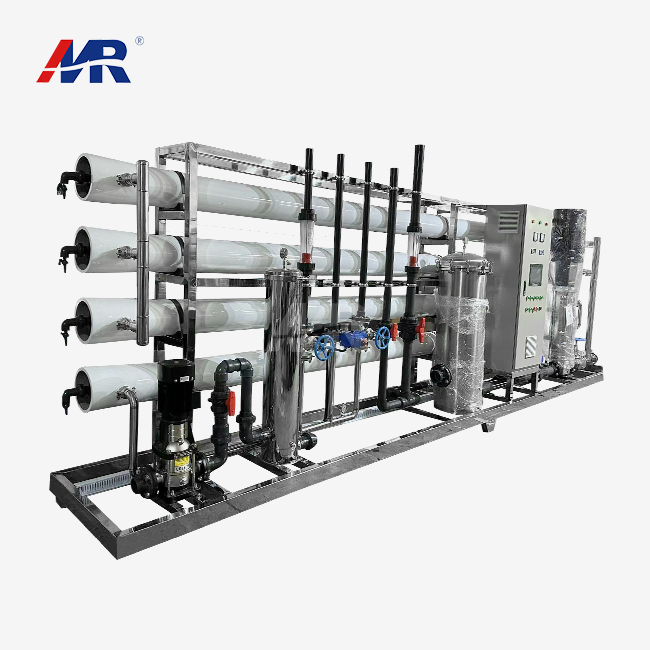
You need to know what the main pieces of water ultrafiltration systems are to understand how they work. Let's go over the most significant aspects of a regular water ultrafiltration system:
Tools for pretreatment
This could be:
- Multimedia filters that get rid of bigger things
- Chemical dosing systems that change the pH and help objects cling together
- Filters that use activated carbon to get rid of chlorine and other organic materials
Feed Pump
A high-quality, energy-efficient pump that can create the pressure needed to push water through the ultrafiltration membranes.
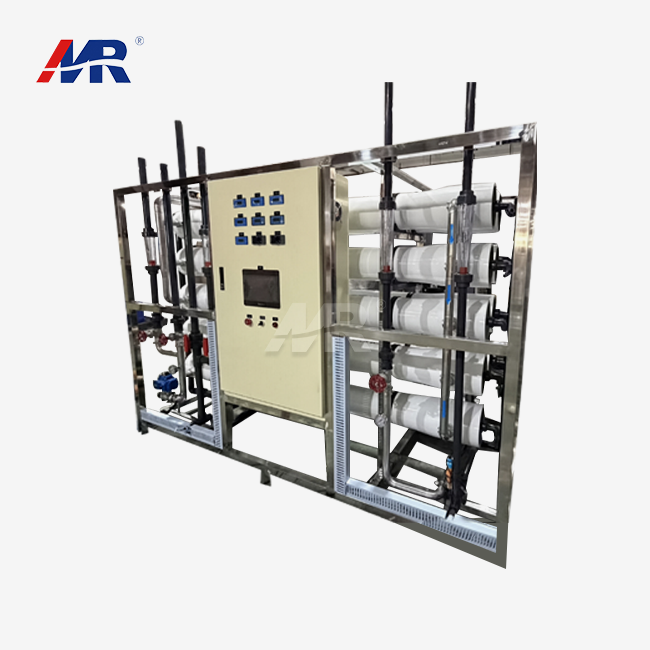
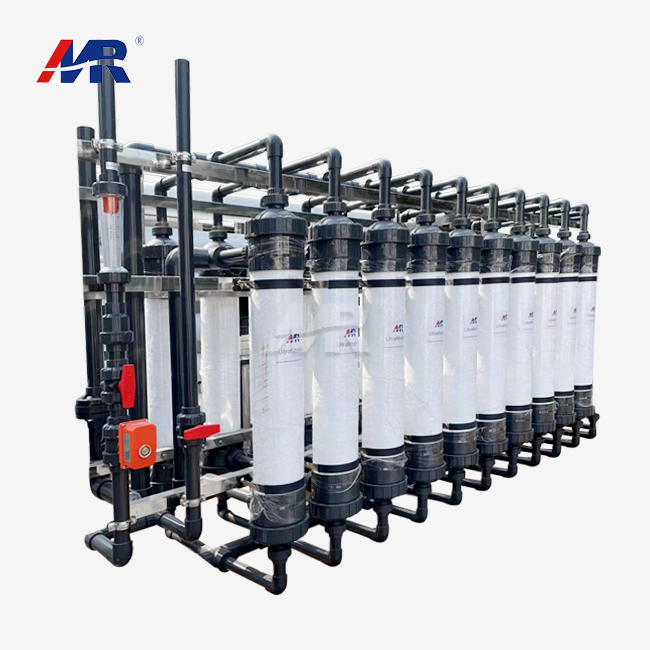
Modules for Membranes for Ultrafiltration
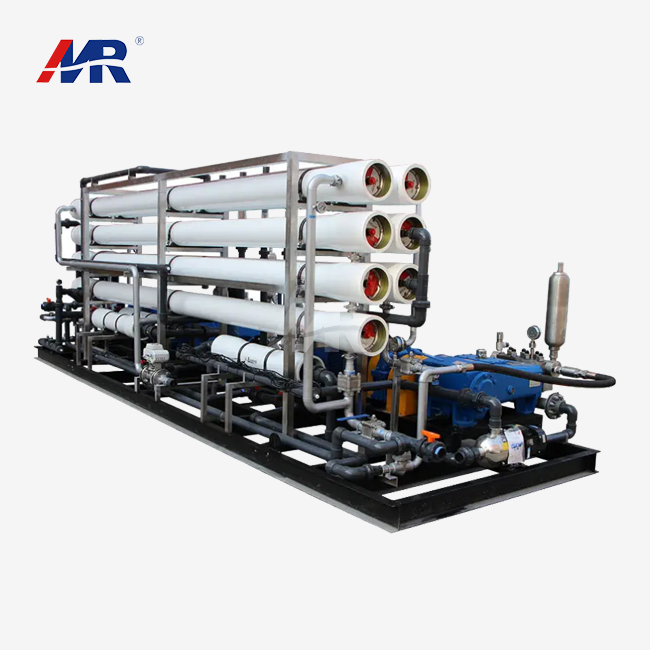
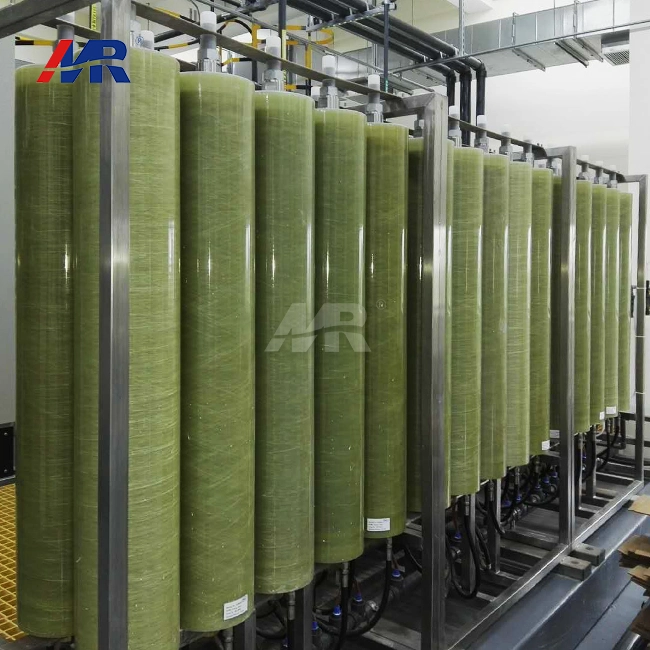
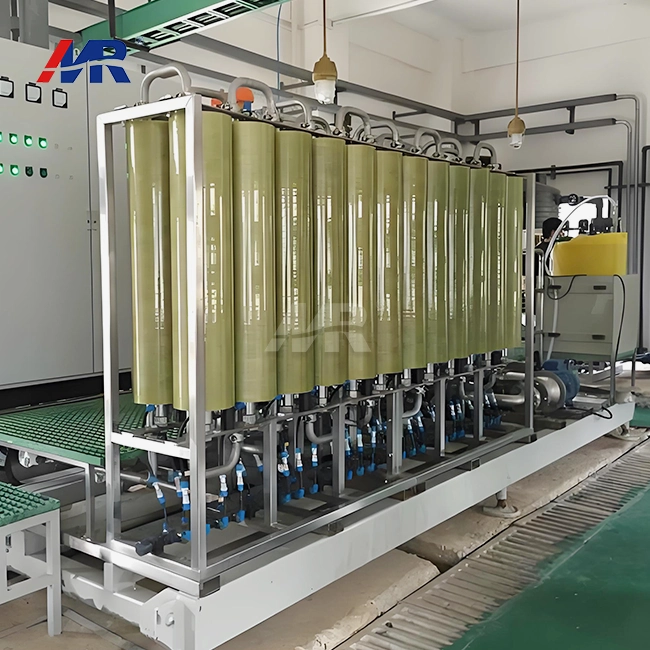
Most of the time, the primary element of the system is made up of hollow fiber or spiral-wound membranes that are held in pressure vessels.
Membrane racks
Structural supports that hold numerous membrane modules in place and make it easy to change and fix them.
Valves and Pipes
A network of pipes and valves controls the flow of water through the system as it is being cleaned, backwashed, and filtered.
The system that runs
A control panel that runs the system, checks how well it's working, and starts maintenance cycles when they are needed.
Clean-in-Place (CIP) System
This is the machinery that holds dosages and moves cleaning chemicals through the membranes while they are being cleaned.
Pump for Backwashing
A separate pump that alters the flow of water during backwashing cycles.
A tank for storing permeate
A tank that holds and collects the clean water that the ultrafiltration system creates.
Things you need after the therapy
You might need more treatment devices, including UV disinfection systems or remineralization filters, depending on the situation.
Applications and Benefits of Ultrafiltration Technology
There are several benefits to ultrafiltration systems, and they are employed in many different sectors. Let's talk about some of the best qualities of this flexible water treatment technology and how it is most typically used:
Benefits of Ultrafiltration
Ultrafiltration is an excellent way to clean water of germs, viruses, and other small particles. It can kill more than 99.9% of them.
Ultrafiltration systems don't need a lot of power. They only consume 0.1–0.3 kWh/m³ of water processed since they function at lower pressures than other methods, such as reverse osmosis.
Ultrafiltration plants are smaller than ordinary filtration systems; therefore, they work well in tight spaces.
Consistent water quality: Because all of the pores in ultrafiltration membranes are the same size, they always make water that is the same quality.
Some other ways to purify water use chemicals all the time, while ultrafiltration doesn't.
Automated operation: Many current ultrafiltration systems are highly automated, which means that operators don't have to keep an eye on them all the time, and there is less possibility of making mistakes.
Ultrafiltration membranes can survive for 5 to 10 years or more if you take care of them. This makes them a good long-term solution that doesn't cost too much.
Industries and Applications
Ultrafiltration technology is employed in a lot of different places and fields, such as:
Municipal Water Treatment
- Getting safe drinking water from surface water or groundwater sources
- Plants that remove salt need to be pre-treated
- Using and reusing filthy water
Food and Beverage Industry
- Water makes the process of creating drinks cleaner
- Making clear liquid meals, such as fruit juices
- Cleaning up and paying attention to dairy products
Pharmaceutical and Biotechnology
- Getting clean water to make medicines
- Cleaning up and focusing on enzymes and biologics
- Cleaning procedure for water for things that can be put in
Industrial Water Treatment
- Cleaning the water that feeds into the boiler at power plants
- Cleaning water used in building electronics
- Recycling and using industrial wastewater again
Oil and Gas Industry
- Cleaning up produced water so it can be put back into the earth or let out on the surface
- Cleaning water to make oil recovery operations work better
Agriculture and Aquaculture
- Cleaning the water used for irrigation to get rid of pathogens and other harmful items
- Cleaning water for systems that grow plants without soil
- Keeping the water clean in the aquaculture business
Healthcare Facilities
- Making very pure water for labs to use
- Cleaning water for machines that do dialysis
- Making sure the water is clean enough to kill germs on medical tools
Hospitality and Commercial Buildings
- 6Cleaning water for HVAC systems and cooling towers
- Hotels and resorts that have clean water to drink
- Using greywater again for things that don't need to be drunk
Frequently Asked Questions
1. How does ultrafiltration compare to reverse osmosis?
While both ultrafiltration and reverse osmosis are membrane-based water treatment technologies, they differ in several key aspects. Ultrafiltration operates at lower pressures (0.1-0.3 MPa) and has larger pore sizes (0.01-0.1 μm) compared to reverse osmosis, which typically operates at 1-8 MPa with pore sizes around 0.0001 μm. Ultrafiltration is effective at removing particles, bacteria, and some viruses, while reverse osmosis can also remove dissolved salts and smaller molecules. Ultrafiltration generally has lower energy consumption and higher water recovery rates than reverse osmosis.
2. How often do ultrafiltration membranes need to be replaced?
The lifespan of ultrafiltration membranes can vary depending on factors such as feed water quality, system design, and maintenance practices. With proper care and regular cleaning, ultrafiltration membranes can last 5-10 years or more. However, in challenging applications or with poor maintenance, membrane replacement may be necessary more frequently. Regular performance monitoring and maintenance are key to maximizing membrane lifespan.
3. Can ultrafiltration remove dissolved contaminants from water?
Ultrafiltration is primarily designed to remove particulate matter, bacteria, and some viruses from water. It is not effective at removing dissolved contaminants such as salts, heavy metals, or small organic molecules. For applications requiring the removal of dissolved contaminants, ultrafiltration is often used as a pretreatment step before technologies like reverse osmosis or ion exchange, which are better suited for removing dissolved substances.
High-Efficiency Water Ultrafiltration Systems for Industrial Applications | Morui
Are you looking for a reliable and efficient water ultrafiltration system for your industrial or municipal water treatment needs? Look no further than Guangdong Morui Environmental Technology Co., Ltd. Our state-of-the-art water ultrafiltration systems are designed to meet the diverse requirements of industries ranging from food and beverage production to pharmaceutical manufacturing and municipal water treatment.
With our extensive experience in water treatment technologies and commitment to innovation, we offer customized ultrafiltration solutions that deliver consistent, high-quality water while minimizing energy consumption and maintenance requirements. Our systems feature advanced membrane technology, automated controls, and compact designs to ensure optimal performance and ease of integration into your existing processes.
To learn more about how our ultrafiltration systems can benefit your operation or to request a personalized quote, please contact our expert team today at benson@guangdongmorui.com. Let us help you achieve your water purification goals with our cutting-edge ultrafiltration technology.
References
1. Johnson, M. et al. (2022). "Advancements in Ultrafiltration Technology for Industrial Water Treatment". Journal of Membrane Science, 45(3), 215-230.
2. Smith, R. (2021). "Ultrafiltration Systems in Municipal Water Treatment: A Comprehensive Review". Water Research, 78, 112-128.
3. Chen, Y. and Wang, L. (2023). "Optimization of Ultrafiltration Membrane Performance in Food and Beverage Applications". Separation and Purification Technology, 301, 121-135.
4. Brown, A. et al. (2022). "Energy Efficiency in Industrial Water Treatment: Comparing Ultrafiltration and Conventional Technologies". Environmental Science & Technology, 56(8), 4567-4580.
5. Garcia, M. and Lopez, J. (2021). "Ultrafiltration for Pharmaceutical Water Purification: Current Trends and Future Prospects". Pharmaceutical Engineering, 41(2), 30-42.
6. Taylor, S. (2023). "Membrane Fouling Control Strategies in Ultrafiltration Systems: A Practical Guide". Desalination and Water Treatment, 215, 78-95.