_1745823981883.webp)

How to Choose a Water Filtration System Based on Price and Performance
To obtain the most value for your needs, you need to choose the correct Water Filtration System that strikes a balance between performance and cost. For industrial and commercial uses, it's important to carefully consider how well contaminants are removed, how much it costs to run, and how reliable it will be over time. The goal is to know which filtering technologies will meet your water quality needs while also being cost-effective in the long run. You may make smart choices that safeguard both your operations and your financial line by comparing reverse osmosis, ultrafiltration, and electrodeionization systems to your individual operating needs.

Understanding the Importance of Water Filtration Systems in B2B Procurement
You need to discover the ideal balance between performance and price when choosing the proper Water Filtration System to obtain the most value for your needs. When using it for corporate or industrial purposes, it's crucial to think about how successfully it removes impurities, how much it costs to run, and how dependable it will be in the long run. The most essential thing is to find out which filtration techniques will provide you with the water quality you need and save you money in the long run. By comparing reverse osmosis, ultrafiltration, and electrodeionization systems to your specific working demands, you can make sensible decisions that keep your operations and bottom line safe.
The quality of industrial water has a direct influence on how well things work, how long equipment lasts, and how well rules are followed in a lot of different sectors. Pharmaceutical companies, food processing facilities, and factories all need clean water all the time to preserve their Products' high quality and avoid costly production delays.
Critical Contaminants That Affect Industrial Operations
Different fields have specific water quality problems that need specific filter methods. To meet Good Manufacturing Practice standards, semiconductor factories need ultrapure water with conductivity levels below 0.1 μS/cm. On the other hand, pharmaceutical factories need to get rid of endotoxins and germs. There are a lot of heavy metals, liquid solids, and organic substances that can damage equipment or get into finished goods in chemical processing plants.
Knowing your individual contaminant makeup lets you choose the right solution. Testing the water shows if it has sediments, chemicals, bacteria, viruses, and minerals that have dissolved in it that can affect your business. This initial evaluation helps with choosing the right technology and setting reasonable goals for its performance.
Distinguishing Between Filtration and Purification Technologies
There are two main types of technologies used to treat water: filter systems and cleaning systems. Filtration methods mostly use mechanical or adsorption processes to get rid of small particles, dissolved solids, and bigger contaminants. Carbon filters are great at getting rid of chlorine and making the water taste better, while sediment filters get rid of rust, dirt, and other debris.
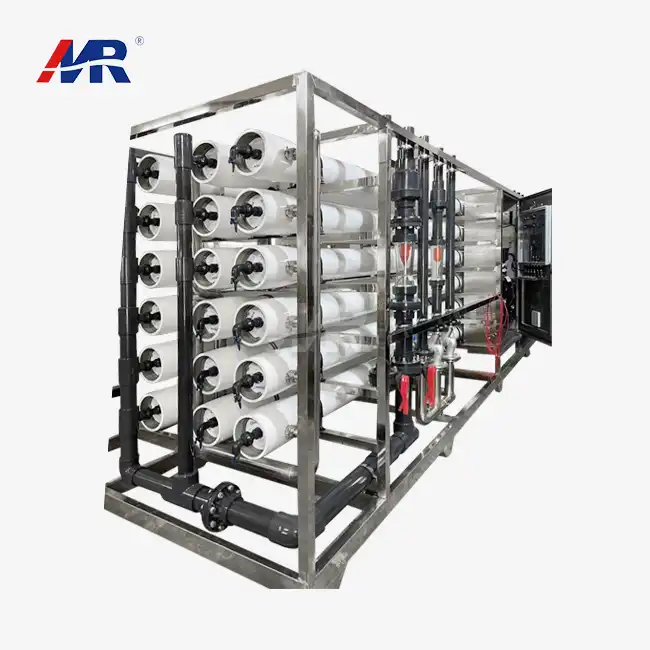
Molecular-level polluters, such as bacteria, viruses, liquid salts, and chemical pollutants, are what purification systems are after, influencing the RO system price. Up to 99% of dissolved solids can be removed by reverse osmosis technology. This makes it necessary for uses that need very pure water. Without adding chemicals to the water source, ultraviolet treatment gets rid of biological contaminants.
Core Criteria for Selecting a Water Filtration System Based on Price and Performance
To choose the right system, you need to carefully compare performance measures to the total cost of ownership. This organized method helps purchasing teams find options that give the best value while still meeting business needs.
Performance Metrics That Drive Selection Decisions
Filtration efficiency is the most important part of a performance review because it shows how well the system can get rid of specific contaminants. Flow rate tells you if the system can handle the amount of water your building needs during high usage times. The recovery rate shows how much filtered water the system makes compared to how much it takes in. This directly affects the cost of running the system.
The system's capacity tells you how much water it can handle before it needs to be serviced or parts need to be replaced. The amount of pressure needed affects how hard the work is and how much energy it uses. Temperature tolerance affects where a system can be placed and how it can be used in different settings.
Comprehensive Cost Analysis Framework
The costs of the initial investment include buying the equipment, installing it, and making any necessary changes to the infrastructure. Operating costs include things like replacing filters, paying for upkeep, and hiring people to do the work. System downtime, emergency fixes, and compliance testing fees are all examples of hidden costs.
Lifecycle cost analysis shows how different systems really affect the economy over the time they are supposed to work. When you buy high-quality tools up front, you usually save money in the long run because it needs less upkeep and use less energy. Long-term cost predictability is affected by warranty coverage and repair access in a big way.
Supplier Evaluation and Risk Management
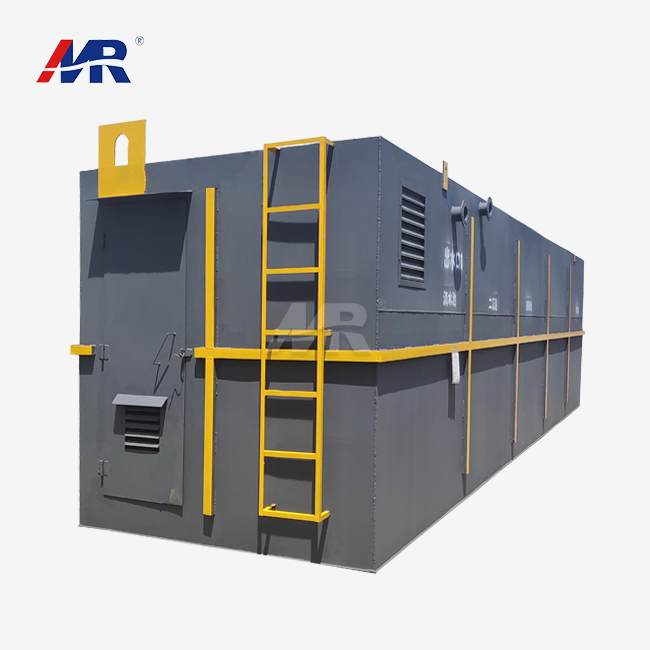
The reliability of the supplier affects the performance of Water Filtration Systems, the supply of parts, and the assistance for upkeep over the whole lifecycle of the equipment. Manufacturers that have been around for a while usually offer full professional help, training programs, and service networks around the world. Local service skills cut down on reaction times and keep operations running as smoothly as possible during maintenance.
Quality approvals, like NSF International standards and ISO compliance, back up claims about how well a system works and make sure it follows the rules. Reference setups and customer reviews can help you understand how well a seller works in the real world and how quickly they respond to your needs.
Comparative Analysis of Popular Water Filtration Systems
Modern methods for treating water have clear pros and cons that need to be weighed against the needs of the application. By understanding these trade-offs, you can make smart choices based on performance goals and spending limits.
Reverse Osmosis Systems for High-Purity Applications
Reverse osmosis technology is very good at getting rid of contaminants in a wide range of dissolved substances, such as salts, heavy metals, and chemical compounds. Most toxins are rejected by these systems at rates higher than 95%, which means they can be used to make medicines, electronics, and high-quality drinks.
The cost of investing in a reverse osmosis system can be modest to high, based on how much it can process and how automated it is. Operating costs include replacing the membrane every two to three years, the time and energy needed for cleaning, and the energy used for high-pressure operation. Water recovery rates are usually between 75% and 84%, so proper trash removal needs to be thought out.
Ultrafiltration for Biological Contaminant Removal
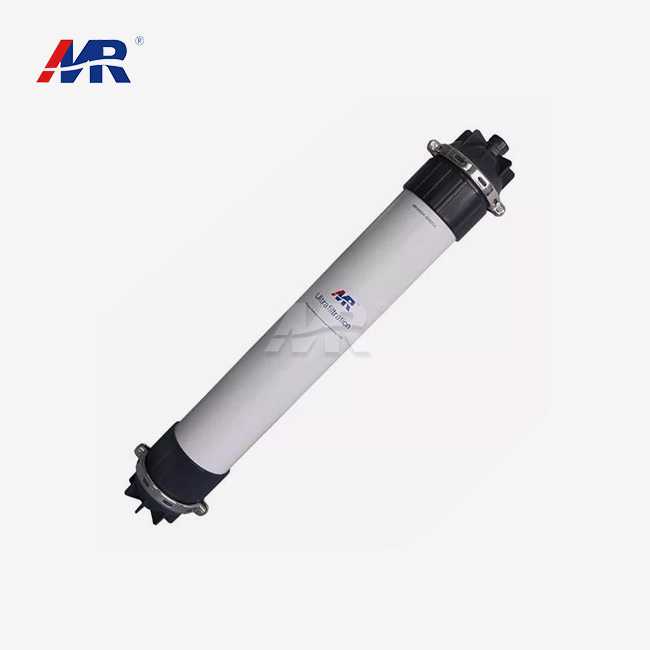
Ultrafiltration screens get rid of germs, viruses, and particles in the water, but they let minerals that are dissolved through. This technology works well for tasks that need to be biologically safe without completely removing minerals, like treating public water and making food.
When compared to reverse osmosis, lower working pressures use less energy, and longer membrane life cycles lower the cost of replacement. Ultrafiltration can't get rid of dissolving salts or small organic molecules, though, which means it can't be used for very pure tasks.
Electrodeionization for Continuous Deionization
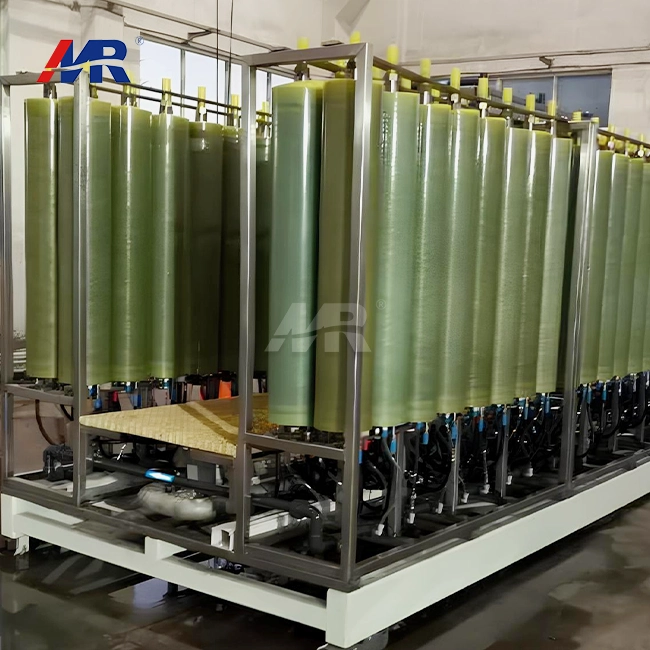
Electrodeionization devices use ion exchange resins and electrical regeneration to make water that is always very pure without using chemical regeneration. These systems work great for tasks that need stable water quality with little help from the user, like boiler feedwater in power plants and labs.
To keep calcium carbonate scaling from happening, EDI technology needs feedwater that has already been cleaned and has a low hardness level. The systems work all the time without stopping to regenerate, so the water quality stays fixed and there isn't much loss. The initial costs are higher than with regular ion exchange systems, but the ongoing costs are low because they use fewer chemicals and require less work.
Practical Maintenance and Operational Tips to Maximize Performance and Minimize Costs
Effective repair plans have a big effect on how well a system works, how long equipment lasts, and how much it costs to run. Preventative repair methods keep water quality standards uniform and stop unexpected breakdowns.
Filter Replacement and Performance Monitoring
Regular filter change plans based on what the maker says and real performance data show work best for getting rid of contaminants. Monitoring the difference in pressure between filter elements lets you know when they need to be replaced before their performance starts to suffer. Flow rate readings show problems with fouling or scaling that need to be fixed right away.
Testing the water quality makes sure that the system is working right and finds problems that are likely to happen before they affect activities, influencing the RO system price. Conductivity meters, pH meters, and focused contaminant research all give us objective information about how well something works. Automatic monitoring systems can let workers know when performance isn't as it should be and plan preventative repair tasks.
System Optimization and Energy Management
Proper system setup ensures peak performance from the first start-up to the end of its useful life. Pressure adjustment cuts down on energy use while keeping flow rates and water quality at the needed levels. Temperature control keeps the membrane from getting damaged and keeps the cleaning process running at its best.
Cleaning methods done on a regular basis get rid of built-up contaminants and recover system capacity. To keep the membrane from getting damaged while still getting good cleaning results, chemical cleaning procedures must follow the manufacturer's instructions. Backwashing is one example of a mechanical cleaning method that can extend the time between chemical cleanings and lower running costs.
Conclusion
To choose the best water filter system, you need to carefully weigh the needs for performance against the costs. By knowing your unique contaminant profile, operating needs, and budget limits, you can make smart technology choices that will pay off in the long run. If you need to remove sediment or do advanced purification for important tasks, you should carefully look at how well the filter works, how much it costs, and what the provider can do. This will help you make smart purchasing choices that protect your operations and your money.
FAQ
Q1: What factors determine the best filtration system for my industrial process?
What kind of system will work best for you rests on the quality of your source water, the amount of output you need, and your production number. Do full water tests to find the contaminants you want to get rid of, then choose the right cleanup methods for your needs. When making your final choices, think about operational factors like limited room, the need for automation, and the ability to perform upkeep.
Q2: How often do industrial filtration systems require filter replacement?
How often filters need to be replaced depends a lot on the type of water, how often the system is used, and the technology used in the filters. In high-particulate situations, sediment filters may need to be replaced every month. On the other hand, reverse osmosis membranes normally last two to three years. Instead of depending only on time-based schedules, keep an eye on success indicators.
Q3: What role do warranties and service agreements play in total cost calculations?
Full guarantees and service agreements make sure that costs are predictable and that the system works safely throughout its entire lifetime. Longer warranties can help keep fix costs from being too high, and service agreements make sure that you can get quick expert help and real replacement parts. To make true comparisons, you should include these protections in your total cost research.
Partner with Morui for Advanced Water Filtration Solutions
Morui Environmental Technology offers the best water treatment options for your needs by combining cutting-edge filter technology with full-service support. Our Team of experienced engineers designs unique systems, installs them professionally, and provides ongoing Technical support to make sure your equipment works well for as long as it's supposed to. As the top provider of Water Filtration Systems, we offer low prices, the ability to set up systems quickly, and a track record of success in a wide range of commercial settings. Get in touch with our expert team at benson@guangdongmorui.com to talk about your water treatment problems and find out how our cutting-edge solutions can help you run your business more efficiently while keeping costs low.
References
1. American Water Works Association. "Industrial Water Treatment Systems: Performance Standards and Best Practices." AWWA Publications, 2023.
2. International Desalination Association. "Membrane Technology Selection Guidelines for Industrial Applications." IDA Technical Report Series, 2022.
3. Water Quality Association. "Commercial and Industrial Water Treatment: A Comprehensive Guide to System Selection and Optimization." WQA Professional Publications, 2023.
4. National Institute of Standards and Technology. "Water Purity Requirements for Manufacturing Industries: Technical Guidelines and Testing Protocols." NIST Special Publication 800-series, 2022.
5. Environmental Protection Agency. "Industrial Water Treatment Technologies: Comparative Analysis of Performance and Cost-Effectiveness." EPA Office of Water Technical Documentation, 2023.
6. International Water Association. "Best Practices in Industrial Water Treatment: Global Standards and Implementation Guidelines." IWA Publishing Technical Manual, 2022.