

_1745823981883.webp)

How to Improve Water Quality with Advanced Membrane Filtration Technologies
Improving water quality with advanced membrane filter technologies is a game-changing way to deal with contamination problems in both the corporate and local sectors. In comparison to traditional treatment methods, membrane-based systems work better because they use semi-permeable barriers to specifically remove contaminants while maintaining important water properties. These high-tech filtration solutions are essential for businesses that need to produce high-purity water or treat wastewater because they improve compliance with strict water quality standards, lower running costs, and make it easier to get rid of contaminants.

Understanding Membrane Filtration Technology
Membrane filtering technology separates contaminants from water based on molecular size, charge, and chemical properties through complex semi-permeable barriers. These man-made materials make selective barriers that let water molecules pass but keep out other substances that aren't needed. This gives precise control over the factors of water quality.
How Membrane Systems Function
Creating a pressure difference across a semipermeable barrier is the basic idea behind membrane filtration. When pressure is put on this barrier, feed water goes through it. Contaminants bigger than the membrane's pores stay on the feed side, but clean permeate water moves to the product side. In many situations, this physical separation method gets rid of the need for chemical agents. This makes operations simpler and has less of an impact on the environment.
Modern membrane systems have many layers of special materials that work together to make permeability and filtering work better. The main job of separation is done by the active layer, while the support layers provide strength and protection to chemicals. Using advanced manufacturing methods, precise pore structures are made that allow for uniform performance in a range of working situations.
Key Membrane Types and Applications
In both commercial and urban settings, different membrane technologies are used to treat water in different ways. Reverse osmosis membranes have very small pores that get rid of dissolved salts. This makes them perfect for desalination and making ultrapure water. The ultrafiltration membranes remove suspended solids, bacteria, and viruses while letting dissolved salts pass. This means that they can be used to clean drinking water and prepare process water for use in industry.
Nanofiltration membranes are between reverse osmosis and ultrafiltration. They remove organic molecules and multivalent ions while letting monovalent salts pass. Microfiltration screens can handle bigger particles and clear up a lot of different industry processes without spending a lot of money.
Critical Performance Parameters
Membrane performance is influenced by a number of key factors that show how well it works in different situations. The rate at which water goes through the barrier under normal conditions is called its permeability. This has a direct effect on the system's capacity and energy needs. Selectivity is a measure of how well a membrane can block certain contaminants while letting other substances through.
Fouling resistance is a membrane's ability to keep working well over time in a reverse osmosis water treatment system, even though it may be exposed to contaminants that may build up on its surface. Chemical compatibility makes sure that things will last a long time, even when they are cleaned with and worked on with chemicals. By knowing these factors, you can make smart choices when choosing membrane methods to solve certain water treatment problems.
Limitations of Traditional Water Treatment and Evolution to Membrane Technologies
Traditional ways of treating water often can't keep up with new pollution and stricter rules set by the government. Chemical cleaning methods may add new pollutants and need close supervision to make sure they are safe to use. Traditional filtration systems can't get rid of dissolved contaminants very well.
Challenges with Conventional Approaches
Chemical coagulation and flocculation methods produce a lot of sludge that needs to be thrown away, which raises costs and has an effect on the environment. These methods also have trouble with feed water quality changes, which means that chemical dosing rates have to be changed all the time to keep the treatment working. For large-scale uses, the amount of energy needed for heating in distillation processes becomes too expensive.
To get the treatment amounts that are wanted, traditional biological treatment methods need to have big areas and long detention times. Also, the quality of the wastewater from these systems varies, and it might not meet strict standards for release or reuse.
Advanced Membrane Solutions
To get around the drawbacks of regular activated sludge processes, membrane bioreactor technology blends biological treatment with membrane filtering. The membrane part gets rid of the need for extra clarification and regularly makes high-quality waste that can be used again. This unified method lowers the system's impact while raising the treatment's dependability.
Hybrid systems that use more than one membrane technology are more adaptable to difficult water treatment problems. These designs can handle different types of contaminants while reducing running costs and energy use. When membrane systems are combined with other healing methods, they work better together, making the whole system work better.
Implementation Strategies
For a membrane system to work well, its features, treatment goals, and operating limits must all be carefully thought through. Pretreatment systems keep membranes from getting clogged and increase their useful life. Posttreatment may be needed to change the chemistry of the water for certain uses.
System designers have to think about how often membranes need to be cleaned, when they need to be replaced, and how to handle the waste stream. Proper user training ensures that the system works at its best and that the membrane lasts as long as possible by following the right upkeep and operation steps.
Comparison and Selection of Membrane Filtration Solutions
To choose the right membrane technology, you need to carefully look at your treatment goals, the features of the feed water, and your operating needs. Depending on the performance requirements and application needs, each type of membrane has its own unique benefits.
Reverse Osmosis versus Ultrafiltration Analysis
Reverse osmosis systems are very good at getting rid of dissolved contaminants like salts, heavy metals, and chemical molecules. This makes them necessary for tasks that need very pure water. When compared to ultrafiltration systems, these systems usually need higher working pressures and more thorough preparation. The amount of energy used depends a lot on the saltiness of the feed water and the rate of recovery.
Ultrafiltration devices clear suspended solids, bacteria, viruses, and macromolecules from water more effectively than reverse osmosis, even though they work at lower pressures. These systems work great as a pretreatment for reverse osmosis or as a treatment on their own when dissolved salt removal is not needed. Because the pores are bigger and there is less chance of fouling, maintenance needs are usually lower.
Membrane Bioreactor Advantages
Particularly for uses needing high-quality effluent or installations with limited room, membrane bioreactors offer significant benefits over traditional biological treatment systems. The barrier part keeps all the biomass in, which lets it work at higher mixed liquor ratios and for shorter periods of time.
The quality of the wastewater from membrane bioreactor systems always meets strict standards for release and reuse, without the need for extra steps to clarify. The small size means that less space is needed, and there are no worries about sludge setting and bulking like there are with regular systems.
Material Selection Considerations
Polymeric membranes made from polyamide, polysulfone, and PVDF are good for most uses and don't cost much. They are also resistant to chemicals and good at withstanding wear and tear. Surface changes and the addition of additives can make these materials work better in certain situations.
Ceramic membranes can handle more chemicals and heat than other materials, so they can be used in hard settings and cleaned in harsh ways. Even though they cost more at first, ceramic membranes often pay for themselves because they last longer and need to be replaced less often in difficult situations.
Practical Guide to Procuring Membrane Filtration Products and Services
For membrane procurement to go smoothly, providers, goods, and services must be carefully considered so that the system works well and is worth the money. During the procurement process, beginning costs should be weighed against long-term operational factors such as the need for upkeep, the supply of replacements, and expert support.
Supplier Evaluation Criteria
Reliable membrane providers have track records of success in related uses and keep up-to-date quality management systems. Certification to foreign standards like NSF, FDA, or CE marking lets you know that the product is safe and meets all the rules. Technical documents should have thorough information on how the system works, how to use it, and how to fix problems.
The ability to make things and the quality control methods used have a direct effect on how consistent and reliable membranes are. Suppliers should be open and honest about their production sites, testing methods, and quality control standards. Service quality and reaction times are affected by geographical distribution networks and the availability of local technical help.
Leading Membrane Technologies
There are a number of well-known companies in the global membrane business that are experts in a wide range of applications. Advanced reverse osmosis membranes made by companies like DuPont and Toray have set the bar for desalinating oceans and treating industrial water. Koch Membrane Systems has a wide range of ultrafiltration and microfiltration options for use in businesses and cities.
European companies like Alfa Laval make clay membrane technologies that are used in tough industrial settings. Other companies, like 3M, use their knowledge of materials science to come up with new membrane formulas. Depending on the needs of the product and the goals of the business, each supplier has its own unique benefits.
Cost-Benefit Evaluation Framework
Membrane system economics in a reverse osmosis water treatment system include more than just the price of the initial buy. They also include the cost of installation, the amount of energy used, the frequency of replacements, and the need for upkeep. Total cost of ownership estimates should take into account how long the membranes last, how much cleaning chemical is used, and how much work is needed over the system's lifetime.
Performance promises and service terms are important ways to lower the risk of investing in membranes. Service packages that include expert support, training, and help with fixing problems can have a big effect on how well operations run and how well systems are optimized.
Conclusion
Advanced membrane filtration technologies can completely change the way water is treated in both commercial and urban settings. Compared to traditional cleaning methods, these high-tech systems are better at getting rid of contaminants, running efficiently, and following the rules. Knowing the different kinds of membranes, what they can do, and how they should be used lets you make smart choices that improve treatment results while keeping costs low. Strategic methods to buying things that look at suppliers, technologies, and support services make sure that installing membrane systems goes well and that they work well in the long run. As standards for water quality change and cleaning problems get more complicated, membrane technologies will become more important in the world's long-term plans for managing water.
FAQ
Q1: How do I select the right membrane type for my specific water quality needs?
Your feed water's properties and your cleaning goals will determine which membrane to use. Reverse osmosis membranes are great for purifying and making ultrapure water because they get rid of dissolved salts and small organic molecules. Ultrafiltration membranes clear suspended solids, bacteria, and viruses from water while letting dissolved salts pass through. They can be used to treat drinking water and process water in factories. By doing a full water study and talking to membrane experts, you can find the best technology for your needs.
Q2: What maintenance requirements should I expect for membrane systems?
To get rid of built-up contaminants and keep them functioning properly, membrane systems need to be cleaned on a frequent basis. Cleaning should be done every week to once a month, but this relies on the quality of the feed water and the working conditions. Chemical cleaning routines involve moving around special cleaning solutions that are made to get rid of certain kinds of fouling. As part of preventive maintenance, operating pressures, flow rates, and water quality parameters are checked on a frequent basis. This helps find changes in performance quickly and makes cleaning plans more effective.
Q3: Can membrane technologies integrate with existing treatment infrastructure?
Through careful system design and engineering, membrane systems can often integrate well with current treatment facilities. When retrofitting old buildings, changes may need to be made to the water systems, electricity controls, and the way the pipes are set up. Membrane systems can be used to improve the general performance of current processes or to replace certain treatment steps. A professional engineering review figures out if integration is possible and what changes need to be made for the operation to go smoothly.
Partner with Morui for Advanced Membrane Solutions
Are you ready to use cutting-edge membrane technology to change the way you treat water? Morui Environmental Technology offers custom filter solutions that work better than expected, thanks to its many years of experience and wide range of manufacturing skills. Our Team of membrane experts can help you with technical questions, system design, and continued support to make sure you get the best treatment results for your needs. Our wide range of standard membrane goods and custom-engineered systems, along with our high-quality manufacturing, allows us to provide reliable and affordable options. Get in touch with our expert team at benson@guangdongmorui.com to talk about your membrane needs and find out how our cutting-edge filter technologies can help you treat water better.
References
1. Membrane Technology in Water and Wastewater Treatment: Principles and Applications. Water Research Institute, 2023.
2. Advanced Membrane Bioreactor Systems for Industrial Wastewater Treatment. Journal of Environmental Engineering, 2023.
3. Ultrafiltration Membrane Performance in Municipal Water Treatment Applications. International Water Association, 2022.
4. Reverse Osmosis Technology: Design, Operation, and Maintenance Guidelines. American Water Works Association, 2023.
5. Membrane Fouling Control Strategies in Industrial Water Treatment Systems. Membrane Science and Technology Review, 2023.
6. Cost-Benefit Analysis of Membrane Technologies in Water Treatment Infrastructure. Water Economics and Policy Journal, 2022.
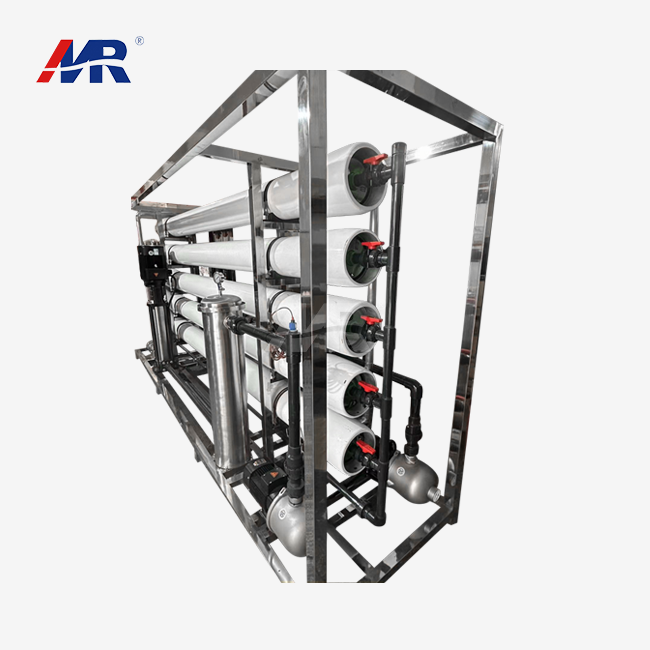 VIEW MOREreverse osmosis water treatment equipment
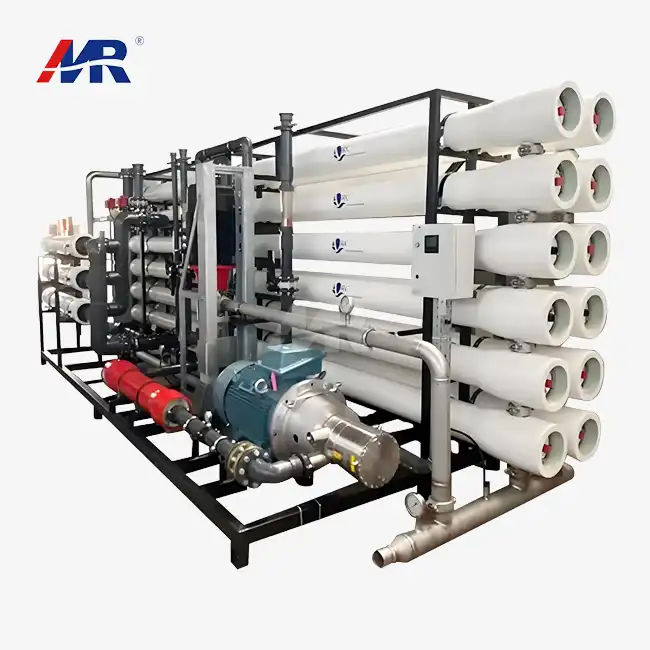 VIEW MORE45m3/hour seawater desalination system
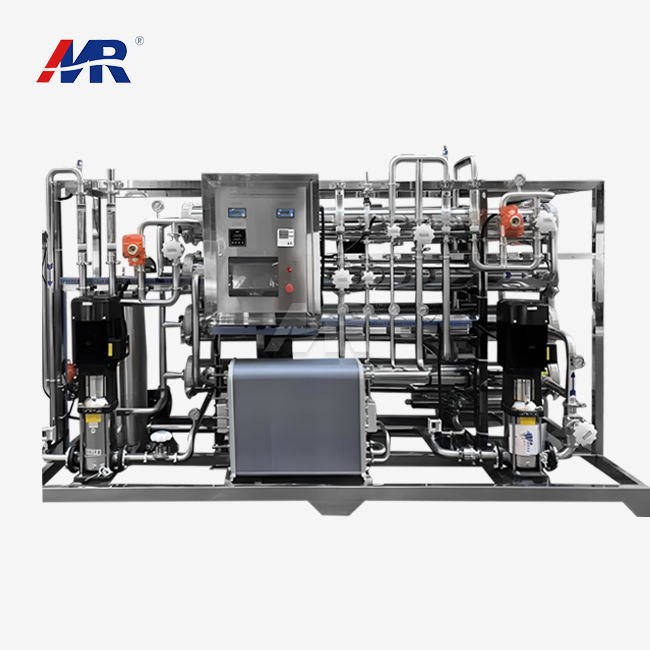 VIEW MOREelectro deionizer system
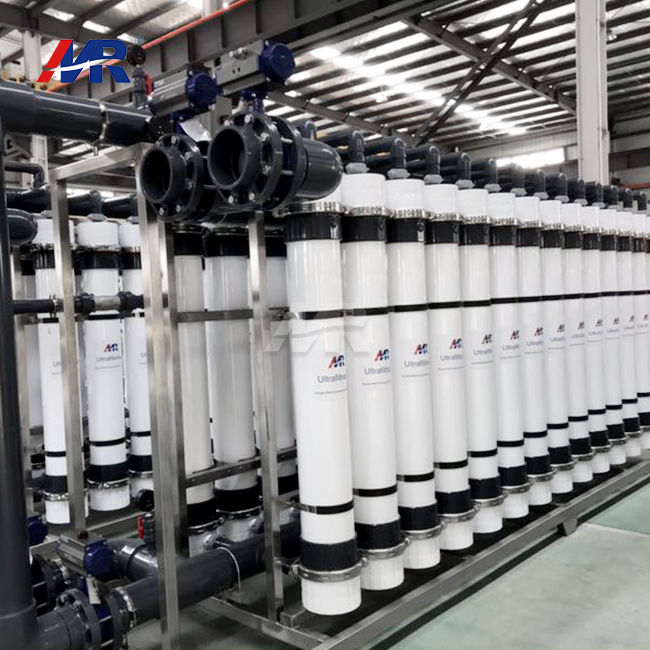 VIEW MOREultrafiltration machine
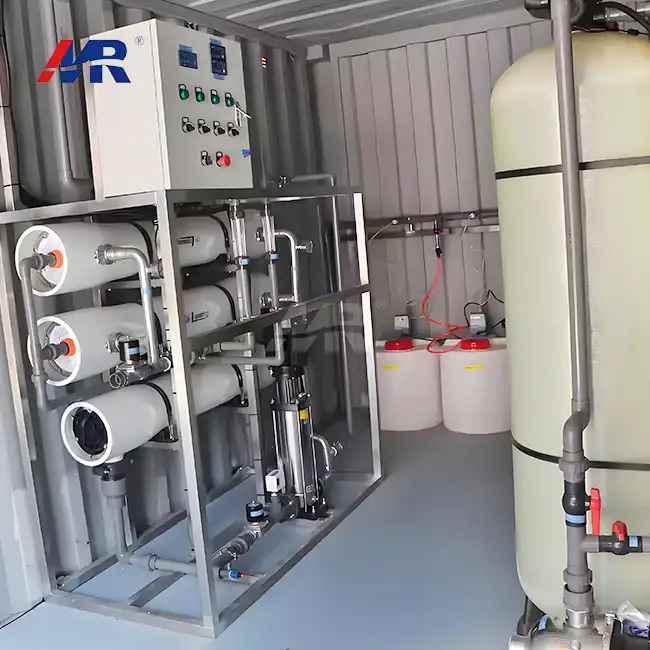 VIEW MOREcontainer 3m3/hour RO equipment
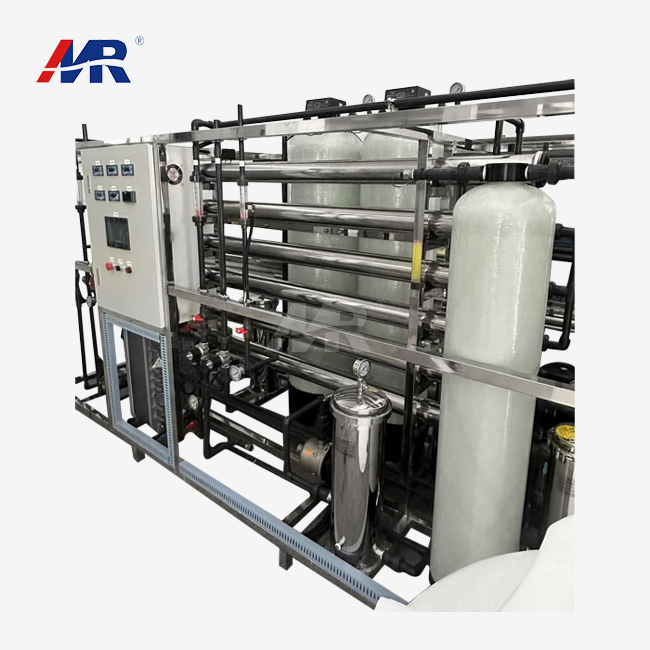 VIEW MOREelectrodeionization edi system
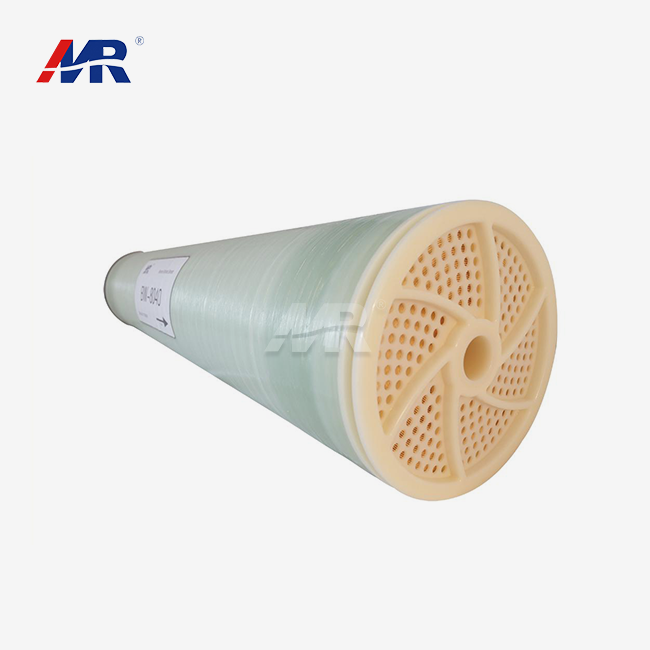 VIEW MOREbrackish membrane
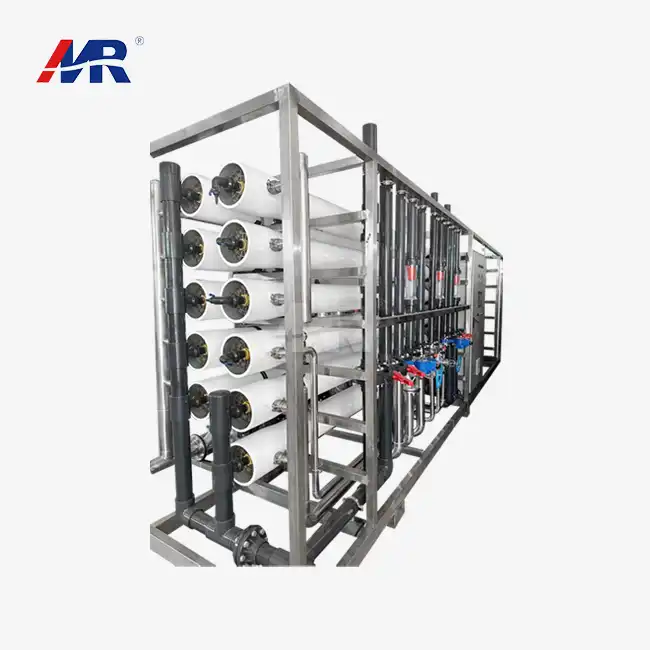 VIEW MORE60m3/hour reverse osmosis plant
