

_1745823981883.webp)

How Much Does an RO System Cost? A Complete Price Guide for 2026
Understanding RO System costs in 2026 requires careful consideration of multiple factors that impact your total investment. Industrial reverse osmosis systems typically range from $15,000 for small-scale operations to over $500,000 for large manufacturing facilities. The price variation depends on system capacity, technological sophistication, installation requirements, and ongoing maintenance needs. This comprehensive guide explores every cost component to help businesses make informed decisions about their water treatment investments.

Introduction
Reverse osmosis technology represents the cornerstone of modern water purification, delivering unmatched quality for industrial and commercial applications across diverse sectors. Industries ranging from pharmaceuticals to electronics manufacturing depend on these sophisticated systems to meet strict water purity standards. Businesses increasingly recognize that investing in high-quality water treatment solutions directly impacts product quality, regulatory compliance, and operational efficiency.
The landscape of RO system pricing continues evolving as technological advances introduce more efficient and cost-effective solutions. This comprehensive price guide for 2026 examines every aspect of RO system costs, from initial capital expenditure to long-term operational expenses. We analyze how system capacity influences pricing, explore the relationship between technology sophistication and investment requirements, and examine installation complexity factors that affect your total budget.
Key cost drivers include system capacity measured in gallons per day, membrane technology type, pre-treatment requirements, automation level, and energy efficiency ratings. Installation complexity varies significantly based on facility infrastructure, regulatory requirements, and integration needs with existing systems. Maintenance schedules and service agreements represent ongoing expenses that impact the total cost of ownership over the system's 10-15 year operational lifespan.
Understanding RO Systems: Features, Benefits, and Operation
A complex process called reverse osmosis removes dissolved solids, contaminants, and impurities down to the molecular level as pressured water flows through semi-permeable membranes. High-pressure pumps, membrane tanks, pre-treatment systems, and control screens are the main parts that work together to keep the water quality stable. Modern commercial RO systems can get rid of more than 99% of dissolved salts and other pollutants.
Core Components and Technology Features
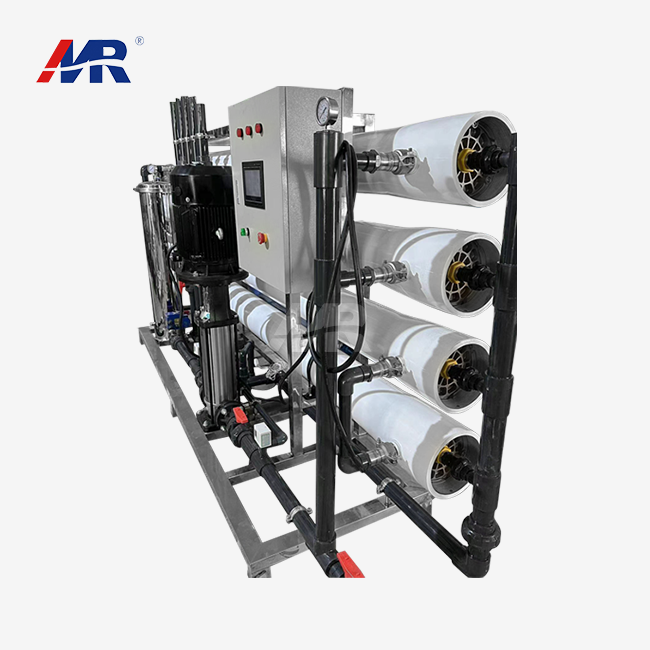
Modern RO systems have advanced features that are meant to make them as efficient as possible while keeping costs as low as possible. When compared to fixed-speed systems, variable frequency drives use up to 30% less energy because they adjust the pump's function to changes in demand. Cleaning-in-place methods that are automated make membranes last longer and keep working well without any help from a person.
Energy recovery devices take pressure from concentrate streams and send it to the high-pressure pump to help it work. This technology is especially useful for desalinating seawater, where energy costs are a big part of the overall cost of doing business. Advanced control systems keep an eye on important factors like temperature, feed flow, permeate conductivity, and system pressures to ensure everything works at its best.
Performance Monitoring and Maintenance Benefits
Performance tracking and data cleaning make it possible to plan maintenance ahead of time and find problems before they happen. Pressure and temperature are related, which changes how well a system works and needs to be constantly watched to keep it running at its best. Lower temperatures make water less fluid, so higher pressures are needed to keep flow rates steady. High temperatures, on the other hand, can damage membrane materials.
By looking at normalized performance data, you can tell when membranes need to be cleaned, inspected, or replaced. Normalized changes of plus or minus 15% from basic data are considered important by industry standards and should be looked at right away. This proactive method stops system failures before they happen, keeps water quality standards high, and lowers running costs, including RO system price, over the lifetime of the system.
Breakdown of RO System Costs: What You Need to Know?
Investing in an RO system includes a lot of different types of costs that change a lot depending on the needs of the application and the system's specs. Understanding these parts of the cost makes it possible to make correct budgets and smart decisions throughout the buying process. Total ownership costs are made up of up-front cash costs, installation costs, and ongoing running costs.
Capital Equipment Costs
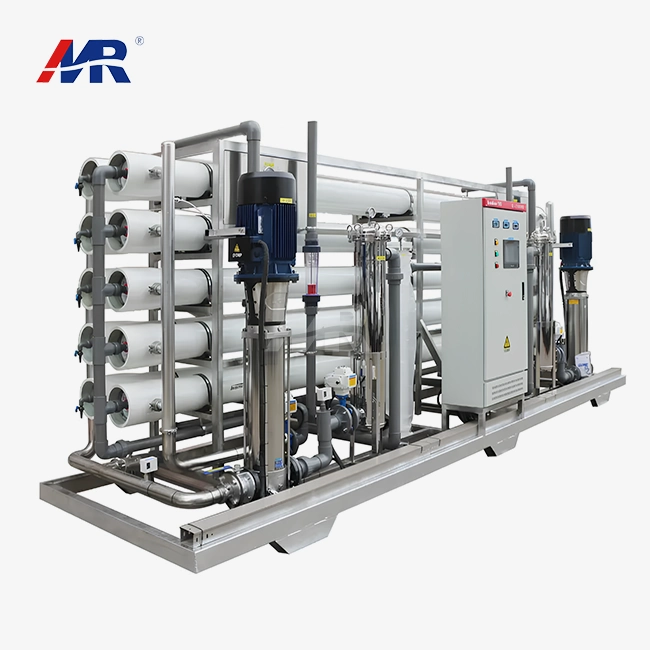
The most expensive part of buying a RO system is the initial equipment costs. Small business systems that can handle 1,000 to 5,000 gallons per day usually cost between $15,000 and $45,000. Mid-sized systems that can handle 10,000 to 50,000 gallons per day cost between $75,000 and $200,000. Prices range from $250,000 to $750,000 or more for large industrial facilities that process 100,000 gallons or more of oil every day.
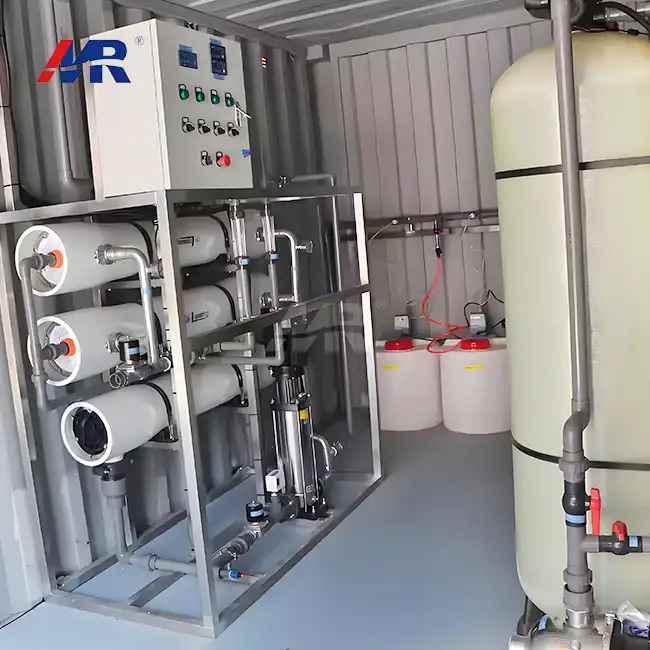
By putting all of their parts inside normal shipping crates, containerized systems can save money in some situations. These portable options make installation easier and allow for quick movement. Costs are affected by the need for pre-treatment in a big way. Multimedia filter, chemical doses, softening, and disinfection systems can add $10,000 to $100,000, based on the quality of the feed water and the treatment goals.
Installation and Commissioning Expenses
The costs of installation depend a lot on the site's conditions, the utilities that need to be connected, and the needs of integration. Installations that aren't too complicated can cost 15–25% of the value of the equipment, while projects that need a lot of plumbing, electrical work, and changes to the building itself can cost 50–75% of the value of the equipment. Commissioning and starting services usually add 5–10% to the total cost of the project, but they make sure that the system works right from the start.
Installation costs are affected by the rules that need to be followed, especially for medicinal, food processing, and city uses. The methods of documentation, validation testing, and certification are more expensive, but they are still needed for governmental approval. Crane services, specialized transportation, or temporary facilities during installation may cost more if the spot is far away or has difficult conditions.
Operational and Maintenance Costs
Costs that keep coming up include energy use, new parts, chemical agents, and service contracts. Energy costs usually make up 40 to 60 percent of running costs. This means that plans that use less energy are essential for keeping costs down in the long term. It costs $5,000 to $50,000 to change the membrane every two to three years, based on the size of the system and the type of membrane used.
Preventive repair plans make sure that things work reliably and keep costs down by setting regular service times. These deals usually cost between 8 and 15 percent of the value of the equipment a year, but they cover things like cleaning the membrane, checking the parts, and emergency repairs. Chemicals used for pre-treatment and cleaning the membrane cost an extra $1,000 to $10,000 a year, based on the size of the system and the quality of the water that needs to be treated.
RO System Pricing Compared: Traditional vs Advanced Solutions
There are many types of technologies on the market for treating water, and they all have different costs and performance ratings. Traditional filtration methods, like sand screens, ion exchange, and carbon adsorption, may be cheaper up front, but they might not be able to completely clean water for very specific uses. Advanced RO systems cost more to buy at first, but they provide better water quality and lower costs over time.
Technology Comparison Analysis
The initial cost of buying a traditional water treatment system is usually 30 to 50 percent less than the initial cost of buying a similar RO system. However, this cost-benefit becomes less significant when you consider the ongoing costs of running the business, the cost of replacement media, and the need for upkeep. In places with a lot of pollution, ion exchange systems need to replace the resin and renewal chemicals on a regular basis. Carbon filters, on the other hand, need to be replaced more often.
Modern RO systems have high-efficiency membranes, automatic controls, and ways to collect energy that lower operating costs over time. Single-pass systems clean water to a normal level that's good for most uses, while double-pass systems get water to an ultra-pure level that's needed for making drugs and electronics. The extra pass raises the cost of the tools by 40–60% while greatly improving the pure levels.
Long-term Value Proposition
A study of the total cost of ownership shows that more advanced RO systems often offer better value, even though they cost more to buy at first. A full 10-year cost study should include the price of buying the equipment, the cost of installing it, the amount of energy used, the cost of maintenance, the cost of replacing the membrane, and the increase in output due to better water quality.
Compared to basic setups, energy-efficient RO systems with variable frequency drives and energy recovery can cut yearly costs by $10,000 to $50,000. Over the life of the system, these savings add up to a lot, which is often enough to support buying more expensive tools. Better technology cuts down on the need for workers while making systems more reliable and consistent in how they work.
Procurement Guide: How to Buy and Where to Find the Best Deals?
To buy a RO system successfully, you need to carefully consider the suppliers, funding choices, and service skills. The buying process should start with a thorough analysis of what is needed, then move on to evaluating suppliers and comparing proposals. Learning about your buying choices and how to negotiate can help you get the most out of your investment.
Supplier Selection Criteria
Suppliers of qualified RO systems have demonstrated knowledge in the product you require, offer a wide range of services, and provide thorough technical documentation. Check out providers based on their design skills, the quality of their Products, their experience with installation, and the availability of local service. References from similar applications can tell you a lot about how well a provider works and how reliable a system is.
Support will continue throughout the system's lifecycle as long as it is financially stable and will continue to work in the future. Suppliers should make sure they have enough replacement parts in stock and offer clear service terms that cover problems with the equipment and performance promises. Training programs for operators are useful because they make sure that the system is run and maintained correctly.
Financing and Purchase Options
There are different financial choices to fit different budgets and cash flow needs, including considerations of RO system price. Direct buy gives you ownership perks and might give you tax breaks, while leasing lowers the amount of money you need up front. Some providers offer performance-based contracts that tie payments to how much water is produced or how well the quality is met.
Some of the costs of a system may be covered by government grants and utility rebates, especially for designs that use less energy or water. To save as much money as possible, look into available programs as early as possible in the buying process. Options for longer warranties offer more protection, but they should be weighed against expected operational costs and the service skills of the provider.
Conclusion
When investing in an RO system in 2026, it's important to look at all of the costs, including the initial investment, the ongoing costs, and the long-term value generation. Prices range from $15,000 for small business systems to over $500,000 for large industrial installations. The total cost of ownership depends a lot on how energy efficient the system is, how much upkeep it needs, and what it's used for. To do procurement right, you need to carefully look at suppliers, financing options, and thorough technical specs that are in line with practical goals.
Modern containerized solutions and energy-efficient designs offer great value by making installation easier and lowering the cost of running the business. The technology keeps getting better at automating tasks, recovering energy, and keeping an eye on things so that performance is maximized and costs are kept low. Because of these changes, RO technology is becoming a more appealing investment for companies that care about water quality, operating efficiency, and following the rules.
FAQ
Q1: What factors most significantly impact RO system pricing?
The main thing that affects costs is the size of the system; bigger systems need more money to be spent on pumps, filters, and other equipment. Pre-treatment needs are very different depending on the quality of the feed water, which could double the cost of the system in tough situations. Pricing is also affected by the amount of automation, features that save energy, and the need to follow rules set by the government.
Q2: How do maintenance costs compare between different system sizes?
Costs of maintenance tend to go up as the size of the system does, but bigger setups can save money by using economies of scale. Small systems may spend 12–18% of the value of their tools each year on repair, while large systems can save 8–12% by planning service visits well and buying replacement parts in bulk. Costs can be predicted with preventive maintenance plans, no matter how big or small the system is.
Q3: What is the typical payback period for industrial RO systems?
Payback times are very different depending on the situation, but they are usually between 2 and 7 years. Applications that replace expensive drinking water or make products better often pay for themselves more quickly. In places where electricity costs are high, energy-efficient systems may pay for themselves in three to five years just by saving money on operations.
Q4: How do single-pass and double-pass systems differ in cost?
Because they need more filters, pumps, and pipes, double-pass devices usually cost 40–60% more than single-pass ones. But they provide much better water quality that can be used in electronics and pharmaceuticals, where the higher quality of the products explains the extra cost. Because more energy is being used and membranes need to be replaced, operating costs go up equally.
Q5: What financing options are available for RO system purchases?
You can get financing in several ways, such as through straight buying, equipment leasing, or performance-based contracts. Most leasing agreements need down payments of 10 to 20 percent, and the terms can be anywhere from 3 to 7 years. Performance contracts tie payments to how much the system works or how well it meets quality standards. This transfers operational risk to the provider while keeping costs stable.
Contact Morui for Your RO System Solutions
Are you ready to buy a RO system from a reputable company that will give you great value and reliable service? The skilled engineering team at Morui offers full consultation services to help you find the best answer for your needs. Our unified method blends cutting-edge technology with tried-and-true dependability. It's backed by full-service support and reasonable prices. Email our technical experts at benson@guangdongmorui.com to talk about your project needs and get a thorough estimate that fits your needs.
References
1. Industrial Water Treatment Association. "Cost Analysis of Reverse Osmosis Systems in Manufacturing Applications." Water Treatment Economics Journal, 2025.
2. American Water Works Association. "Membrane Technology Pricing Trends and Operational Cost Analysis." AWWA Research Foundation Report, 2025.
3. International Desalination Association. "Global Market Analysis of Commercial and Industrial RO Systems." IDA Technical Publication, 2025.
4. Water Quality Research Council. "Life Cycle Cost Assessment of Water Treatment Technologies." Environmental Engineering Quarterly, 2025.
5. National Institute of Standards and Technology. "Performance Standards and Cost Metrics for Industrial Water Purification Systems." NIST Special Publication, 2025.
6. Water Treatment Equipment Manufacturers Association. "Industry Benchmarking Report: RO System Costs and Performance Metrics." WTEMA Annual Report, 2025.
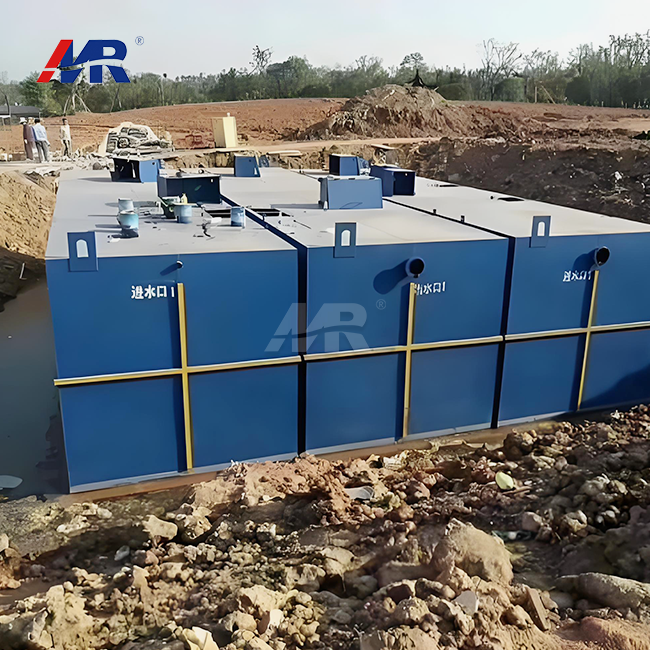 VIEW MOREwastewater treatment plant units
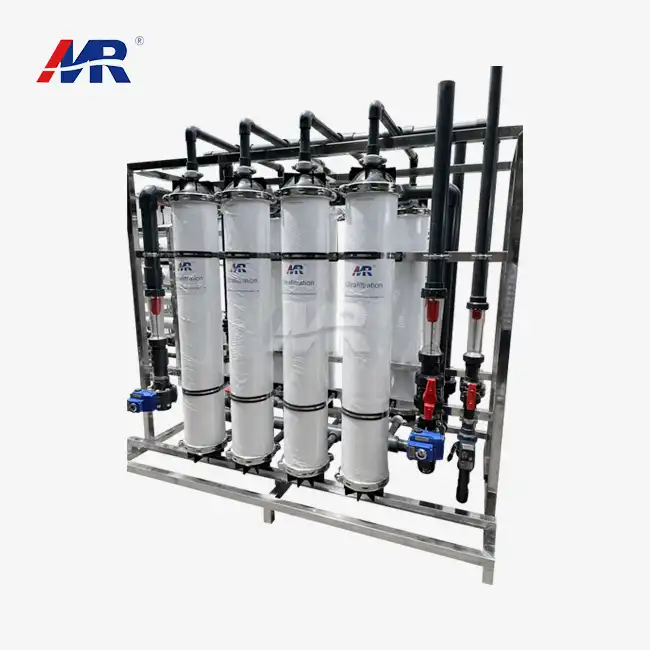 VIEW MORE15T/H ultrafiltration system
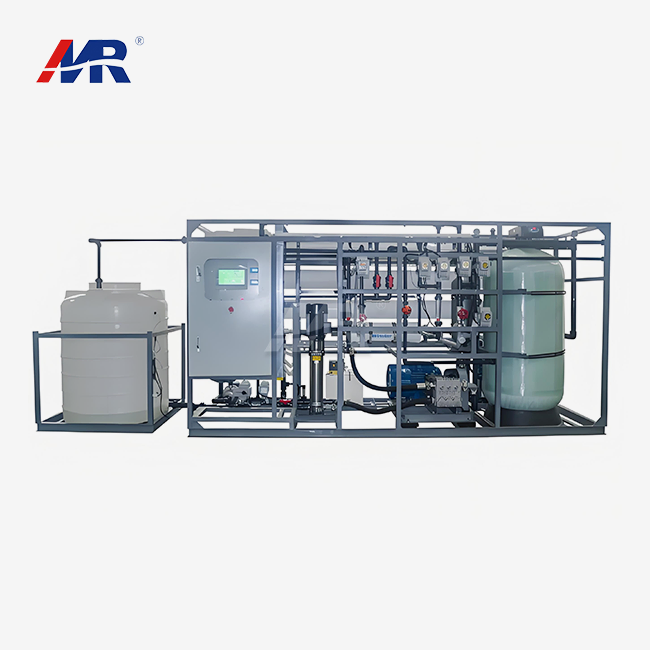 VIEW MOREseawater treatment system
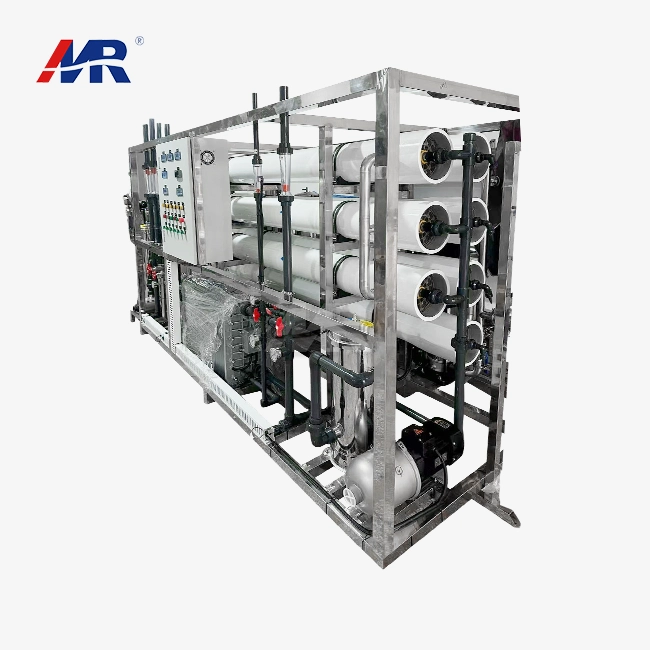 VIEW MOREedi module water treatment
 VIEW MOREreverse osmosis water purification plant
 VIEW MOREunder counter reverse osmosis water system
 VIEW MORE90T/H ultrafiltration equipment
 VIEW MOREcontainer 3m3/hour RO equipment
