

_1745823981883.webp)

Health Benefits of Remineralized Water: Why It’s Better Than Regular RO Water
Some contaminants and impurities are very well removed by reverse osmosis (RO) technology, but it also takes away minerals that our bodies need for good health. Businesses and industries that provide drinking water to their workers, customers, or towns should be very worried about this. This problem can be solved with remineralized water, which uses special remineralization filter technology to add important minerals back into cleaned water. This makes it better to drink and meets health and hydration needs in many workplace settings.

Understanding Remineralized Water and Its Importance
The Science Behind Technology for Mineral Restoration
Traditional RO systems take important minerals from water during the cleaning process. Remineralization filters are a major step forward in water treatment technology because they add back these minerals. After the first step of RO purification, these high-tech filter systems add carefully balanced mineral cartridges. This successfully adds calcium, magnesium, potassium, and other important nutrients back into the treated water. These important elements are slowly released back into the clean water stream by mineral stones or other specialty media. This is how the technology works.
This process is important for more than just improving the taste. When RO systems get rid of almost all dissolved solids, including good minerals, the water that is left behind can become aggressive. This means that it tries to balance itself by removing minerals from pipes, holding tanks, and even people. Long-term exposure to this event could cause structures to rust and have health effects.
Industrial Applications and Operational Benefits
More and more manufacturing plants, food and drink businesses, medicinal companies, and leisure companies are realizing how valuable it is to use remineralization systems. Mineralized water makes drinks and food taste much better in food service settings, which has a direct effect on customer happiness and product quality. Pharmaceutical and biotechnology businesses benefit from the managed mineral content because it helps keep the water's chemistry stable and meets government standards.
The technology, reverse osmosis with remineralization, is especially useful in local water treatment plants that serve seaside towns that use desalination methods. Remineralization screens can be added to these processes to make sure that the treated seawater not only meets safety standards but also gives people the nutritional benefits they expect from their drinking water.
Health Benefits of Remineralized Water vs. Regular RO Water
Essential Mineral Restoration for Human Health
When you look at the minerals that regular RO processing takes away, the health benefits of remineralized water become clear. Calcium and magnesium are two of the most important minerals that are lost during reverse osmosis. They are needed for strong bones, heart health, and muscle movement. According to research released in the World Health Organization, drinking demineralized water for a long time may lead to mineral deficiencies, especially in groups that don't get enough minerals from their food.
These worries can be put to rest with demineralized water, which restores the right amounts of these important nutrients. Researchers have found that having water with the right amount of minerals can help people meet their daily mineral needs. Calcium that comes from water is highly bioavailable, which means that the body can easily take and use it for metabolic processes.
Enhanced Hydration and Physiological Benefits
In addition to replacing minerals, remineralized water is better at keeping you hydrated than regular RO water. Electrolytes, such as sodium, potassium, and magnesium, help cells absorb water better, which makes hydration more effective at the cellular level. This better ability to hold water is especially helpful in industrial settings where workers have to deal with heavy lifting or high temperatures.
When remineralization is done right, the pH balance is restored, making the water more in line with the body's normal pH needs. Pure RO water is slightly acidic because it absorbs carbon dioxide. Remineralized water, on the other hand, stays more neutral to slightly alkaline, which may help the body's acid-base balance.
Clinical findings show that people who drink remineralized water are happier with the taste, which makes them drink more water overall. This one change in behavior can have a big effect on fitness programs at work and the health of employees in business settings.
Comparing Remineralization Filters with Other Water Treatment Solutions
Technical Performance Analysis
When you're looking at different ways to treat water, remineralization filters are clearly better than alkaline water systems or simple carbon filters. While alkaline systems mostly work on lowering the pH by adding fake minerals, remineralization technology takes a broader view by recovering naturally occurring mineral profiles that are similar to those found in high-quality spring water sources.
Even though carbon filtering is great at getting rid of chlorine and organic molecules, it can't fix the main problem that RO systems cause: mineral loss. Remineralization filters work with current reverse osmosis systems without replacing the whole thing. This makes them an affordable way for places that already have reverse osmosis technology to improve it.
The working efficiency of these devices is better than that of many other options. Here are the main technical benefits of remineralization filters that make them perfect for business-to-business uses:
- Consistent Mineral Output: Modern remineralization systems keep mineral amounts stable even when feed water changes. This makes sure that water quality is stable for both commercial uses and human consumption.
- Low Maintenance: Unlike complex alkaline systems that need to check the pH level and add chemicals on a regular basis, mineral cartridge systems work quietly and only need to be replaced every 6 to 12 months, based on how much they are used.
- Options for scalable designs: modular remineralization systems can be used in a wide range of buildings, from small office buildings to big industrial centers, and flow rates can be changed to meet the needs of each operation.
- Integration Compatibility: These systems work well with existing RO systems, so they don't need many changes to the way water is treated now. This means that previous equipment investments are used to their full potential.
Economic Considerations for Procurement Teams
From a buying point of view, remineralization filters are a smart purchase that pays off in the short and long run. The initial cost of tools is usually a lot less than the cost of replacing the whole system, and because mineral cartridge technology is silent, there aren't many ongoing costs. Quality remineralization systems have long work lives—often more than 10 to 15 years with proper maintenance—which means they give you a great return on your investment.
Since these devices don't have pumps, electrical controls, or heating elements, they don't use much energy. This passive process also cuts down on possible failure spots, which makes the system more reliable overall and cuts down on emergency calls.
Practical Guidance for Procurement and Implementation
Selection Criteria and System Specification
To pick the right remineralization filter systems, you need to carefully consider a number of important factors that have a direct effect on their performance and cost-effectiveness. How much and what kind of minerals are in the water source affect the type and amount of remineralization media that is needed. Facilities that handle large amounts of material need systems that can keep the mineral output steady even when the flow conditions change.
Another important thing to think about is how well it works with other RO systems. Modern remineralization filters can work with pipes of different sizes and pressures, but making sure they are the right size ensures they work well and last a long time. To avoid sites that are too small, flow rate requirements should take into account times of high use and possible future growth needs.
Quality approvals and rules for following them are very different between suppliers and product lines. For drinking water uses, NSF International certification is a reliable way to guarantee quality. For industrial applications, on the other hand, extra Certifications may be needed based on the rules of that business.
Implementation Strategy and Maintenance Planning
A thorough site survey and system design consultation are the first steps to a successful execution. Professional installation makes sure that the new system works well with the old one and follows all local water and health rules. A lot of providers offer full installation services that include setting up the system, checking its performance, and teaching operators how to use it.
Planning when to do maintenance is very important for how well a system works in the long run. Setting up regular checking procedures helps find problems before they affect the quality of the water or the access to the system. Managing the stockpile of replacement cartridges keeps operations running smoothly and lets you take advantage of big buying opportunities.
Different industries and uses have different needs for documentation and keeping records for reverse osmosis with remineralization. To help with quality assurance and regulatory compliance, pharmaceutical and food processing facilities often keep thorough logs of water quality factors, cartridge replacement dates, and system performance measures.
Conclusion
Remineralized water is a big improvement over regular RO water because it fixes the main problem of mineral loss while keeping the good qualities of removing contaminants that make reverse osmosis technology useful. Remineralization filters are great for companies that care about their employees' health and the happiness of their customers because they restore important minerals, make water more hydrating, and improve the taste. Pros: This technology has technical benefits like being able to easily connect to other systems, needing little upkeep, and having design options that can be expanded. These are strong reasons for buying teams to think about using it. As more and more businesses realize how important good water quality is to their operations and to following the rules, remineralization filter systems become a realistic and affordable option that provides both short-term and long-term benefits for a wide range of business uses.
FAQ
Q1: What specific minerals do remineralization filters add to RO water?
Most of the time, remineralization screens add calcium, magnesium, potassium, and small amounts of salt back into processed water. The exact mix of minerals varies on how the cartridge is made, but good methods try to match the mineral content found in natural spring water. These minerals are released by controlled breakdown from special media that is made to keep output steady for long periods of time.
Q2: How often should the tubes in a remineralization filter be changed?
When to change the cartridge depends on how much water is used and what quality standards are needed, but for business uses, the time between replacements is usually between 6 and 12 months. Industrial setups that handle a lot of work may need to be replaced more often, but smaller sites can usually go longer between replacements. Testing the water on a regular basis helps figure out the best refill plans based on how much mineral it contains and how good it tastes.
Q3: Do remineralization filters make water taste much better than regular RO water?
Yes, most people who move from pure RO water to remineralized water say that the taste is much better. Restoring minerals gets rid of the flat, chemical taste that comes with drinking water that has been demineralized. This makes the water more enjoyable to drink and encourages more of it. In beverage applications and food service processes, this change stands out the most.
Q4: What maintenance is required for remineralization filter systems?
Due to the silent nature of these devices, they don't need much maintenance. As part of regular jobs, cartridges need to be visually checked every so often, mineral output needs to be tracked by testing the water, and cartridges need to be replaced on a regular basis. Remineralization filters don't need any extra chemicals, computer calibration, or pump upkeep as complex treatment systems do.
Q5: Can remineralization filters work with any existing RO system?
The majority of remineralization filters are made to work with common RO system setups. But proper size and pressure factors make sure the best performance. Getting help from a professional during the decision process can help you find the best system design for your setups and operations.
Transform Your Water Quality with Morui Remineralization Filter Solutions
Are you ready to improve the water quality in your building so that your workers and customers can stay healthier? Businesses that want to improve their RO infrastructure should look no further than Morui's advanced remineralization filter systems. Our experienced engineering team can meet with you to fully understand your needs and come up with unique solutions that will provide you with regular, high-quality mineralized water.
Get in touch with our technical experts at benson@guangdongmorui.com to talk about your project needs and get full details on our remineralization filter manufacturer options.
References
1. Health Organization of the World. "Health risks from drinking water that has lost minerals." Guidelines for drinking water quality, 4th version. The 2017 WHO Press in Geneva.
2. Franziska Kozisek. The meeting of an expert group on the health effects of drinking water minerals was called "Health Significance of Drinking Water Calcium and Magnesium." The National Institutes of Health published this book in 2004.
3. Group of American Water Works. "Reverse Osmosis and Nanofiltration Manual of Water Supply Practices." 2nd Book. 2018; Denver, CO: AWWA Publications.
4. Payal and Sengupta. The International Journal of Preventive Medicine has an article called "Potential health impacts of hard water." 4, No. 8, 2013.
5. Council for National Research. "Drinking Water and Health: Selected Issues in Risk Assessment." National Academy Press, Washington, DC, 2019. 128 p.
6. The International Association for Desalination. The Global Water Intelligence Technical Report from 2020 talks about "post-treatment technologies for desalinated water: remineralization and disinfection."
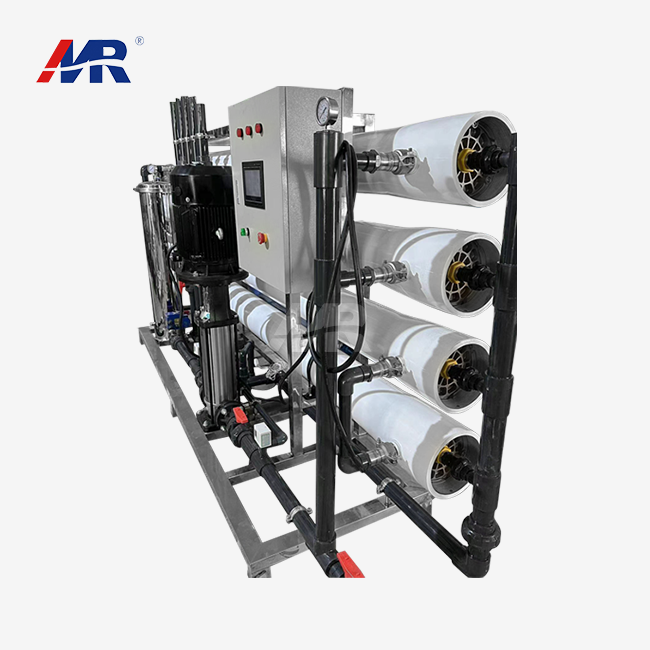 VIEW MOREunder counter reverse osmosis water system
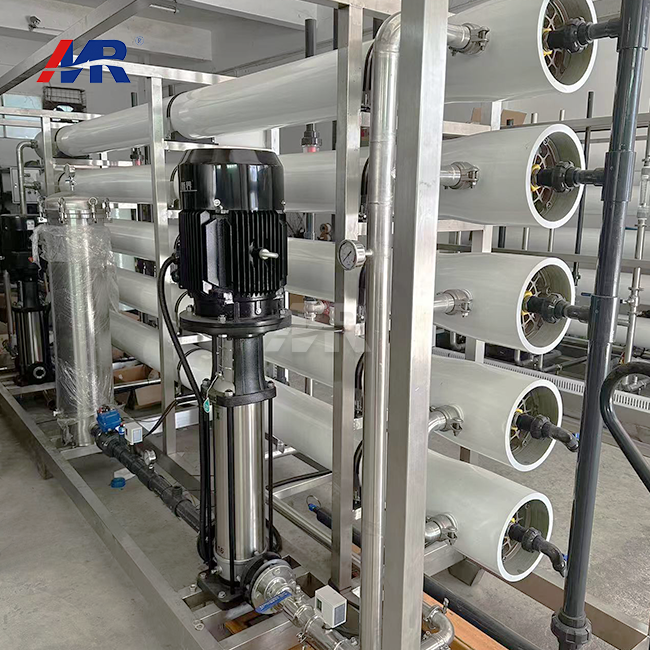 VIEW MOREosmosis water purification system
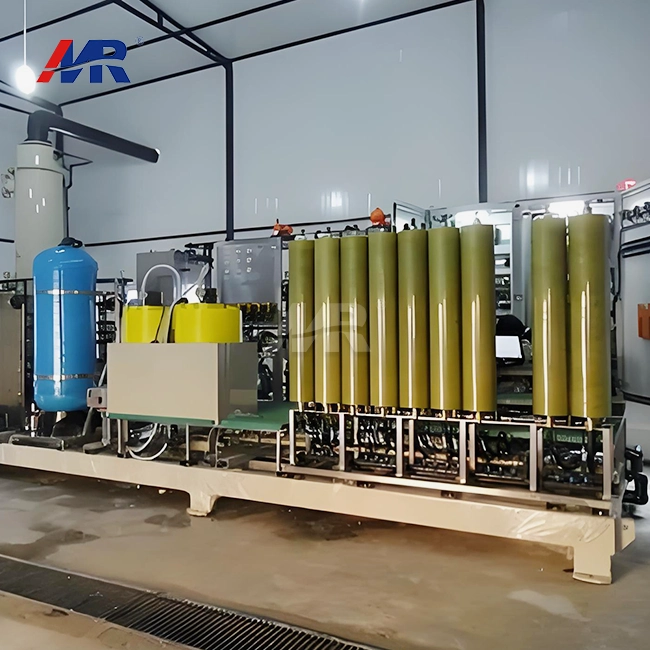 VIEW MOREDTRO Water Treatment
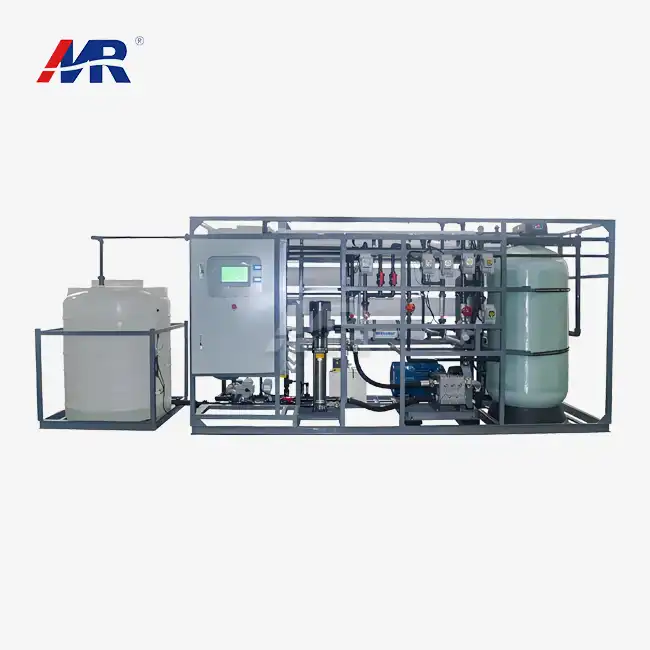 VIEW MORE5m3/hour seawater desalination equipment
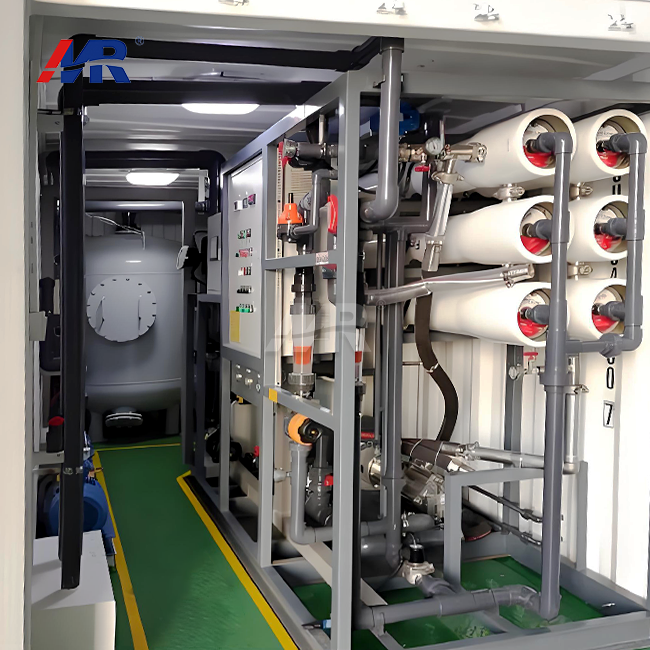 VIEW MOREcontainerized RO equipment
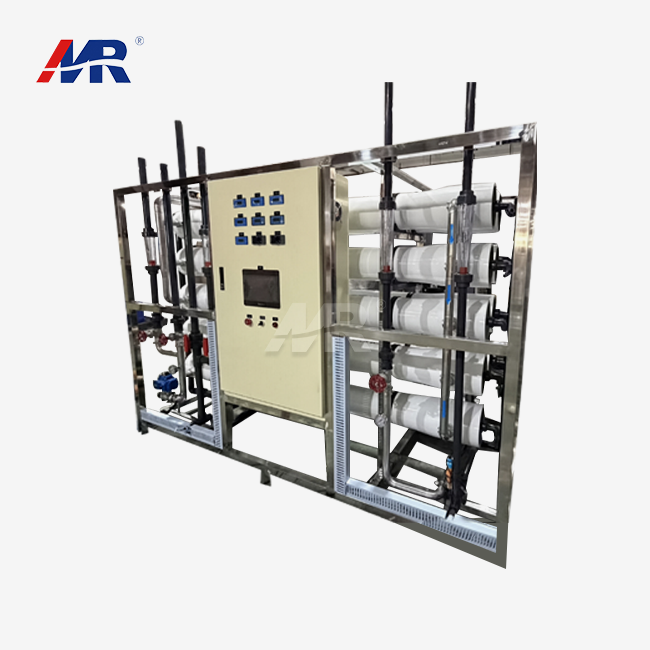 VIEW MORE8 stage reverse osmosis system
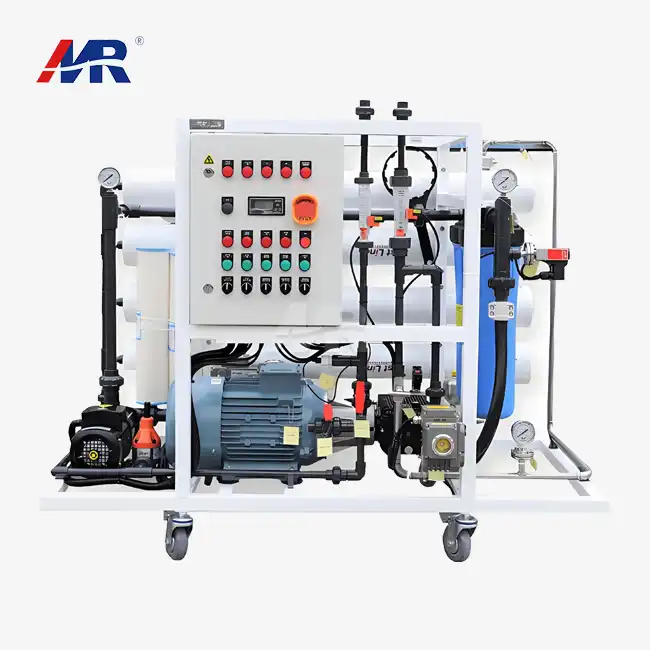 VIEW MORE2m3/hour seawater desalination equipment
 VIEW MOREcommercial sewage treatment plant
