_1745823981883.webp)

Affordable High-Performance Reverse Osmosis Systems for Business Use
When companies need solid ways to clean their water, reverse osmosis systems that are also very cheap are often the best choice. Up to 99.9% of contaminants can be removed by a reverse osmosis system's semi-permeable filters. This keeps the quality of the water steady, which is important for many industrial processes, such as making things, making food, making drugs, and more. There is a great deal on these high-tech water filters because they use cutting-edge technology and don't cost much to run. This means that companies need them if they want to keep their water clean without spending a lot of money.
Understanding Reverse Osmosis Systems for Business Applications
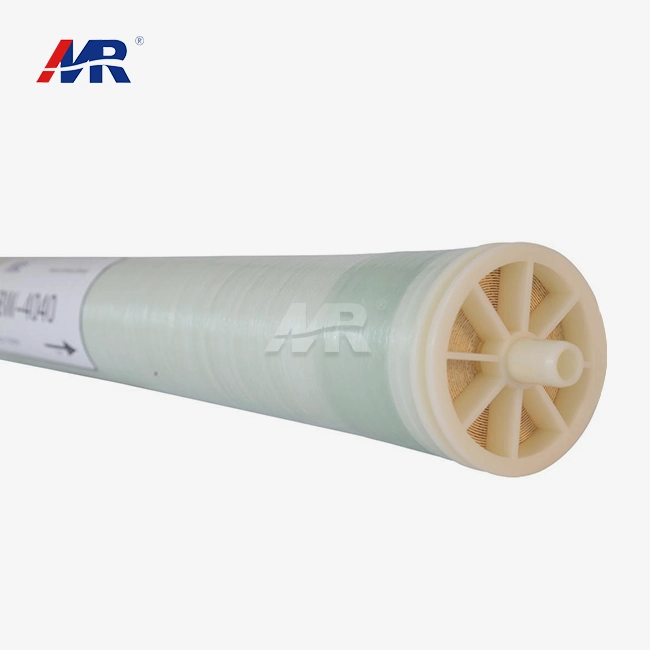
Understanding how reverse osmosis technology turns dirty water into clean water is the first step in making industrial water treatment work. Modern RO systems use advanced membrane technology with holes that are about 0.0001 microns in size. These pores successfully stop dissolved salts, heavy metals, bacteria, viruses, and chemical contaminants, only letting clean water molecules pass through.
Core Technology and Filtration Process
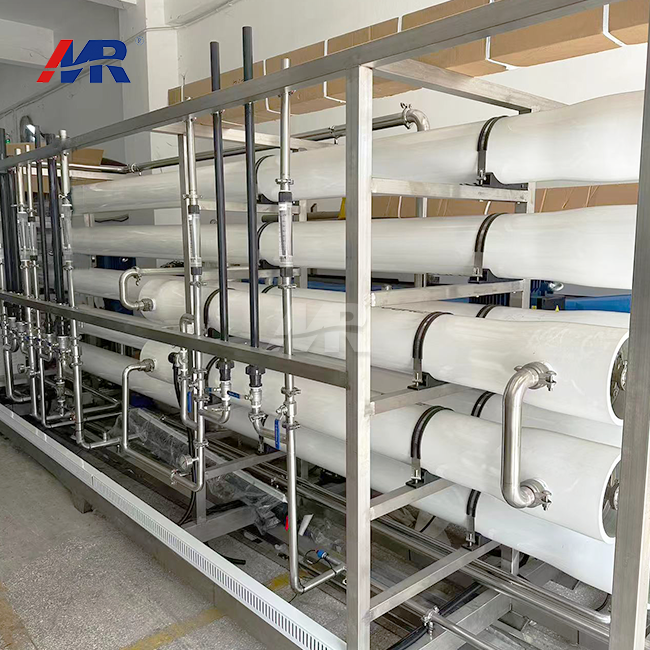
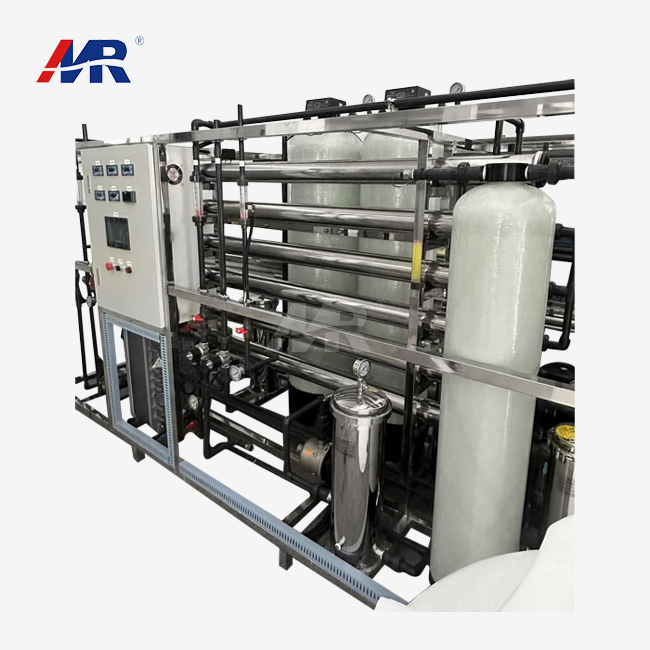
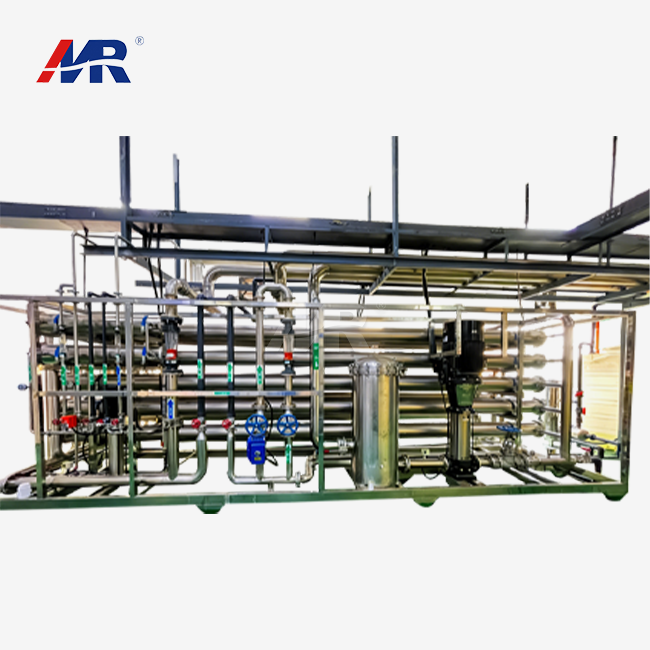
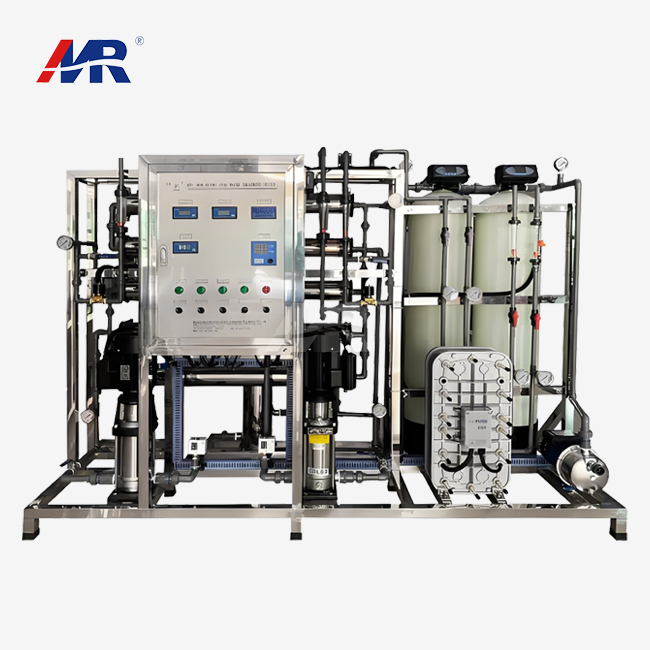
In order to make sure the water is totally clean, commercial reverse osmosis systems clean it in several ways. As part of the pre-treatment process, carbon filters lower the chlorine levels, and sediment filters get rid of bigger bits. It keeps the ro membrane from getting hurt. After that, high-pressure pumps move the water through the semipermeable membrane, which screens it down to the level of molecules.
With this membrane separation method, two streams of water are made: the cleaned permeate water and the concentrated reject water, which has had contaminants taken out. When water is cleaned, it either goes to holding tanks or straight to where it's needed. When water is rejected, the dirty water is taken away. As a last step, screens polish the water one more time, getting rid of any tastes or smells that are still there before it is used.
Industrial Advantages and Compliance Benefits
When businesses use reverse osmosis systems, they get big practical benefits that have a direct effect on their output and compliance standards. Improving the cleanliness of water gets rid of more than 99% of contaminants, which is required by strict industry rules like GMP standards for medicines, FDA rules for food processing, and ultrapure water requirements for electronics manufacturing.
Less machine scaling, less chemical use, and less upkeep needs across all production processes lead to higher operational efficiency. Companies that use RO-treated water say their equipment lasts longer, they have less downtime, and their Products are consistently better. These systems get rid of bacteria, sodium, lead, and arsenic that can damage products or put people's health at risk.
Key Performance Indicators for Commercial Applications
Understanding success measures helps you make smart buying choices that meet the needs of your business. Recovery rates for industrial systems are usually between 75% and 86%. This shows how much of the feed water was turned into a clean product. It can flow 500 gallons per day for a small business or over 100,000 gallons per day for a big industrial farm.
Under normal working conditions, a membrane should last between two and three years. However, if you do the right pre-treatment and upkeep, you can make this last a lot longer. Energy efficiency tests show that current reverse osmosis systems only use 3 to 5 kWh for every 1,000 gallons they produce. This makes them cheaper than other ways to clean water. Total dissolved solids removal always goes above 95%, making sure that the quality of the water meets or beats government guidelines in many businesses.
Choosing the Right Reverse Osmosis System for Your Business Needs
To choose the right RO equipment, you need to carefully think about your long-term business goals, working needs, and available room. Different system configurations are used for different business needs, ranging from point-of-use applications that support specific tools to whole-facility solutions that clean all of the water in a building.
System Configuration Options and Applications
Point-of-use systems work best in specific places where certain equipment needs clean water, like labs, hospitals, or kitchens where food is being prepared. These small units can make between 50 and 500 gallons of water every day and work well with the equipment that is already in place. Installation options include putting under sinks, in cabinets, or in out-of-the-way places that are still easy to get to for upkeep.
As a whole building or work area needs water cleaning, point-of-entry systems take care of it. These bigger setups need their own equipment rooms and to be set up by professionals, but they improve the water quality all over the building. Whole-building systems are necessary in fields like medicine, manufacturing, and semiconductor production, where all water exchanges must meet strict cleanliness standards.
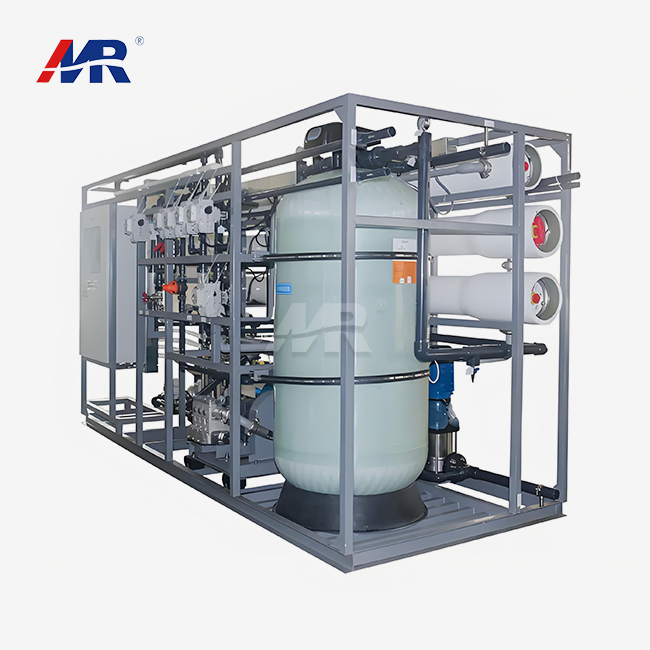
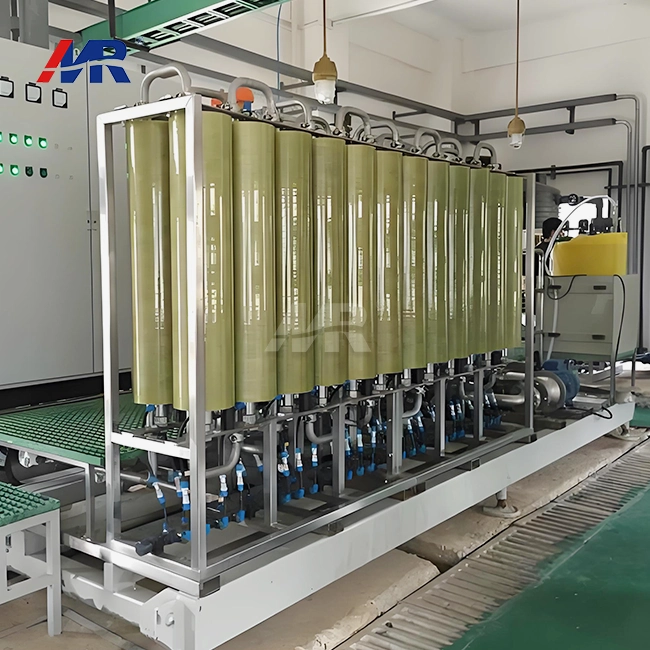
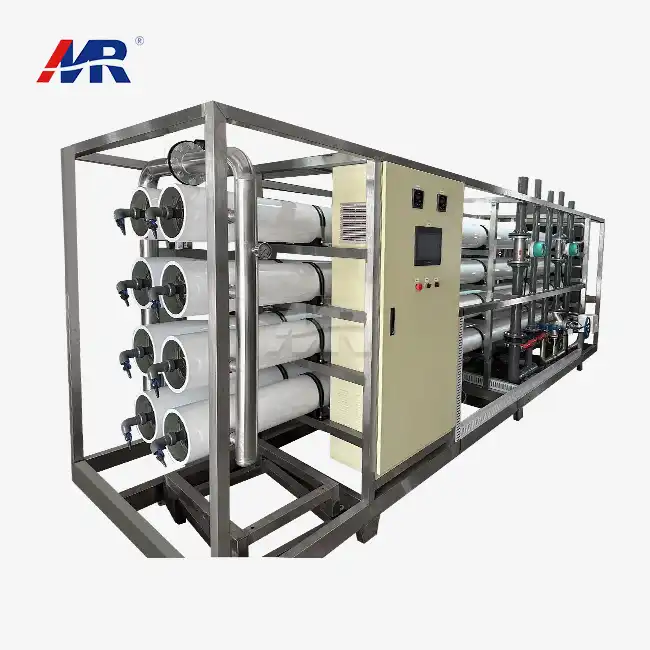
Commercial-grade systems offer options that can be expanded to meet new needs as the business grows. Modular designs let you add more space without replacing the whole system. This protects your initial investments while letting you meet the changing needs of your business. Skid-mounted systems make it easier to set up and move, which is especially helpful for temporary activities or buildings that are planned to grow in the future.
Comparative Analysis with Alternative Technologies
Businesses can make smart technology choices when they know how reverse osmosis stacks up against other ways to treat water. Carbon filter gets rid of chlorine and organic chemicals well, but it can't get rid of dissolved salts or total dissolved solids. Water softeners get rid of minerals that make water hard, but they also add sodium and don't get rid of other contaminants that are bad for industry processes.
Distillation makes water that is very clean, but it uses a lot more energy than RO systems, which makes it too expensive for large-scale uses. UV decontamination kills bacteria well, but it doesn't get rid of chemical contaminants. Reverse osmosis technology gets rid of a wide range of contaminants while using little energy, which makes it perfect for all water treatment needs.
Ion exchange resins are good at getting rid of certain contaminants, but they need to be regenerated with chemicals on a regular basis, which makes operations more difficult. RO screens work consistently with a few chemicals, which is better for the environment and lowers running costs. Because it works well and is easy to use, reverse osmosis is the most common way for businesses around the world to treat water.
Cost-Benefit Analysis and ROI Considerations
When you look at the total cost of ownership, you can see that high-quality reverse osmosis systems are more cost-effective over longer operating times. System prices start at $5,000 for small business units and go up to over $100,000 for large industrial setups, depending on their size and features. But these initial investments save a lot of money in the long run because they lower the cost of chemicals, make tools last longer, and improve the quality of the products.
Electricity, new filters, and membrane repairs, which are usually needed every two to three years, are examples of operating costs. Quality systems have lower upkeep costs and parts that last longer, which makes up for their higher starting costs by causing less downtime. Energy-efficient designs use less energy while keeping output rates high, which makes the business even more profitable.
When figuring out the return on investment, you have to take into account things like fewer product defects, longer equipment life, perks for following the rules, and possible insurance savings. When all operational changes are taken into account, many businesses see payback times of less than 18 months. Better water quality often lets you place a product as a special one, which brings in extra money and speeds up the return on investment (ROI).
Installation, Maintenance, and Lifecycle Management of RO Systems
A well-run RO system needs to be carefully planned, professionally installed, and have regular repair plans that make the equipment last as long as possible and work at its best. Installing things correctly makes sure they work perfectly and sets up care schedules that keep things running smoothly and extend the life of parts.
Professional Installation Best Practices
Before installing a commercial reverse osmosis system, the site must be thoroughly inspected to check the quality of the water, the amount of room needed, the power capacity, and the ability to drain. Professional workers look at the properties of the feed water to make sure that the pre-treatment needs are met and that the membrane choice is correct. Properly preparing a spot means making sure it has enough air flow, the right temperature, and easy entry for regular maintenance tasks.
Connections in plumbing need high-quality parts and materials that don't rust or break down when the pressure changes. Local building rules must be followed when installing electricity so that high-pressure pumps and control systems can work reliably. Drainage systems let you get rid of wastewater while stopping leaks that could damage the system.
System commissioning includes checking all of its parts thoroughly, adjusting the pressure, and making sure that the system works as expected. Professional workers give full training that includes how to use the equipment every day, do regular upkeep, and fix problems. Documentation includes installation certificates, guarantee information, and upkeep plans that are necessary for managing the system in the best way possible.
Preventive Maintenance Programs and Schedules
Setting up regular repair schedules improves system performance and cuts down on unexpected breakdowns and the costs that come with them. Monitoring is done every day by taking readings of the pressure, checking the flow rate, and testing the water quality with TDS meters or conductivity devices. Every week, inspections check the state of the filters, look for leaks, and make sure the storage tanks are clean.
Maintenance chores that need to be done once a month include replacing the pre-filter, adjusting the pressure gauge, and cleaning the system thoroughly. Every three months, activities like evaluating the performance of the membranes, inspecting the high-pressure pumps, and cleaning the whole system are done. Every year, maintenance includes replacing all of the system's parts, having a professional look it over, and making changes to improve efficiency.
Maintenance scheduling software keeps track of how long parts last and sets off automatic notes to replace them, so sudden failures don't stop operations. Inventory management makes sure that important extra parts are always available without having to buy too much stock. Professional service contracts offer help from experts and promise quick responses to technology problems.
Troubleshooting and Performance Optimization
By spotting early warning signs, you can do preventative maintenance that keeps the water quality stable and stops systems from breaking down. When permeate flow drops, it's usually because the membrane is getting clogged or scaled up and needs to be cleaned or replaced. If the amount of rejected water goes up, it means that the membrane is damaged or the pressure settings are wrong, and you need to get professional help.
If the water quality gets worse, it means that the pre-filter is saturated, the membrane has broken through, or the post-filter is worn out and needs to be replaced right away. High-pressure pumps that make strange noises are likely experiencing bearing wear, cavitation, or alignment problems that need to be checked out by a professional. Changes in pressure could mean that there are problems with the control valves, the pumps, or the feed water source that need to be looked into in a planned way.
Getting the best performance from a system means making regular changes to its parameters based on changing feed water conditions and operating needs. Because of changes in the seasons, pre-treatment or pressure adjustments may be needed to keep things working at their best. Improvements in energy efficiency, like optimizing pumps, managing pressure, and changing recovery rates, lower running costs while keeping water quality standards high.
Market Overview and Procurement Insights for B2B Buyers
In the business reverse osmosis market, there are a lot of different choices. There are both well-known manufacturers with a track record of reliability and new companies with cutting-edge features. Procurement workers can make better choices that balance performance, cost, and long-term support needs when they understand how markets work.
Leading Manufacturers and Technology Trends
The industrial RO market is dominated by well-known companies that have been coming up with new ideas and doing well in many different types of industries for many years. These businesses put a lot of money into research and development, which helps them make membranes that can handle more fluid, filter out more contaminants, and last longer. Advanced automation systems let you watch things from afar, send you tips about planned repairs, and suggest ways to improve how things work.
New technologies include smart sensors that constantly check how well a system is working and change its settings to make it work as efficiently as possible. By using pressure energy from reject streams on incoming feed water, energy recovery devices lower the cost of running the system. New membrane materials are getting better at resisting chemicals and bacterial fouling, and they can handle higher temperatures, which means they can be used in more situations.
Modern reverse osmosis systems can talk to building management systems, giving real-time information on performance and letting one person run many treatment systems from one place. With mobile apps that let you watch and control things from afar, building managers can keep an eye on things and get tips from anywhere. As a result of these technological improvements, operations are more efficient and require less labor, and reaction times are shorter.
Procurement Strategies and Vendor Evaluation
To buy a RO system successfully, you need to carefully evaluate each vendor's technical skills, financial health, and the quality of their ongoing assistance. As part of the technical study, membrane technology, system design, and performance promise are all looked at. Certifications for manufacturing quality, like ISO 9001, show that production standards and quality control procedures are always the same.
A review of a vendor's financial security guards against the risk that the vendor will fail, which could affect ongoing support and warranty coverage. Long-term relationships help plan system upgrades, adding new features, and making sure that expert support doesn't stop. Being able to provide local service means that repair needs and emergencies can be dealt with quickly.
When evaluating service and support, you should look at things like training programs, repair services, and the availability of parts. Full guarantees that cover both the technology and its performance protect against costs and downtime that you didn't expect. The quality of technical help has a big effect on the long-term success of operations. This makes the knowledge and responsiveness of the vendor important decision factors.
Value-Added Services and Partnership Benefits
Leading reverse osmosis system providers offer full-service packages that include more than just selling tools. These packages include installation, training, maintenance, and ongoing assistance for optimizing the system. These value-added services lower the need for internal resources while still making sure that the system works at its best for as long as it is in use.
Professional installation services make sure that the system is set up correctly and runs at its best from the start. Comprehensive training programs teach how to operate, maintain, and fix problems. This makes internal management more effective and reduces the need for outside service providers. Maintenance contracts set fixed prices for regular maintenance, help in an emergency, and provide new parts.
Performance tracking services use online connections to keep an eye on how systems work and find ways to make them better or identify problems that might happen before they affect operations. Businesses can use upgrade advice to make their systems fit their changing needs or use new technologies to their advantage. These relationships build long-term value while making operations simpler and lowering risk.
Morui Environmental Technology: Your Trusted Water Treatment Partner
Guangdong Morui Environmental Technology Co., Ltd. is a leader in industrial water treatment solutions. They use their many years of experience in the field and cutting-edge technology to make great reverse osmosis systems that can be used in a wide range of business situations. Our extensive knowledge includes treating industrial wastewater, processing household sewage, desalinating seawater, and making drinking water. We have a strong infrastructure with over 14 branches and 500 committed professionals.
Comprehensive Product Portfolio and Engineering Excellence
Our 20-person engineering team creates custom RO solutions that meet the needs of each business. These can be pharmaceutical-grade systems that meet GMP standards or high-capacity installs that serve water treatment plants. We have our own factory for making membranes and several factories for handling equipment. This way, we can keep an eye on quality throughout the whole manufacturing process and make sure that all of our products work well and are reliable.
We have strategic relationships with top component makers like Shimge Water Pumps, Runxin Valves, and Createc Instruments that let us use tried-and-true technologies in the best way possible. This method of vertical integration lets prices be low while keeping quality standards that go above and beyond what the industry expects. Our flexible design philosophy protects client investments while responding to changing business needs. It also allows for future growth and changing needs.
Quality assurance procedures cover the whole process, from planning to installation and ongoing assistance. Before shipping, strict testing methods make sure that performance standards are met, and full paperwork and training make sure that the system works well with other systems. Our dedication to quality has won us praise from clients in the city, pharmaceutical, food processing, manufacturing, and electronics industries.
Complete Service Solutions and Ongoing Support
Morui does more than just make tools; they also handle whole projects from start to finish, including site evaluation, system design, professional installation, and full commissioning. Our "turnkey" method gets rid of the need for organizational problems and makes sure that the system works well and is integrated from the start. Support after installation includes training programs, upkeep services, and professional help that make the system as valuable as possible for as long as it is used.
Advanced tracking technologies and predictive analytics are used in preventive maintenance programs to improve performance and keep operations running as smoothly as possible. Our service network spans the whole country, so we can quickly help with both regular upkeep and emergencies. Genuine new parts and membrane supplies keep the system working properly and protect the guarantee.
In a wide range of uses, client success stories show measurable gains in water quality, operational efficiency, and cost savings. Through energy-efficient system design, a pharmaceutical client was able to get rid of 99.8% of contaminants while cutting running costs by 35%. A food processing plant fixed problems with the quality of its products and made tools last 40% longer by treating the water thoroughly.
Conclusion
Businesses that need reliable water purification options need to invest in equipment that includes affordable, high-performance reverse osmosis systems. These modern filtration technologies are great at getting rid of contaminants, making operations more efficient, and following the rules in a wide range of business settings. Knowing the criteria for choosing a system, how to install it, and how to keep it in good shape lets you make smart purchasing choices that increase long-term value while meeting specific operational needs.
A well-run RO system needs to be carefully planned, installed by professionals, and have regular repair plans that keep the equipment running at its best for as long as it lasts. When choosing providers and systems, market evaluation should think about professional skills, service quality, and the chance of forming long-term partnerships.
FAQ
Q1: How does a reverse osmosis system work for commercial applications?
Commercial reverse osmosis systems have more than one step in the process. The first step is pre-filtration, which gets rid of sediments and chemicals. High-pressure pumps move water through semi-permeable membranes with holes that are only 0.0001 microns wide. These pores stop contaminants but let molecules of pure water pass through. The process makes both clean water that can be used and concentrated wastewater that has contaminants that have been cleaned out. Post-treatment screens polish the water one last time before it gets to people who use it.
Q2: What contaminants can commercial RO systems remove?
Up to 99.9% of dissolved salts, heavy metals like mercury and lead, bacteria, viruses, chemical compounds, and total dissolved solids are removed by good reverse osmosis systems. They get rid of organic substances, chlorine, fluoride, nitrates, sulfates, and salt that can hurt the quality of products or be harmful to health. Because it gets rid of all contaminants, RO is perfect for businesses that need very clean water, like electronics, pharmaceuticals, and food processing.
Q3: How often do commercial RO system membranes need replacement?
Under normal working conditions, commercial RO membranes need to be replaced every two to three years. However, good pre-treatment and maintenance can make this last a lot longer. The feed water quality, working pressure, temperature, and how often the membrane is cleaned all affect how long it lasts. Monitoring performance on a regular basis helps find the best time to change something based on flow loss or quality degradation rather than random plans.
Q4: What are the operating costs for commercial reverse osmosis systems?
The average amount of energy used is 3 to 5 kWh per 1,000 gallons of production. Other costs include replacing filters and membranes and doing regular upkeep. Total running costs are usually between $0.50 and $2.00 per 1,000 gallons, but this depends on the size of the system, the cost of utilities in the area, and the need for upkeep. Long-term operating costs are cut by a large amount when plans are energy-efficient, and upkeep is done correctly.
Partner with Morui for Superior Reverse Osmosis Solutions
Morui Environmental Technology has a track record of treating water effectively and offers a wide range of reverse osmosis system options that can be used in a variety of business settings. Our skilled engineers create one-of-a-kind systems that meet the needs of your industry and offer great value by combining cutting-edge technology and offering ongoing support. With more than 14 locations across the country and dedicated technical help, we can guarantee quick responses and efficient service for as long as your system is in use.
Get in touch with our water treatment experts right away to find out how our high-performance RO systems can help your business run better and save you money. You can get specialized advice and system suggestions by emailing benson@guangdongmorui.com.
References
1. Membrane Technology Research Institute. "Commercial Reverse Osmosis Systems: Performance Standards and Industry Applications." Journal of Water Treatment Technology, 2024.
2. American Water Works Association. "Industrial Water Treatment Guidelines: Reverse Osmosis Implementation Best Practices." AWWA Publications, 2024.
3. International Desalination Association. "Commercial RO Market Analysis: Technology Trends and Cost Evaluation." IDA Technical Report Series, 2024.
4. Water Quality Association. "Business Water Treatment Systems: Selection Criteria and Performance Metrics." WQA Professional Guidelines, 2024.
5. Environmental Protection Agency. "Industrial Water Treatment Compliance Standards: Reverse Osmosis Applications." EPA Technical Bulletin, 2024.
6. Water Treatment Industry Council. "Commercial Membrane Technology: Lifecycle Management and Maintenance Protocols." WTIC Best Practices Manual, 2024.