

_1745823981883.webp)

Industrial Case Studies: Successful RO Wastewater Treatment Implementations
Managing industrial pollution is one of the most important environmental problems that modern factories have to deal with. RO System technology has become a game-changing option that has changed how businesses treat water and get resources back. By being used successfully in many different types of industries, reverse osmosis has shown that it can handle complex wastewater mixtures and provide significant practical benefits. The technology works well because it can precisely remove dissolved contaminants, which lets water be used again and has less of an effect on the environment.
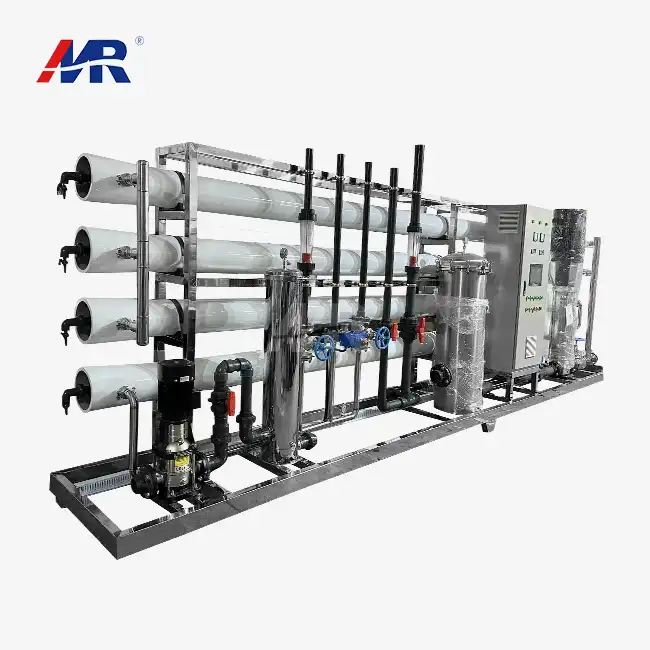
Understanding Reverse Osmosis (RO) Systems in Industrial Wastewater Treatment
Water molecules are pushed through semi-permeable membranes under high pressure in a very complex membrane filter process that makes reverse osmosis work. Dissolved contaminants, suspended solids, and organic chemicals can be successfully separated from industrial wastewater streams by this method. High-pressure pumps, membrane tanks, control systems, and pretreatment tools are the main parts of an RO system. These parts work together to get great purification results.
Core Components and Process Flow
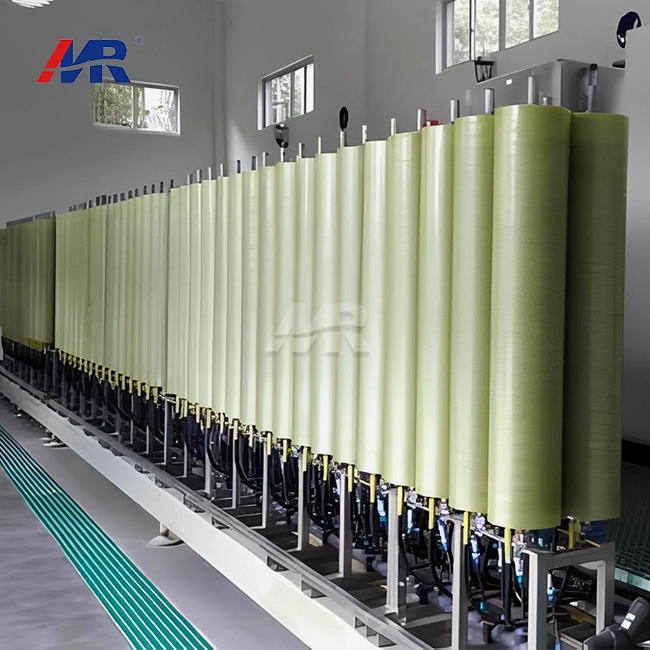
Modern industrial RO systems use a lot of different technologies to work at their best. Pressure tanks hold special thin-film composite membranes that don't get clogged and consistently separate wastewater. High-pressure pumps create the force needed to push wastewater through membrane barriers. The process starts with preparation steps like multimedia filtration, chemical dosing, and cartridge filtration to keep the membranes further down the line from getting damaged or scaling.
Temperature and pressure tracking devices collect data in real time on a number of factors, such as feed conductivity, concentrate pressure, and permeate flow. With these measures, operators can keep an eye on how well the membranes are working and use predictive repair plans. Data normalization methods help find out when system performance goes beyond what is considered acceptable. Usually, action is needed when changes from the baseline readings are more than 15%.
Operational Benefits and Environmental Compliance
When industrial sites use RO technology, they can collect a lot of water. Depending on the quality of the feed water and how the system is set up, this rate can be higher than 75%. This means that less freshwater will be used and less garbage will be dumped. Environmental rules are getting stricter across all industrial sectors. To stay in line with discharge limits for heavy metals, total dissolved solids, and other regulated parameters, RO systems are important.
Variable frequency drives and energy return devices make energy use more efficient. This lowers operating costs while keeping the treatment effective. Advanced automation features allow ongoing operation with little to no human input, which supports production plans that happen 24 hours a day, seven days a week in industries like pharmaceutical, food processing, and chemical manufacturing operations.
Problem-Solving through RO: Case Studies Demonstrating Effective Wastewater Treatment
Real-world industry uses of RO technology show how flexible it is in dealing with different wastewater problems. A North Carolina textile factory was under heat from regulators because dyeing processes released a lot of salty water. The old treatment system couldn't meet the new limits for total dissolved solids, which were 500 mg/L, which were needed for sending the water to city systems.
Textile Industry Implementation
A two-stage RO system with full prep, such as coagulation, flocculation, and multimedia filtration, was put in place at the site. Some of the first problems that came up were membrane fouling from chemical dyes and scaling from too much calcium in the process water. Engineers changed the pH and dosed antiscalant to make the membrane last longer and improve healing rates.
The results showed a huge improvement, with permeate quality always below 50 mg/L TDS. This made it possible to collect 80% of the water and use it again in non-critical processes. A study of operational costs showed that within the first year of operation, the costs of buying fresh water dropped by 40% and the costs of getting rid of garbage dropped by 60%.
Chemical Processing Facility Success
A specialty chemical company in Texas had a hard time with high-salinity sludge that had metals and organic substances dissolved in it. The old ways of treating wastewater weren't enough to meet the zero liquid release rules set by local water officials. The business put in place a containerized RO system with a flexible design and advanced tracking features.
Before RO processing, the solution included a special preparation to get rid of heavy metals and lower the amount of organic matter that was loaded. The double-pass design made sure that the quality of the permeate was good enough to be used again, while the concentrate went through extra treatment to get the resources back. Tracking performance showed that 95% of contaminants were removed effectively and 85% of the water was recovered, which cut down on off-site dumping costs that were more than $200,000 per year.
Pharmaceutical Manufacturing Application
A biotechnology center that made injectable medicines needed ultrapure water that met USP standards and had to handle large amounts of trash. The application used both RO technology and electrodeionization for polishing, which led to resistivity values higher than 18 megohm-cm. Continuous tracking systems kept an eye on bacterial factors, endotoxin levels, and total organic carbon to make sure they were in line with Good Manufacturing Practice requirements.
Comparing RO Systems with Alternative Wastewater Treatment Technologies
There are different technological methods for treating wastewater in factories, and each has its own pros and cons. Conventional methods like biological treatment, chemical precipitation, and evaporation are getting harder to use as standards for release get stricter and the need to recover water grows.
Technology Performance Analysis
Membrane bioreactor systems are great at getting rid of biological oxygen demand, but they have trouble with dissolving salts and some industrial contaminants. Chemical cleaning methods can get rid of specific pollutants, but they also create other garbage streams and need a lot of infrastructure for handling chemicals. High concentration ratios can be reached with evaporation systems, but they use a lot of energy and need complicated air control systems.
RO technology removes dissolved contaminants better than other methods, while still being easy to use and using fewer chemicals. The membrane-based process works all the time and doesn't have the biological upset risks that come with activated sludge systems. Replacement of membranes and regular cleaning are the main maintenance tasks that need to be done. Complex biological process management is not required.
Cost-Effectiveness and Return on Investment
A study of the total cost of ownership shows that RO systems often have better pricing than other technologies. Costs of tools, installation needs, and changes to infrastructure are some things to think about when making a capital investment. The costs of running a business include things like electricity, chemicals, labor, and replacing membranes.
Using three different industrial sites as examples, a study showed that RO systems had 25–35% lower total treatment costs over five years than other methods. With energy recovery devices and process improvement, the amount of power needed dropped to 3–5 kWh per cubic meter of cleaned water, which is about the same as other methods but produces better effluent quality.
Implementing and Optimizing RO Wastewater Systems in Industrial Applications
For the RO system rollout to go smoothly, it needs to be planned out in a way that includes site inspection, system design, installation, and commissioning. The first part of the review is figuring out what kind of garbage it is by looking at things like flow rates, contaminant concentrations, temperature changes, and yearly changes that affect how big and how set up the system should be.
Installation and Commissioning Best Practices
In order to prepare a site, you need to connect utilities, meet foundation standards, and connect to any current process infrastructure. Containerized systems have benefits like being able to be tested in the plant, taking less time to install, and being able to grow in modules. As part of the commissioning process, the membrane is flushed, the system's pressure is tested, and the performance is compared to the design specs.
Operator training programs make sure that employees know how to use the system, do regular repairs, and figure out what's wrong. Documentation packages include working manuals, repair schedules, and emergency reaction plans that are customized to meet the needs of the building and follow safety rules.
Performance Monitoring and Optimization
For data-driven optimization to work, key performance measures like normalized permeate flow, salt rejection percentages, and differential pressures across membrane steps must be constantly checked. Advanced control systems combine sensor data with automated cleaning processes, changes to chemical doses, and handling of alarms to get the most out of their performance and efficiency.
A pharmaceutical plant increased water recovery by 15% by making changes to the amount of chemicals used in pretreatment and how often they were cleaned based on real-time fouling signs. Predictive maintenance algorithms found that membranes needed to be replaced before they started to fail and affect the quality of the product. This cut the cost of emergency maintenance by 30%.
Emerging Technologies and Future Trends
When Internet of Things devices and AI algorithms are combined, predictive analytics and self-optimization of systems are made possible. Machine learning models look at past performance data to guess what repair will be needed and how to make the system work best with different types of garbage. With remote tracking, technical help can be centralized, and problems can be fixed quickly across various facility locations.
Morui Environmental Technology: Comprehensive RO Solutions for Industrial Applications
Guangdong Morui Environmental Technology Co., Ltd. has been treating industrial water for more than 14 years and has a lot of experience working with a wide range of industry sectors. Our all-around method includes advanced RO system design, pretreatment, automation, and continued support services that are suited to the needs of each industry.
Product Portfolio and Technical Capabilities
Our engineering team makes unique RO systems that range from small units that fit in containers to large industrial setups. Standard models come in both single-stage and multi-stage designs, with outputs ranging from 1 mᲁ/hour to 500 mᲁ/hour. These models can be used in the pharmaceutical, food processing, electronics, and chemical manufacturing industries.
One of the things that sets us apart is that we make our own membranes, which means that we can control quality and make custom membrane specs for difficult uses. Partnership deals with top component suppliers like Shimge Water Pumps, Runxin Valves, and Createc Instruments make it possible to integrate the whole system in a way that is both reliable and complete.
Service Excellence and Global Support
Our range of services includes initial consultations, thorough technical designs, the production of equipment, control of installation, and help with commissioning. With 500 workers spread out across 14 branch offices, we can offer local help while keeping technical standards the same. Our 20-person engineering team has experts in membrane technology, automating processes, and following rules and regulations.
Maintenance plans include service dates for routine maintenance, help in an emergency, and advice on how to improve performance. Training services make sure that customer employees learn how to use systems, fix problems, and do regular upkeep. Remote tracking lets you provide preventative technical help and quickly fix business problems.
Conclusion
Industrial RO systems have been shown to work well in a wide range of situations, providing measured benefits such as better water quality, less damage to the environment, and higher operating efficiency. Success stories from the chemical, pharmaceutical, and textile businesses show that the technology can handle difficult wastewater types while still being cost-effective. As environmental laws change and water becomes more scarce, RO technology is a smart investment in making industrial processes more sustainable.
FAQ
Q1: How do RO systems successfully deal with different types of industrial wastewater?
Modern RO systems have preparation steps that can be changed and automatic control systems that can adapt to different feed water conditions. Multiple filtering steps, variable chemical dosing, and real-time tracking make performance stable even when contaminant levels, pH, and temperature change.
Q2: What normal care tasks are necessary to keep a RO system working well?
For prefilters, filters need to be replaced every 6 to 12 months. Membranes need to be replaced every 2 to 3 years, and the system needs to be cleaned once a year. Monitoring pressure differences, flow rates, and the quality of the permeate every day can help you figure out what needs to be done before the system stops working well.
Q3: How can sites figure out if RO technology is right for their wastewater treatment problems?
Choosing a technology is based on a full description of the garbage, which includes lab tests, sample projects, and cost estimates. Contaminant types and concentrations, disposal standards, water reuse possibilities, and the total cost of ownership over the duration of the system are some of the things that need to be thought about.
Partner with Morui for Advanced RO Wastewater Treatment Solutions
With Morui's proven RO system knowledge, you can turn your problems with industrial wastewater into long-term possibilities. Our engineering team creates unique systems that use cutting-edge membrane technology and offer full support. Morui can handle your whole project, from planning to launching, whether you need containerized systems for quick rollout or large-scale installations for complicated apps. Get in touch with our technical experts at benson@guangdongmorui.com to talk about your specific needs and find out how our RO system maker can help you improve your water treatment operations while also making sure they are in line with regulations and running smoothly.
References
1. Industrial Water Treatment Handbook: Reverse Osmosis Applications and Case Studies, American Water Works Association, 2023.
2. Membrane Technology in Industrial Wastewater Treatment: Performance Analysis and Economic Evaluation, Journal of Environmental Engineering, Vol. 149, 2023.
3. Case Studies in Industrial RO System Implementation: Lessons from Textile and Chemical Industries, Water Environment Research Foundation, 2022.
4. Reverse Osmosis System Performance Optimization in Manufacturing Applications, Industrial Water Treatment Magazine, March 2023.
5. Cost-Benefit Analysis of RO Technology versus Alternative Treatment Methods in Industrial Settings, Environmental Technology Assessment Report, 2023.
6. Best Practices for RO System Design and Operation in Pharmaceutical Manufacturing, International Society for Pharmaceutical Engineering Guidelines, 2022.
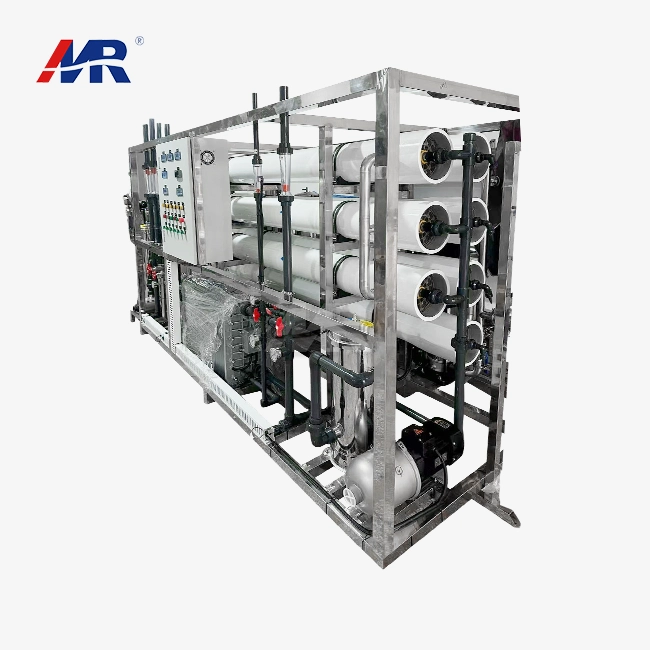 VIEW MOREedi module water treatment
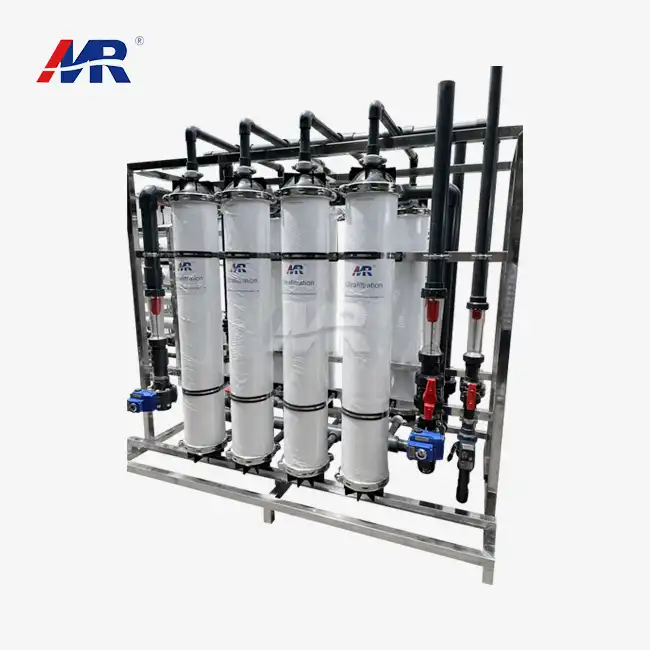 VIEW MORE15T/H ultrafiltration system
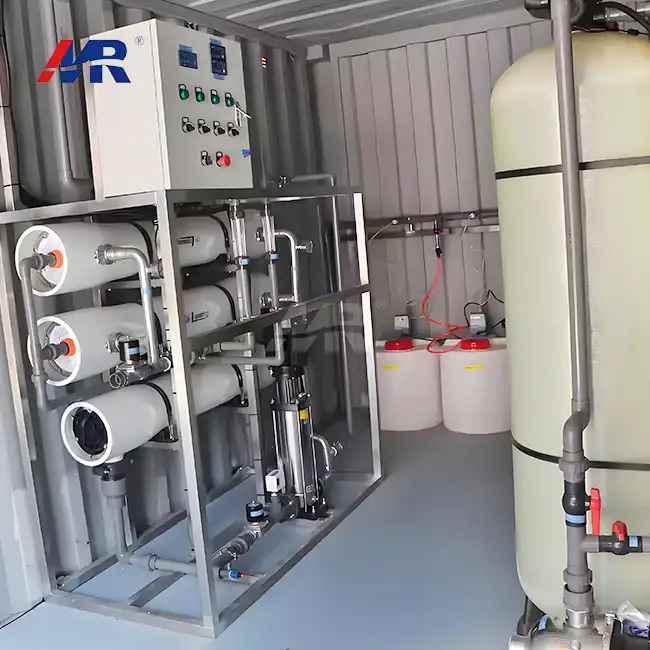 VIEW MOREcontainer 3m3/hour RO equipment
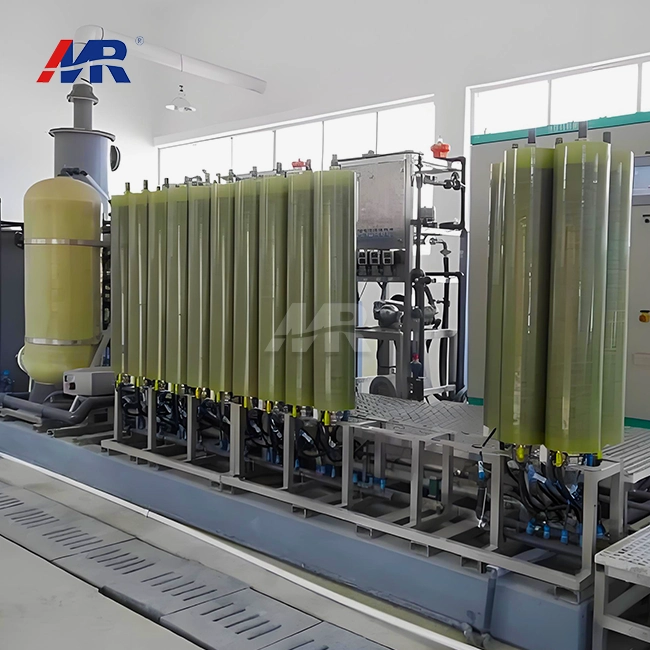 VIEW MOREDTRO Landfill Leachate Treatment
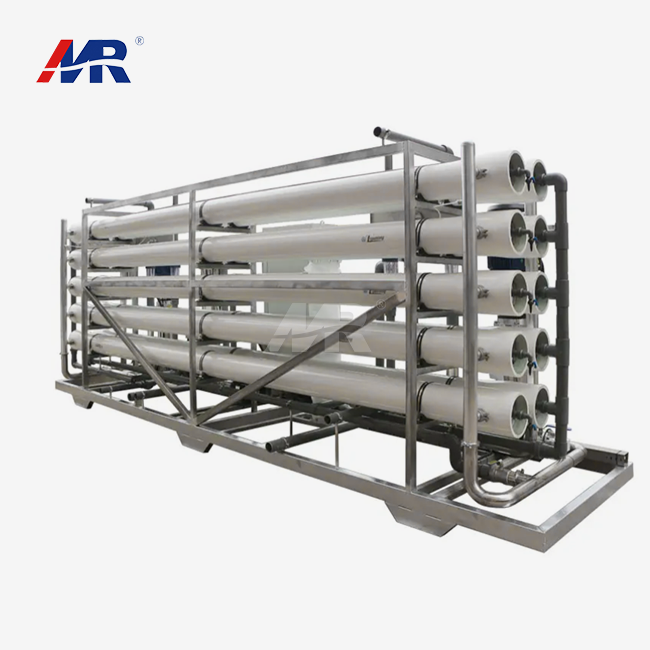 VIEW MOREbrackish water reverse osmosis systems
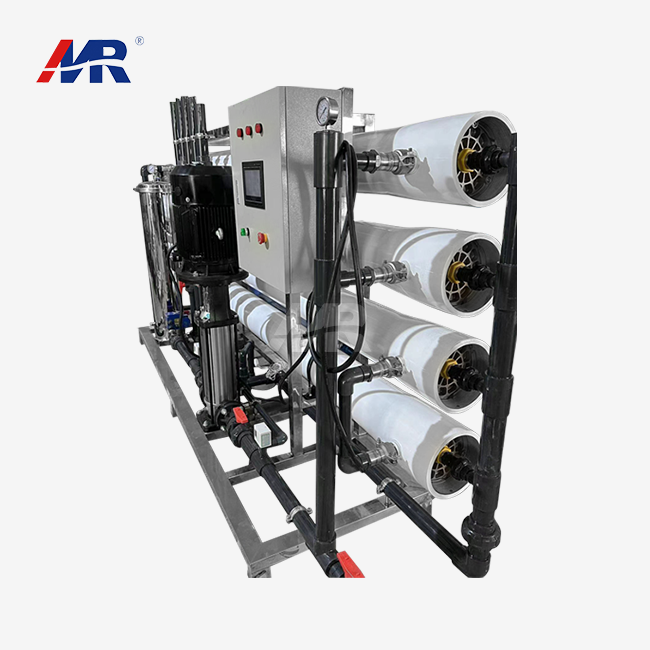 VIEW MOREunder counter reverse osmosis water system
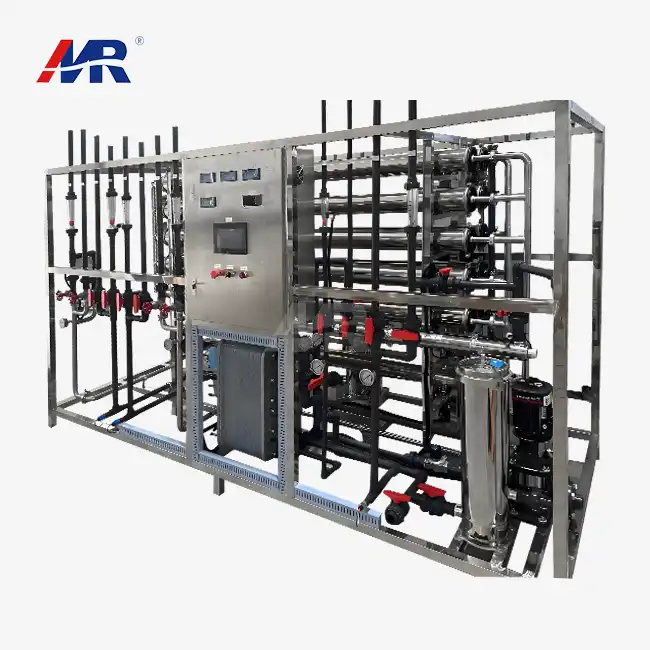 VIEW MORE2000 liters/hour EDI system
 VIEW MORELeachate DTRO Treatment Equipment
