_1745823981883.webp)

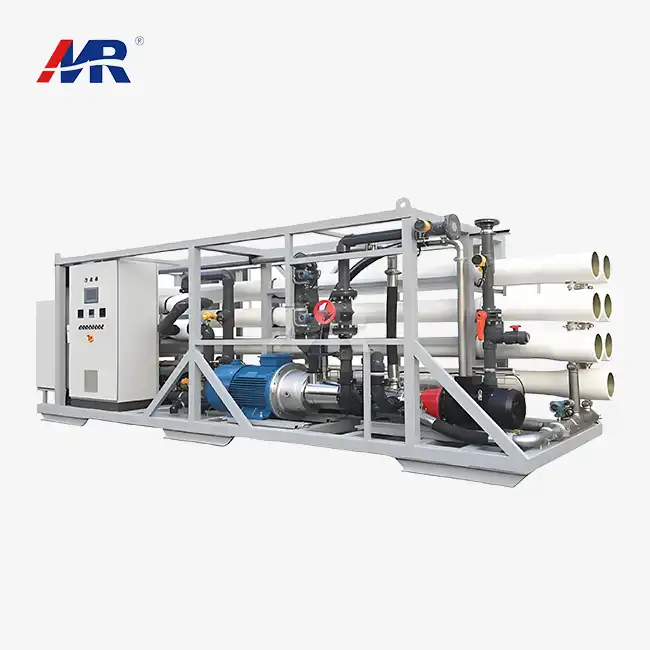
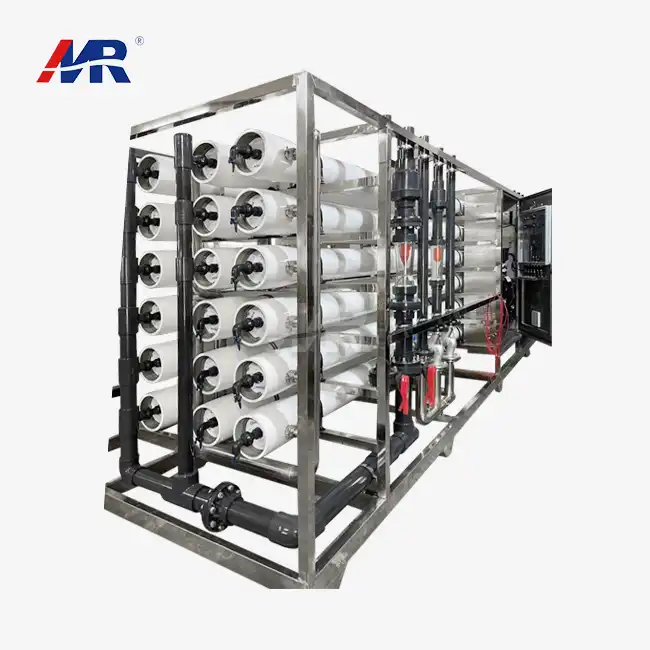
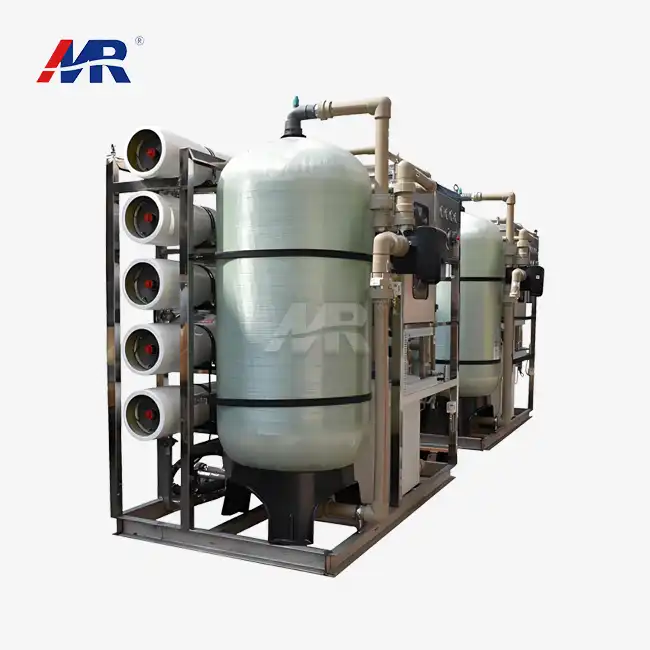
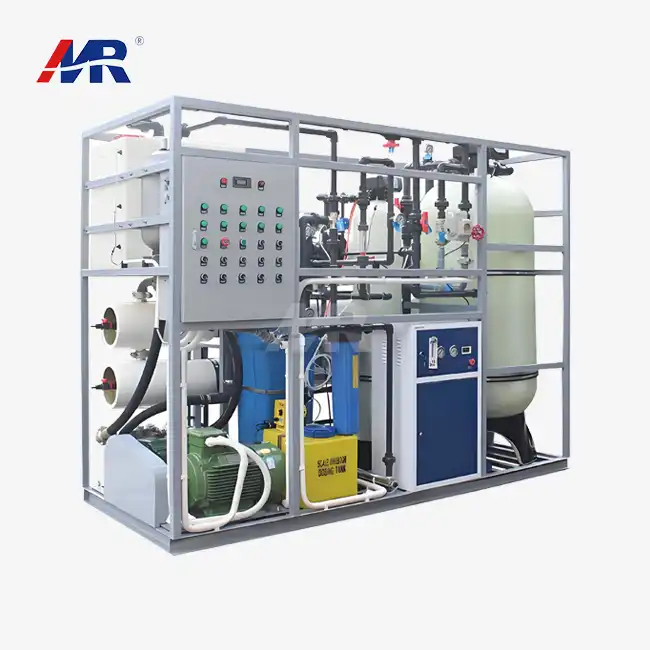
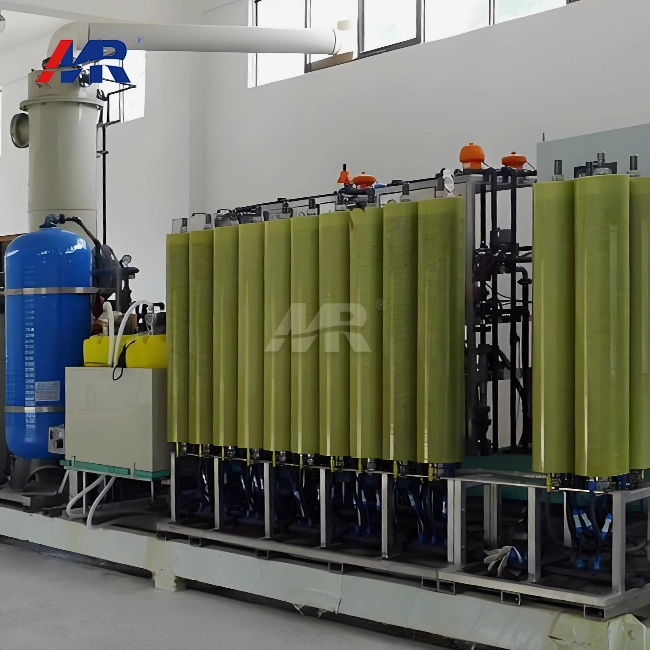
When companies take care of their desalination equipment, they get the most bang for their buck. Regular servicing keeps water quality up, prevents unexpected breakdowns, and makes sure that energy use is reasonable in a range of situations. Modern desalination tools need to be regularly cared for to deal with problems like membrane fouling, scaling, and corrosion that naturally happen when seawater is processed. Facility managers keep their tools in good shape so they don't lose money and always have clean water for making things, helping the community, and working in factories.
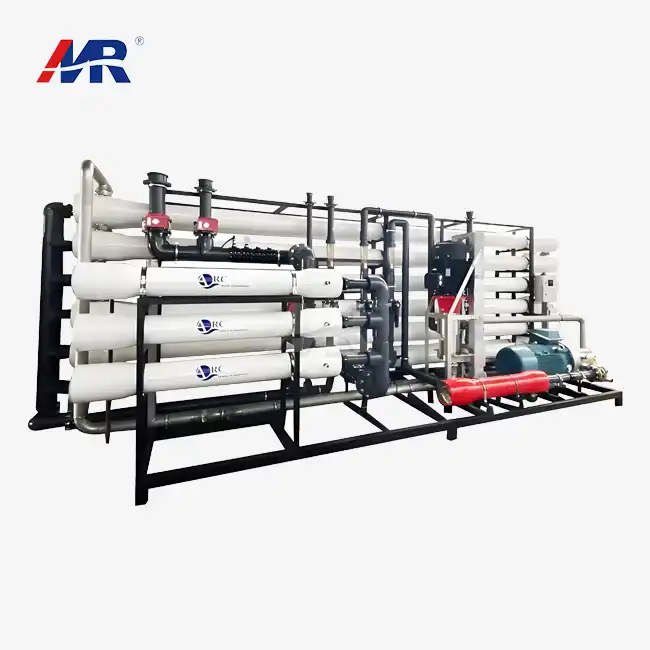
Understanding Common Maintenance Challenges in Seawater Desalination Equipment
Seawater causes problems that have a direct impact on the system's performance and lifespan. Since seawater has a lot of salt and other bad things in it, it needs to be kept in a way that is very different from how freshwater is kept.
Issues with scaling and membranes getting dirty
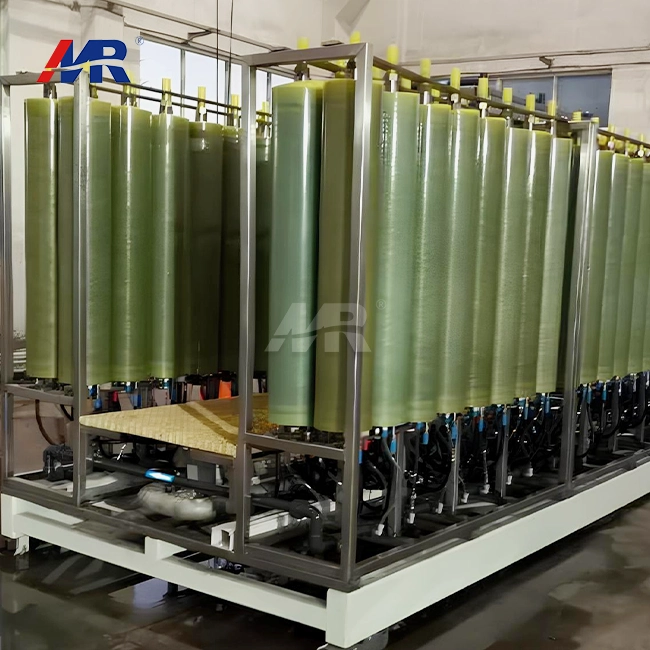
Membrane fouling is the most common problem in reverse osmosis systems. Bacteria and algae build up on membrane surfaces, which can slow down permeate flow and raise the pressure needed to keep the system working. People call this biological fouling. Scaling occurs when minerals that are dissolved, such as calcium carbonate, land on the surfaces of membranes. If these deposits aren't cleaned off right away, they could make the system a lot slower and ruin the expensive membrane parts for good.
Harm caused by being in salt water
If the desalination equipment's metal parts are always in salt water, they will rust more quickly. In particular, valve assemblies, piping connections, and pumps for high pressure are likely to be damaged. Carbon steel surfaces can get uniform corrosion that makes the structure weaker over time if they are not kept safe. Pitting corrosion can also happen on stainless steel parts.
Mechanical Parts in High-Pressure Systems Get Worn Out
Reverse osmosis needs to work at high pressures, which stresses a lot of the machine's parts. In these tough conditions, pressure relief mechanisms, valve seats, and pump seals break down more quickly. Regular checks and timely replacements of parts that wear out keep things from breaking down completely. These mistakes could bring entire production lines to a halt.
Essential Maintenance Practices to Extend Equipment Lifespan
Using thorough maintenance routines keeps equipment in top shape and greatly extends its lifespan. To make sure that the same results are always achieved, these actions should be made a part of the normal way of doing things.
Steps for Cleaning and Replacing Membranes
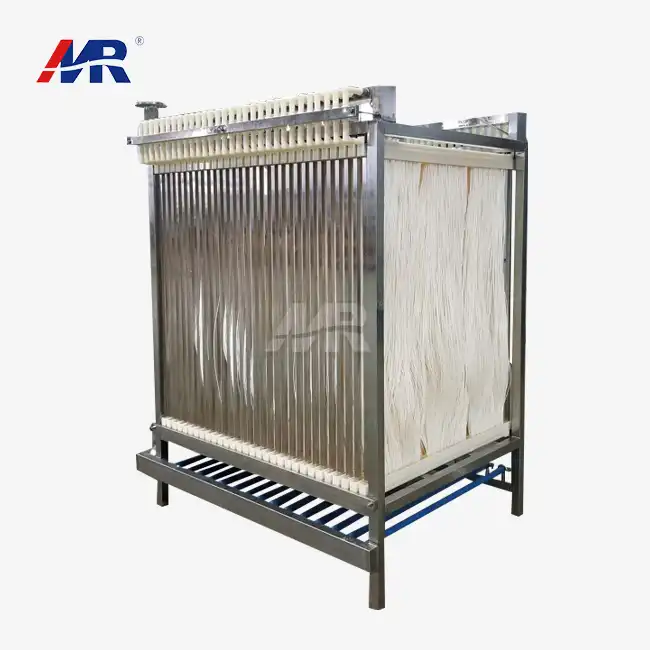
Preventive and corrective approaches are both needed to keep the membrane in good shape in desalination equipment. Using approved cleaning solutions for chemical cleaning gets rid of built-up dirt and makes the membrane permeable again. How often cleaning has to be done depends on the quality of the feed water and how the system is working. Usually, it is done once a month to three months. Cleaning must be done in a way that follows the manufacturer's instructions so that the membrane is not damaged.
Based on performance monitoring data, rather than random timelines, membrane replacement scheduling takes place. Key signs are a drop in permeate flow, a rise in salt passage, and an increase in differential pressure across the membrane parts. Today's systems that can handle between 1,000 and 100,000 m³/day need to carefully track how membrane performance changes over time to figure out the best time to replace them.
Before-Treatment System Care
Before treatment systems keep parts downstream from damage and fouling. Regular maintenance includes changing the filter cartridge, media backwashing, and calibrating the chemical feed system. Multimedia filters need to be replaced every so often, but cartridge filters need to be replaced when differential pressure readings show that it is time to do so, not based on a set schedule.
Taking Care of High-Pressure Pumps
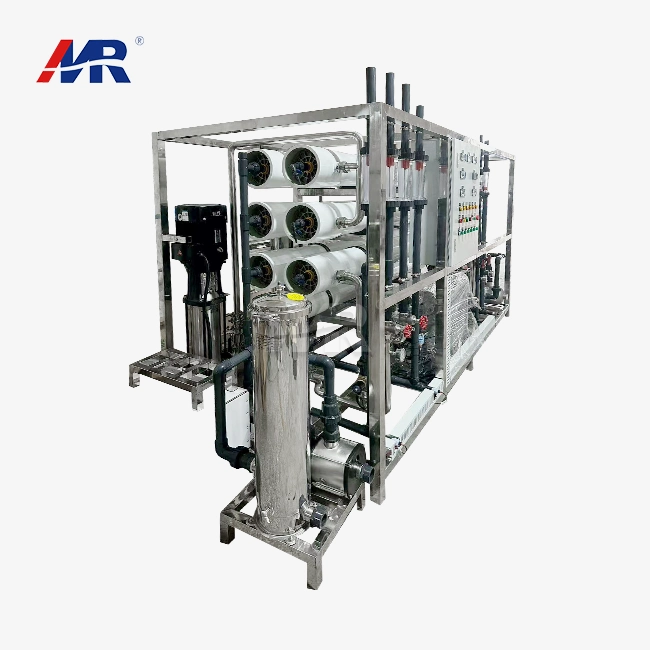
High-pressure pumps work in very harsh conditions and need special care when maintained. Regularly checking seals, changing the oil, and keeping an eye on vibrations are all ways to keep things from breaking unexpectedly. Regularly checking the efficiency of a pump helps catch performance issues before they lead to total failure. As long as the system is working properly, energy consumption monitoring can show problems that are getting worse because the pumps need about 3 kWh/m³.
Energy Efficiency and Environmental Considerations During Maintenance
The way you maintain something changes how much it costs to run and how it affects the environment. Keeping energy use low during maintenance work helps save money and meet sustainability goals.
Making sure energy recovery systems work for you
Devices that get energy back take pressure energy from streams of concentrate and give it to feed water. This cuts down on the total amount of energy that is used by a large amount. To keep these systems working well, they need to be worked on all the time. Cleaning the inside and replacing seals that are worn out makes sure that energy transfer is done right. This keeps the energy-efficient features that make modern systems financially smart.
Following Environmental Rules While Doing Maintenance
When you do maintenance on desalination equipment, you need to remember the rules about chemicals and waste that are meant to protect the environment. It is important to follow your area's environmental rules when neutralising cleaning chemicals and getting rid of used membrane elements the right way. Using biodegradable cleaning agents when you can keeps the cleaning power and lowers the impact on the environment.
Best Practices for Selecting Maintenance Services and Equipment Suppliers
Choosing service providers who know what they're doing makes sure that maintenance meets the manufacturer's specs and the industry's standards. The selection process should look at how technically skilled people are, how quickly they can respond, and whether they can offer long-term support.
Checking to See if Service Providers Are Qualified
Qualified service providers show that they have worked on projects like this before and have the right Certifications to keep desalination systems running. When service technicians get technical training certificates from equipment companies, they are sure to learn all about the needs of different systems. Response time promises are very important for fields where every hour of downtime costs thousands of dollars.
Taking Care of Spare Parts and Making Sure They're Available
Proper spare parts management prevents maintenance from taking a long time. Parts of the control system, pump seals, and membrane elements are very important. They should have just the right amount of stock on hand based on how often they are used and how long it takes to get more. You can more easily avoid the high costs of emergency buying and keep production on schedule when you work with suppliers who have inventory close by.
Advanced Monitoring and Automation for Predictive Maintenance
Today's desalination systems have advanced monitoring features that make predictive maintenance possible. These technologies help keep schedules for maintenance in the best possible way and stop unexpected failures from happening.
Digital Systems for Monitoring
Control systems with remote monitoring features help make predictive maintenance decisions by giving performance data in real time. Permeate flow, pressure differentials, and energy use are some of the key performance indicators that these systems keep track of. Trend analysis helps find problems that are getting worse before they affect production.
Automated data logging makes records of maintenance history for desalination equipment that help with optimisation. Looking at performance over time shows us patterns that help us improve maintenance schedules and ways of doing things. With remote monitoring, expert technicians can check how well the system is working and suggest maintenance actions without having to visit the site.
How to Work with Maintenance Management Systems
Computerised maintenance management systems combine information about equipment monitoring with planning for maintenance and managing inventories. This integration optimally schedules maintenance based on the condition of the equipment instead of random schedules. Making work orders, ordering parts, and keeping records of maintenance all become automated processes that make things more efficient and lower the cost of running the business.
Conclusion
To take good care of Seawater Desalination Equipment, you need to know about the specific problems each system has and use maintenance methods that are known to work. Taking care of membranes regularly, fixing mechanical issues, all parts, and thinking about the environment all make sure that the system runs smoothly and uses as little energy as possible. Advanced monitoring makes predictive maintenance possible. This approach saves money and stops unexpected failures from happening. Working with service providers who know what they're doing and keeping the right spare parts on hand will help your business stay successful in the long run. These maintenance protects the money that was spent on tools and makes sure that important industrial and city uses always have access to clean water.
FAQ
Q1: How often should reverse osmosis membranes be cleaned with chemicals?
The membrane is cleaned more or less often depending on system performance and feed water cleanliness. Cleanings every three to six months are best for most systems, but some need monthly cleanings. Performance monitoring data, like pressure and permeate flow, should determine cleaning schedules.
Q2: What are some immediate maintenance signs?
A: High membrane pressure, slow permeate flow rates, easy salt penetration, and strange pump sounds or vibrations are bad signs. It also requires more energy. Sudden changes in these parameters must be investigated immediately to protect the equipment.
Q3: Can you do things normally while the system runs?
A: Pre-treatment filter changes and routine checks can be done with the system on. While the system is off, membranes must be cleaned, the high-pressure pump repaired, and large parts replaced. Modular system designs allow maintenance without reducing production.
Partner with Morui for Comprehensive Desalination Equipment Solutions
For industrial use, Guangdong Morui Environmental Technology provides high-tech reverse osmosis desalination tools with full support for routine maintenance. Our systems have modular designs and can handle anywhere from 1,000 to 100,000 m³/day. They use as little as 3 kWh/m³ of energy, run fully automated, and can be monitored from afar. We are an experienced company that makes desalination equipment, and we support our projects fully. With over 500 employees, including 20 engineers, we handle installation, commissioning, training operators, and ongoing maintenance. Our ISO-certified manufacturing processes make sure that things work right, and our global support network gives you quick technical help. To talk about your exact needs and see how our knowledge can help your water treatment business, please email us at benson@guangdongmorui.com. To get more information about our full desalination solutions, go to moruiwater.com.
References
1. American Water Works Association. "Desalination Plant Operation and Maintenance Guidelines." AWWA Manual M61, Fourth Edition, 2018.
2. International Desalination Association. "Membrane Cleaning and Maintenance Best Practices for Seawater Reverse Osmosis Systems." IDA Technical Report TR-2019-03, 2019.
3. Dow Chemical Company. "Preventive Maintenance Guidelines for Industrial Reverse Osmosis Systems." Technical Manual, Revised 2020.
4. National Association of Corrosion Engineers. "Corrosion Control in Seawater Desalination Plants." NACE Standard SP0169-2020.
5. Water Environment Federation. "Energy Efficiency in Desalination: Best Practices and Performance Metrics." WEF Technical Practice Committee Report, 2021.
6. International Water Association. "Operational Guidelines for Seawater and Brackish Water Treatment Plants." IWA Technical Guidelines Series, Third Edition, 2022.