_1745823981883.webp)

Brackish water reverse osmosis systems help businesses treat water more sustainably and protect the environment. These advanced membrane filtration methods make water clean and safe to drink when it has between 1,000 and 10,000 ppm of total dissolved solids. This makes water that couldn't be used before fit for many different kinds of jobs. By using somewhat salty water, companies can do a good job while also following strict environmental rules and greatly reducing their need for fresh water, which is costly.
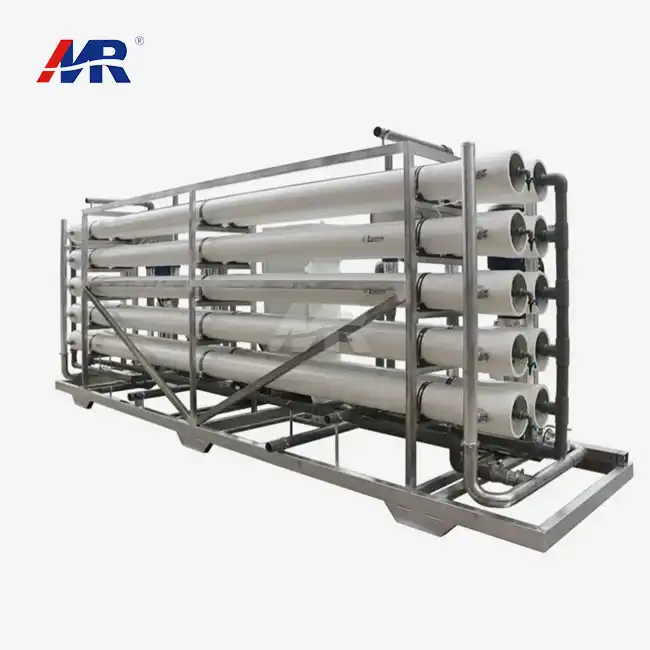
Understanding Brackish Water Reverse Osmosis Systems
Everywhere you go, you can find brackish water. It is unfit for drinking or industrial use because its salt level is between that of freshwater and seawater. There are issues with this water source, but there are also many chances to manage the water well in the long term. Reverse osmosis technology's advanced membrane filtration methods are designed to handle these problems by taking into account the unique characteristics of water that is a little salty.
Key Tech and Treatment Methods
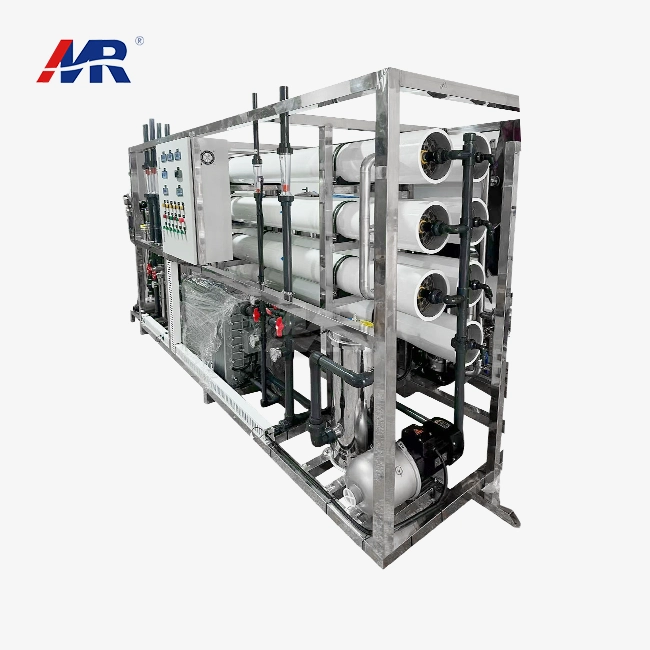
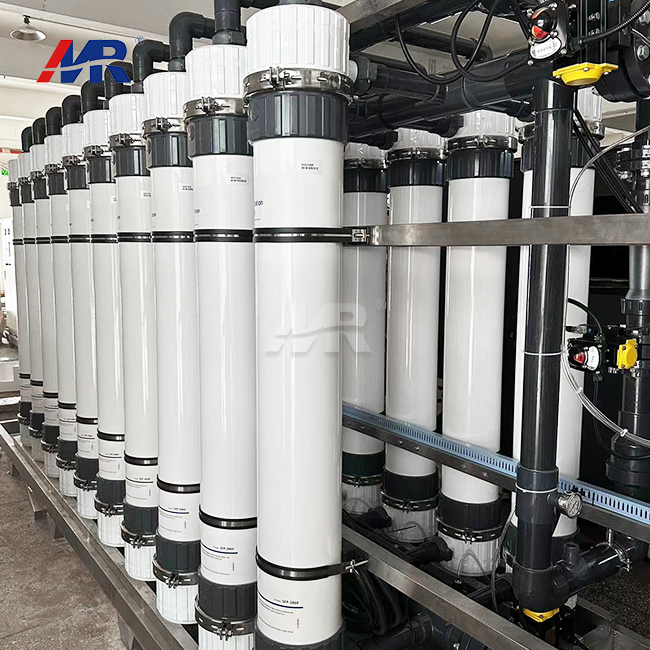
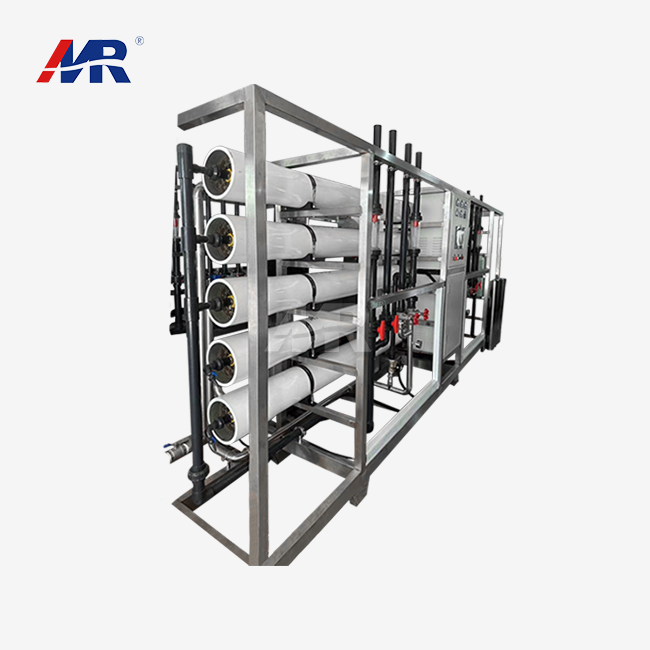
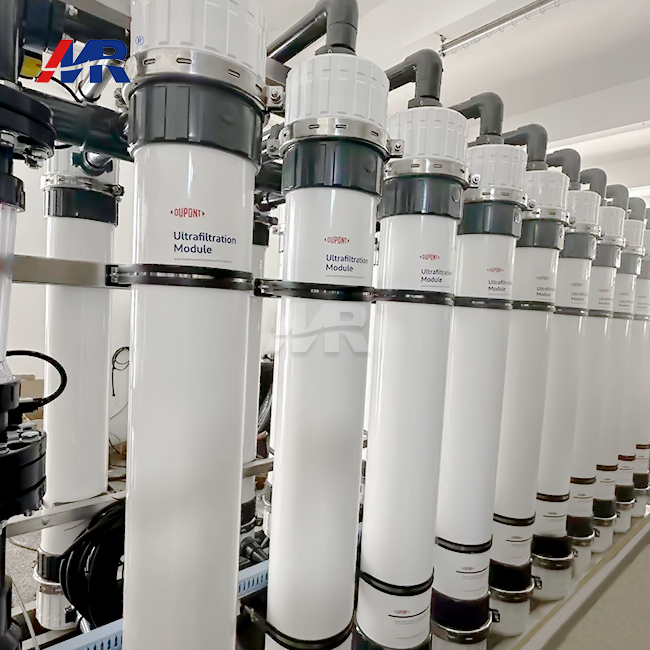
Modern systems for treating brackish water use thin-film composite membranes that have high-rejection and low-fouling properties. These membranes quickly get rid of dissolved salts, minerals, and other harmful substances. The treatment process has five important steps: intake and pre-treatment, high-pressure pumping, membrane filtration, post-treatment and remineralisation, and, lastly, storage and distribution. This method, which takes into account every aspect, keeps the water quality high and improves the overall performance of the system.
Using PLC-based control systems for advanced automation that can be watched from afar makes it possible to exactly control operations and boost performance in real time. These reverse osmosis systems can deal with anywhere from 100 m³/day to 10,000 m³/day of water. This means they can be used to make food and drinks, mine, cool power plants, work on irrigation and industrial water, and give cities water.
Good Things About Membrane Technology
It's a good thing that the membrane technology used in these systems works so well for the environment. Up to 85% of high water recovery rates cut down on waste, and designs that use less energy make carbon footprints smaller. When you use modular construction, you can easily add to or scale up the system later on without having to replace the whole thing. This uses fewer resources and makes manufacturing less necessary.
Environmental Advantages of Brackish Water RO Systems
The good effects on the environment of brackish water treatment go beyond just cleaning the water. These systems make a lot of good environmental changes that help both the economy and the long-term health of the planet.
Resource Protection and Freshwater Conservation
By using brackish water, industries can save fresh water that is becoming harder to find in a lot of places. This method works especially well in dry places where the need for freshwater is greater than the rate at which nature can refill it. The ability to turn water that couldn't be used before into high-quality process water takes the pressure off of natural aquifers and municipal water supplies.
Using brackish water for conservation helps protect watersheds and keep the balance in nature in areas that are sensitive to changes. This conservation impact becomes even more important when you think about the overall effect on several industrial plants and city-owned installations.
Lowered Environmental and Chemical Pollution Effects
Modern reverse osmosis systems use fewer chemicals than traditional methods that rely on chemical pretreatments. This is better for the environment. The lower chemical discharge protects the soil and water bodies in the area and makes water treatment more environmentally friendly.
Removing salts, heavy metals, and organic compounds from water efficiently makes it safer to discharge or reuse on-site. This supports circular water management models that minimise waste. This method is in line with the ideas behind sustainable manufacturing. It also helps businesses follow environmental rules that are getting stricter all the time.
Key Environmental Performance Metrics and System Efficiency
Brackish water treatment systems have an impact on the environment. To understand this impact fully, one must look at detailed measurements that show both how the system works and how it affects the environment. These numbers will help procurement professionals who want to go green.
Making Water Use and Recovery Rate More Efficient
The recovery rate shows how much feedwater is cleaned and turned into permeate. It has a direct effect on the efficiency of water and energy use. These days, systems lose about 20% to 25% of their data, but this can be fixed with careful planning and routine maintenance. When recovery rates are higher, it takes more resources and less waste.
This method uses less energy than other thermal desalination methods. These systems use between 2.5 and 3.5 kWh/m³ of energy. This lowered energy demand keeps water quality high, lowers carbon emissions, and reduces the overall impact on the environment.
Longer-lasting membranes and less waste
The lifespan of a membrane determines the lifespan of a reverse osmosis system. This is because it means that things don't have to be replaced as often, which also cuts down on waste. If you clean modern thin-film composite membranes often and use them correctly, they will last a long time. This is more eco-friendly than tossing them out or creating new ones.
In both membrane design and system engineering, which are two areas of technology, the work keeps getting better for the environment. Over time, with the help of energy-saving pumps, better pre-treatment methods, and smart monitoring systems, the system gets cheaper to run and better for the environment.
Comparing Brackish Water RO Systems with Other Water Treatment Solutions
When choosing an option for treating water in an industry, knowing how the different technologies affect the environment and the process makes it possible to make a smart choice that meets both performance and environmental goals.
Comparison of Performance with Standard Techniques
Brackish water membrane systems are better for the environment than traditional methods of filtration and water softening. Traditional methods use a lot of chemicals and create a lot of waste. Membrane filtration, on the other hand, gets rid of almost all contaminants with very few chemicals and less impact on the environment.
The treatment of brackish water uses a lot less energy and produces less brine waste than compared to desalination of seawater. Because reverse osmosis systems are more efficient, brackish water systems are especially useful for applications where the quality of the source water makes it possible to use them. They are a cheap and environmentally friendly choice.
Benefits of Modular Design and Scalability
The modular construction approach used in modern brackish water systems is better for the environment because resources are used more efficiently and waste is minimised. Compact footprint designs are perfect for installations with limited space. They also let you add more capacity to the system in the future without having to replace the whole thing.
This scalability lowers the long-term impact on the environment by extending the system's useful life and making it possible for operational needs to change through small additions instead of complete replacements. Modular designs allow for flexibility, which helps long-term growth and prevents wasting money.
Procurement Considerations: Selecting Environmentally Responsible Brackish Water RO Systems
Buying eco-friendly water treatment systems strategically means looking at a lot of different factors, not just the price. You should also consider the system's total environmental impact over its lifetime and how long it can be used without needing repairs.
Green and Energy-Efficient Certifications
Green building rules and energy efficiency Certifications are useful ways to prove that environmental performance claims are true. These credentials let procurement teams choose which Products to buy based on proof of how well they work instead of just believing what the companies say. When systems are known to be efficient, they usually have less operational carbon and lower long-term costs.
Lifecycle assessment looks at the manufacturing, installation, operation, and end-of-life disposal phases. A full study of these factors makes sure that the good effects on the environment last through the whole system lifecycle instead of just focusing on how it works during the operational phase.
Partnering with suppliers and offering technical help
Choosing suppliers that are truly dedicated to sustainability and can offer a lot of Technical support builds successful long-term partnerships that are better for the environment. Suppliers with a history of successful installations who offer strong pre-treatment options and thorough maintenance services add value that extends reverse osmosis system life and improves overall performance.
Individualised answers based on the needs of each industry will ensure the best performance while also cutting down on waste and inefficiency. Professional installation and commissioning services, along with ongoing technical support, help the system maintain top environmental performance during its entire operational life.
Conclusion
Brackish water reverse osmosis systems provide excellent water treatment performance and great environmental benefits that support today's goals for long-term sustainability. These systems protect fresh water, use less energy than other technologies, rely on fewer chemicals, make less waste, and support circular water management approaches. These systems are great for industries that want to be more eco-friendly because the use of advanced membrane technology, an energy-saving design, and modular scalability makes them more appealing. Choosing, installing, and maintaining the right system get the most environmental benefits. This also makes sure that it works well for the long term and helps meet both operational goals and environmental protection.
Frequently Asked Questions
Q1:What are the most environmentally friendly effects of using brackish water treatment instead of freshwater?
A: Treating brackish water makes previously unusable water sources usable, and it protects fresh water that people and ecosystems need. This approach protects the water supply for businesses and reduces the need for natural aquifers and city water supplies. This is useful in places where water is hard to come by.
Q2: How do membrane replacement schedules impact the environment's long-term health?
A: Today's membranes with high rejection usually last three to five years if they are well cared for. This means they can be used for a longer time before they need to be replaced, which is better for the planet. They will last longer if you clean them often and make sure the membranes are in good shape. This is environmentally friendly because it means making and throwing away fewer membranes.
Q3: What is the energy use of RO systems that work with brackish water?
A: It takes between 2.5 and 3.5 kWh/m³ of energy, which is a lot less than other methods of thermal desalination. For a number of industrial uses, this demand for less energy is better for the environment, lowers carbon emissions, and keeps the water clean.
Partner with Morui for Sustainable Water Treatment Solutions
Using our advanced brackish water reverse osmosis system solutions, Guangdong Morui Environmental Technology Co., Ltd. is ready to help your company reach its sustainability targets. We offer full water treatment expertise because we have over 500 employees, 20 specialised engineers, 14 branches around the world, and equipment manufacturing capabilities that support their work and make membranes. Our systems that use little energy are great for the environment and meet even the most difficult needs of the industrial sector. Are you ready to see how our environmentally friendly water treatment technology can help your business? If you want to talk about your exact needs with our technical team and find out why top businesses pick Morui as their go-to Reverse Osmosis System supplier, email us at benson@guangdongmorui.com.
References
1. Al-Karaghouli, A., & Kazmerski, L. L. (2013). Energy consumption and water production cost of conventional and renewable-energy-powered desalination processes. Renewable and Sustainable Energy Reviews, 24, 343-356.
2. Greenlee, L. F., Lawler, D. F., Freeman, B. D., Marrot, B., & Moulin, P. (2009). Reverse osmosis desalination: water sources, technology, and today's challenges. Water Research, 43(9), 2317-2348.
3. Miller, J. E. (2003). Review of water resources and desalination technologies. Sandia National Laboratories Report SAND-2003-0800.
4. Shahabi, M. P., McHugh, A., Anda, M., & Ho, G. (2014). Environmental life cycle assessment of seawater reverse osmosis desalination plant powered by renewable energy. Renewable Energy, 67, 53-58.
5. Voutchkov, N. (2018). Energy use for membrane seawater desalination–current status and trends. Desalination, 431, 2-14.
6. World Health Organization. (2017). Safely managed drinking water: thematic report on drinking water 2017. World Health Organization Press, Geneva, Switzerland.