_1745823981883.webp)

Cost Comparison of RO Systems: Home vs Commercial Solutions
To make an informed decision when looking at water treatment options, it's important to know how much household and business RO systems cost. Home RO systems cost around $200 to $2,000 on average. On the other hand, business RO systems can cost as much as $100,000 or more, based on their capacity and what they are used for. The price difference is due to the fact that each system type has different design complexity, production capacity, and operating needs.
Understanding RO System Types and Components
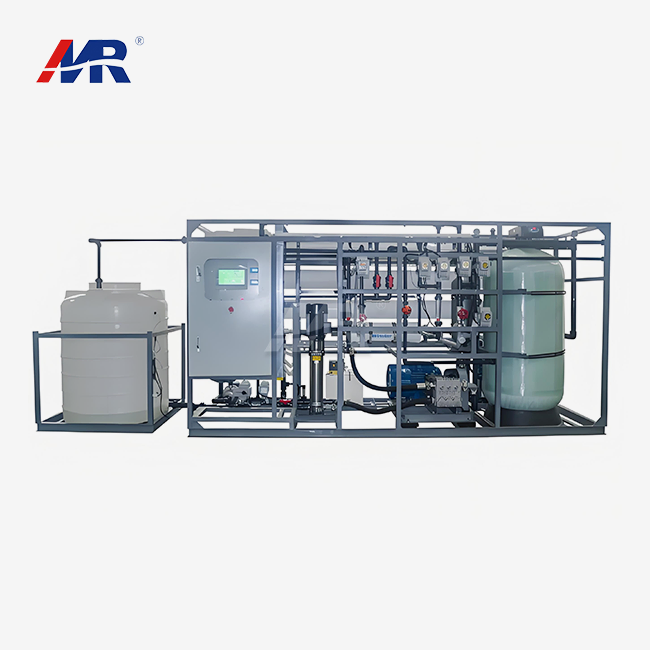
Home and industrial reverse osmosis systems are built in very different ways, which shows big differences in how they are designed and what they can do. Home systems are usually small enough to fit under kitchen sinks or in utility rooms so that they don't take up too much space and are easy for people to use. These homes have standard filtering parts like sediment pre-filters, activated carbon filters, semi-permeable membranes, and post-treatment stages that are made to handle the 50–100 gallons of water that a family uses every day.
Home RO System Design Features
Residential water cleaning systems focus on being simple and easy to maintain. Most house units have three to five stages of filtering, and each membrane can handle between 50 and 100 gallons of water per day. Standard-sized membrane elements with 10-inch or 12-inch housings are used in these systems, which work at low pressures of 40 to 60 PSI. The small size makes it possible to place in tight spaces while still providing enough speed for family use.
Commercial System Architecture and Capabilities
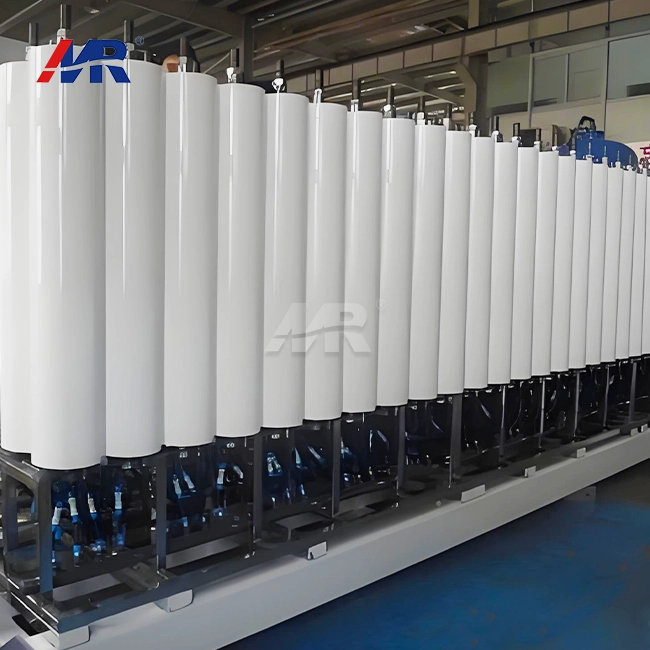
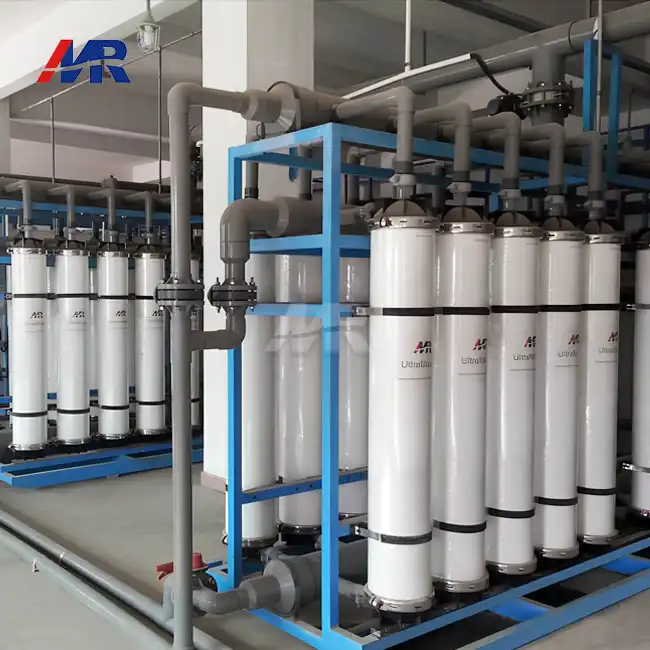
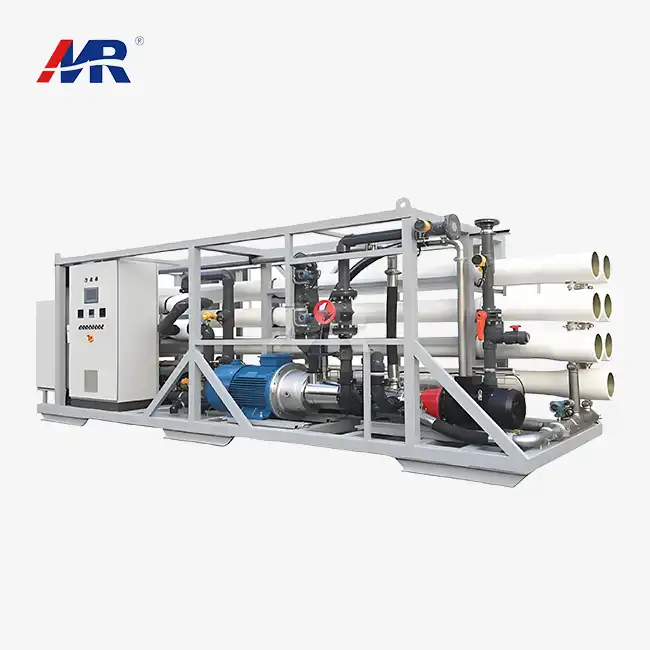
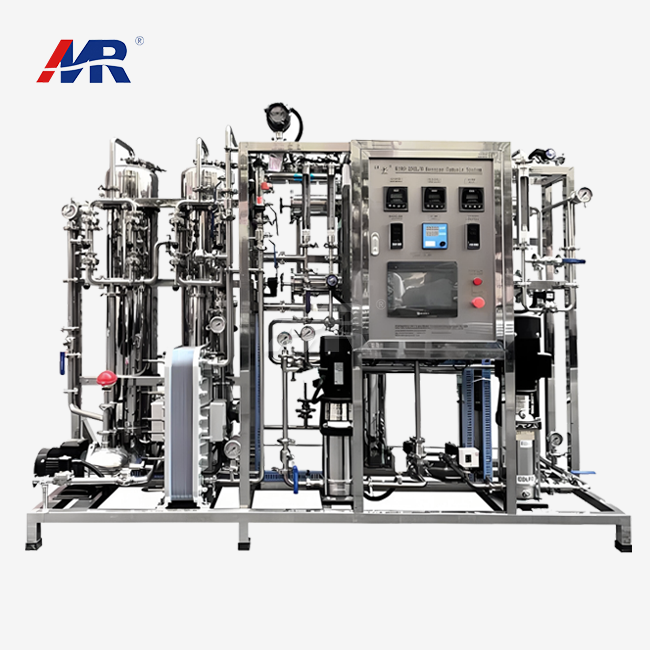
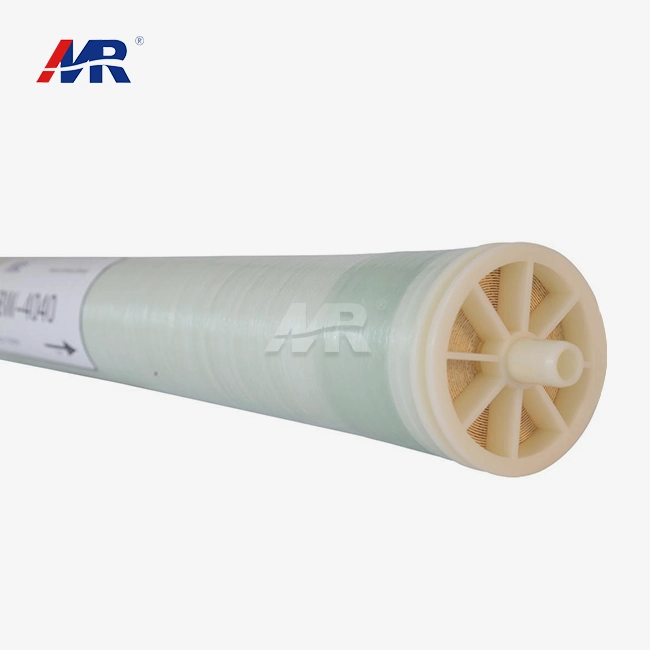
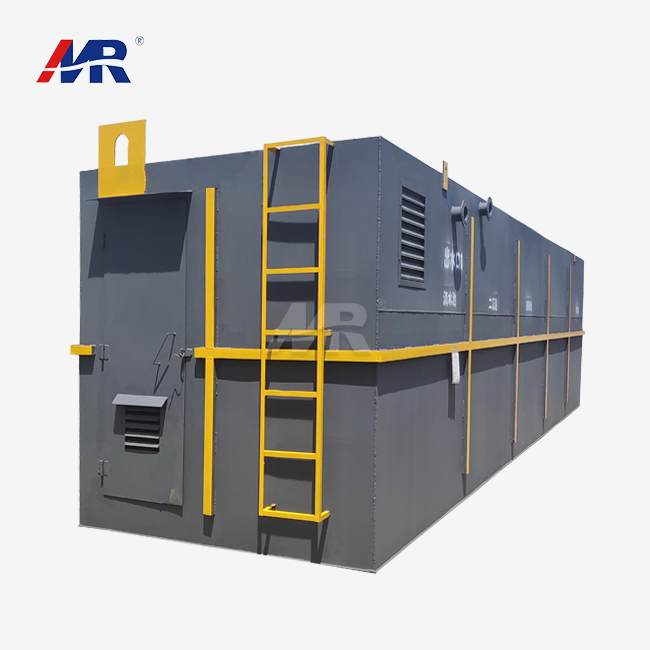
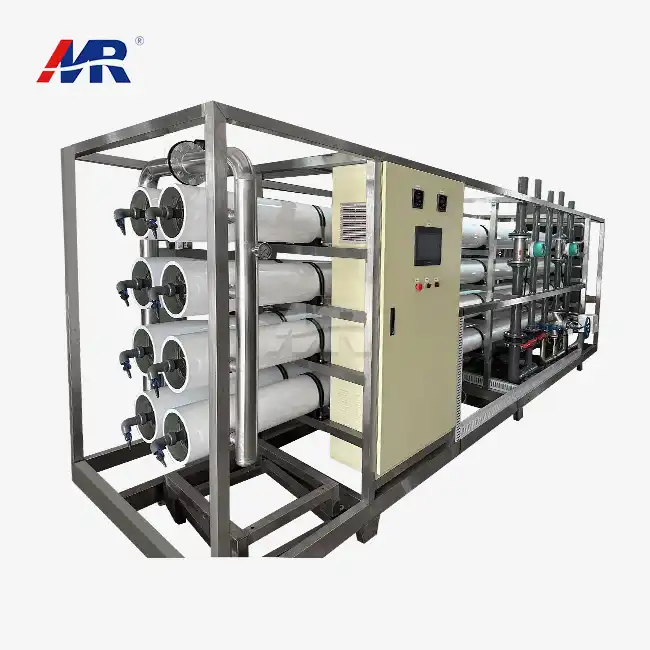
To meet the needs of higher volume demands and ongoing operation, commercial and industrial RO systems use very different engineering methods. These systems use bigger membrane vessels, usually pressure vessels with a width of 4 or 8 inches that hold several membrane elements in series. Containerised systems that combine pre-treatment, reverse osmosis, and post-treatment processes inside normal shipping containers may be used in industrial settings. These systems can be set up quickly and can be expanded as needed.
A lot of the time, commercial systems have high-tech pre-treatment parts like chemical dosing systems, advanced tracking tools, and multimedia filtration systems. Thin-film hybrid materials that are better at resisting fouling and last longer are often used in membrane technology used in industrial settings. These systems can make thousands of gallons of water every day while keeping the water quality at a level that meets the needs of industry, medicine, or food processing.
Maintenance and Operational Differences
The difference in upkeep needs between home and business systems is due to how hard they are used and how complicated their designs are. In most Cases, pre- and post-filters in home systems need to be replaced every 6 to 12 months, and membranes need to be replaced every 2 to 3 years, assuming normal use. Sanitisation processes done once a year help keep systems running at their best and extend their useful life, which usually lasts between 10 and 15 years with regular upkeep.
Because commercial systems are used all the time and need to handle more data, they need stricter care rules. Automated cleaning-in-place (CIP), real-time tracking devices, and predictive maintenance features are common in these kinds of systems. The care plan includes regular checks of the membrane, rounds of chemical cleaning, and replacement of parts based on normalisation of performance data. Professional service teams usually take care of business system repair to make sure that it meets industry standards and works well.
Cost Breakdown of Home vs Commercial RO Systems
The amount of money needed to spend on a reverse osmosis RO system depends on the size of the system, the needs of the application, and the complexity of the operations. When procurement workers understand these cost models, they can make choices that are in line with their budgets and meet performance standards.
Initial Investment Analysis
The initial costs of home RO systems are usually pretty low, varying from $200 for simple under-sink types to $2,000 for high-end whole-house systems with lots of extra features. These systems come with standard parts, simple installation tools, and one to three-year warranties from the maker. The lower starting price is due to simpler designs, more efficient mass production, and standardising the requirements for each part.
The amount of money needed to spend in a commercial system is much higher. Small office applications can cost $5,000, while industrial setups can cost $100,000 or more. The high prices are due to complex engineering, specific design needs, and strong parts that can withstand tough working circumstances. Often, industrial systems come with full packages that include pre-treatment equipment, control systems, installation services, and longer guarantee periods.
Installation and Setup Expenses
Home systems usually cost between $100 and $500 to install, but this depends on how complicated the wiring is and how much work costs in your area. A lot of people choose to fix their own things by following the manufacturer's directions and using simple tools. A professional installation makes sure that the system works well together and that the guarantee is followed while also reducing the chance of problems.
Commercial installation costs change a lot depending on how complicated the system is, how much work needs to be done to prepare the spot, and how well it fits in with the current infrastructure. It can cost anywhere from $2,000 to $20,000 or more to have a professional fix something. For these kinds of setups, you usually need workers who know a lot about industrial water treatment systems, wiring, and meeting government standards.
Ongoing Operational Costs
Some of the costs that come with running a home system are replacing filters and membranes and using energy. The annual running costs are usually between $100 and $300, and replacing the filters is the biggest cost. Because it works with low pressure and is only used sometimes, it doesn't use much energy.
The costs of running a commercial system include replacing filters and membranes, using energy, adding chemicals, and hiring professionals to do regular upkeep. Operating costs can be anywhere from $1,000 to $10,000 or more a year, based on the size of the system and how much it is used. Because of high-pressure pumps and the need to run all the time, energy costs become important in business activities.
Performance and Value: Evaluating Cost Against Benefits
The connection between RO systems' price and how well they work shows important things to think about when buying them at different sizes for different uses. Knowing these success metrics can help you make smart financial decisions and get the most out of your money in the long run.
Purification Efficiency and Water Quality
The water that home RO systems make usually has total dissolved solids (TDS) levels below 50 parts per million and removes 95–99% of contaminants. This performance does a good job of taking care of household water quality issues like smell, taste, and typical contaminants. The cleaning ability meets standards for drinking water while keeping production rates low enough for home use.
Commercial systems are better at cleaning because they can get rid of most contaminants with an efficiency of over 99%. Advanced systems with double-pass setups can produce ultra-pure water with TDS levels below 1 ppm, which meets strict needs for use in laboratories, electronics, and pharmaceuticals. Costs are higher because of better performance that meets industry standards and process quality requirements.
Return on Investment Analysis
When compared to the cost of bottled water, home RO systems usually pay for themselves in one to three years. The economic gain goes beyond lower costs; it also includes ease of use, less damage to the environment, and a better water quality guarantee. Long-term ownership costs stay low compared to other water sources, and quality and quantity are always the same.
Commercial RO systems show their worth by making operations more efficient, improving product quality, and following all the rules. When factories use filtered water, the quality of their Products often goes up, they need less upkeep, and the processes are more reliable. To get a true picture of the system's value, the return on investment estimate needs to take these indirect benefits into account, along with the direct cost savings.
Total Cost of Ownership Considerations
The initial investment, installation, running costs, maintenance costs, and end-of-life issues are all part of the total cost of ownership study. Home systems usually have lower total costs, but because they aren't used as much, they may have higher per-gallon costs. The longer replacement cycles and easier upkeep needs help make up for the higher unit costs.
Commercial RO systems can lower their cost per gallon of production by using their resources more efficiently and increasing the number of times they are used. The total cost of ownership study should look at things like increased production, better quality, and lower risk that add to the value of the business as a whole, in addition to the direct costs of water treatment.
Procurement Considerations for B2B Buyers
When procurement professionals look at RO systems, they need to think about more than just the original buy price to make sure they choose the best system and are happy with it for a long time. These things to think about include technical needs, evaluating suppliers, and making the best use of the buying plan.
Capacity Planning and System Sizing
To make accurate capacity plans, you need to look closely at how people use water, when demand is highest, and how much the population is expected to grow in the future. When commercial apps figure out how much space they need, they have to think about process needs, cleaning rounds, and backup needs in case of an emergency. Systems that are too small can make operations harder and cause quality problems, while systems that are too big add extra costs for capital and running the business.
As part of planning for capacity, water quality should be looked at, usage patterns should be analysed, and application experts should be consulted. Professional advice can help you figure out the best way to set up your system so that it meets your performance needs, stays within your budget, and has enough room for future growth.
Supplier Evaluation and Selection Criteria
When evaluating a supplier, you should look at their technical knowledge, the quality of their products, their customer service, and how stable their finances are. Suppliers with a good reputation show qualifications in the field, quality control systems, and a history of success in similar projects. Long-term happiness and system performance are greatly affected by Technical support skills, such as design help, installation advice, and troubleshooting knowledge.
Response speeds, parts availability, technical know-how, and customer happiness records are all examples of service quality standards. Suppliers with large service networks and local support can help keep downtime to a minimum and make sure problems are fixed quickly. Stability in the company's finances and longevity give customers peace of mind about long-term parts supply and guarantee support.
Bulk Purchasing and Procurement Advantages
When you buy in bulk, you can save a lot of money on big projects or setups that are spread out over several sites. Volume deals, longer guarantee terms, and preferred service agreements all lower the cost per unit and reward customers who buy more. Standardisation in many places makes it easier to do things like training, upkeep, and managing supplies.
When buying things, think about grouping purchases together, making all-inclusive service agreements, and building relationships with chosen suppliers. These methods usually come with extra benefits, like faster expert help, the ability to make changes, and better terms for future upgrades or extensions.
Guangdong Morui Environmental Technology: Your Trusted Water Treatment Partner
Guangdong Morui Environmental Technology Co., Ltd. is a full-service company that specialises in using advanced water treatment methods, including the RO system, in a wide range of commercial settings. We have a lot of experience treating industrial wastewater, processing household sewage, desalinating seawater, and making drinking water. We also offer full equipment supply, installation, and testing services.
Comprehensive Manufacturing and Service Capabilities
Our company has more than 14 branches, and its 500 committed workers include 20 specialised engineers who bring a lot of scientific knowledge to every job. The company runs its own factories to make membranes and a number of factories that process equipment. This allows for quality control and a range of manufacturing options. This unified method lets you make changes and quickly meet the specific needs of each programme.
As part of our strategic relationships, we are authorised to sell products from well-known names in the industry, such as Shimge Water Pumps, Runxin Valves, and Createc Instruments. These partnerships help us offer more products while still upholding quality standards and giving complete answers to tough water treatment problems.
Tailored Solutions for Diverse Industries
The company has experience in many fields, such as manufacturing, handling food and drinks, pharmaceutical and biotechnology uses; making electronics and semiconductors, and providing services to the public. We have worked on a wide range of unique projects, including GMP-compliant water systems for making medicines, ultrapure water tools for working with semiconductors, and large-scale saltwater desalination projects for towns along the coast.
Our RO systems that come in containers are great for businesses that need options that are movable, scalable, or quick to set up. These systems combine pre-treatment, membrane processing, and post-treatment in standard containers, which makes them easy to set up and gives operators a lot of options. The modular design allows for capacity growth and moving needs while keeping operations running smoothly.
Conclusion
The price difference between RO systems for homes and businesses shows big differences in how they are designed, how they work, and what they offer as a value. With small initial costs and simple upkeep needs, home systems are a cost-effective way to solve problems in private settings. The higher prices of commercial systems are justified by their higher capacity, longer life, and specific features needed for tough industrial uses. Instead of just looking at the original purchase price, people who make procurement choices should think about the total cost of ownership, performance standards, and long-term operating goals. Professional advice and a careful review of each provider ensure the best system choice and long-term happiness.
FAQ
1. How do maintenance requirements differ between home and commercial RO systems?
Under normal conditions, home RO systems need to have their filters and membranes changed every 6 to 12 months and every 2 to 3 years, respectively. Commercial systems need more frequent maintenance because they are always running. They usually have automatic cleaning processes and professional maintenance plans. Most commercial systems have monitoring equipment that keeps track of performance factors and tells you when to do maintenance based on how the system is actually working, not on a set plan.
2. What are the key factors driving cost differences between system types?
The main things that affect costs are the amount that can be made, the quality of the parts, how complicated the system is, and how it needs to be run. Commercial systems have bigger, more lasting parts that are made to work all the time, while home systems focus on saving money and room. Cost differences between household and business uses are also caused by things like how hard it is to install, how much service support is needed, and how well the product meets legal requirements.
3. Can home RO systems be upgraded for light commercial use?
Home systems can work in some business settings, like small offices or restaurants, but they don't have the power or longevity to handle harsh commercial settings. Due to basic changes in design, upgrading usually means replacing the whole system instead of just changing a few parts. Talking to a professional can help you figure out if home systems can handle certain light business needs or if you need commercial-grade tools.
4. What should procurement teams consider when evaluating suppliers?
When evaluating a supplier, you should look at their professional knowledge, the quality of their work, their service skills, and their ability to provide long-term help. Some important things to look at are Certifications in the field, knowledge of installations, availability of parts, reaction times, and customer references. Long-term satisfaction and operating dependability are greatly affected by the availability of local service options and expert support resources.
Contact Morui for Your Custom RO System Solution
To choose the best reverse osmosis system, you need to carefully think about your technical needs, your budget, and your business goals. The skilled professionals at Morui offer one-on-one meetings to help you find the best RO system setup for your needs. Our all-around method includes a thorough look at the costs, a list of technical requirements, and a plan for execution that is specifically made for your business. Our experience as a RO system manufacturer guarantees the best performance and value, whether you need a small business system or a big industrial installation. Email our procurement experts at benson@guangdongmorui.com to talk about the needs of your project and get thorough offers.
References
1. Water Quality Association. "Reverse Osmosis Systems: Performance Standards and Testing Protocols." WQA Technical Bulletin Series, 2024.
2. American Water Works Association. "Industrial Water Treatment: Cost Analysis and System Selection Guidelines." AWWA Manual M46, 2023.
3. International Desalination Association. "Commercial Reverse Osmosis Systems: Design and Operational Best Practices." IDA Technical Report, 2024.
4. National Sanitation Foundation. "NSF/ANSI 58: Reverse Osmosis Drinking Water Treatment Systems Certification Requirements." NSF Standards, 2023.
5. Environmental Protection Agency. "Membrane Filtration Guidance Manual: Cost Considerations and Performance Evaluation." EPA Office of Water Publication, 2024.
6. Industrial Water Treatment Magazine. "Total Cost of Ownership Analysis for Commercial RO Systems: A Comprehensive Guide." Annual Industry Report, 2024.