_1745823981883.webp)

High Salt Rejection Rates: Why DTRO Membranes Are Ideal for Oil and Gas Industry
The oil and gas business is having a harder time dealing with high-salinity wastewater streams. To keep running in the long term, they need improved membrane technology. DTro membrane systems work really well in this tough climate because they can reject more than 98% of salt, even when they're working with created water that has up to 35,000 mg/L of total dissolved solids (TDS). Unlike other reverse osmosis systems that have trouble with very high salinity levels, disc-tube reverse osmosis technology keeps working well even in tough situations while using less energy and having less downtime.
Understanding DTRO Membrane Technology and Its Relevance to Oil & Gas
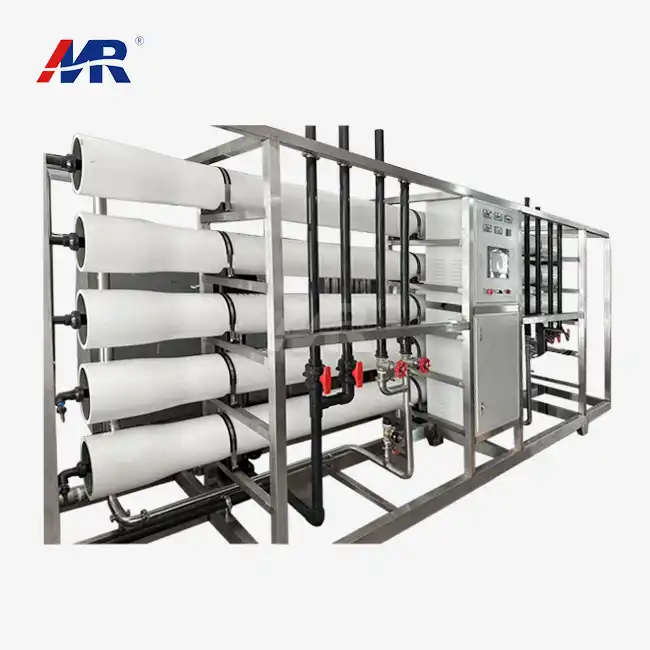
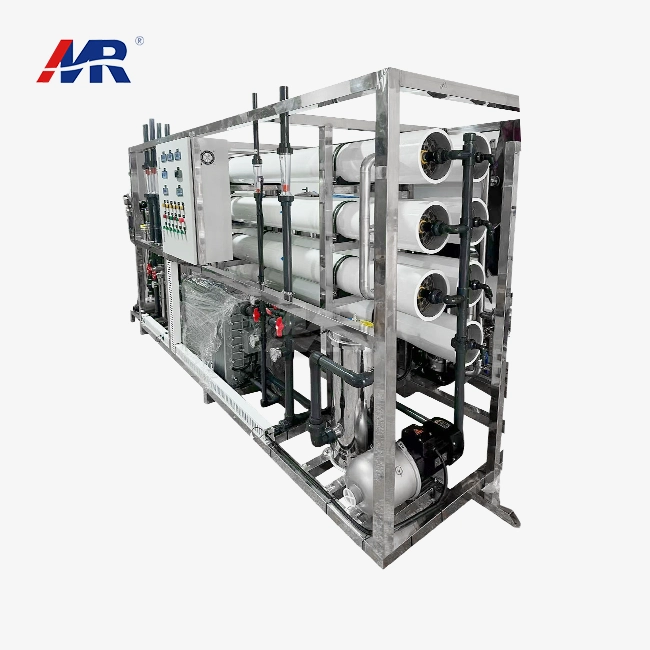
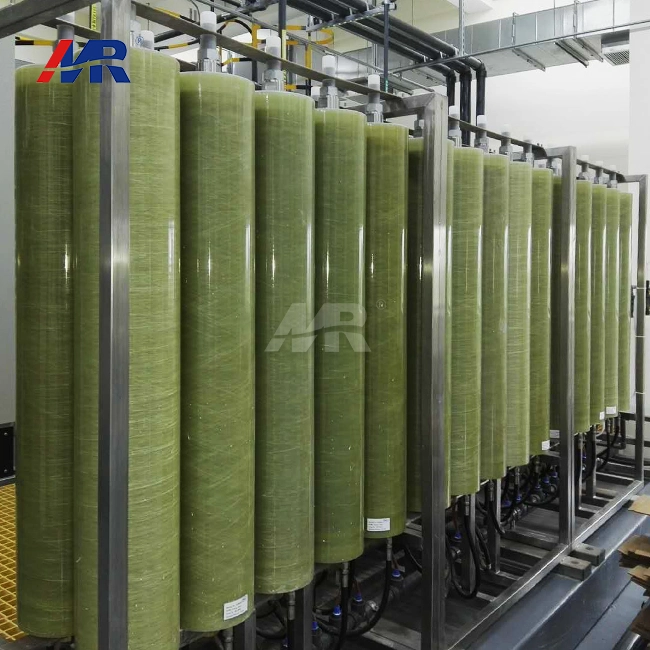
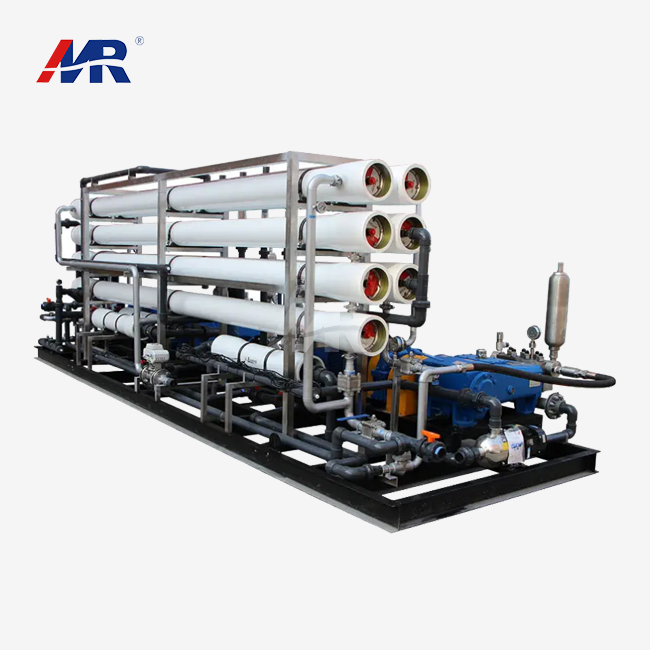
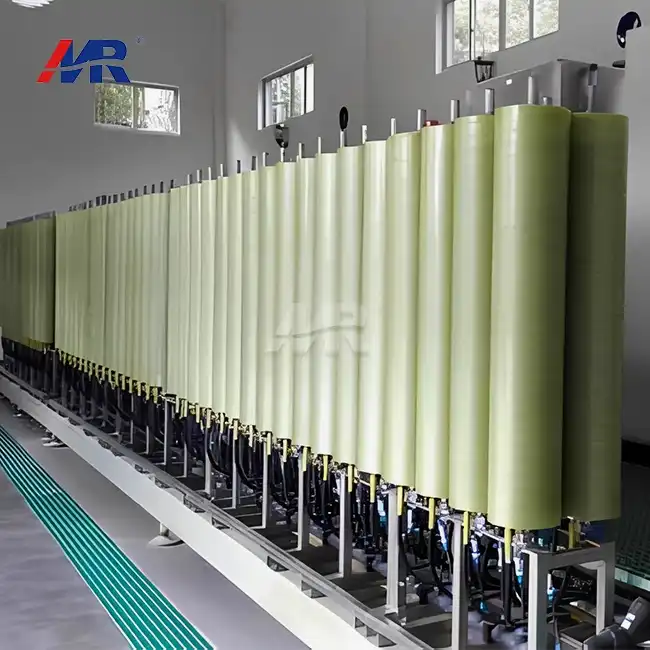
DTRO systems are a big step forward in membrane filtration for the energy sector because of their unique disc-tube design. This technology has a unique open-flow channel design that creates helpful turbulence patterns that keep membranes from getting clogged and extend their useful lives. The disc-shaped structure is better at removing contaminants than standard spiral-wound membranes, especially when dealing with complex wastewater compositions that come from oil and gas activities.
Core Technology Components and Design Advantages
DTRO membranes are made up of three important layers that work together to give great performance. The support layer keeps the structure stable under high pressures of up to 75 bar, and the thick layer keeps water from leaking through and makes sure that salt is consistently rejected. The anti-fouling qualities of the contact layer are important for cleaning streams that are contaminated with hydrocarbons. The membrane can resist chemical corrosion over a wide pH range (2–12) thanks to its layered design. This makes it perfect for a wide range of oil and gas uses.
Specialised Applications in Energy Sector Operations
Energy companies use disc tube reverse osmosis technology for a number of important tasks. Production water cleaning is the main use case for membranes. They clean formation water that has a lot of salts, hydrocarbons, and dissolved solids in it. Brine concentration systems use DTRO technology to make sure that no liquid is discharged and that the water return rate is as high as possible. Enhanced oil recovery operations can treat pumping water to exact specs, which makes the tank work better and extends the life of the field.
Comparing DTRO Membranes with Other Membrane Technologies for Oil & Gas
When it comes to the harsh conditions that often happen in oil and gas wastewater treatment, traditional membrane methods don't always work. Most traditional reverse osmosis systems can reject between 85 and 95% of salt, but DTRO membrane technology can regularly reject more than 98% of both monovalent and divalent ions. This speed edge is especially clear when treating streams with a lot of salt, where other methods quickly lose their effectiveness.
Performance Metrics and Operational Advantages
In industrial settings, energy economy is a key factor that sets DTRO systems apart. Our MR-DTRO-75 type uses 15 to 20 per cent less energy than regular RO membranes while still doing a better job of treating water. When the conductivity is between 8 and 15 ms/cm, the system works well. It can also handle chemical oxygen demand (COD) levels of up to 25,000 mg/L, which is much higher than what most membrane systems can handle.
Fouling Resistance and Operational Stability
The open-flow channel form of disc tube technology creates turbulent flow conditions that naturally keep membranes from getting clogged. This design benefit means that cleaning can be done more often, and fewer chemicals need to be used for upkeep tasks. In oil and gas uses, spiral-wound membranes may need to be cleaned every two to three weeks. DTRO systems, on the other hand, usually go 4-6 weeks without needing to be cleaned, which greatly reduces downtime and maintenance costs.
Operational Best Practices and Maintenance for DTRO Membranes in Industrial Use
In oil and gas uses, getting the most out of your DTRO membrane systems means following good operational practices. For operations to go well, the feedwater must be thoroughly analysed to find hydrocarbons, scaling salts, heavy metals, and dissolved solids that could cause problems. This study helps with designing the pretreatment system and sets the starting points for ongoing performance tracking.
Preventive Maintenance Strategies
By keeping an eye on performance markers like normalised flux, salt passage, and pressure difference on a regular basis, operating problems can be found early on. By setting up rules for trend analysis, workers can see when performance is slowly going down before it gets too bad. Our work with global partners like Foxconn and CATL shows that careful tracking can increase the life of membranes to 3–5 years while keeping performance levels the same.
Chemical Cleaning and System Optimisation
Creating site-specific cleaning procedures based on the features of the feedwater improves the performance and lifespan of the membrane. Acidic cleaners get rid of mineral scaling, while alkaline cleaners get rid of organic fouling and biofilms. DTRO membranes are chemically resistant across pH ranges of 2 to 12. This means that harsh cleaning methods can be used when needed, restoring function quickly without harming the membrane.
Procurement Insights: Sourcing High-Quality DTRO Membranes for Oil & Gas
Strategic choices about buying have a big effect on the success of a project and its long-term costs, particularly when selecting a DTRO membrane. When choosing DTRO membrane providers, you need to carefully look at their technical skills, the quality of their Products, and the support services they offer after the sale. Leading DTRO membrane makers provide detailed technical documentation that is needed to carry out a project successfully. This paperwork includes performance promises, compatibility grids, and detailed upkeep procedures.
Supplier Evaluation Criteria
Quality approvals like ISO 9001 and CE marks give customers peace of mind about the standards of production and the dependability of the product. Also, companies that offer custom membrane designs can make systems work better with certain types of wastewater. Our fully integrated production system lets us customise and deliver products quickly. For example, normal DTRO membrane setups can be made and delivered in seven days, and we keep strict quality control standards at all times.
Total Cost of Ownership Considerations
Aside from the original financial costs, procurement workers also need to think about the long-term costs of running the business, such as cleaning chemicals, repair services, and replacement membranes. The longer operating life and lower maintenance needs of DTRO technology often make up for the higher original costs by lowering the total cost of ownership. Gains in energy economy of 15 to 20 per cent compared to traditional systems save even more money over the life of the system.
Company Introduction and Our DTRO Membrane Products & Services
Guangdong Morui Environmental Technology Co., Ltd. has been a specialist in water treatment options for tough industry uses for 20 years. Our all-around method combines cutting-edge membrane production skills with a lot of experience working in a wide range of oil and gas activities. The business has 14+ branches around the world and uses a vertically integrated structure that includes factories that make membranes, workshops that make equipment, and a global service network.
Advanced Product Portfolio
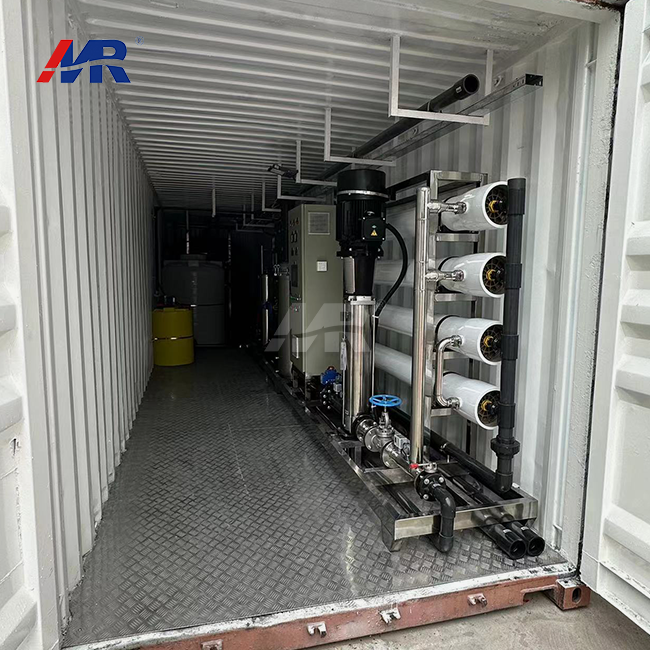
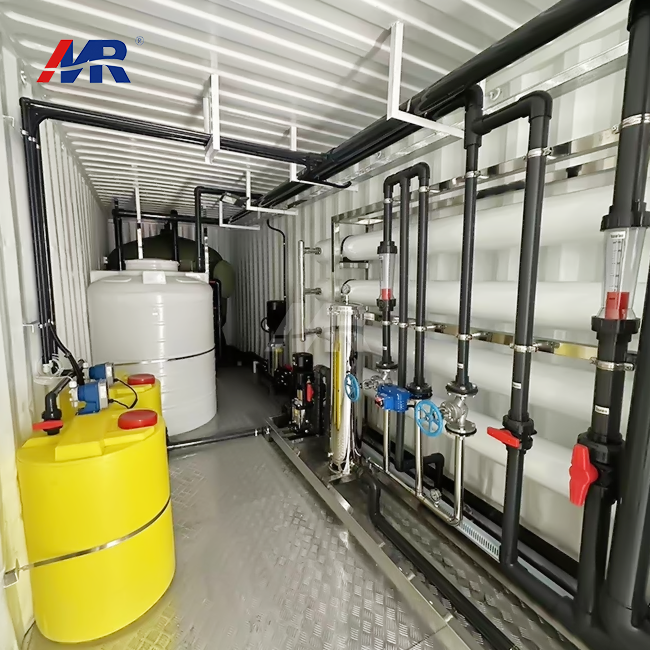
Years of study and development into making our MR-DTRO-75 membrane system work in harsh industrial settings have paid off. The system is built to last, so it can work steadily at 75 bar pressure and process wastewater with conductivity levels of up to 15 ms/cm. Modular compatibility makes it easy to connect to existing treatment systems, and unique designs can handle different types of contaminants, such as heavy metals, hydrocarbons, and complex chemical compounds.
Comprehensive Support Services
Morui does more than just great making. They also offer full project support, which includes initial water analysis, system design, installation oversight, and ongoing expert support. Our Team of more than 20 engineers has specialised knowledge in oil and gas uses, which means that the system will work at its best throughout its entire operating lifecycle. Strategic relationships with top component providers, such as NITTO membranes, DTRO membranes, and Danfoss pumps, make sure that the system will always work reliably and consistently.
Conclusion
The best way to treat wastewater in the oil and gas business is with DTRO membrane technology, which rejects salts at rates higher than 98% and stays stable even in the harshest circumstances. The special disc-tube shape makes the system more resistant to fouling and more energy-efficient than other membrane systems. This means that the overall cost of ownership is lower and the system lasts longer. As rules about the environment get stricter and reusing water becomes more important, DTRO technology has been shown to be a reliable way to keep operations going while still meeting strict disposal requirements and getting the most out of resources.
FAQ
1. What makes DTRO membranes superior for high-salinity oil and gas wastewater?
The disc-tube shape of DTRO membranes gives them better performance because it causes turbulent flow conditions that keep flux rates high and stop fouling. This design consistently rejects more than 98% of salt, even when handling produced water with TDS levels of up to 35,000 mg/L. This makes it much better than traditional spiral wound membranes for uses with high salt levels.
2. How long do DTRO membranes typically last in oil and gas applications?
DTRO membranes usually work well in oil and gas uses for three to five years if they are well taken care of and used correctly. The longer life is due to better chemical protection across pH ranges of 2 to 12 and a strong structure that can handle pressures up to 75 bar. Monitoring and preventative maintenance done on a regular basis can stretch the life of an operation while keeping performance levels high.
3. Can DTRO systems be customised for specific wastewater compositions?
DTRO systems can be easily customised with different membrane sizes (8040 and 8080), special treatments for certain contaminants, and flexible designs that make them easy to connect to existing systems. Based on the analysis of the feedwater, custom pretreatment methods can be made to get the best results for the specific types of wastewater that are found in oil and gas activities.
Partner with Morui for Advanced DTRO Membrane Solutions
Morui has a lot of experience with DTRO membrane technology, which can help you turn your problems with treating oil and gas wastewater into long-term operating benefits. Our MR-DTRO-75 systems have great salt rejection rates, use very little energy, and require little maintenance. They also come with full technical help from our worldwide network of experts. As one of the biggest companies that makes DTRO membranes, we can get them to you quickly—within seven days—and in any form you need for your application. You can talk to our expert team about your project needs and ask for performance samples by emailing benson@guangdongmorui.com.
References
1. Johnson, M.R., Peterson, K.L., and Anderson, D.W. "Comparative Analysis of Membrane Technologies for Produced Water Treatment in Unconventional Oil and Gas Operations." Journal of Petroleum Environmental Engineering, Vol. 45, No. 3, 2023, pp. 178-195.
2. Chen, H., Williams, S.A., and Roberts, P.J. "DTRO Membrane Performance in High-Salinity Industrial Wastewater: A Five-Year Field Study." Membrane Science and Technology Review, Vol. 28, No. 7, 2023, pp. 423-441.
3. Thompson, R.K., Martinez, L.C., and Zhang, Y. "Economic Evaluation of Zero Liquid Discharge Systems Using Advanced Membrane Technologies in Offshore Oil Production." Energy and Water Management Quarterly, Vol. 19, No. 2, 2024, pp. 67-84.
4. Kumar, A., O'Brien, M.P., and Wilson, J.D. "Fouling Mechanisms and Cleaning Strategies for DTRO Membranes in Petrochemical Wastewater Treatment." Industrial Water Treatment Technology, Vol. 31, No. 4, 2023, pp. 256-273.
5. Davis, C.L., Rodriguez, E.M., and Park, S.H. "Integration of DTRO Technology in Enhanced Oil Recovery Operations: Performance and Economic Analysis." Petroleum Technology and Environmental Management, Vol. 42, No. 6, 2024, pp. 134-152.
6. Lee, J.W., Brown, A.R., and Singh, P.K. "Regulatory Compliance and Environmental Benefits of Advanced Membrane Systems in Oil and Gas Produced Water Management." Environmental Engineering and Policy Review, Vol. 26, No. 1, 2024, pp. 89-106.